News

Waterproof Lunch Cooler Backpacks for Work and Commuting

2026-08-07 0 Leave me a message
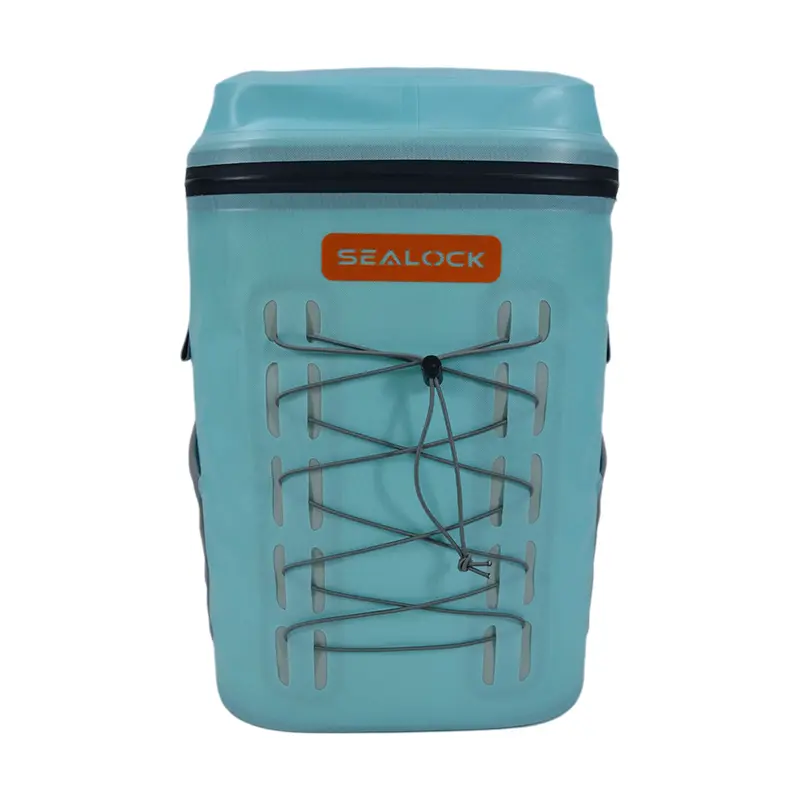
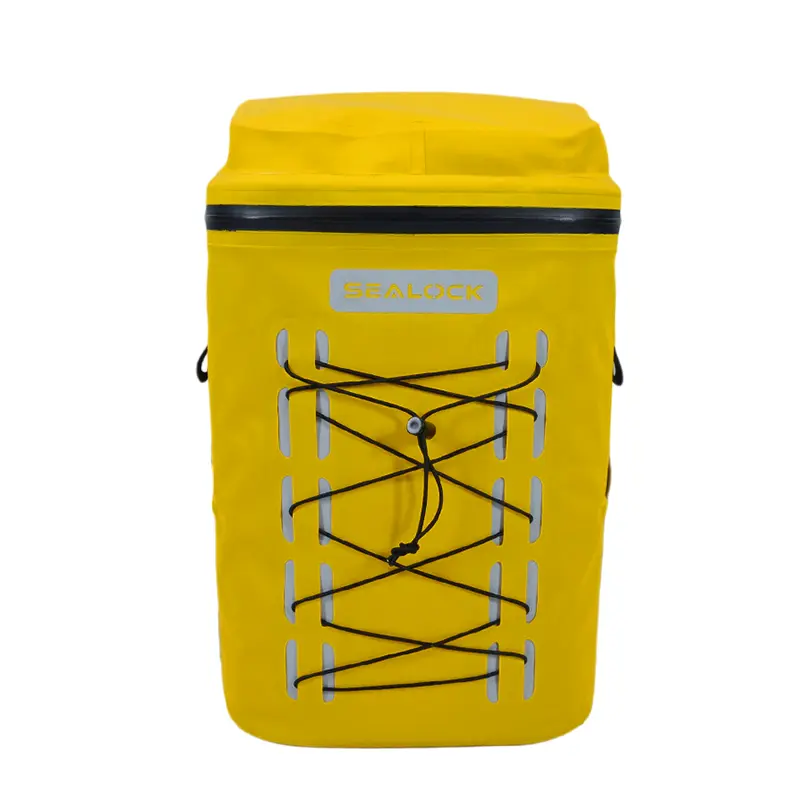
Bringing lunch to work sounds like the simplest thing in the world, and it hides a real problem: from the moment you leave the house, your food is sitting in the temperature range where bacteria multiply fastest — often for four or five hours before you eat it. A commute is not a picnic. It is a long, warm, jostled journey on a bus or a bike, frequently in the rain, ending at a desk with no fridge. A waterproof lunch cooler backpack is built for exactly that trip. This guide covers the food-safety rules that actually govern a packed lunch, what to look for in a commuter cooler backpack, and how Sealock (YiFuLong Outdoor Gear Co., Ltd.) builds them.


The Food-Safety Rules Behind a Packed Lunch

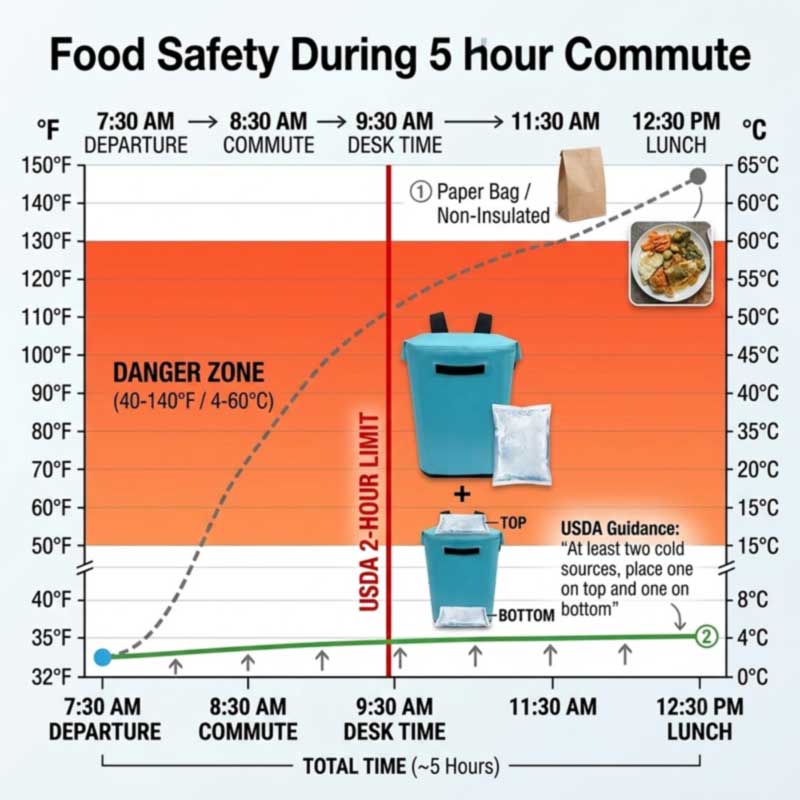
Most people underestimate this, so it is worth stating with the official numbers. The core rule is the Danger Zone: harmful bacteria multiply rapidly between 40°F and 140°F, food should never be left out of refrigeration over 2 hours, and above 90°F that drops to 1 hour. A typical morning commute plus a morning at a desk blows straight through that window.

Which is why an insulated bag is not a convenience item — it is the control measure. The USDA is blunt about the alternative: food is unsafe to eat if it is kept in an old-fashioned brown paper bag longer than 2 hours, while insulated lunch boxes help maintain food at a safe temperature until lunchtime. And the guidance is specific about how much cooling you need: insulated, soft-sided lunch bags are best for keeping food cold, but pack at least two ice sources with perishable food — two frozen gel packs (not smaller than 5x3 inches each), or a frozen gel pack combined with a frozen juice box or frozen bottle of water.

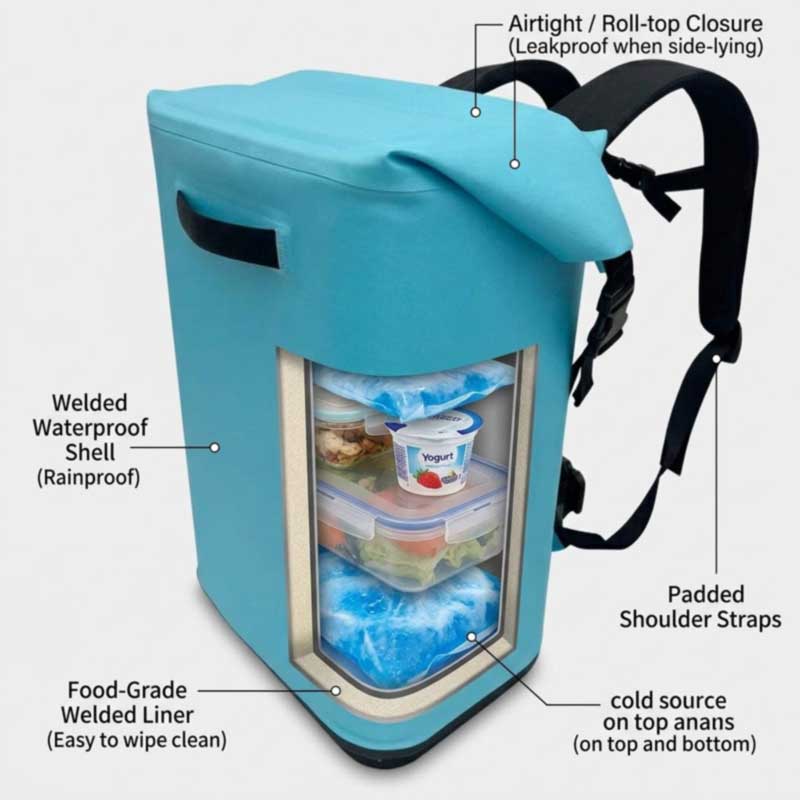
There is also a packing technique that most commuters get wrong. Cold falls, so one pack at the bottom does half a job: place cold sources on both the top and bottom of perishable food items to maintain a safe temperature. And if your workplace does have a fridge, use it properly — store perishable items there on arrival, leaving the lid or bag open so cold air can circulate. A sealed insulated bag inside a fridge insulates your lunch from the fridge.

The practical commuter checklist, straight from the guidance: start with food that is already properly chilled; use at least two frozen cold sources, top and bottom; keep the bag out of direct sunlight and away from car heat; if there is a fridge at work, open the bag inside it; and for a hot lunch, preheat the insulated container by filling it with boiling water and letting it stand before adding the food. Items that need no cold source at all — whole fruits and vegetables, bagged chips, dried fruit, nuts and jerky — can ride outside the cold zone.


Why a Commute Is Harder on a Cooler Than a Picnic

Outdoor coolers are designed for a day at the lake. A commuter cooler backpack faces a different set of stresses, and they explain every feature worth paying for.

  • Rain, every week. A commute happens whatever the weather. A cooler backpack that is merely "water-resistant" gets soaked on a bike or a walk from the station, and a wet bag against a work shirt is a daily problem, not an occasional one.
  • It rides against your back. Condensation on a cold bag transfers straight onto clothing. A wipe-clean welded exterior sheds it; a fabric one holds it.
  • It gets tipped, set down and squeezed. On a train floor, under a desk, in a bike pannier — the bag spends time on its side. Melt-water containment matters in every orientation, not just upright.
  • It carries more than lunch. The commuter reality is lunch plus a laptop, a change of clothes, gym kit or a helmet — which is exactly why a backpack format beats a lunch box.
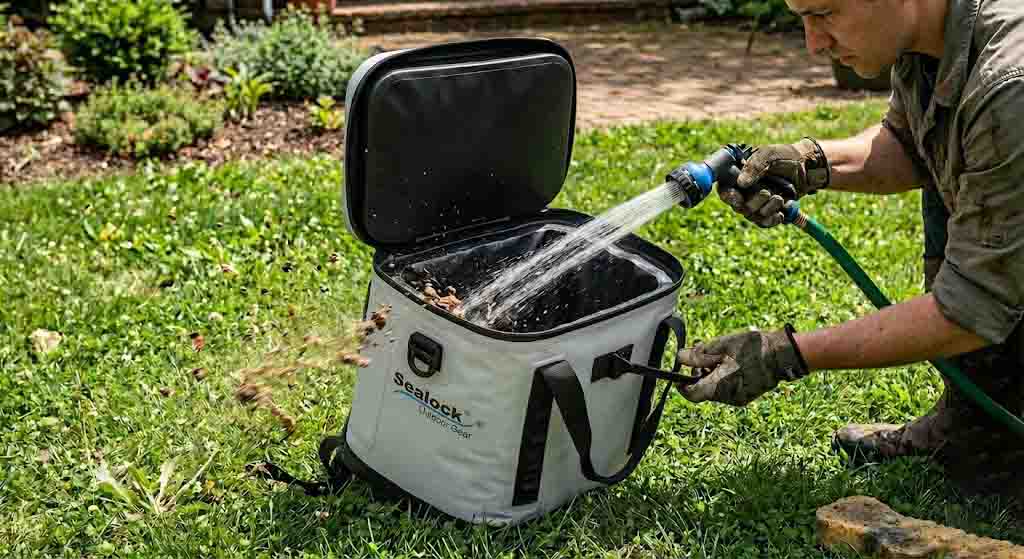
  • It is used daily, so hygiene compounds. A bag that traps crumbs and spills in stitched seams becomes unpleasant fast. USDA guidance puts this plainly: above all, choose a lunch box or tote that is easy to clean.

That last point is where construction meets daily life. A welded interior has no stitched seams for crumbs, spills and bacteria to lodge in — it is a smooth, continuous, food-grade surface that wipes out in seconds. That is a hygiene advantage of welded construction that rarely gets mentioned, and on a bag used five days a week it matters more than on one used five times a summer.

commute temperature timeline showing packed lunch staying below 40F in an insulated backpack versus rising into the danger zone in a paper bag

What to Look For in a Commuter Cooler Backpack

Genuine waterproofing, not "water-resistant"

For a bag that goes out in all weather, the difference is real. A welded, TPU-laminated shell sheds rain indefinitely; a coated fabric with stitched seams wets through at the stitch lines. If you cycle or walk any distance, look for welded construction and, ideally, a stated IPX rating rather than the word "waterproof" on its own. The rating system is decoded in Waterproof Cooler Backpacks: How Welded Construction Keeps Water Out.

Leakproof in any orientation

Ice packs sweat and melt, and a commuter bag spends half its life lying on its side. A welded body and a sealed closure keep that water inside; a standard zipper does not. Practical detail: if the bag will ever share space with a laptop, this stops being a nice-to-have. See Leakproof Cooler Backpacks: Stop Melt-Water Leaks for Good.

Enough insulation for a five-hour day — not more

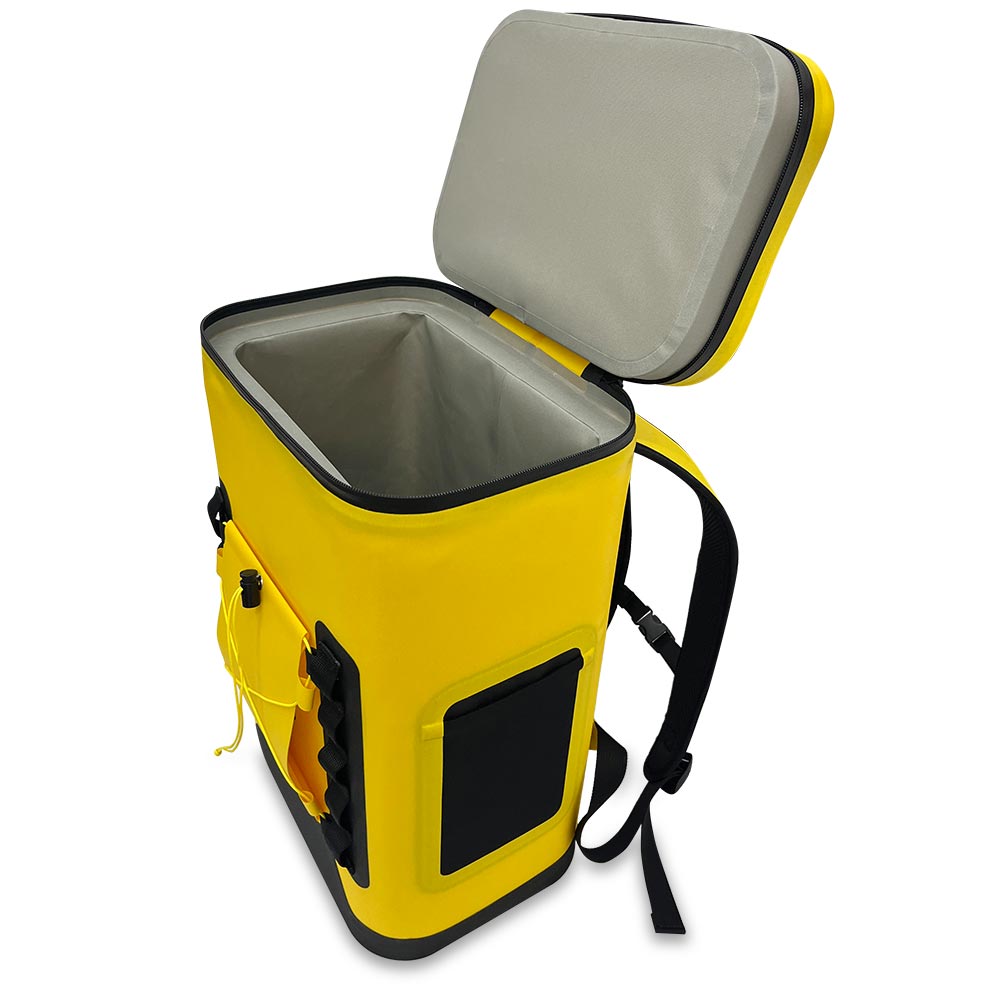
A commute does not need 48-hour expedition insulation. A closed-cell foam wall rated around 24 hours is comfortably more than a working day requires, and it keeps the bag lighter and slimmer than an expedition build. Over-specifying cold-hold on a commuter bag just adds bulk you carry every day. The engineering behind cold-hold is covered in Insulated Cooler Backpack Manufacturer: EPE Foam & Cold-Retention Design.

A food-grade, wipe-clean liner

Daily use means daily cleaning. A welded food-grade TPU or PEVA liner wipes down in seconds and has no seams to harbour spills.

Carry comfort for a loaded daily walk

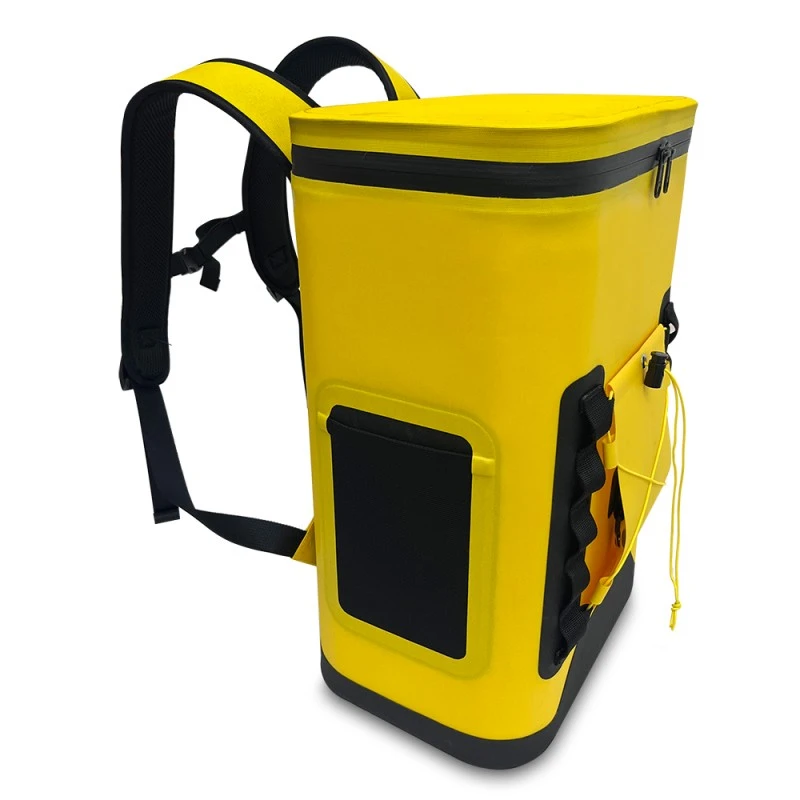
Padded shoulder straps are the minimum; a sternum strap earns its place once the bag holds lunch plus a laptop and cold packs. Ice packs are heavy, and it is a daily carry, not an occasional one.

Honest sizing

A dedicated lunch box holds a meal. A cooler backpack holds a meal plus the day — laptop, layers, gym kit — which is the whole reason to choose one. Be realistic about which you want: if you only ever carry a sandwich, a small insulated bag is lighter; if lunch is one item in a day's load, the backpack is the format that consolidates it.

Two commuter mistakes worth avoiding: First, packing lunch that is still warm from cooking — guidance is to chill food thoroughly in the refrigerator first, because a cooler bag maintains a temperature, it does not create one. Second, relying on a single small gel pack for a five-hour day; the standard is at least two cold sources, and freezing a drink bottle overnight is a free way to get the second one.


Sealock's Commuter-Suitable Cooler Backpacks

Sealock welds insulated cooler backpacks at 27.12 MHz across three factories in Dongguan, China and Ho Chi Minh City, Vietnam, with food-grade welded liners and immersion-validated seals. Builds suited to work and commuting, chosen by fit rather than rank:

Image Model Why it suits commuting Link
Lightweight waterproof cooler backpack SL-I272 Lightweight Waterproof Cooler Backpack (SL-I272) Light TPU build, 30 × 21.5 × 47.5 cm, folding closure — slim daily carry View
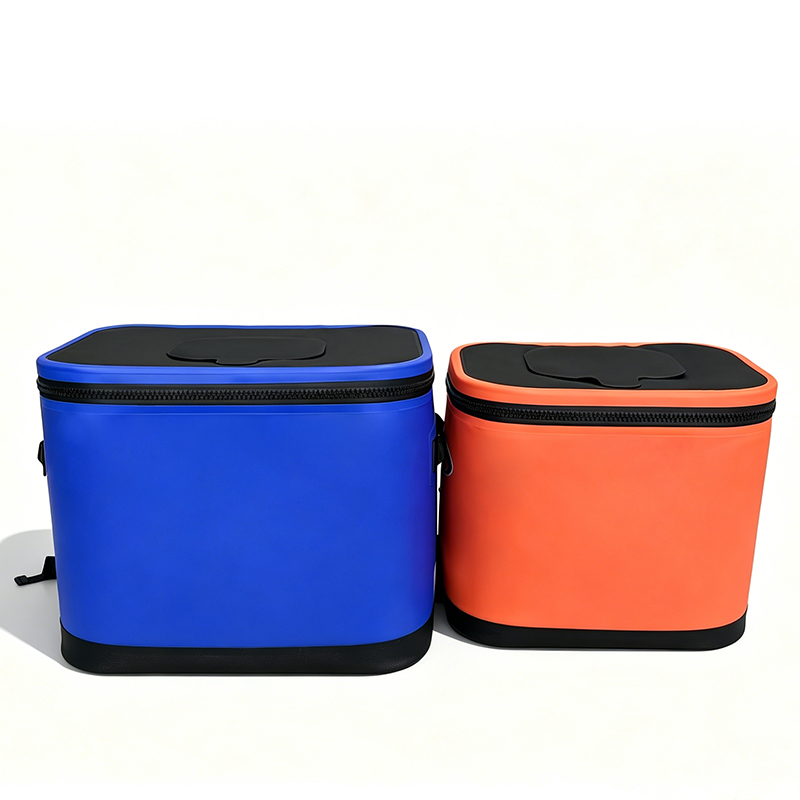
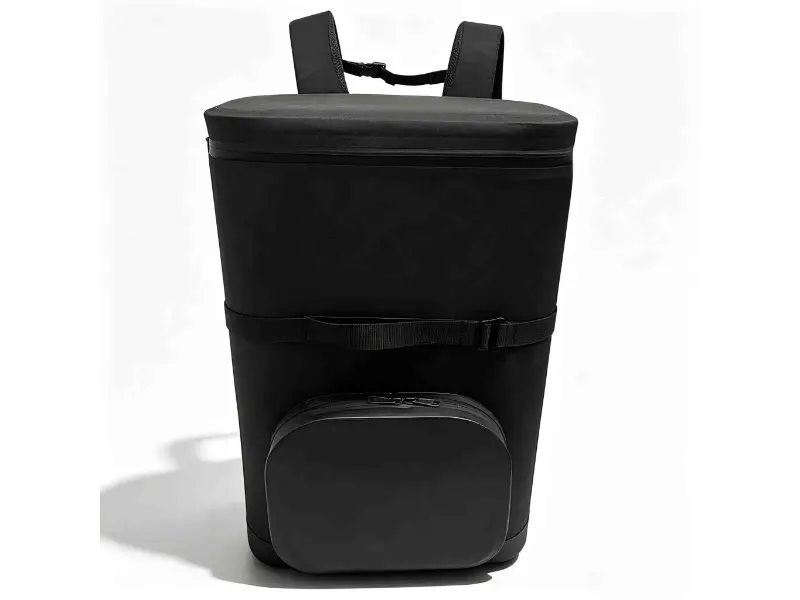
Insulated cooler backpack with molded lid SL-E050B Insulated Cooler Backpack, molded lid (SL-E050B) Two sizes, ~24 hr closed-cell EPE, molded flip lid with recessed handle for quick desk access View
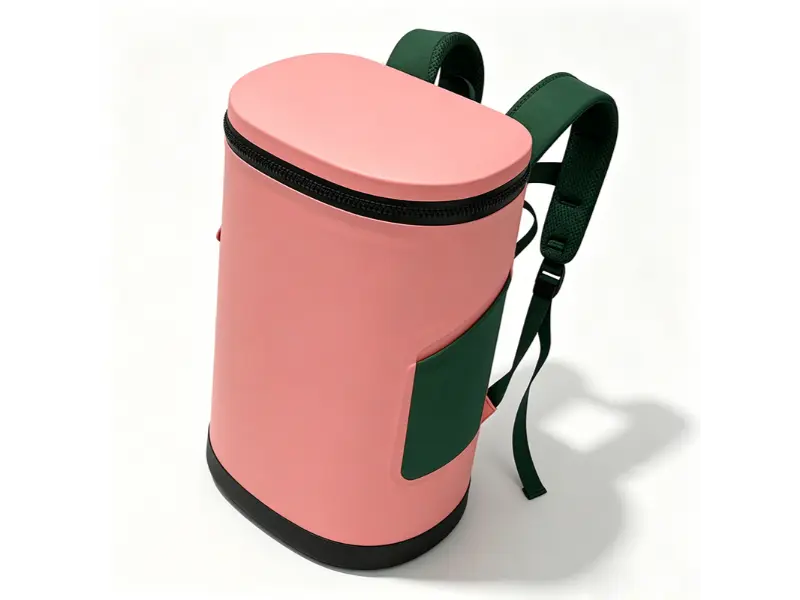
Barrel insulated cooler backpack SL-I309 Barrel Insulated Cooler Backpack (SL-I309) ~18L, ~1.3 kg, front slip pocket, sternum + waist straps for a loaded walk View
22L IPX7 cooler backpack SL-I280 22L IPX7 Cooler Backpack (SL-I280) IPX7 immersion-rated with airtight zipper — the wet-weather cycling option View
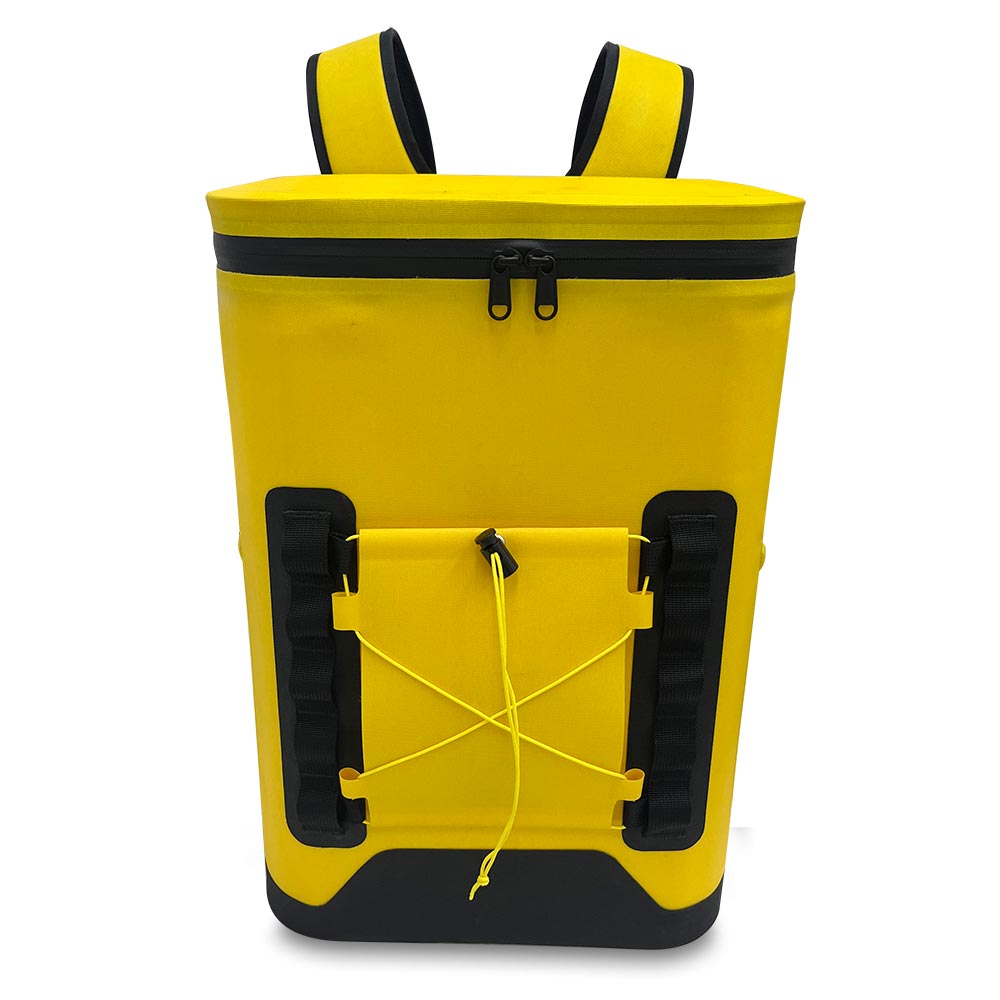
28L airtight-zipper backpack cooler SL-I274 28L Airtight-Zipper Backpack Cooler (SL-I274) Larger 28L for lunch plus laptop and gym kit; airtight zipper, utility pocket, padded harness View

An honest note on size: these are cooler backpacks rather than lunch boxes, starting around 18L. That is a deliberate fit for the commuter who carries lunch alongside everything else — if your daily load really is just a sandwich, a smaller insulated bag will be lighter. Brands wanting a dedicated compact lunch-pack size can have one developed; capacity is one of the standard specification levers.

how to pack a commuter cooler backpack with two cold sources above and below sealed food containers

For Brands: Specifying a Commuter Lunch Cooler Backpack

The commuter segment rewards a different specification from outdoor gear, and it is a genuinely distinct product brief:

Cold-hold target ~24 hours is ample for a working day — closed-cell EPE keeps the bag light and slim
Seal level Welded body throughout; IPX6–IPX7 for cyclists and all-weather markets
Liner Food-grade welded TPU or PEVA, tested to the destination market's food-contact standard
Capacity Compact commuter sizes through to 28L for lunch-plus-laptop loads
Features that sell here Laptop sleeve, quick-access lid, external bottle pocket, discreet office-appropriate styling
Carry Padded straps; sternum strap once loaded weight rises
MOQ / lead time 300 pcs per design; samples 7–15 days; production 30–45 days; FOB Guangdong

Beyond colour and logo, Sealock develops ground-up from a sketch, sample or performance target, and demanding briefs are welcome — a dedicated commuter silhouette with an integrated laptop compartment, a specified cold-hold and a target IPX rating is exactly the kind of project an in-house design-and-welding team handles, and it is proven by cold-hold and immersion testing before production. Ground-up work runs longer at sampling, so book against a launch. See OEM Soft Cooler Backpacks: What You Can Customize Beyond Logo & Color.

FAQ: Lunch Cooler Backpacks for Work

Q: How long will a cooler backpack keep my lunch safe?

A: Long enough for a working day, if it is packed correctly. Perishable food must stay below 40°F, because bacteria multiply rapidly between 40°F and 140°F and food should not sit out of refrigeration for more than two hours (one hour above 90°F). An insulated backpack with at least two frozen cold sources keeps food under that threshold well past a typical commute-plus-morning.

Q: How many ice packs do I actually need?

A: At least two. USDA guidance is two frozen gel packs, each no smaller than 5×3 inches, or one gel pack plus a frozen juice box or frozen water bottle. Place one above and one below the perishable food, since cold falls — a single pack at the bottom leaves the top of the load warmer.

Q: Do I still need cold packs if there's a fridge at work?

A: Yes, for the commute itself — the journey is when food warms. On arrival, put perishables in the fridge and leave the bag or lid open so cold air can circulate, because a sealed insulated bag will otherwise insulate your lunch from the fridge.

Q: Why choose a waterproof cooler backpack rather than a lunch box?

A: Three reasons specific to commuting: it goes out in the rain every week, so a welded waterproof shell keeps your lunch and your bag contents dry; it rides on your back and gets set down on its side, so leakproof containment of melting ice packs matters; and it carries lunch alongside a laptop, layers or gym kit, which a lunch box cannot.

Q: How do I keep a daily-use cooler backpack hygienic?

A: Choose one that is easy to clean — official guidance singles this out. A welded food-grade liner has no stitched seams for crumbs and spills to lodge in, so it wipes clean in seconds. Wipe it out after any spill, air it open overnight rather than sealing it damp, and remove containers promptly rather than leaving them in the bag.

Q: Can I use it for hot food too?

A: An insulated bag slows heat loss, but hot food should be kept at or above 140°F, which is best handled by an insulated food container rather than the bag alone. Preheat that container by filling it with boiling water and letting it stand before adding the food. Do not pack hot and cold items together and expect both to stay safe.

Developing a commuter lunch cooler backpack? Sealock (YiFuLong Outdoor Gear Co., Ltd.) manufactures welded, food-grade-lined cooler backpacks factory-direct from China and Vietnam — from existing platforms to a purpose-built commuter design with the capacity, cold-hold and seal level you specify. Tell the team your market and target price, and they will recommend a build and sample it.

Email: info@sealock.com.hk  |  Phone: +86-13632981825  |  Browse the soft cooler range

Food-safety temperatures, timings and packing guidance cited here reflect publicly available USDA/FSIS and FDA guidance as of mid-2026 and are general information, not a substitute for official food-safety advice. Actual cooling performance depends on the bag, the cold sources used and ambient conditions. Confirm a specific product's specifications before relying on them.

Related News
Leave me a message
X
We use cookies to offer you a better browsing experience, analyze site traffic and personalize content. By using this site, you agree to our use of cookies.Privacy Policy
RejectAccept