News

What Is a Fish Kill Bag and Why Is It Essential for Serious Anglers

2026-01-06 0 Leave me a message

A Fish Kill Bag is no longer a niche accessory—it has become an essential tool for anglers who care about fish freshness, legal compliance, and ethical harvesting. In this in-depth guide, I explain what a fish kill bag is, how it works, why it outperforms traditional coolers in many fishing scenarios, and how to choose the right one for your needs.

Fish Kill Bag

Fish Kill Bag Keyword Expansion & Question-Based Titles

  • What Is a Fish Kill Bag and How Does It Work?
  • Why Should You Use a Fish Kill Bag Instead of a Hard Cooler?
  • How Do You Choose the Best Fish Kill Bag for Offshore Fishing?
  • Which Fish Kill Bag Size Is Right for Your Catch?
  • Are Insulated Fish Kill Bags Worth It for Kayak Anglers?
  • How Long Can a Fish Stay Fresh in a Fish Kill Bag?
  • What Makes a Premium Fish Kill Bag Different from Cheap Alternatives?
  • Can a Fish Kill Bag Improve Meat Quality After the Catch?

In this article, I will focus on the most fundamental and high-impact topic: “What Is a Fish Kill Bag and Why Is It Essential for Serious Anglers?”


Table of Contents


What Is a Fish Kill Bag?

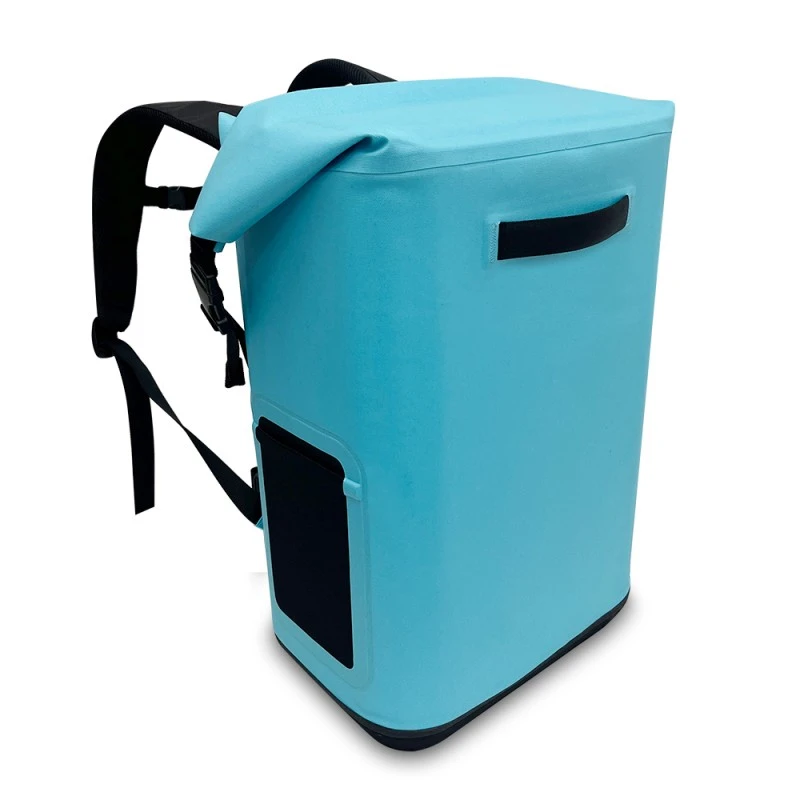
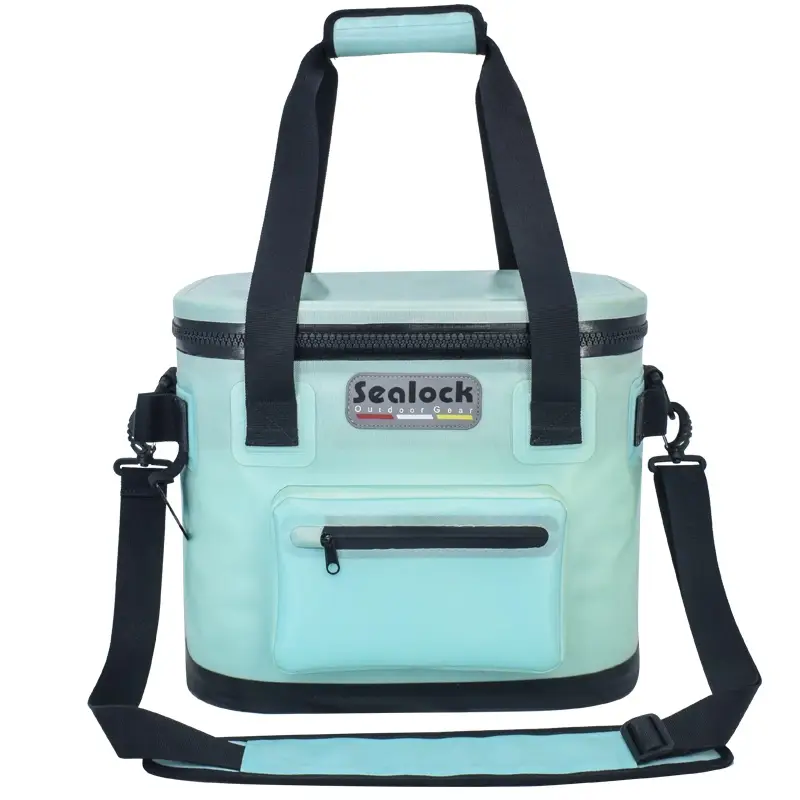
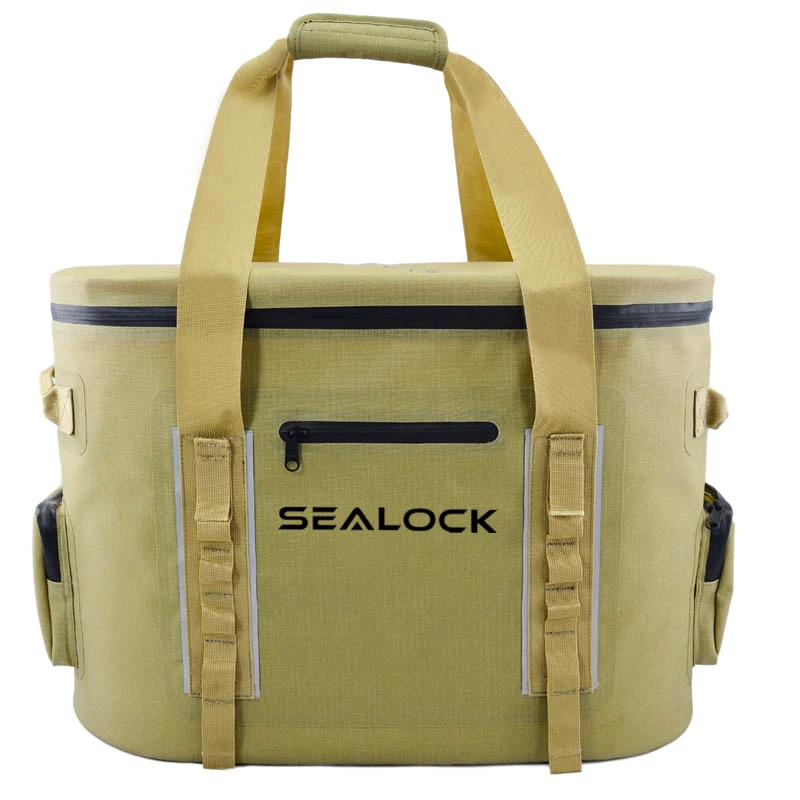
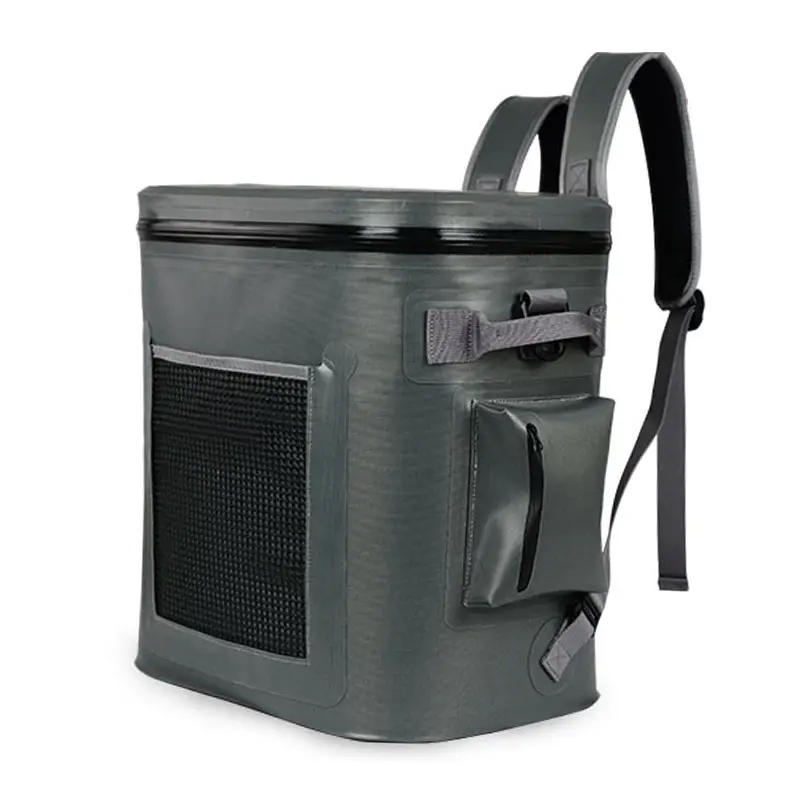
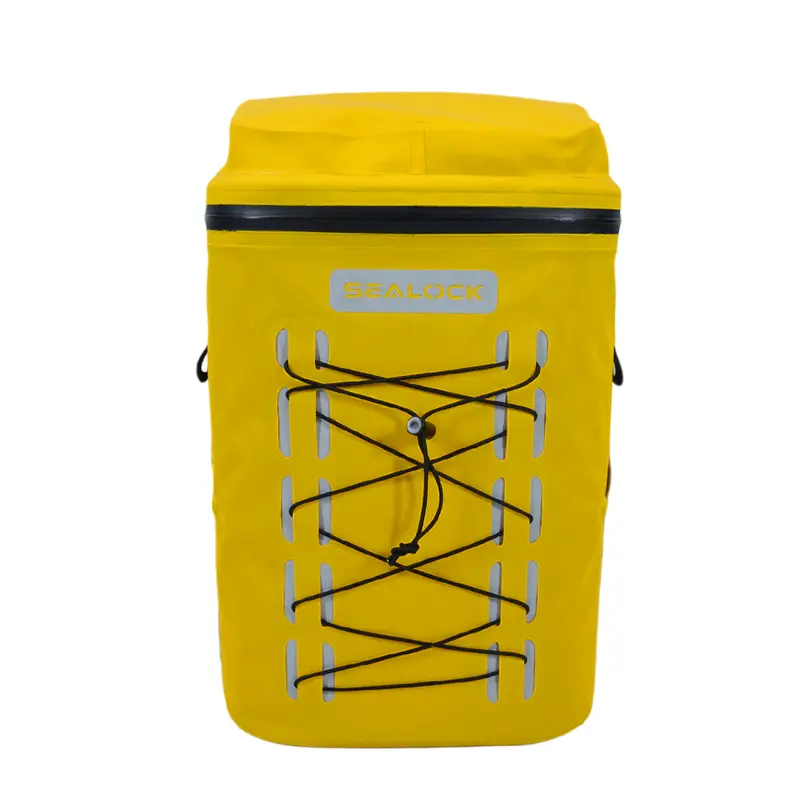
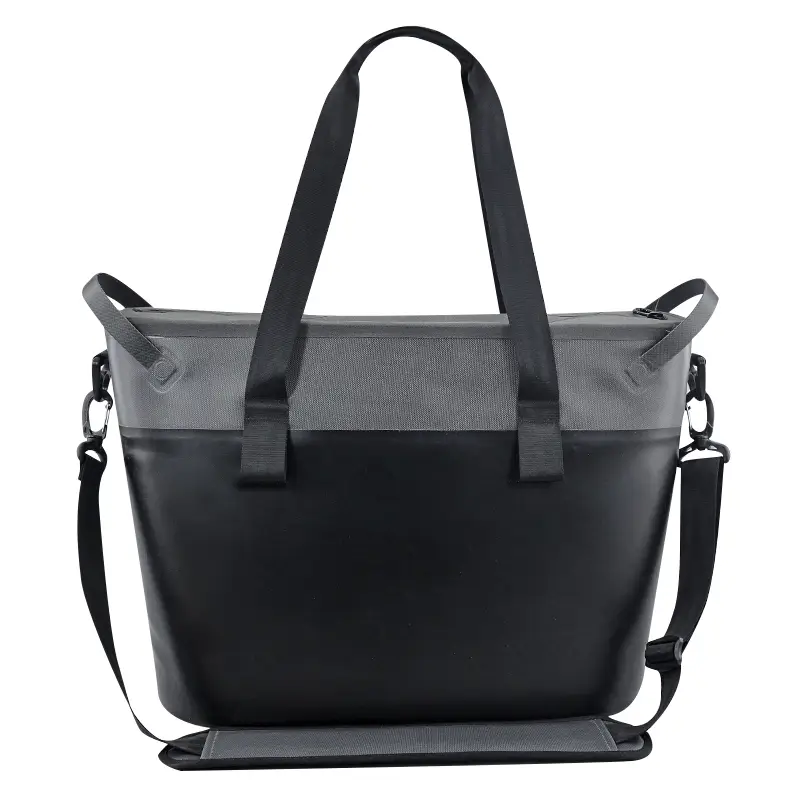
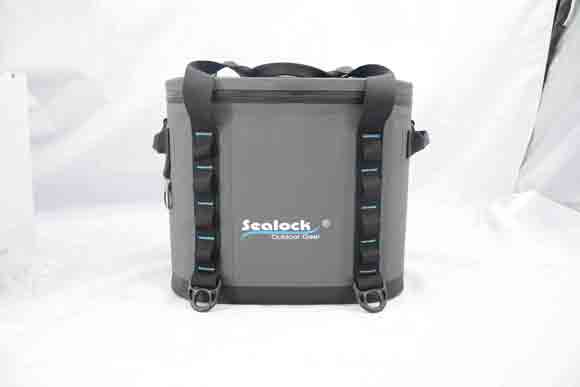
A Fish Kill Bag is a heavy-duty insulated storage bag designed specifically to preserve freshly caught fish immediately after harvest. Unlike basic soft coolers, a fish kill bag is engineered to handle large, irregularly shaped fish while maintaining consistent internal temperatures using ice or ice slurry.

Most high-quality fish kill bags are constructed with thick closed-cell foam insulation, waterproof and puncture-resistant outer shells, and antimicrobial interior linings. The goal is simple: slow bacterial growth, reduce spoilage, and protect the quality of the meat until processing.

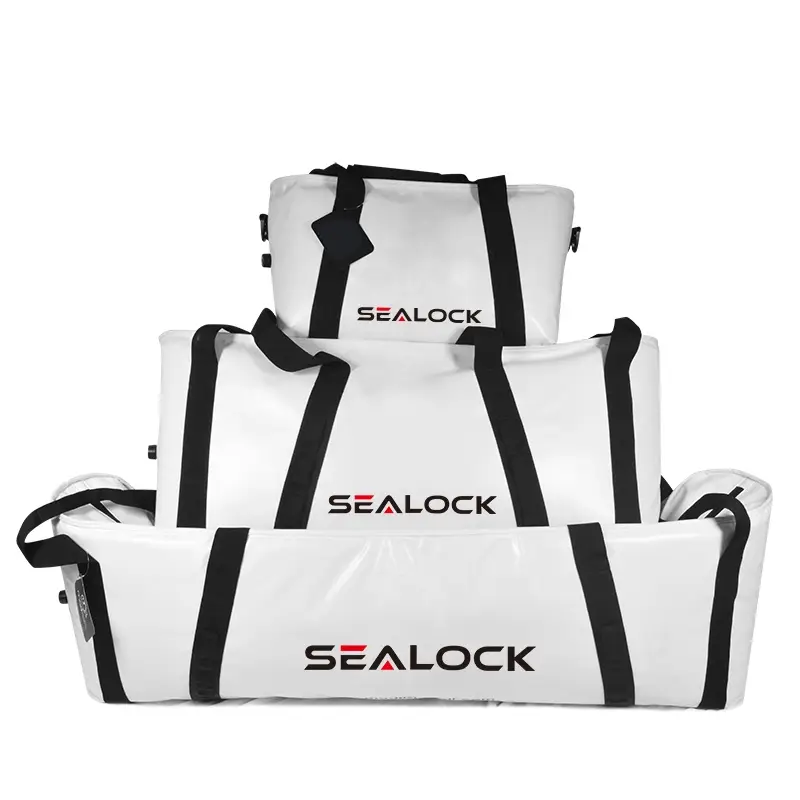
Brands like SEALOCK have helped standardize modern fish kill bag designs by focusing on durability, insulation efficiency, and marine-grade materials.


Why a Fish Kill Bag Is Essential for Modern Anglers

From my experience, the biggest mistake anglers make is assuming that any cooler will keep fish fresh. In reality, fish flesh begins degrading within minutes if temperature control is inconsistent.

  • Maintains optimal chilling temperature longer
  • Prevents sun exposure and dehydration
  • Reduces physical damage to the fish body
  • Supports legal size and catch compliance on boats
  • Improves final meat texture and flavor

Whether you fish offshore, inshore, or from a kayak, a fish kill bag ensures that your effort on the water translates into high-quality food on the table.


How a Fish Kill Bag Works in Real Fishing Scenarios

The effectiveness of a fish kill bag comes from its insulation system and sealed design. After landing a fish, anglers typically bleed and ice it immediately before placing it into the bag.

When combined with crushed ice or an ice-water slurry, the bag creates a cold, stable environment that rapidly cools the fish core temperature. This process is crucial for slowing enzymatic breakdown.

You can learn more about professional-grade designs by reviewing this fish kill bag product overview, which outlines structural and insulation details used in marine environments.


Fish Kill Bag vs Traditional Cooler

Feature Fish Kill Bag Hard Cooler
Portability Flexible, foldable, lightweight Bulky and rigid
Fish Capacity Handles long, large fish easily Limited by internal dimensions
Insulation Efficiency High with proper ice management High but space-consuming
Storage on Boats Minimal footprint Takes up deck space

Key Materials and Construction That Matter

Not all fish kill bags are built the same. Material selection directly affects durability, insulation, and hygiene.

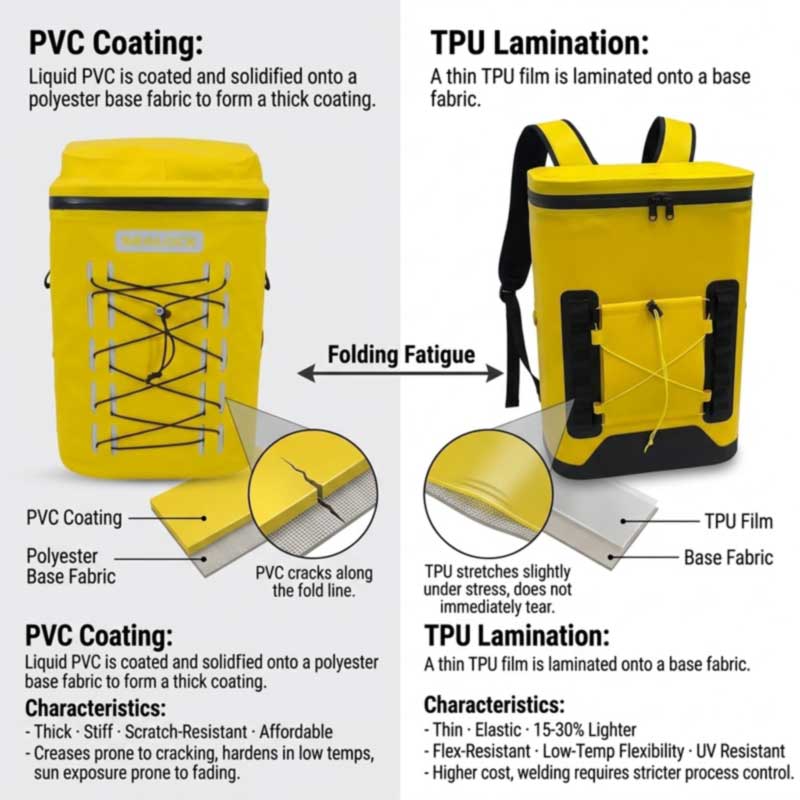
  • Outer Shell: PVC-coated or TPU fabric for abrasion resistance
  • Insulation: High-density closed-cell foam
  • Liner: Seamless, waterproof, antimicrobial interior
  • Zippers: Corrosion-resistant marine zippers

Manufacturers like SEALOCK focus on balancing flexibility with toughness, ensuring the bag survives harsh saltwater use.


How to Choose the Right Fish Kill Bag

Selecting the correct fish kill bag depends on your fishing style and target species.

  1. Measure the average length of fish you catch
  2. Consider boat or kayak storage limitations
  3. Check insulation thickness and zipper quality
  4. Ensure easy drainage and cleaning access

Common Fishing Scenarios and Use Cases

Fish kill bags are widely used in offshore sport fishing, kayak fishing, spearfishing, and charter operations. Their adaptability makes them suitable for both recreational and professional anglers.


Cleaning, Storage, and Longevity Tips

Proper care extends the life of your fish kill bag:

  • Rinse with fresh water after each trip
  • Use mild soap to remove fish residue
  • Dry completely before storage
  • Store unzipped to prevent odor buildup

Why Fish Kill Bags Are Gaining Popularity Worldwide

As anglers become more quality-focused and regulations tighten, fish kill bags offer a practical solution that aligns with sustainability and food safety. Their growing adoption reflects a shift toward smarter fishing gear investments.


Frequently Asked Questions

How long can fish stay fresh in a fish kill bag?

With proper ice management, fish can remain fresh for 24–48 hours.

Do fish kill bags leak?

High-quality models feature welded seams and waterproof liners to prevent leaks.

Is a fish kill bag better for kayaks?

Yes, their flexible shape and lightweight design make them ideal for kayak fishing.


A well-designed Fish Kill Bag is more than storage—it’s an investment in fish quality, efficiency, and professionalism on the water. If you are looking to upgrade your fishing setup or source reliable solutions for your business, we invite you to contact us today and discover how SEALOCK can support your needs.

Related News
Leave me a message
X
We use cookies to offer you a better browsing experience, analyze site traffic and personalize content. By using this site, you agree to our use of cookies. Privacy Policy
Reject Accept