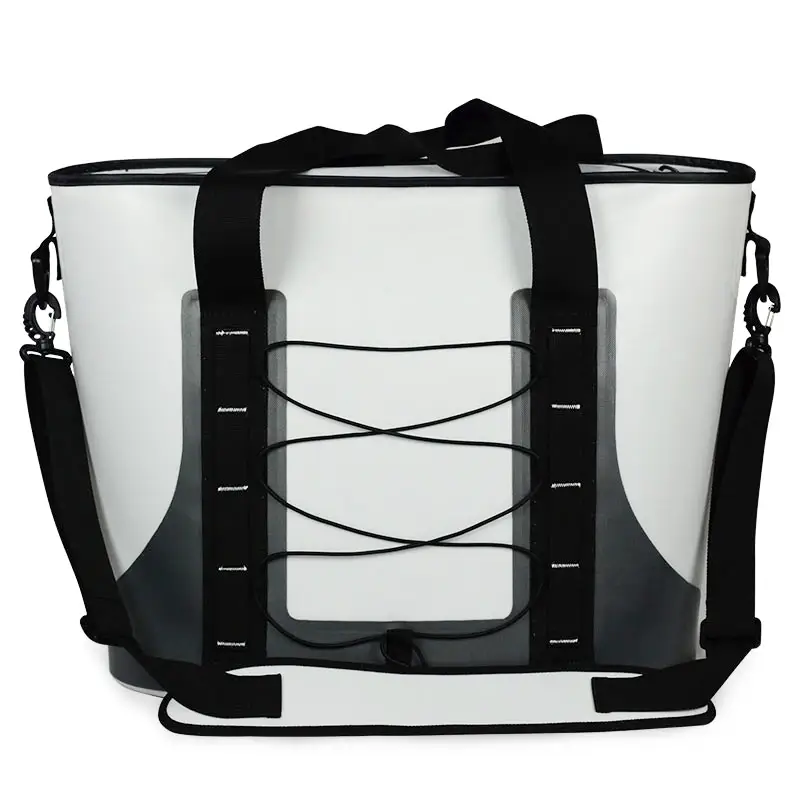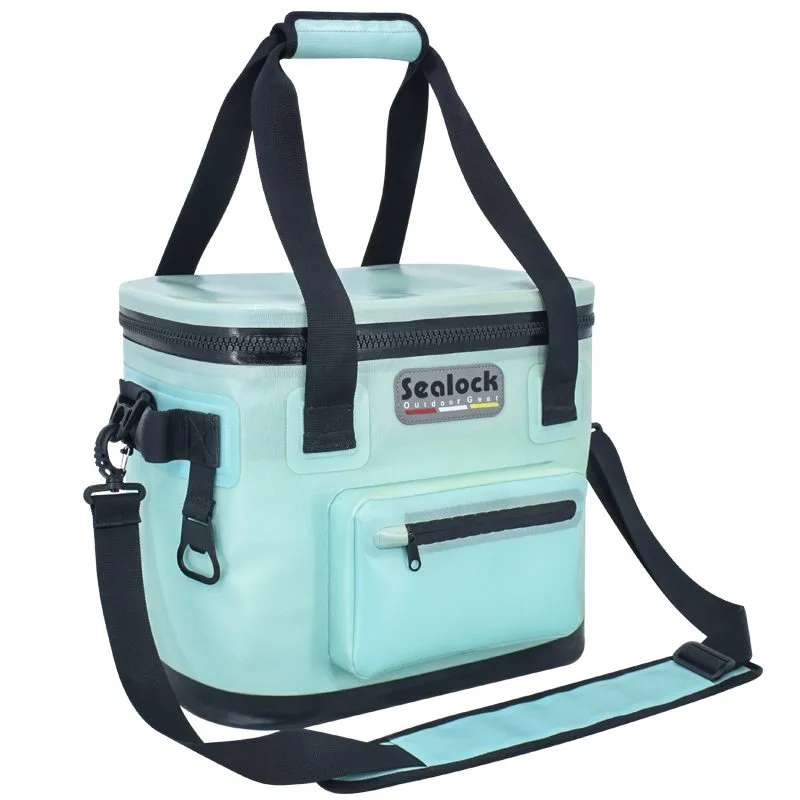
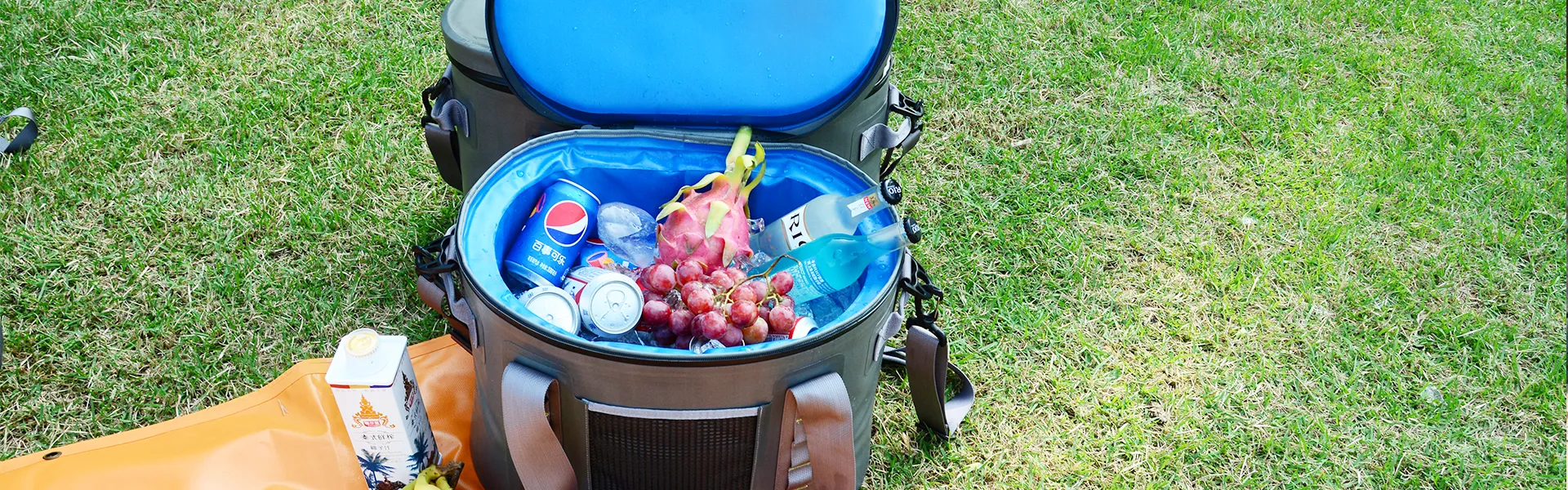
It happens after almost every weekend fishing trip or extended camping trip. You pull into the driveway exhausted, unpack the truck, and accidentally leave your cooler backpack sitting on a dark garage shelf for three days. In the peak of summer heat, that closed bag becomes an incubator. When you finally zip it open to unpack the leftover drinks, you are hit with a heavy, stale fish smell mixed with bacteria buildup from melted ice and damp organic residue.
A bad odor doesn't mean your cooler bag is ruined; it just means you have trapped moisture inside a tightly sealed insulation tank. This practical care guide skips the engineering heavy talk to focus entirely on real field fixes. You will learn how to scrub away mold patches, eliminate deep fish smells, and clear out stubborn beach grit without ruining the inner liner of your pack.
Quick Fix Blueprint: Common Cooler Stenches
| Odor / Problem Profile | The Everyday Camp Remedy |
|---|---|
| Stubborn Fish Smell | Apply thick baking soda paste; let sit 1 hour, then rinse clean. |
| Black Mold Spots | Spray pure household white vinegar mixed with warm water; wipe dry. |
| Gritty or Sticky Zipper | Flush tracks with fresh water; apply soft brush to remove beach sand. |
1. Stench Source Tracking: Where Does the Odor Live?
Symptom A: The Needle Hole Moisture Trap
Why it happens: If your current cooler relies on cheap sewn inner linings, the needle punctures act like tiny open doors. When fish slime or melted ice liquids pool at the base during a weekend fishing trip, they seep straight into those stitch tracks. Once inside, the organic fluid hits the raw foam insulation core. It builds up bacteria behind the scenes where a sponge can never reach. Premium private-label gear bypasses this flaw completely by utilizing smooth, single-piece welded walls that completely block liquid penetration, keeping the inner foam dry and odor-free.
Symptom B: Hidden Mold Spores in Fabric Creases
Why it happens: Mold requires darkness and trapped moisture to spread. Rolling home from a camping trip and storing a damp bag in a dark closet or on a garage shelf sets a perfect stage. The mold spores feast on micro grease marks left behind by food containers, turning into visible black spots in less than 48 hours. If left untreated, these spots cause permanent stains across lighter liners and make your leftover drinks smell unappealing.
Symptom C: Zipper Track Sand & Dried Salt Crust
Why it happens: Sometimes the bad smell isn't from food—it is organic lake scum or salt slime dried hard into your zipper track. When beach sand or trail dust gets stuck between the tight rubber teeth of a leakproof zipper, it creates immense grinding friction. Forcing the zipper slider over this dried crust cuts directly into the waterproof seal. If you are noticing sudden performance drops along with a bad smell, review our technical breakdown on why soft coolers melt ice too fast to see how zipper care preserves your cold-holding power.
2. The Bleach Warning: Protect Your Advanced Fabrics
When you are staring down a heavy mold problem, you might want to throw a heavy cup of industrial chemical bleach straight into the main tank. **Avoid this entirely.** Raw bleach is far too aggressive for high-performance outdoor TPU fabrics. It will dry out the flexible panels, warp your exterior camouflage prints, and destroy the subtle lubricants keeping your heavy-duty leakproof zipper sliding freely.
Worse, if harsh chemicals degrade the protective outer fabric skin, they can eat into the inner high-density NBR insulation foam sheets, ruining your multi-day ice holding capacity. To rescue your gear safely, keep it simple. All you truly need is a home garden hose, a basic bucket of warm water, standard grease-cutting dish soap, and household baking soda. Save the harsh pool chemicals for the driveway.
3. The 3-Step Emergency Wash Protocol
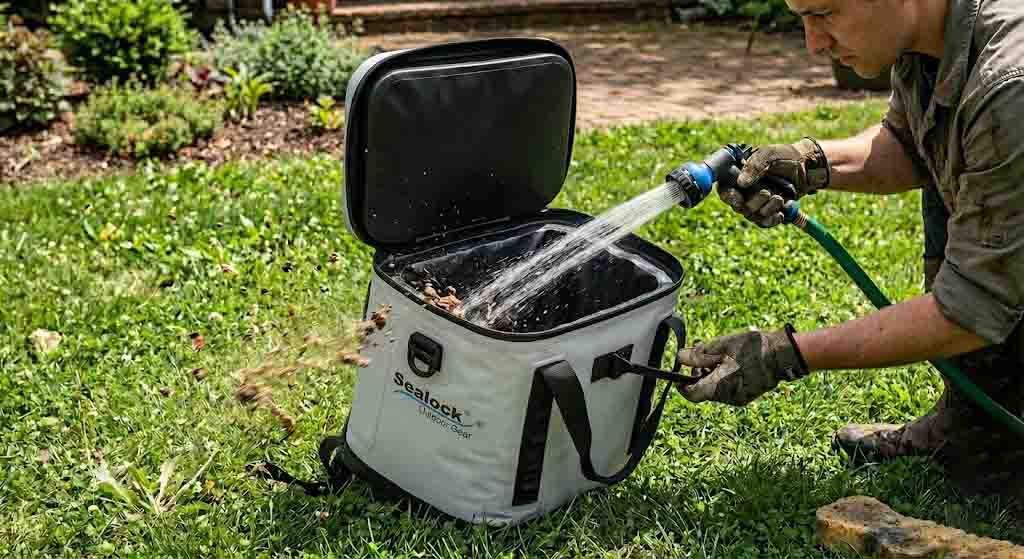
If your cooler pack has been baking in the summer heat too long, take it out onto the grass lawn and use this exact backyard wash sequence:
The Garden Hose Flush
Flip the bag upside down to shake out loose fish scales, old bait bits, or stray bottle caps. Grab your garden hose, set the sprayer nozzle to a steady stream, and thoroughly rinse the interior. Focus directly on the base corners where fish slime settles. Spray down the outside zipper teeth until all dried mud crust and abrasive beach sand wash away.
The De-Funk Scrub
Mix two tablespoons of liquid dish soap into a warm bucket of water. Grab a soft microfiber washcloth or a non-scratch dish sponge—never use wire metal wool or stiff bristle brushes that can cut the liner skin. Scrub down the interior white liner. For heavy fish smells, mix a half-cup of standard baking soda into your sponge water; it acts as a natural odor neutralizer that absorbs organic funk safely.
The Shaded Air Dry
Flush out all remaining soap bubbles with the hose. Wipe the walls down with a dry towel. Prop the main zipper compartment wide open using a clean plastic cup and hang the pack upside down in a shaded, airy spot. Never stow your bag away on a garage shelf while the interior corners hold micro air-gap moisture. For a deep look into baseline performance expectations before your next trip, review our field study on how long soft coolers retain ice under load.
4. Real Buyer Q&A: Cooler Maintenance & Cleaning Reality
Before you stow your gear away for the winter season, check out these real operational cleaning questions gathered from outdoor riders and field sports enthusiasts:
Q: How do I get a stubborn fish smell out of a soft cooler bag?
A: Don't use heavy chemical perfumes that just mask the odor. Wash the liner out completely with clean garden hose water first. Then, make a thick paste using standard baking soda and warm water. Smear the paste directly into the bottom corners and let it sit flat for an hour before wiping it away with a damp sponge. Baking soda pulls the acidic fish slime odors right out of the TPU fabric walls without degrading the welding tracks.
Q: Can I use bleach to clean a soft cooler backpack?
A: No, avoid bleach entirely. Industrial chlorine bleach will systematically degrade outer polyurethane coatings, ruin dry camouflage prints, and destroy the rubber seals on leakproof zipper teeth. Stick to standard non-abrasive dish soap, warm water, and vinegar for black mold patches. This simple mix kills bacteria without damaging the core insulation foam sheets.
Q: Why does my soft cooler smell like mold inside after storage?
A: This always happens when a bag is zipped shut while still holding micro air-gap moisture. Even if the walls look dry, damp air traps inside the welded seams or zipper fabric. Always prop your cooler wide open and hang it upside down in a shaded breezeway for a full 24 hours before zipping it away in a dark garage or equipment closet.
5. Supply Chain Notice: Reducing Odor Warranty Liabilities in Commercial Retail
For outdoor retail procurement networks, custom brand line coordinators, and commercial marine supply buyers sourcing insulated gear fleets in volume, interior fabric hygiene is a major performance column. The leading driver behind rapid retail customer returns and warranty overhead is bacteria rot thriving inside stitched seam lines after field exposure to raw fish blood and food liquids. When standard contract factories use traditional sewn thread paths, organic residue pools inside the stitch holes, generating un-scrubbable internal mold that forces consumers to abandon the product entirely.
Our direct factory production systems at Sealock eliminate these costly returns at the engineering stage. We build our premium heavy-duty leakproof coolers collection using single-piece interior hulls joined by molecular high-frequency welding. This smooth surface prevents organic fish slime and bacteria buildup from taking hold, allowing commercial fleets and consumer users to hose the unit clean in seconds. Sourcing managers can request bulk pricing structures, compliance data, and material sheets directly from our central Manufacturing Compliance and Sourcing Desk.