"Please send price" gets you a guess. A complete RFQ gets you a number you can build a business case on. This page is the request-for-quotation template we would ask any buyer to use — with us or with anyone else — and an explanation of why each line changes the price.
Sealock (YiFuLong Outdoor Gear Co., Ltd.) · manufacturer since 2003 · China and Vietnam · MOQ 300 pcs · samples 7–15 days.
Filled it in? Send it: info@sealock.com.hk · +86-13632981825
Why the RFQ Decides the Quote
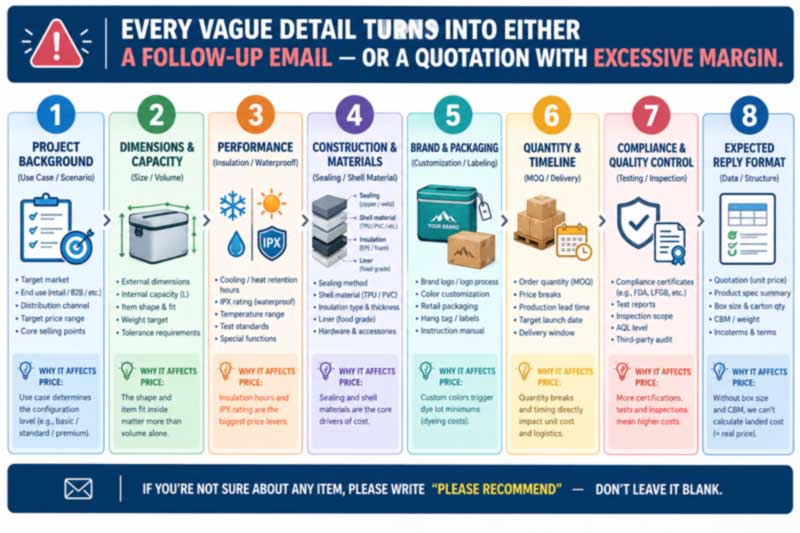
The principle procurement teams work to is simple and unforgiving: ;fix the spec. Part numbers, dimensions, materials, standards — or a physical sample. Every ambiguity becomes either a supplier email or a padded price.
That second outcome is the one buyers do not see. When a factory receives a brief with gaps, it has two choices: ask, which costs you days, or assume — and a careful factory assumes the more expensive option so it is not caught short. The quote comes back higher than it needed to be, and you never find out why.
The upside of getting it right is equally concrete: ;detailed RFQs allow suppliers to prepare accurate quotes that minimize the potential for cost overruns, delivery delays and products that don't meet your requirements. And it is what makes comparison possible — ;the more detailed the specifications, the more accurate the quote will be and comparable to the other suppliers.
The Template
Copy this into an email or a document. Fill in what you know. Where you do not know, write "please recommend" rather than leaving it blank — that tells the factory to propose an option and flag it, instead of guessing silently.
1. Programme
| Company and market | Who you are, where you sell, which channel (retail, Amazon, promotional, brand DTC, fleet) |
| What the product is for | The real use — beach days, fishing, commuting, delivery rounds, corporate gift |
| Reference | A photo, a sketch, a competitor's bag, or one of our existing models to start from |
| Target price | Your target FOB or landed price per unit, if you have one — it lets the factory propose the build that hits it |
2. Size and capacity
| Capacity | Litres, can count or bottle count |
| Dimension constraints | Any maximum external size — e.g. an airline carry-on envelope or a shelf depth |
| Contents | What goes inside: cans, bottles, containers, food trays — shapes matter more than litres |
3. Performance
| Cold-hold target | Hours required, and the conditions (ambient temperature, how often opened) |
| Water performance | Leakproof (keeps melt-water in) and/or waterproof to IPX6 / IPX7 / IPX8 (keeps water out) |
| Claims you will make | Anything you intend to print on packaging or a listing — so it is tested before you advertise it |
4. Construction and materials
| Carry format | Backpack, tote, shoulder, roll-top, wheeled |
| Closure | Airtight welded zipper, welded roll-top, molded lid, standard zipper |
| Shell | TPU or PVC, denier, colour; any recycled-content requirement |
| Liner | Food-grade TPU or PEVA; welded or sewn |
| Harness and extras | Sternum strap, waist belt, pockets, MOLLE, bottle opener, dividers |
5. Branding and packaging
| Logo | Vector file, size, placement, method (screen print, welded patch, deboss, UV print, woven label) |
| Colour | Stock colourway, or Pantone reference from a physical swatch book |
| Packaging | Polybag or retail box, hangtags, inserts, barcode format (UPC / FNSKU / GS1 carton labels) |
| Labelling rules | Destination-market requirements — origin marking, bilingual text, retailer routing guide |
6. Quantity and timing
| Quantity | Per design, per size, per colourway — plus a realistic reorder view |
| Price breaks wanted | E.g. 300 / 1,000 / 3,000 — lets you see where the curve flattens |
| In-hands or on-shelf date | The date the goods must be available — the factory works backwards from it |
| Destination | Country and port, so freight and origin options can be considered |
7. Compliance and quality
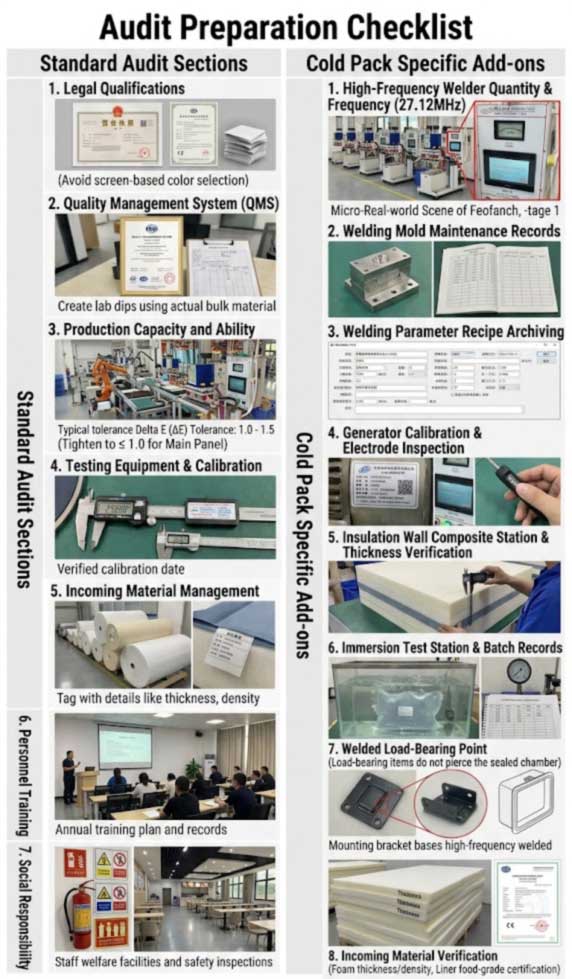
| Testing required | Food-contact migration, CPSIA, REACH, Prop 65, or retailer-specific |
| Audits required | BSCI, SMETA, SCAN, or your customer's own programme |
| Inspection | AQL levels and whether you will appoint a third-party inspector |
8. What you want back
| Quote format | Unit price at each break, sample cost and lead time, production lead time |
| Logistics data | Carton dimensions, units per carton, gross weight, total CBM |
| Terms | FOB / CIF / DDP, payment terms, quotation validity |
Filled in as much as you can? Send it over, with any photos or references. You will get a quotation with a breakdown of what drives the price — and where you could spend less.
info@sealock.com.hk · +86-13632981825
The Lines That Move the Price Most
Not every field carries equal weight. On a cooler bag, these five change a quotation the most:
- Cold-hold target. Sets the insulation tier and wall thickness — the single largest cost lever. A day-use bag specified at 48 hours is the most common overspend we see.
- Closure. An airtight welded zipper is one of the most expensive single components on a sealed cooler; a welded roll-top can deliver comparable sealing at lower component cost.
- Quantity per variant. Setup and tooling are fixed per design, so the price falls fastest just above minimum. One design in one colour at 900 pieces prices better than three at 300.
- Custom colour. A Pantone shell triggers a dye lot with its own minimum and lead time. Stock colourways avoid both.
- Panel count and features. Labour follows complexity, not size — a large simple bag can cost less than a small complicated one.
The fuller cost logic is in what drives the price of a custom cooler backpack, and minimums are explained in how MOQ actually works.
Common RFQ Mistakes
| Mistake | What it costs you |
|---|---|
| "Price for 1,000 pcs" with no specification | A guess, usually padded, and not comparable between suppliers |
| Asking for "waterproof" without a rating | One factory quotes a splash-resistant bag, another an IPX7 build — different products, different prices |
| No cold-hold target | Either an overspecified wall you pay for, or an underspecified one your customers complain about |
| Quantity not split by colour and size | A quote at the wrong break — each variant is its own minimum |
| No date | No way to tell whether the order can arrive in time for the season |
| Unit price only | No carton or CBM data, so landed cost cannot be modelled on a bulky product |
| Changing the spec mid-quote without telling everyone | ;sending outdated specifications or making changes without notifying all vendors creates confusion and leads to mismatched quotes |
What Happens After You Send It
- We review and ask about anything genuinely ambiguous — usually one round, and none if the template is complete.
- You receive a quotation with unit prices at your breaks, sample cost and lead time, production lead time, and carton and CBM data.
- We flag trade-offs — where a different closure, tier or colour choice would hit your target price, and what it changes.
- You approve a sample, which we build in 7–15 days. See what to test on the sample.
- Production follows in 30–45 days after sample and deposit confirmation.
Starting Points, If You Do Not Have a Design
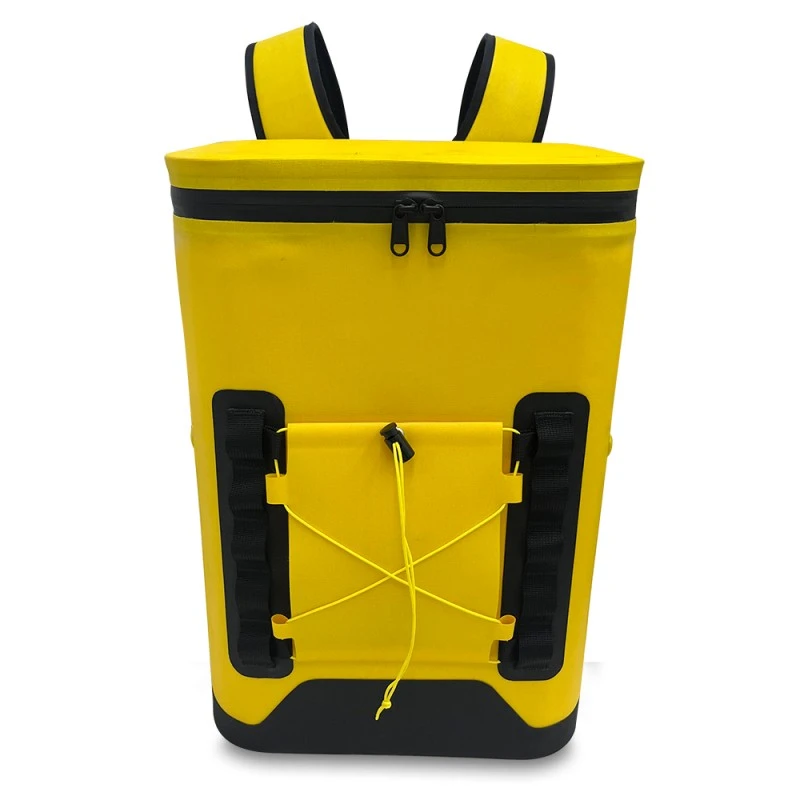
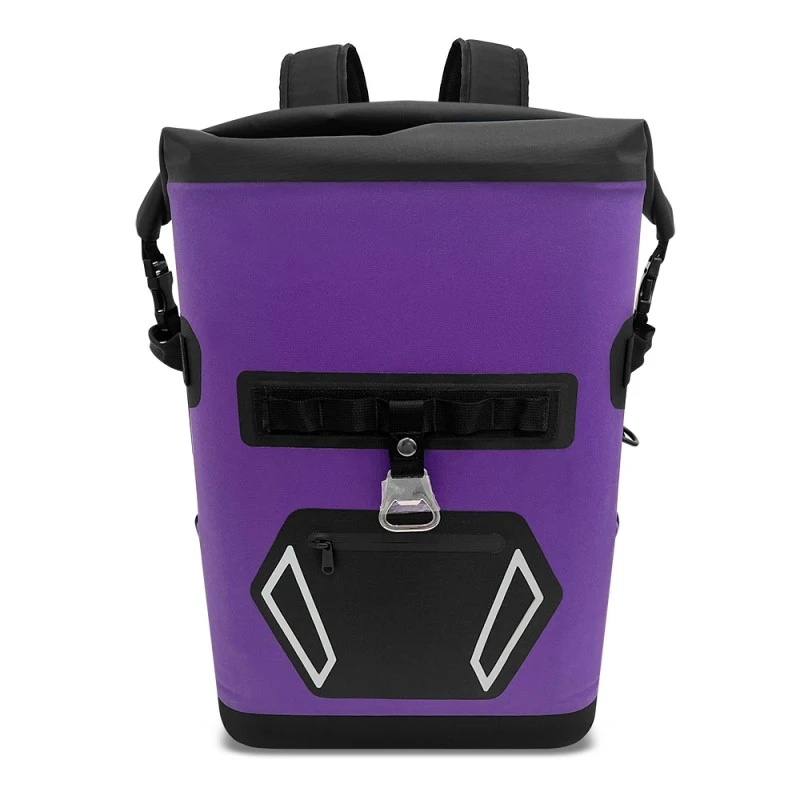
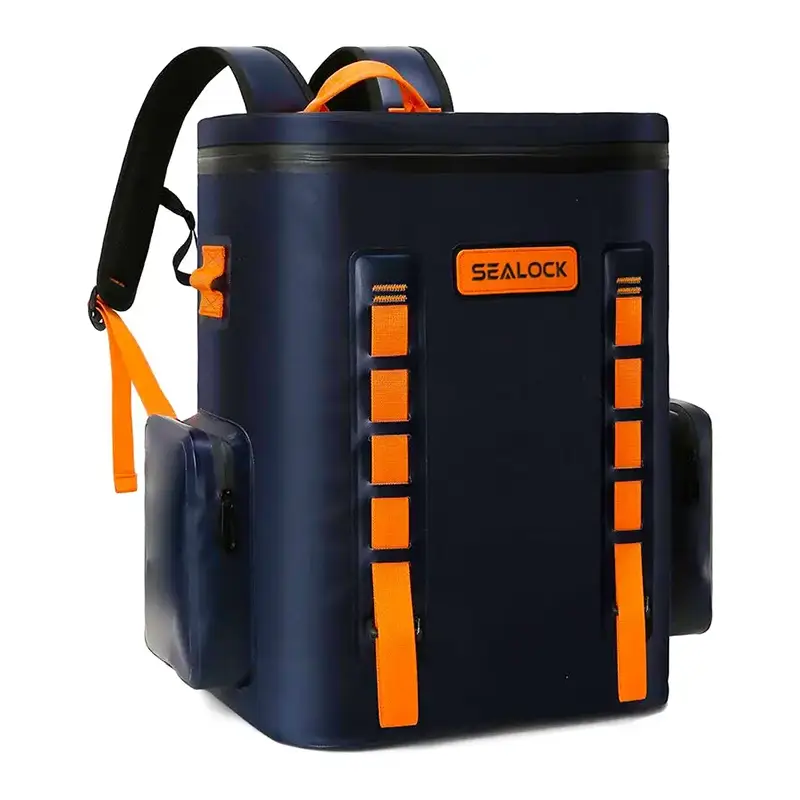
Naming an existing model in section 1 is the fastest way to a precise quote — the specification is already fixed, and you change only what you want different.
| Image | Model | Specification | Link |
|---|---|---|---|
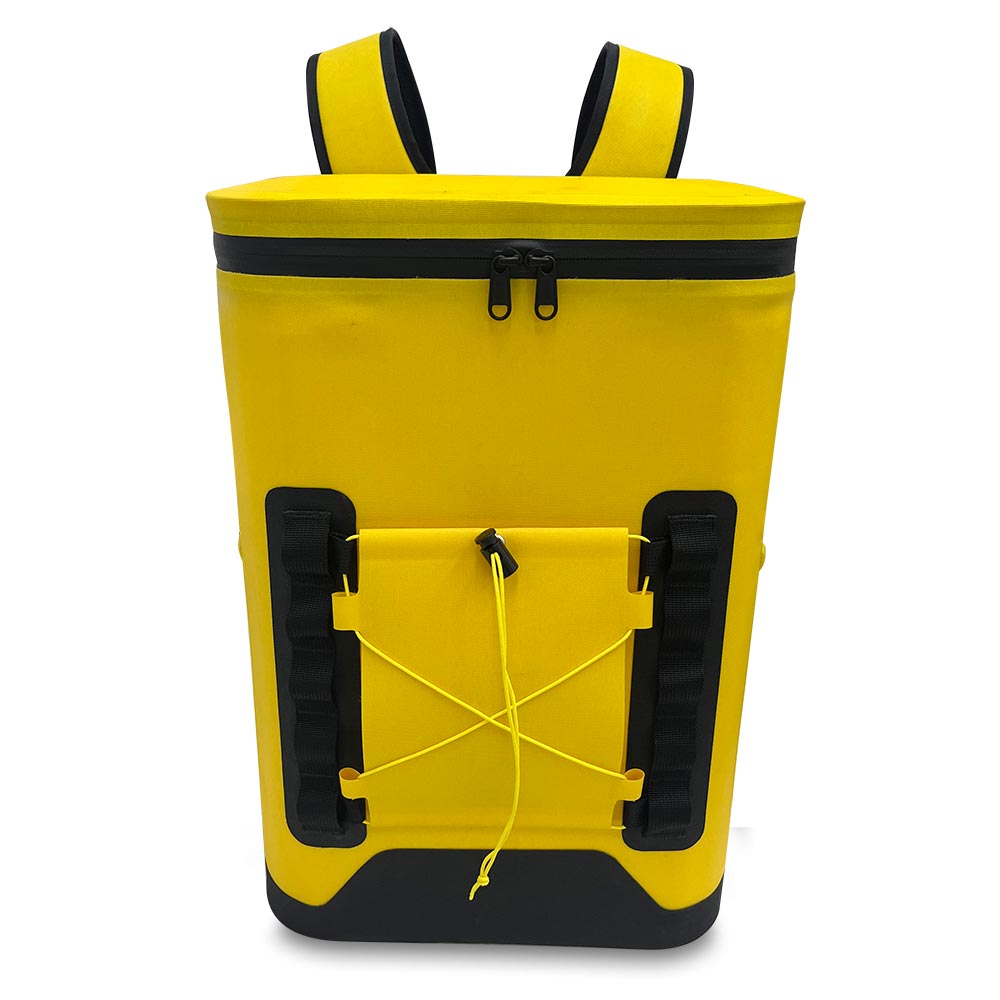
|
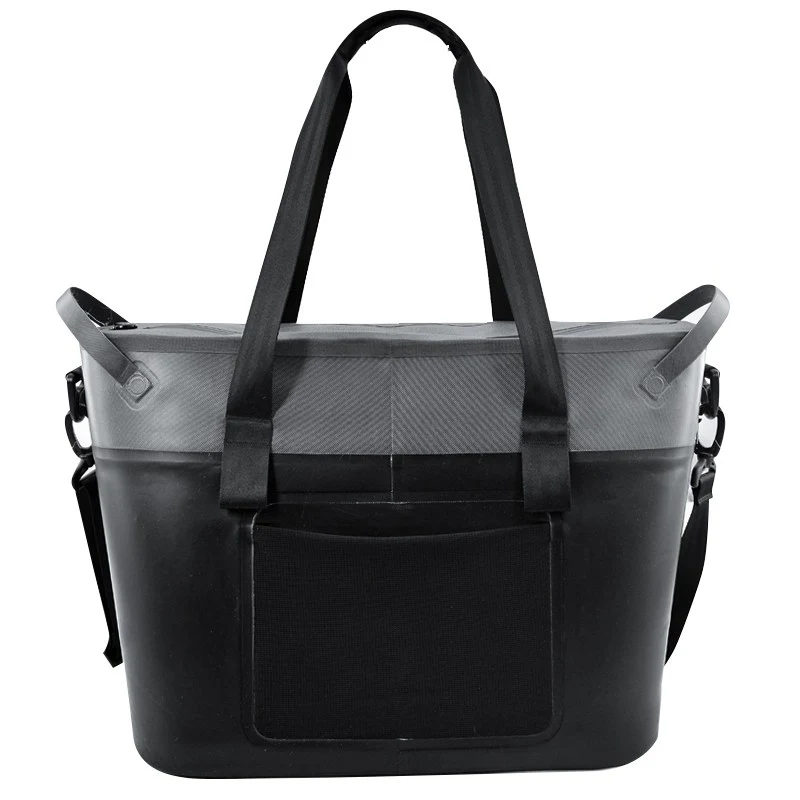
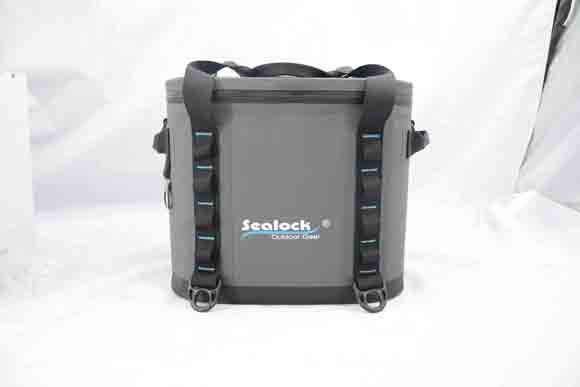
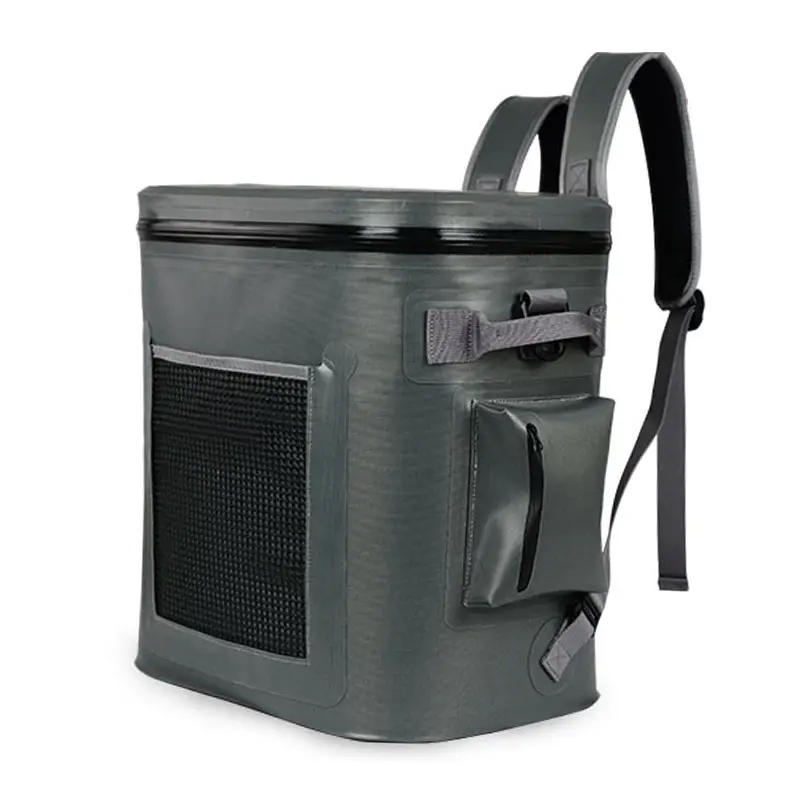
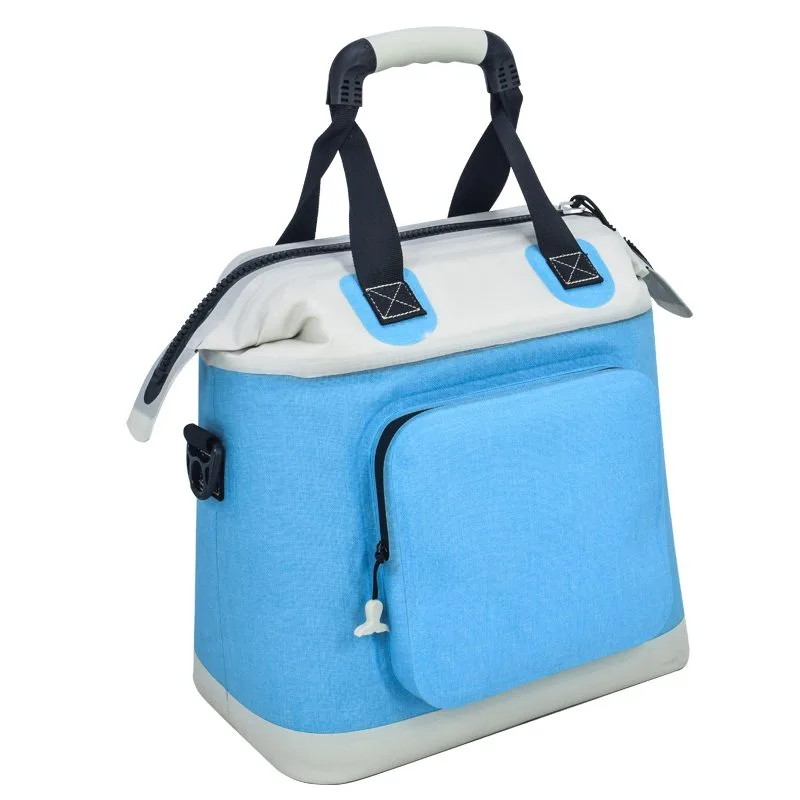
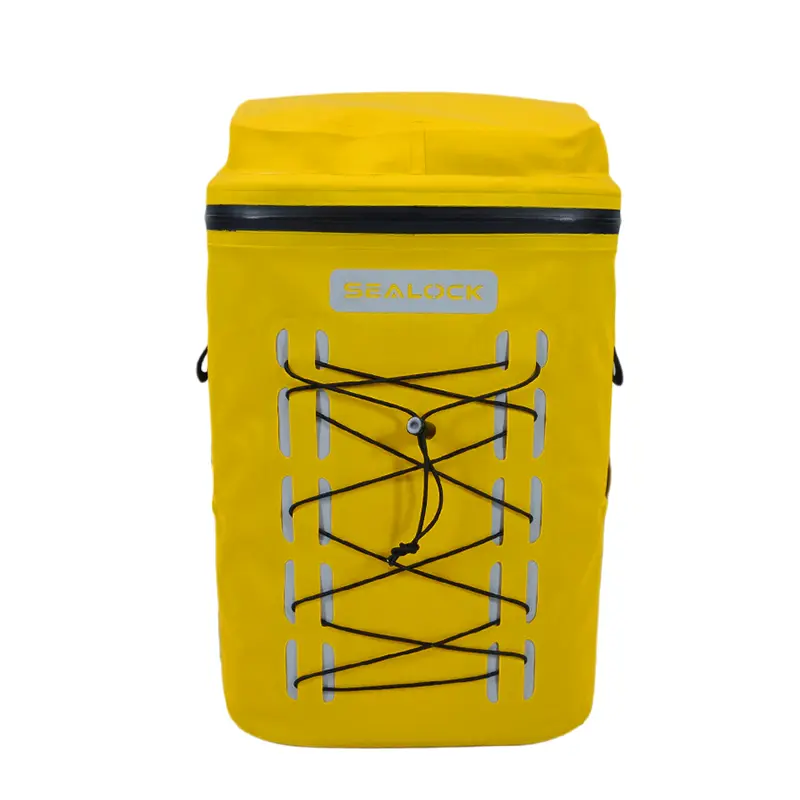
SL-I274 — 28L Airtight-Zipper Backpack | 840D TPU, 3 cm EVA core, food-grade TPU membrane, airtight welded zipper, up to 48 hr | View |
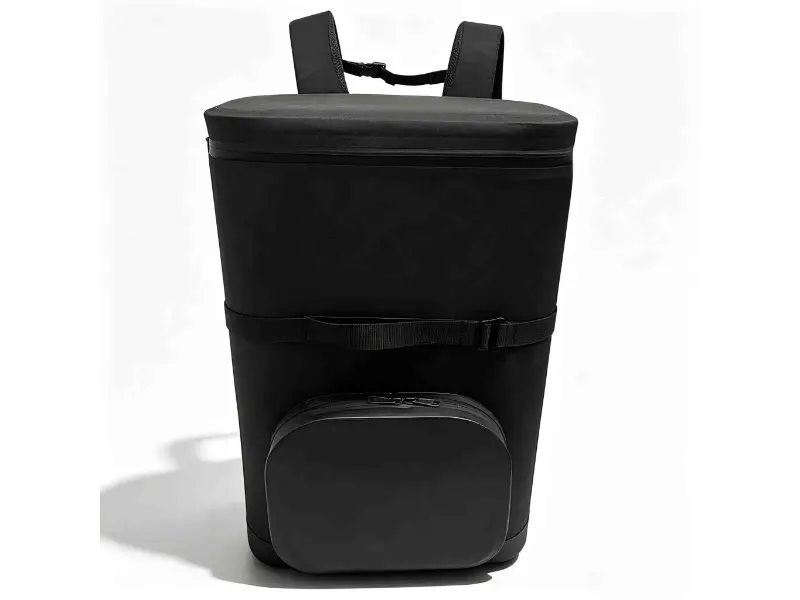
|
SL-I280 — 22L IPX7 Backpack | Welded seamless, IPX7, 50 mm high-density XPE, 48 hr+, full harness | View |
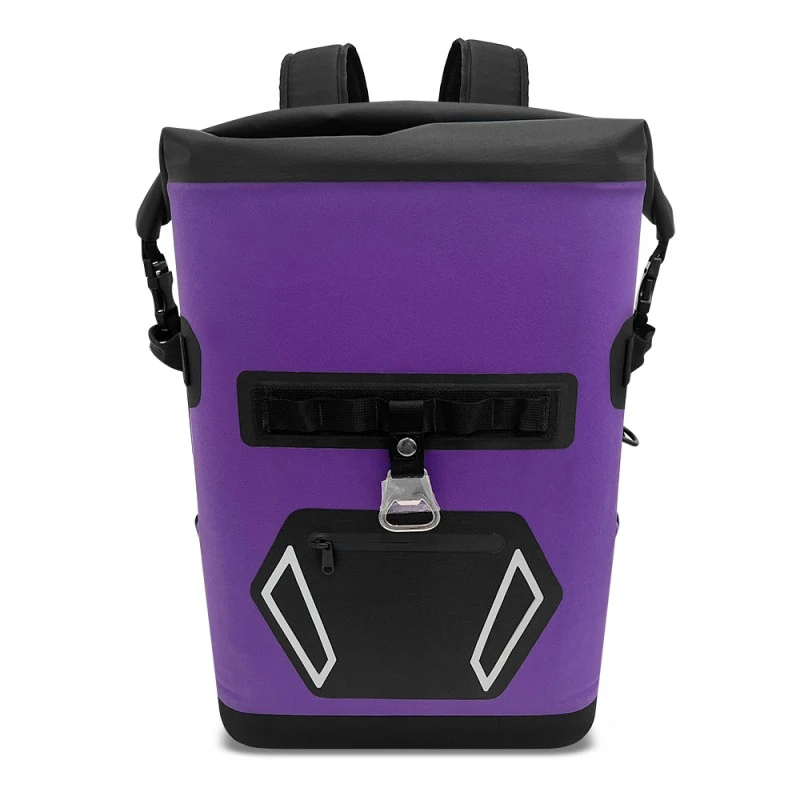
|
SL-I270 — 45L Roll-Top Backpack | 600D TPU, 3 cm EVA foam, welded roll-top, UTX buckles, up to 36 hr | View |
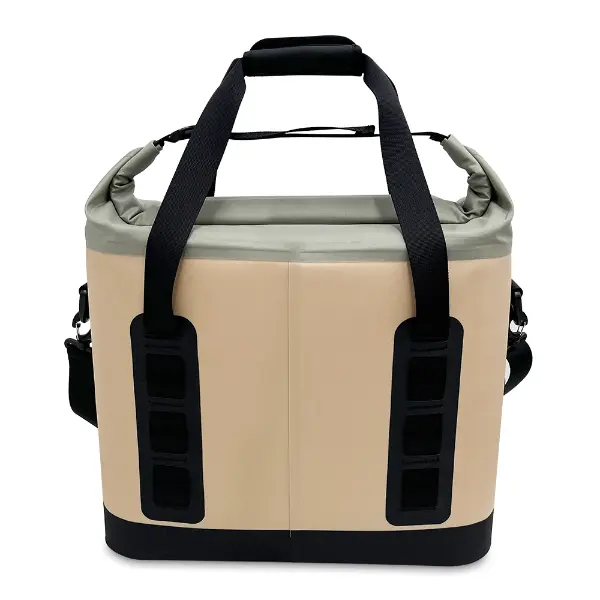
|
SL-I288 — 20L Roll-Top Tote | 840D TPU, welded roll-top, airtight zip pocket, MOLLE, up to 48 hr | View |
|
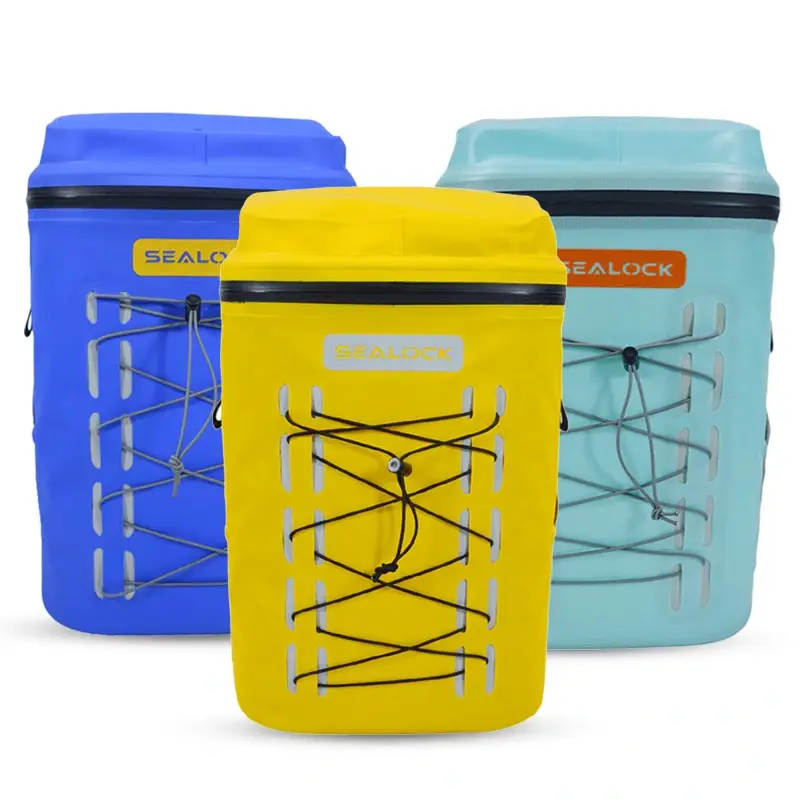
SL-I075A — 36-Can Value Backpack | 840D PVC tarpaulin, EPE foam, PEVA film liner, three stock colours | View |
Writing "SL-I274, but in navy, with our logo screen printed, 600 pcs" is a complete enough RFQ to quote accurately.
FAQ
Q: What is the minimum information you need to quote?
A: Capacity, cold-hold target, seal level, closure, quantity per colourway and your date. That is enough for an honest indicative quote. Everything else in the template tightens it. Or name one of our existing models and tell us what to change — that is the fastest route to an accurate number.
Q: What if I do not know some of the answers?
A: Write "please recommend" instead of leaving the field blank. That tells us to propose an option and flag it as our assumption, which is far better than a silent guess. We will explain the choice and what changing it would do to price.
Q: Should I tell you my target price?
A: If you have one, yes. It lets us propose the build that hits it — a different closure, insulation tier or shell — rather than quoting a specification you then have to cut back. Withholding it usually costs a round of revisions.
Q: How long does a quotation take?
A: Fast on a complete RFQ, because nothing needs to be asked back. Incomplete briefs take longer only because of the questions they generate. The template exists to remove those questions.
Q: Does sending an RFQ commit me to anything?
A: No. A request for quotation is not binding — a contractual obligation only arises when you issue a purchase order or sign a contract. There is no reason to hold back detail; the more you give, the more useful the quotation.
Q: Can I send the same RFQ to other factories?
A: Please do — it is the only way to compare quotes fairly. Quotes built from different interpretations of a vague brief are pricing different products. A fixed specification sent to every supplier makes the numbers genuinely comparable.
Sealock — YiFuLong Outdoor Gear Co., Ltd.
Welded and sewn cooler bags, manufactured in China and Vietnam since 2003.
Email: info@sealock.com.hk · Phone: +86-13632981825 · MOQ 300 pcs · samples 7–15 days
Send the completed template, a partial one, or just a photo and a quantity — we will work from whatever you have.
RFQ practices cited here reflect publicly available procurement sources as of mid-2026. Quotations are indicative until confirmed against an approved sample and a purchase order.