If you are reading this, something has already gone wrong — leaks in the field, a shipment that missed the season, quality that drifted after the first order, or a price rise you cannot pass on. This page is about how to move production safely, not about why you should move it to us.
Sealock (YiFuLong Outdoor Gear Co., Ltd.) · manufacturer since 2003 · China and Vietnam · MOQ 300 pcs · samples 7–15 days · we welcome trial orders and parallel running.
Start with one SKU: info@sealock.com.hk · +86-13632981825
The Reason Most Buyers Stay Too Long
The obstacle is rarely finding an alternative. It is the fear of swapping a known problem for an unknown one: the concern isn't finding another supplier. The concern is introducing new risk. Which produces a very common and very expensive outcome — many organizations continue working with suppliers that create frustration because the perceived risk of changing feels greater than the pain of staying.
That calculation is usually wrong, because the cost of staying is spread across line items nobody totals up: a missed retailer shipment has a cost. A stockout has a cost. Repeated internal escalations have a cost… Having senior employees spend significant time solving preventable manufacturing problems has a cost.
The corresponding discipline is to move before you are forced to: whenever possible, evaluate alternatives before the business reaches a crisis point — because in a crisis you may have less time to evaluate alternatives, less leverage in negotiations and less flexibility to build transition inventory. For a seasonal product like cooler bags, that window is specific and short.
Do Not Cut Over. Run Parallel.
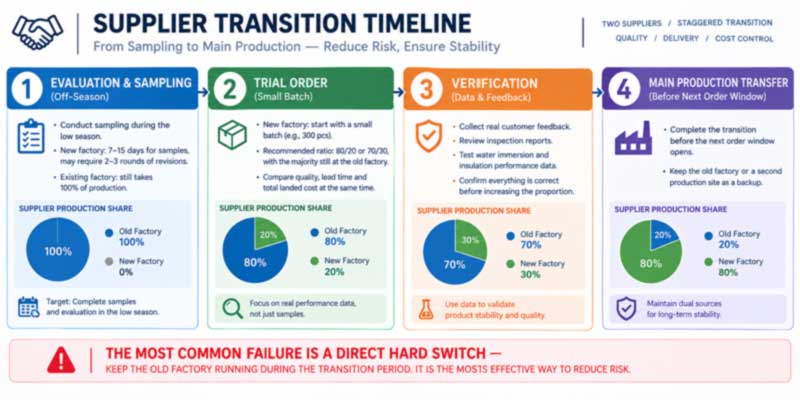
This is the single most important decision in the whole exercise, and it is where most failed transitions go wrong: cutting over too fast: the hard switch with no overlap is the most common cause of transition disruption. Maintain parallel supply until the new relationship is proven.
The practical shape of it: do not fire your incumbent factory immediately. Award the new supplier a test volume first. Implement an 80/20 or 70/30 production split. Keep the majority of your volume with the old factory. Adjust this ratio based on your available safety stock, minimum order quantities, and demand volatility. Put plainly — the single biggest risk-reducer in a supplier switch is keeping your current supplier active while the new one ramps up.
The trial order is the stage that earns its keep, especially across origins: the trial order stage is particularly valuable when moving from overseas supply, because it allows a direct, like-for-like comparison of quality, lead time, and total landed cost. Skipping it removes the one step that most reduces risk.
Want to run a trial before committing anything? Send us one SKU — your spec, or your existing bag as a reference — and we will sample it and quote it. Keep your current supplier running while you compare.
info@sealock.com.hk · +86-13632981825
Time It to the Off-Season
Cooler bags are seasonal, which makes transition timing less forgiving than in most categories. A switch attempted while you are trying to fill peak-season orders puts your season in the hands of an unproven line.
The sequence that works: qualify and sample the new supplier in your off-season, run a trial volume, evaluate it against real field feedback, then shift the main volume before the next ordering window opens. Build inventory cover first where you can — where practical, build finished-goods inventory before the transition and avoid stopping existing production until the new manufacturing process has been proven.
Work the calendar backwards, including the parts buyers forget: sampling and revisions, 30–45 days production, ocean freight and clearance, and any national-holiday shutdown in the middle. See lead time in detail.
What Actually Has to Transfer
Transitions stall on details that nobody owned. For a welded cooler bag, this is the list:
| Item | Why it matters |
|---|---|
| Full specification / tech pack | Dimensions with tolerances, shell denier and coating, foam type and wall thickness, liner material, closure type, hardware, harness. Without it the new factory is reverse-engineering from a sample. |
| The approved gold sample | The physical reference. If your incumbent holds the only one, request it back before you start the conversation. |
| Patterns | Ownership depends on your contract. If the incumbent developed them, you may be re-engineering — which is sampling work, not a disaster, but it affects the timeline. |
| Test protocols and results | Your cold-hold and leak test basis, so the new supplier reproduces the performance you advertise rather than inventing its own figure. |
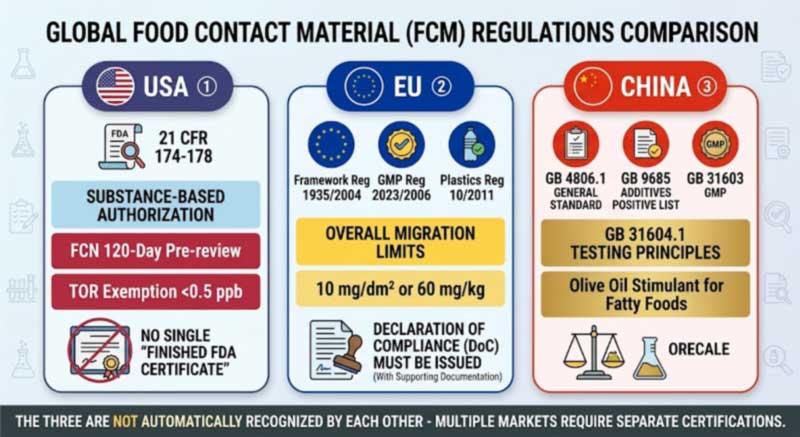
| Compliance documentation | Food-contact migration reports, CPSIA or GRS evidence — these attach to materials and testing, so they usually have to be redone for a new supply chain. |
| Branding and packaging artwork | Vector logo files, Pantone references, label artwork, barcode format, origin marking wording. |
| Defect classification | Your critical/major/minor definitions and AQL settings, so quality is judged against the same standard. |
Standardisation is what makes future moves easier too: standardised product specifications, packaging requirements, and quality criteria reduce switching friction and minimise disruption during supplier transitions. If this transition is painful because everything lived in your incumbent's head, fix that on the way out.
Protect Your Brand on the Way Out
This is the part that causes lasting damage when it is ignored, and it is specific to sourcing from any manufacturing country where trademarks are first-to-file.
Two risks. First, continuation: there is a risk that your old manufacturer continues to produce and sell your products, so you need leverage over them to prevent it, like a trademark. Second, and worse: some may also register your own trademark like a brand to "protect you" (or something so similar it is obviously about you) to "allow them to produce for you," but this is a con, and in China, it could allow them to legally own your brand if they registered first, making it hard for you to stop them producing "your" products.
Register your own trademark, in your own name, in the manufacturing country as well as your selling markets — and do it before a transition, not during one. If a supplier has ever offered to register it for you, check the register now.
What to Require of the Replacement
Do not run the new supplier through a lighter process than the one that failed you. What a buyer needs is more than promises. Proof that quality requirements can be met. For a cooler programme, proof means:
- Technical answers only a factory can give. Is high-frequency welding in-house, at what frequency, how are welds inspected during production, and how are load-bearing straps anchored without stitching through the sealed chamber?
- A sample you test yourself. Fill it with water and invert it; time its ice; carry it loaded; inspect the welds. See what to test on a sample.
- Test evidence, not claims. Immersion test records for sealed builds; cold-hold measured with instrumentation rather than estimated.
- Verifiable certification. Platform access for BSCI and SMETA, GRS licence checkable in the issuing database, certificate addresses matching the actual production site. See what each certification proves.
- A factory audit or live walkthrough. Direct it yourself. See audit checklist.
- Agreed defect definitions before production, and a balance payment tied to a passed pre-shipment inspection.
Common Reasons Cooler Programmes Move
| Problem | Usually caused by | What to specify instead |
|---|---|---|
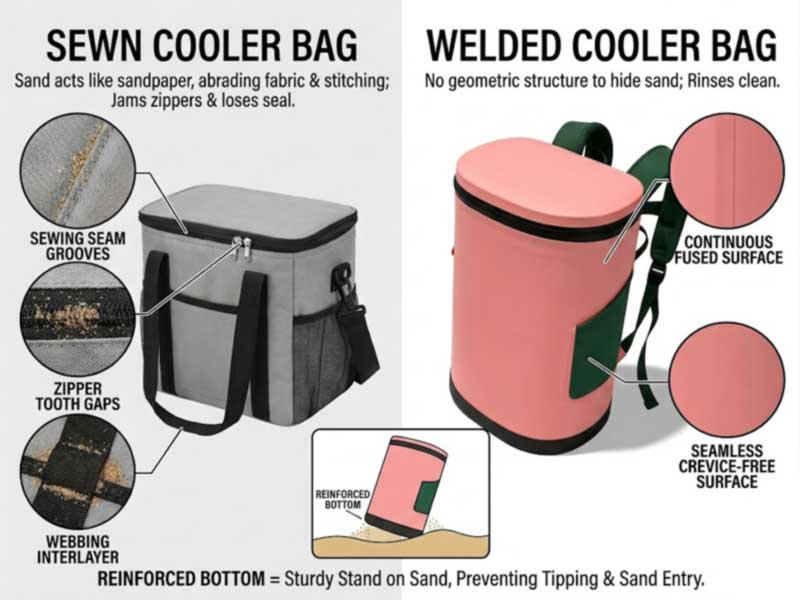
| Leaks in the field | Stitched seams or a stitched liner; a standard zipper called waterproof; stitching through the sealed chamber | HF-welded body and liner, airtight zipper or welded roll-top, welded strap anchoring, immersion testing |
| Cold-hold complaints | Foam thinner than specified — invisible in a finished bag | Stated foam type and thickness verified at incoming inspection; cold-hold measured, not estimated |
| Quality fade after order one | No retained gold sample; no AQL standard; no outgoing inspection | Signed gold sample as the OQC reference, agreed defect classification, third-party inspection welcomed |
| Missed seasons | Optimistic scheduling; no allowance for holidays, materials or revisions | Backwards planning from the on-shelf date, with the constraints stated honestly |
| Strap and hardware failures | No reinforcement at load points; corroding hardware | Bar-tacked anchoring into reinforcement layers; polymer or 316 stainless hardware |
| Tariff exposure | Single-origin supplier | Same specification producible in China or Vietnam |
Why Dual Origin Reduces the Next Transition
If the move is being driven by tariffs or policy rather than quality, note that changing country does not have to mean changing supplier. We build the same specification at Dongguan and at Ho Chi Minh City, with real manufacturing at both — cutting, insulated wall lamination, high-frequency welding, sewing, assembly and QC. A specification approved once can be produced at either site, which means the next policy shift is a production decision rather than a requalification project. See origin and US import considerations.
Keeping a qualified second source afterwards is worth considering in its own right: consider keeping a qualified backup supplier even after the switch is complete.
What We Build
| Image | Model | Build | Link |
|---|---|---|---|
|
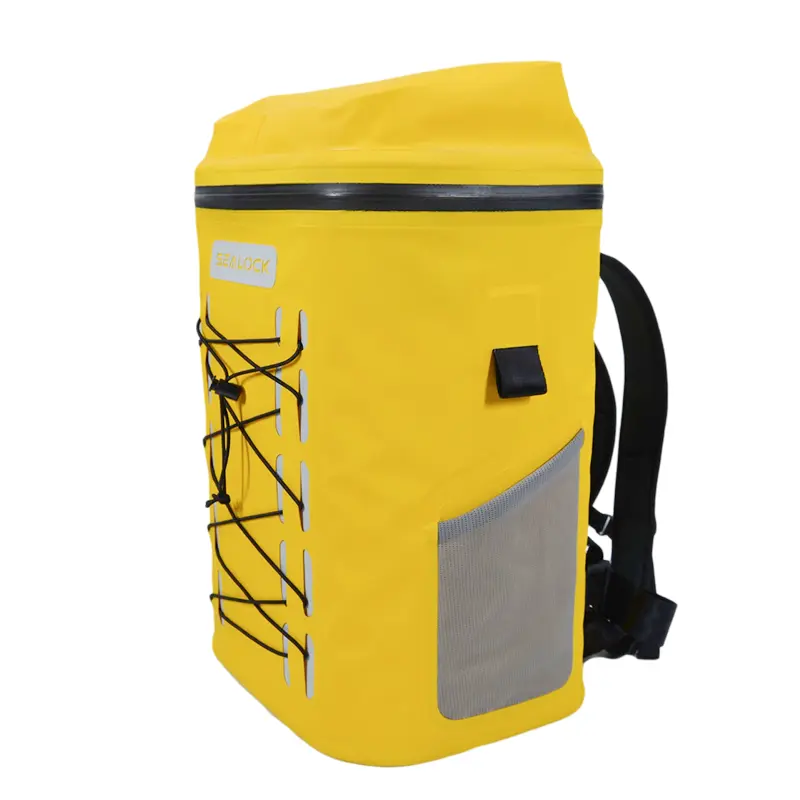
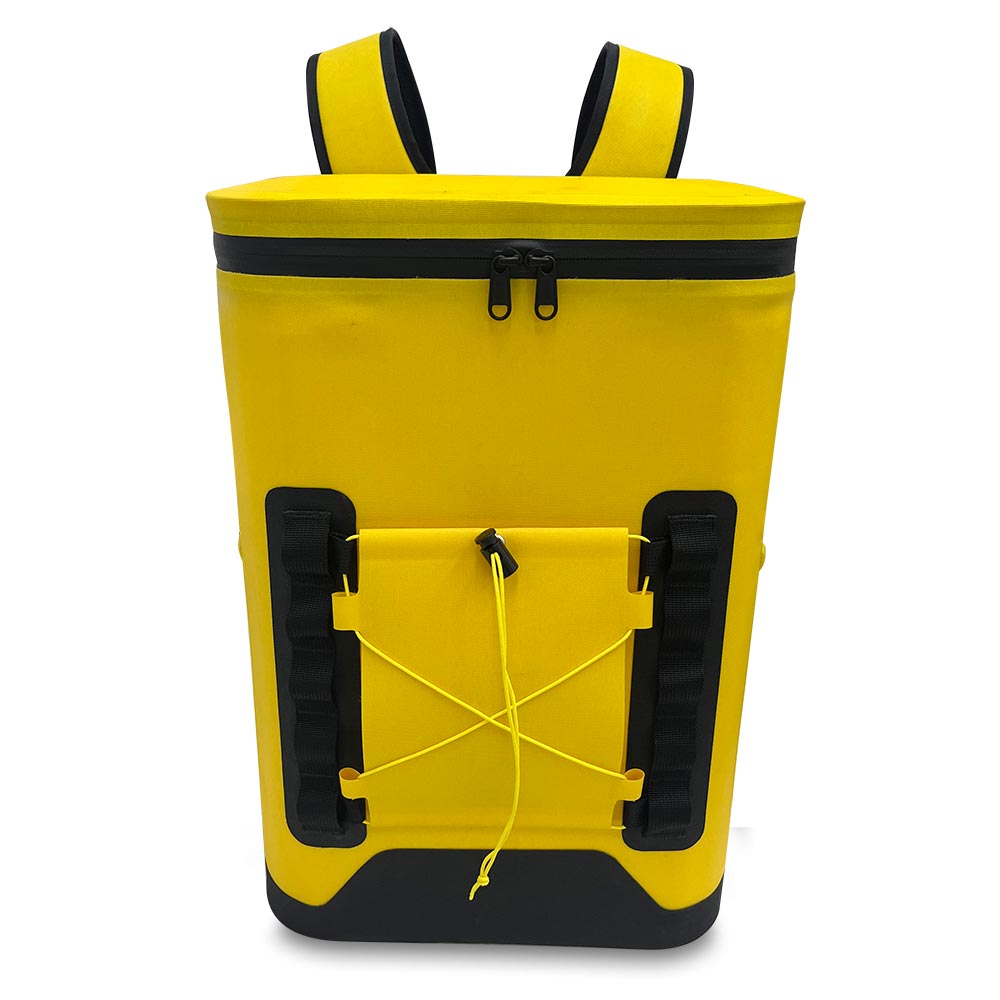
28L Airtight-Zipper Cooler Backpack (SL-I274) | 840D TPU, 3 cm EVA core, food-grade TPU membrane, airtight welded zipper, up to 48 hr | View |
|
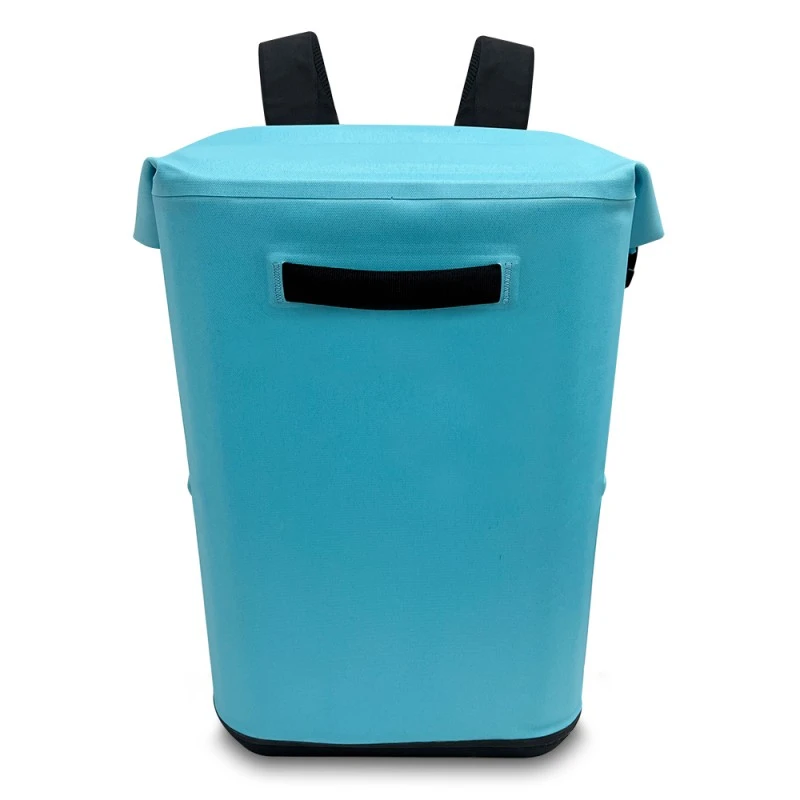
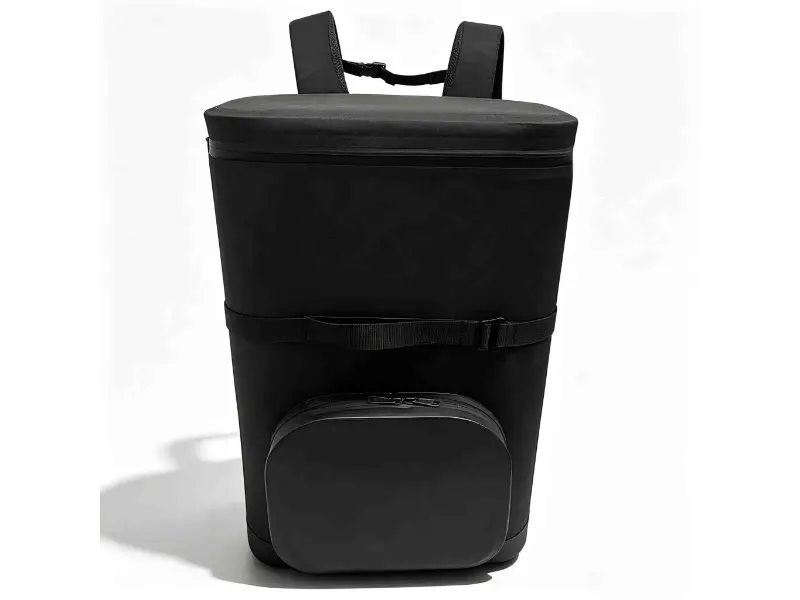
22L IPX7 Cooler Backpack (SL-I280) | Welded seamless, IPX7 immersion-rated, 50 mm high-density XPE, 48 hr+, full harness | View |
|
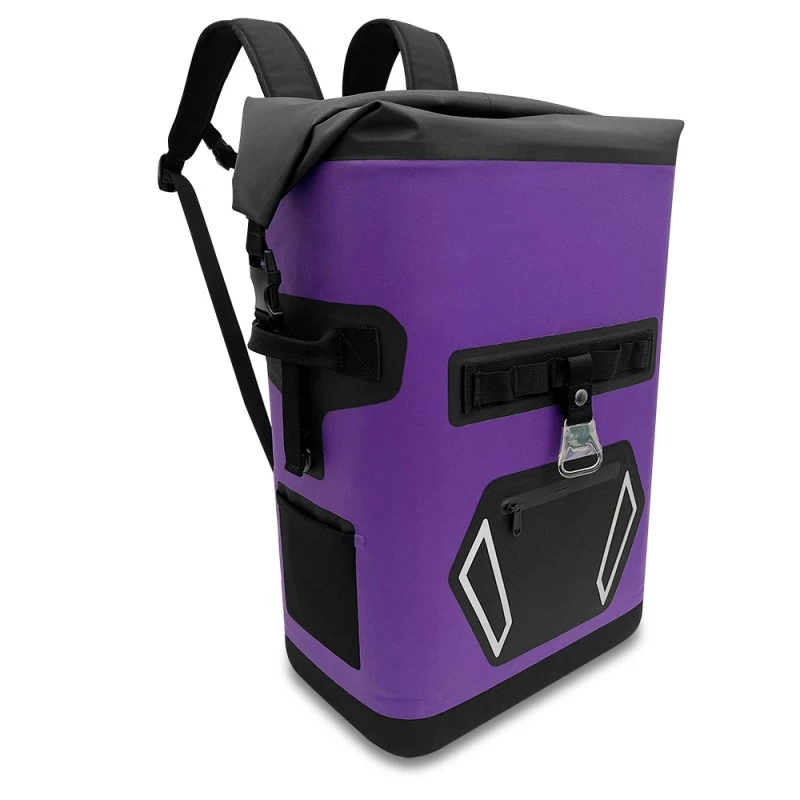
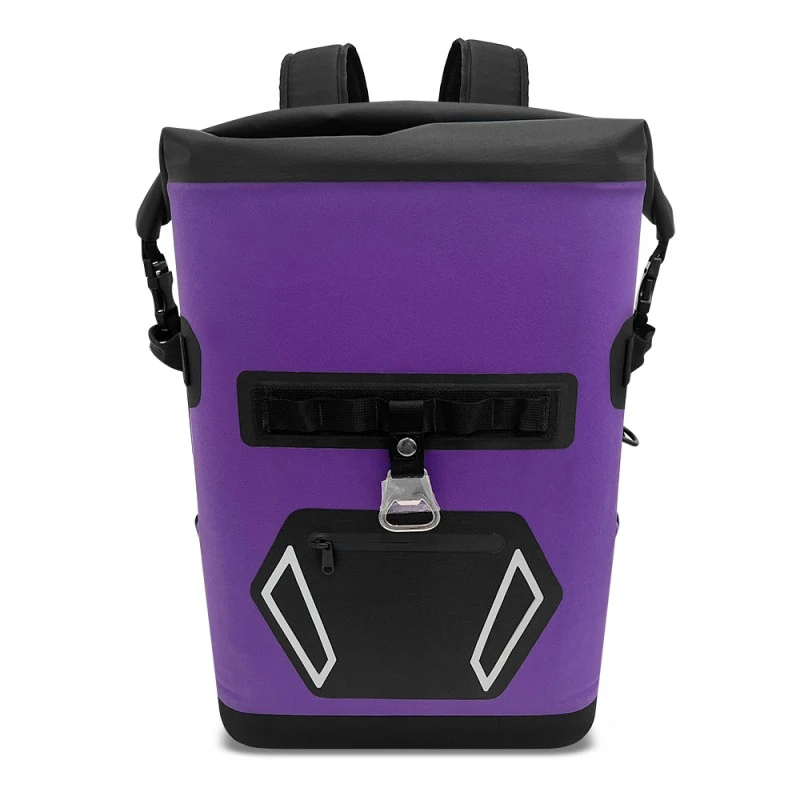
45L Roll-Top Cooler Backpack (SL-I270) | 45L, welded roll-top, 600D TPU, food-grade TPU liner, UTX buckles, up to 36 hr | View |
|
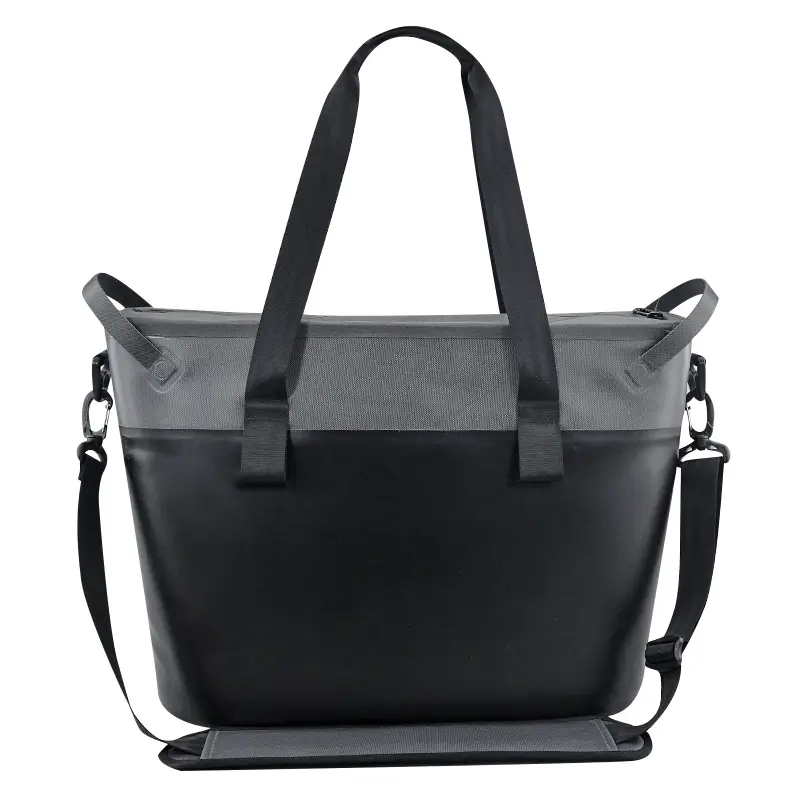
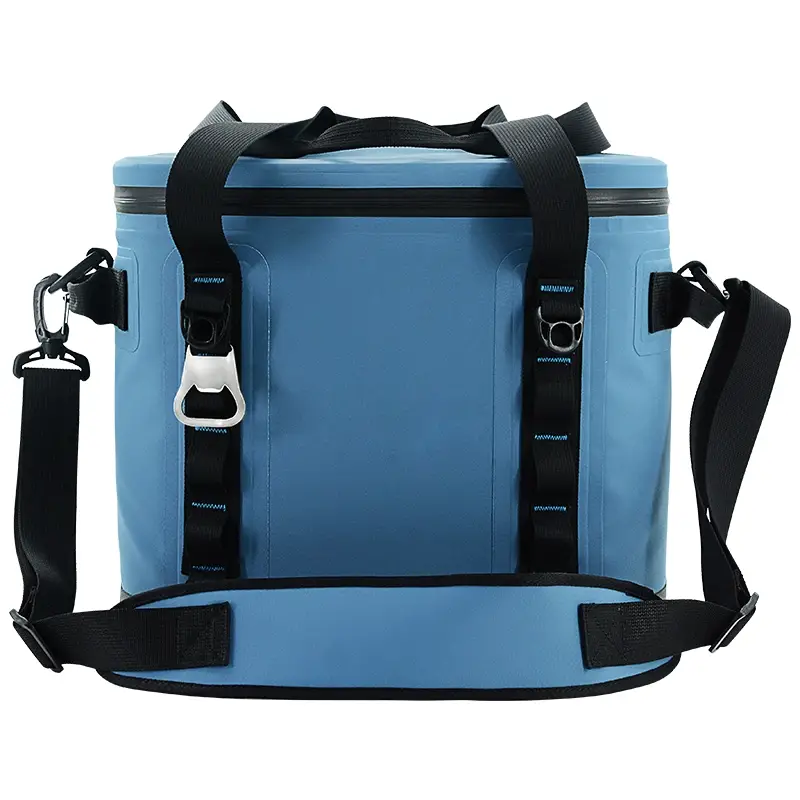
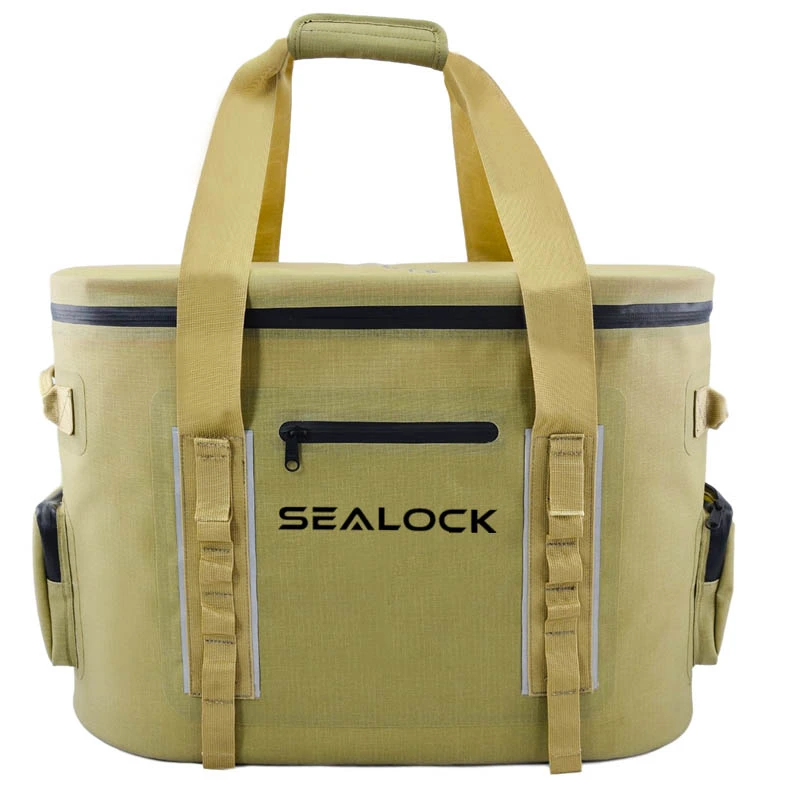
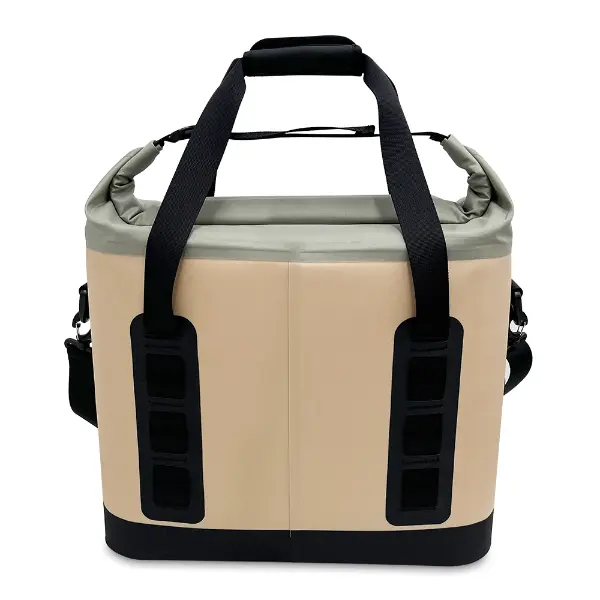
Roll-Top Leakproof Soft Cooler (SL-I288) | 20L tote/shoulder, 840D TPU, welded roll-top, airtight zip pocket, MOLLE, up to 48 hr | View |
|
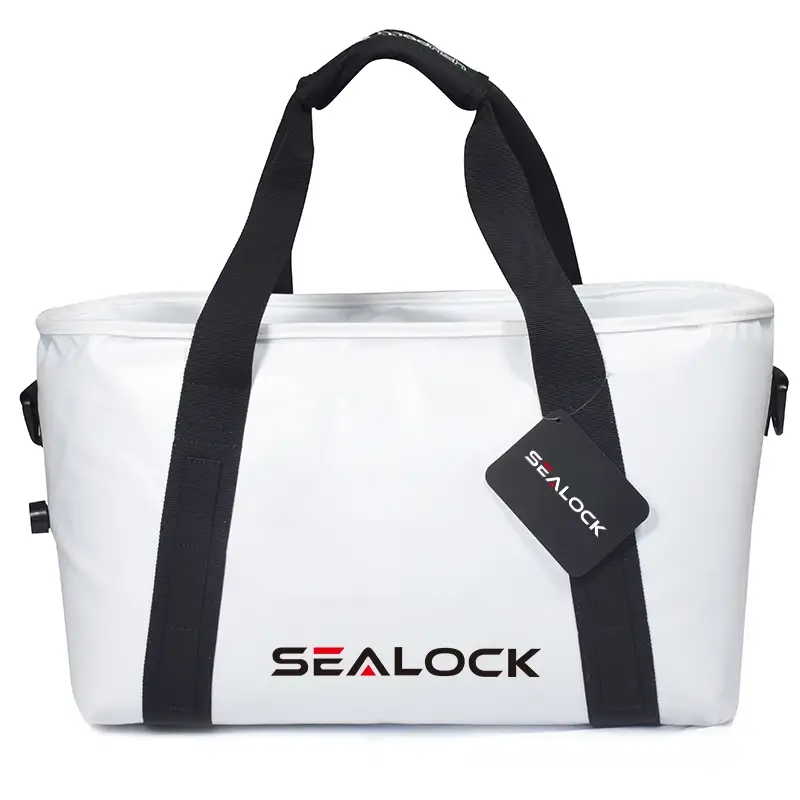
Insulated Fish Kill Bag (SL-C377) | 50 × 30 × 30 cm, PVC mesh fabric, insulated, adjustable strap | View |
Our customers include international brands such as Stanley, YETI, Hydro Flask, Osprey, Musto and Simms. The same lines and quality systems run a 300-piece trial.
FAQ
Q: Should I move all my production at once?
A: No. A hard switch with no overlap is the most common cause of transition disruption. Award a test volume first, run an 80/20 or 70/30 split keeping the majority with your incumbent, and only shift the balance once the new line is proven. Keeping your current supplier active while the new one ramps is the single biggest risk-reducer available to you.
Q: When is the right time to switch a cooler programme?
A: In your off-season, and before a crisis. Qualify and sample the new supplier while nothing is at stake, run a trial, evaluate against real field feedback, then shift the main volume before the next ordering window opens. Evaluating alternatives under pressure means less time, less negotiating leverage and no room to build transition inventory.
Q: What do I need to hand over to a new factory?
A: A full specification with tolerances, the approved gold sample, patterns if you own them, your test protocols, compliance documentation, branding and packaging artwork, and your defect classification with AQL settings. If your incumbent holds the only gold sample, request it back before you begin. Anything that lived only in their heads should be documented on the way out.
Q: Can my old supplier keep selling my product?
A: It is a real risk, and a trademark is your leverage. Register it in your own name in the manufacturing country as well as your selling markets. Be especially wary if a supplier has ever offered to register your brand "for you" — in a first-to-file jurisdiction that can leave them legally owning it. Check the register now rather than after you have given notice.
Q: How small can a trial order be?
A: Ours is 300 pieces per design, per size and colourway. That is deliberately small enough to be a genuine trial — one SKU, run in parallel, tested against your existing supply — rather than a commitment you have to justify before you have any evidence.
Q: We are only moving because of tariffs. Do we have to change supplier at all?
A: Not necessarily. We produce the same specification in China and in Vietnam, with genuine manufacturing at both sites, so origin can be a production decision rather than a requalification project. If that is your driver, tell us and we will quote both.
Sealock — YiFuLong Outdoor Gear Co., Ltd.
Send one SKU and your existing bag as a reference. We will sample it, quote it, and let you compare against your current supplier before you move anything else.
Email: info@sealock.com.hk · Phone: +86-13632981825 · MOQ 300 pcs · samples 7–15 days
Transition practices cited here reflect publicly available sourcing-industry sources as of mid-2026 and should be adapted to your category, contracts and risk position. Nothing here is legal advice — review supply agreements, tooling ownership and intellectual property with a qualified adviser before giving notice to an existing supplier.