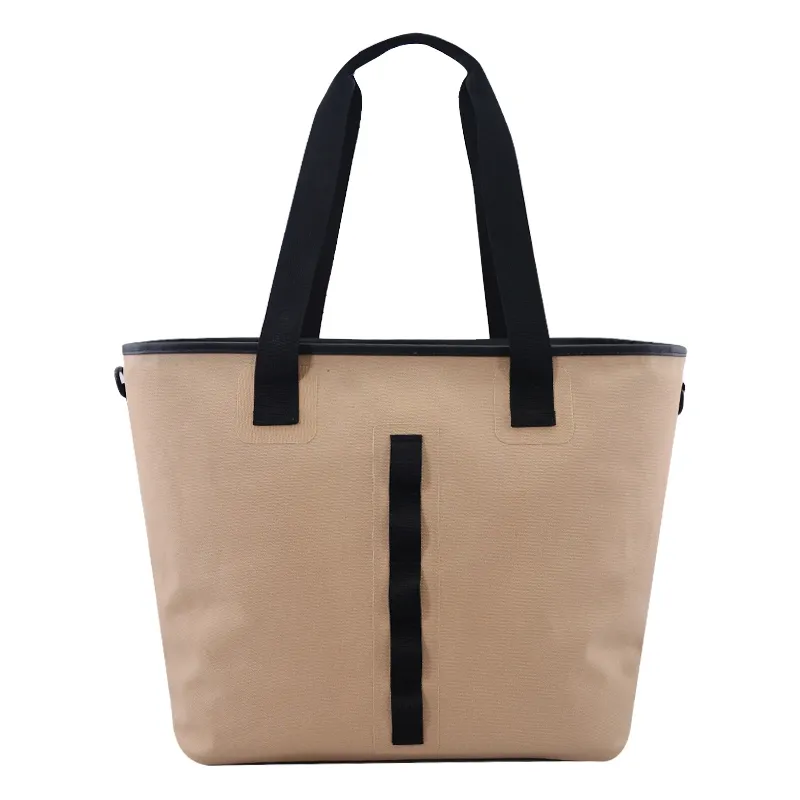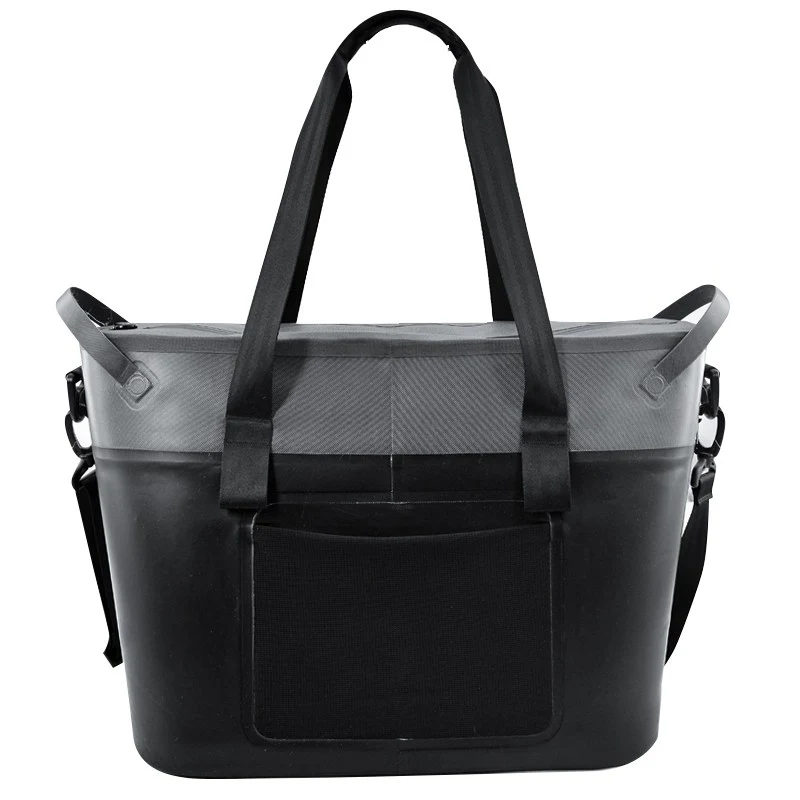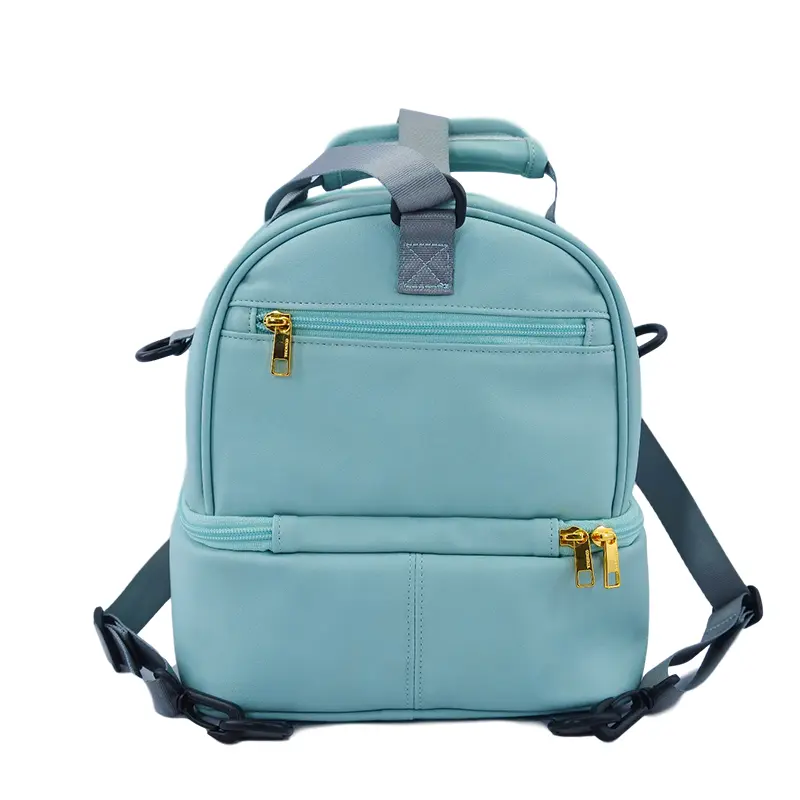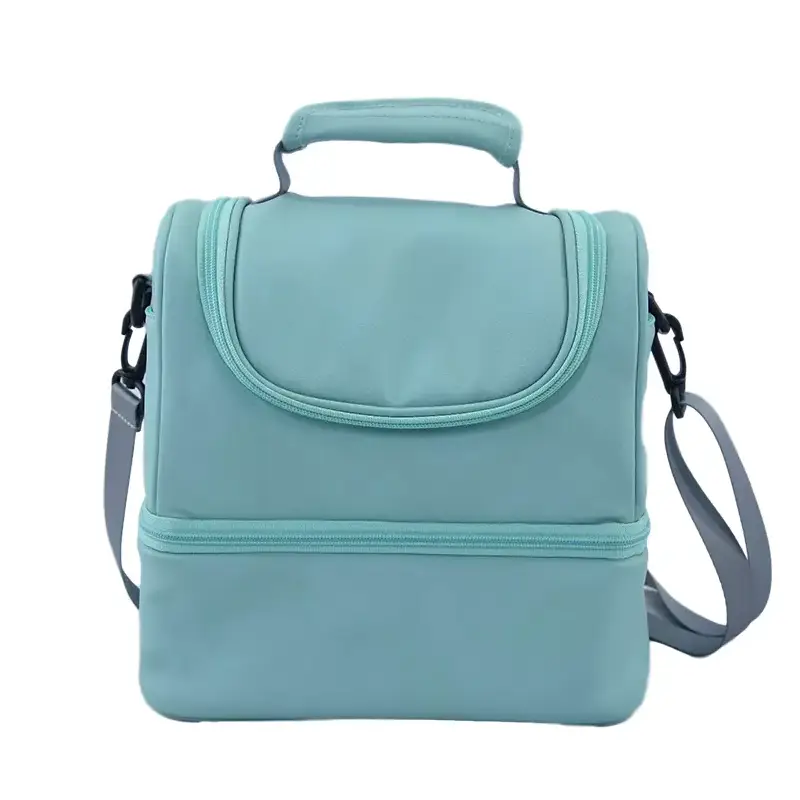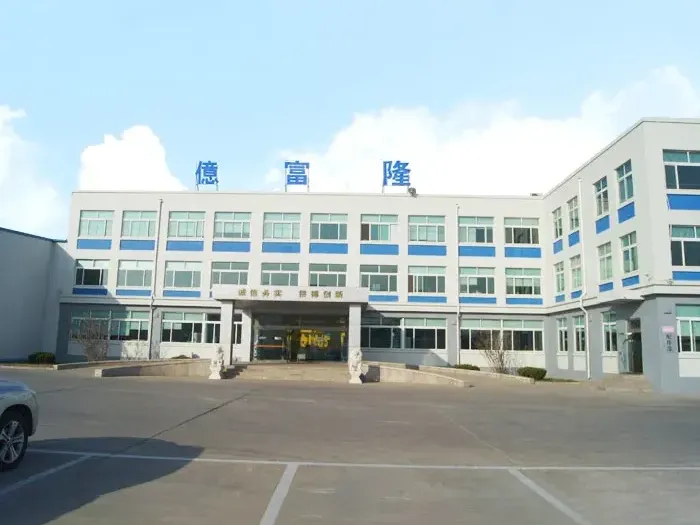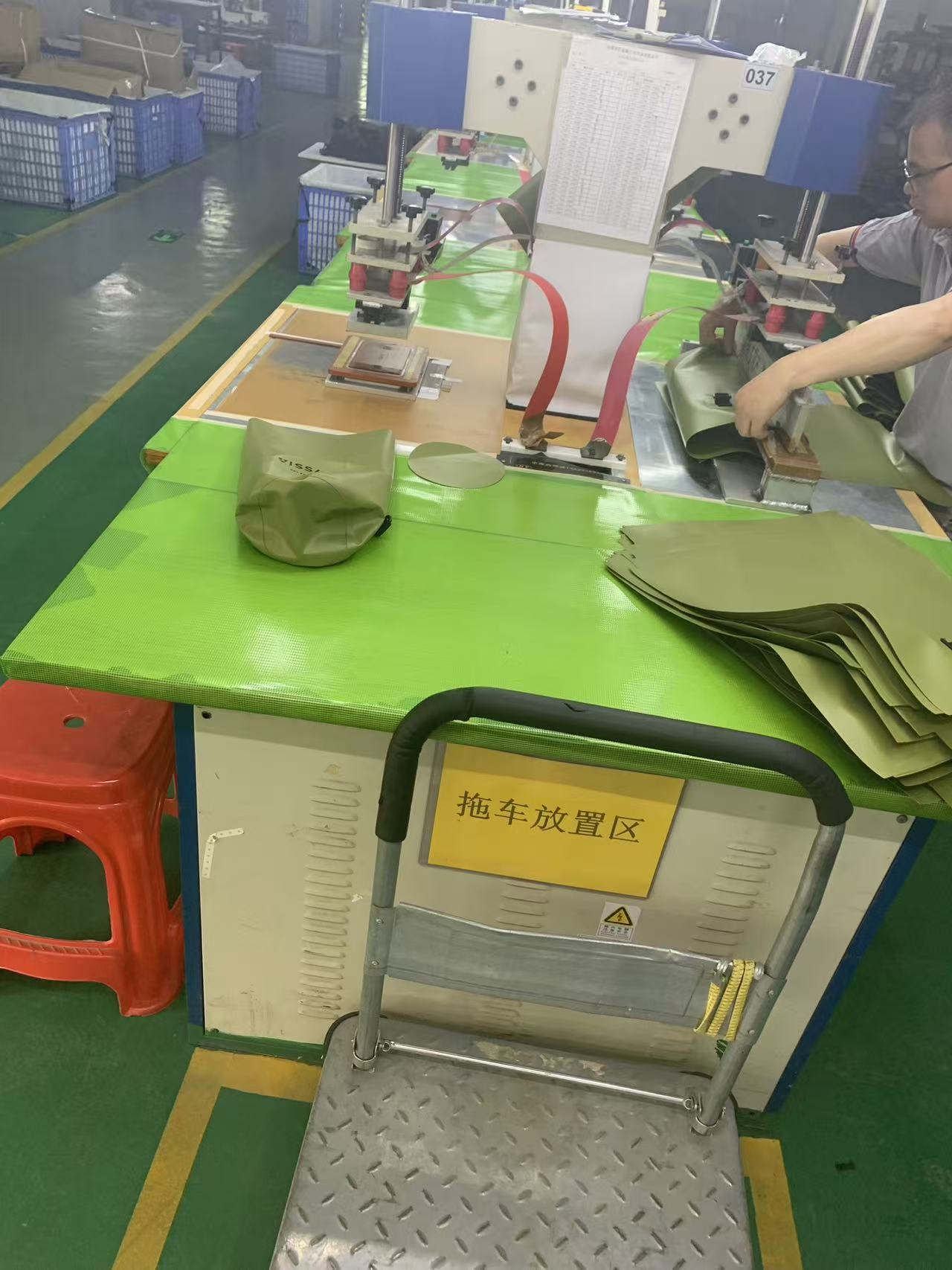
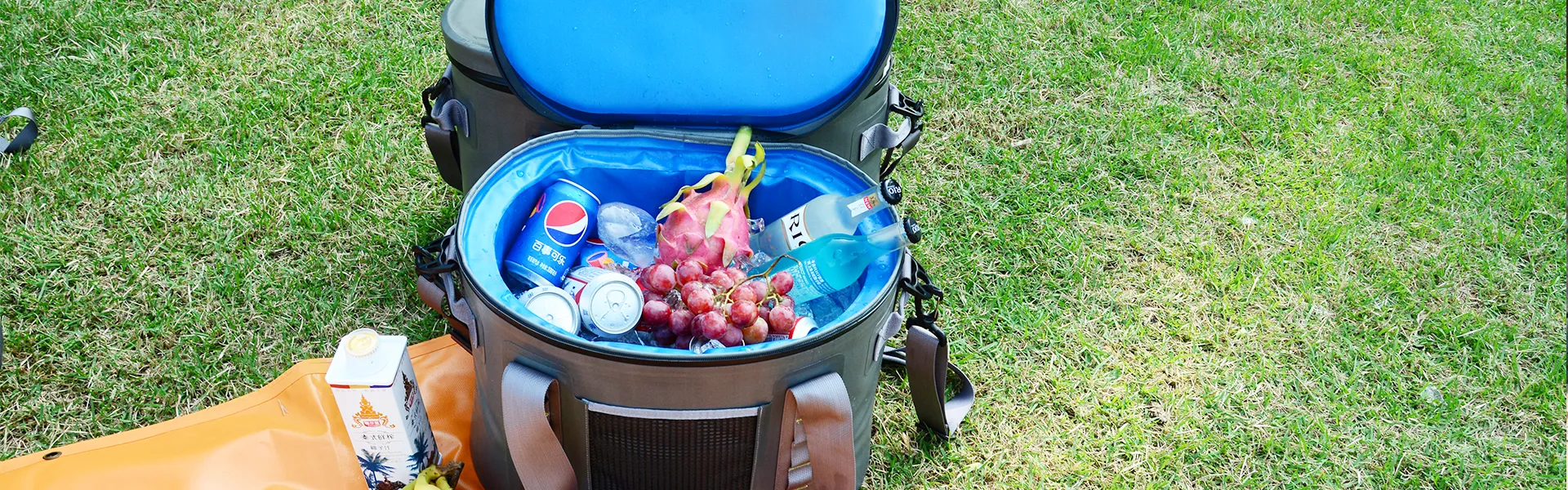
Sealock (YiFuLong Outdoor Gear Co., Ltd.) manufactures insulated and waterproof cooler bags for Canadian importers — with bilingual labelling, permanent origin marking and CA-number dealer identity applied at the factory, before the container is sealed.
Factory since 2003 · China and Vietnam · three high-frequency welding factories plus in-house sewing lines · MOQ 300 pcs · samples 7–15 days · production 30–45 days.
Send your labelling requirements with your spec: info@sealock.com.hk · +86-13632981825
Canada Is Not a US Shipment With a Different Address
This is the single most expensive assumption Canadian importers inherit from their suppliers. A US-compliant cooler bag is not Canada-compliant, and the gap is not subtle: a monolingual US label is one of the most common — and entirely avoidable — reasons for a customs nightmare.
The consequence is blunt:goods cannot be released from Canada Customs until they are suitably marked. Relabelling a container of cooler bags after it lands costs more than doing it right at source, and it happens after your season has already started.
Everything below can be applied in our factory. None of it is difficult — it just has to be specified before production rather than discovered at the border.
Bilingual Labelling Is Law, Not Courtesy
Under the Consumer Packaging and Labelling Act, all mandatory information must appear in both English and French. This isn't a suggestion; it's a non-negotiable rule. Two declarations in particular:
- Product identity declaration — describes a product's common or generic name, or its function, and must be in both English and French.
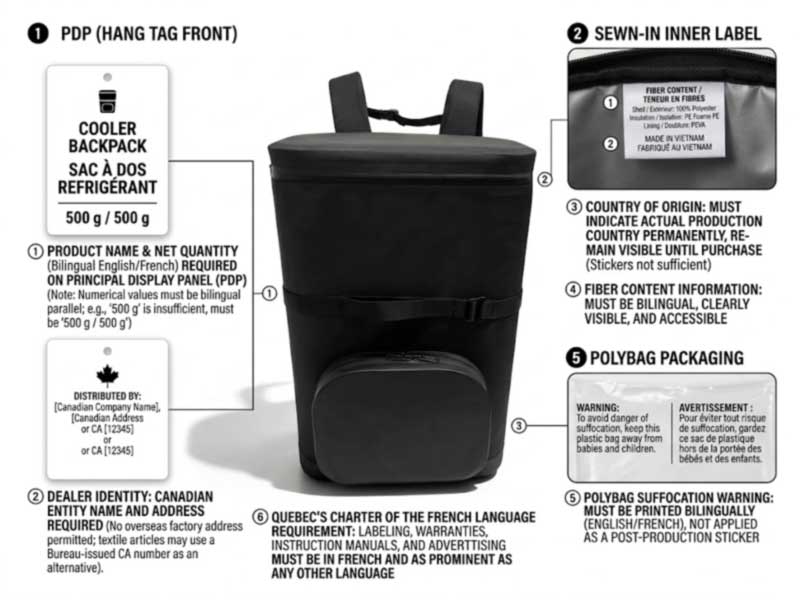
- Net quantity declaration — expressed in metric units, and shown bilingually. A common failure is assuming a number needs no translation: simply putting "500 g" is incomplete and will get your shipment flagged — the repetition might look odd, but it's a firm requirement.
Placement matters too: all mandatory bilingual text has to be on the Principal Display Panel — so this is an artwork decision made before the print run, not a sticker applied later.
The dealer identity trap
This one catches almost every first-time importer, and it is worth reading twice: the label must show the name and address of the Canadian manufacturer, importer, or retailer. You cannot list your overseas factory's address. The label must point to a Canadian entity that can be held accountable.
For textile articles there is a simpler route worth knowing: the dealer identity may be disclosed by identifying the name and full postal address under which the dealer normally carries out his business, or, for a dealer in Canada, an identification number obtained by applying to the Competition Bureau. That is the CA number you see on Canadian-market apparel and bags — if you hold one, send it to us and we print it. If you do not, apply for one before your artwork is finalised.
Origin Marking: Permanent, and Visible at Purchase
Marking rules sit under CBSA Memorandum D11-3-1: certain goods when imported into Canada are required to be marked to indicate clearly the country in which the goods were made. Two details decide whether your marking passes:
- It is where the product was made, not where it shipped from. If you import textiles that were produced in Thailand, the marking should say Thailand. If we produce your programme in Vietnam, it says Vietnam; if in China, it says China. We will tell you which site produced which run.
- It must survive to the point of sale. The manner of marking must be sufficiently permanent and it must be present even at the point of ultimate purchase — so a sticker that peels in transit is not marking. We apply woven or printed labels built into the product.
Textile Content Labelling
A cooler bag is a consumer textile article, and content disclosure has its own bilingual requirement: except in areas where only one official language is used in consumer transactions, the required fibre content information and information directly relating to the fibre content must be bilingual. The label also has to be usable by the shopper — applied in such a manner that the label is legible and accessible to the prospective consumer at the time of purchase.
We produce the content, care, origin and dealer-identity labelling as a single sewn-in or welded-on label set to your artwork, so it is one component rather than four afterthoughts.
The Poly Bag Detail Most Suppliers Miss
Cooler bags ship in poly bags, and Canada prescribes bilingual wording for the suffocation warning — the standard English text paired with its French counterpart beginning "Les sacs de plastique peuvent être dangereux…" — as set out in Canadian labelling guidance. A US-market poly bag carrying only the English warning does not meet it.
This is a printing decision, not a packing decision: the warning has to be on the bag before it reaches the packing line. Tell us at quotation stage and it is printed in; discover it later and you are re-bagging a container.
Want your Canadian labelling handled at source? Send us your CA number or Canadian dealer details, your bilingual artwork or the text to be translated, and your product spec. We will confirm what we can apply and quote it together.
info@sealock.com.hk · +86-13632981825
What Canadian Conditions Ask of the Product
Canada's cooler season is short and intense, and the use cases skew outdoors: lake cottages, canoe and kayak trips, ice fishing, camping, tailgating. That pushes the specification toward the technical end.
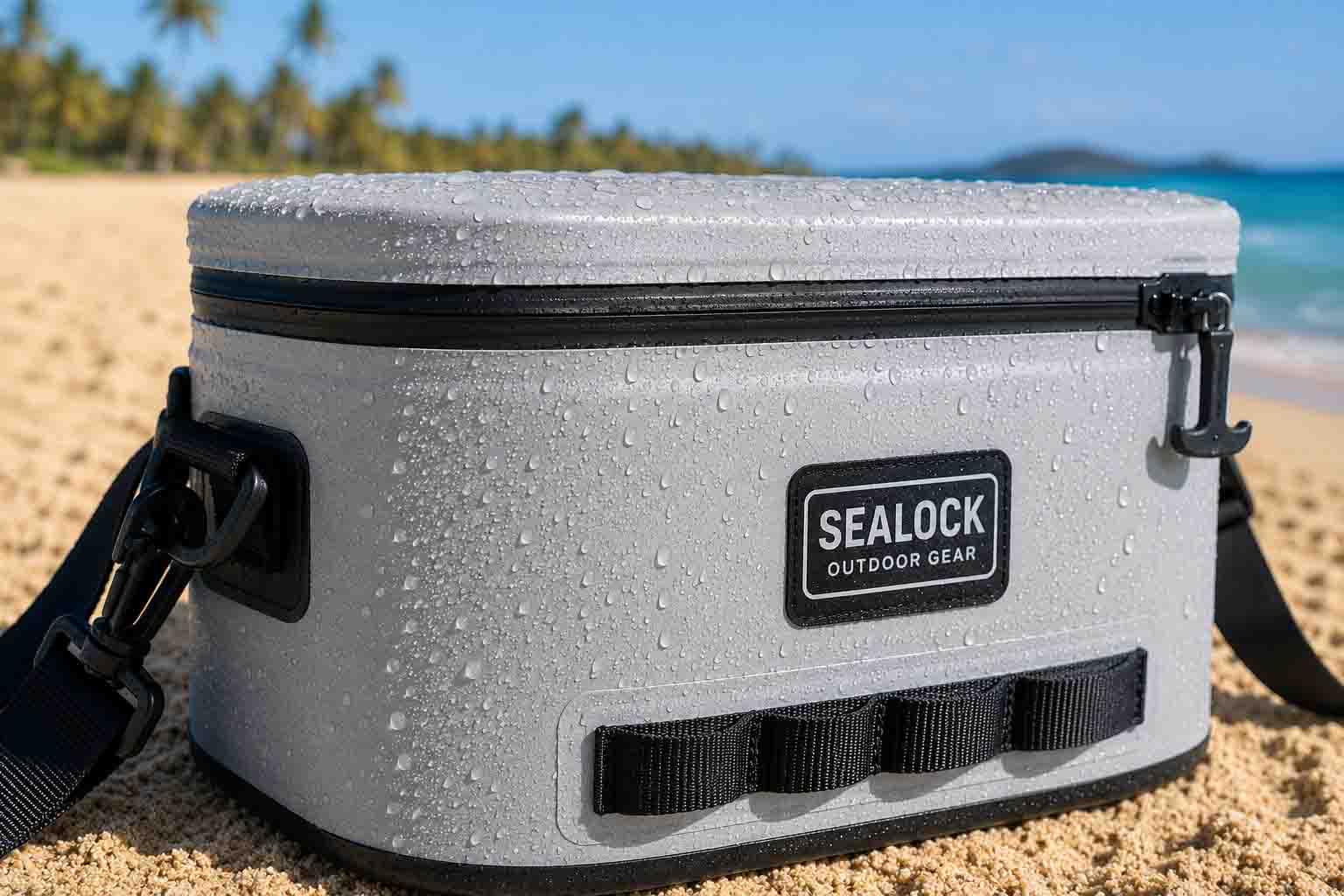
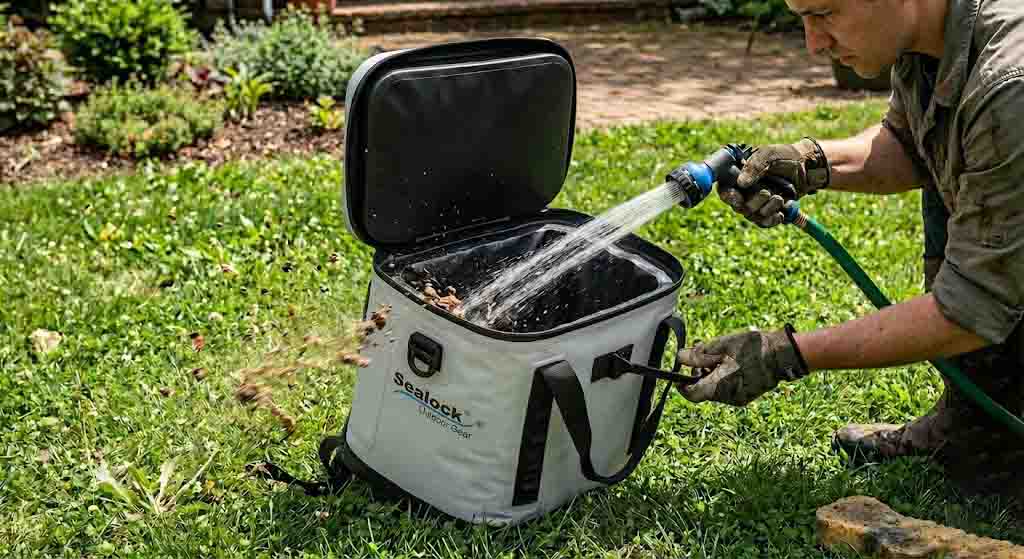
- Genuine leakproofing. Melt-water in a vehicle after a long drive back from a lake is the classic complaint. Welded body, welded food-grade liner, closure that seals when the bag is tipped.
- Immersion rating for water use. IPX7 or IPX8 if the bag may go in — canoe, kayak, small boat. See paddling builds.
- Cold-weather flexibility. TPU stays pliable in cold where PVC stiffens and can crack at fold lines — a real consideration in a market with a long cold season and shoulder-season use. See TPU vs PVC.
- Carry comfort over distance. Portages and trail access mean harness quality matters; above roughly 7 kg loaded, a waist belt stops being optional.
What We Build
| Image | Model | Why it suits the market | Link |
|---|---|---|---|
|
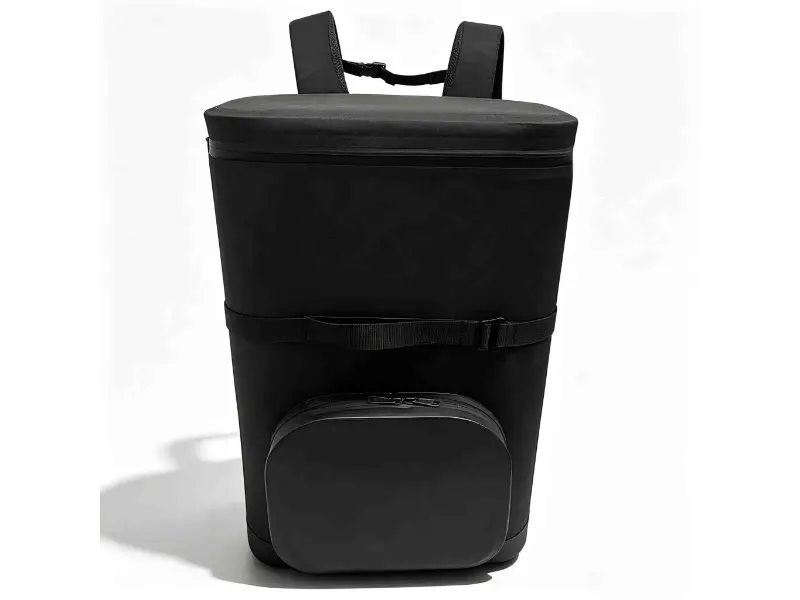
22L IPX7 Cooler Backpack (SL-I280) | IPX7 immersion-rated for canoe and kayak use, 50 mm high-density XPE, welded seamless, full sternum and waist harness, 48 hr+ | View |
|
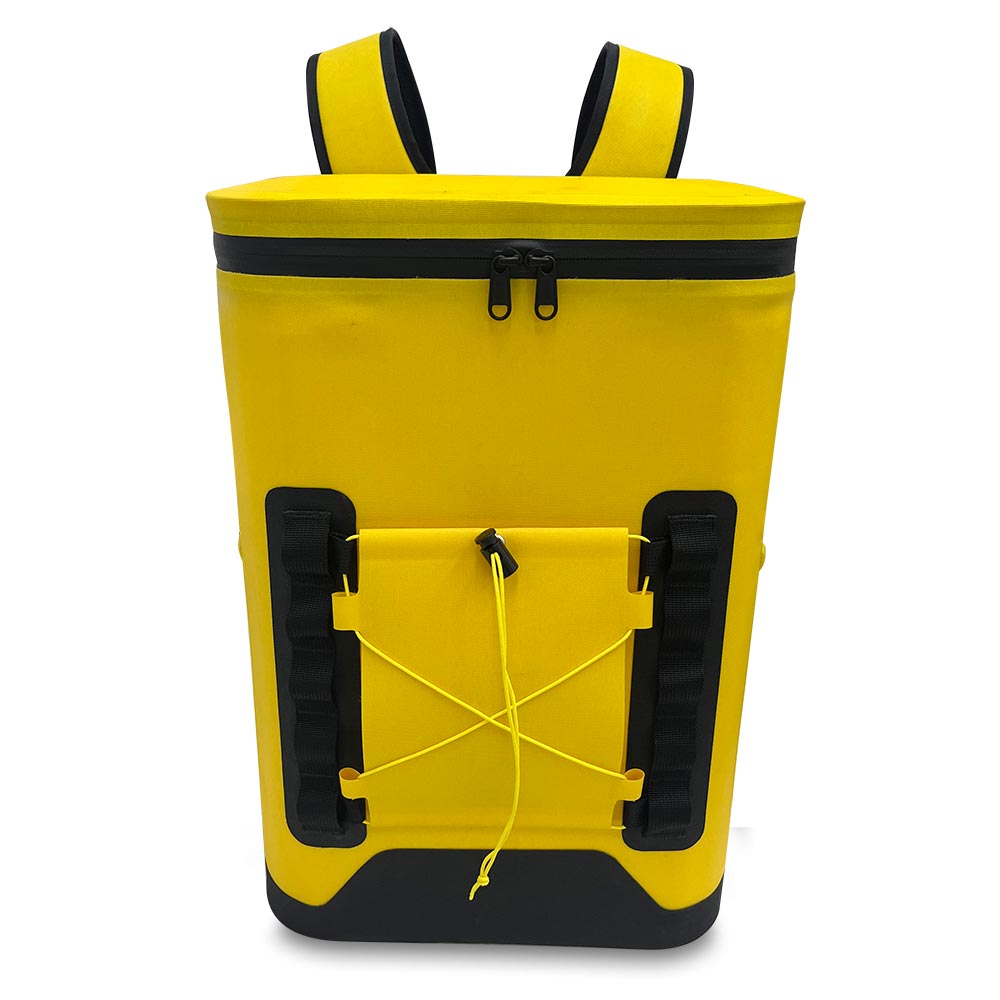
28L Airtight-Zipper Cooler Backpack (SL-I274) | 840D TPU stays flexible in cold, airtight welded zipper, food-grade TPU membrane, up to 48 hr | View |
|
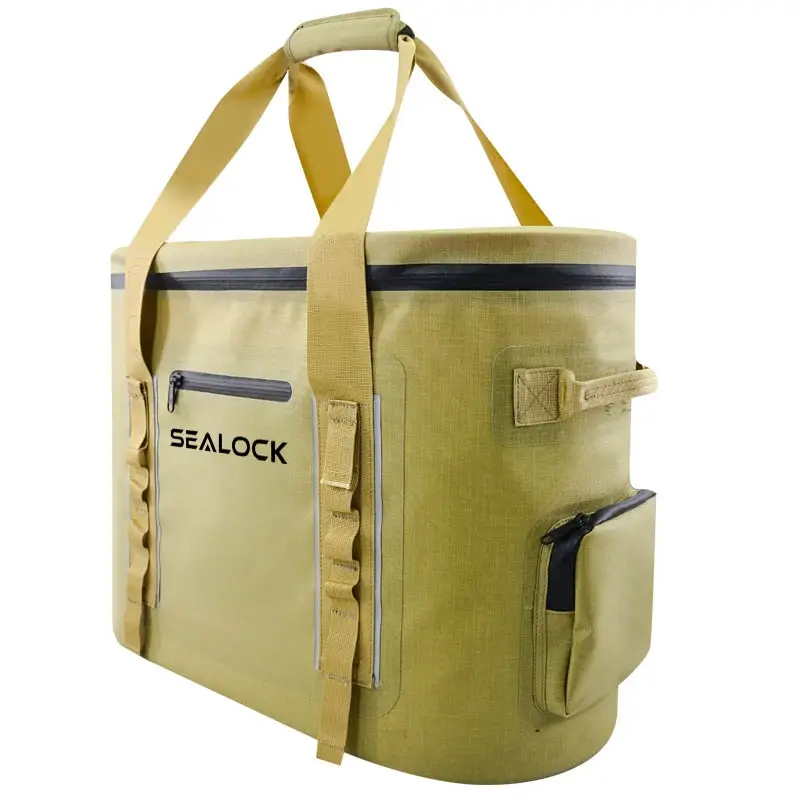
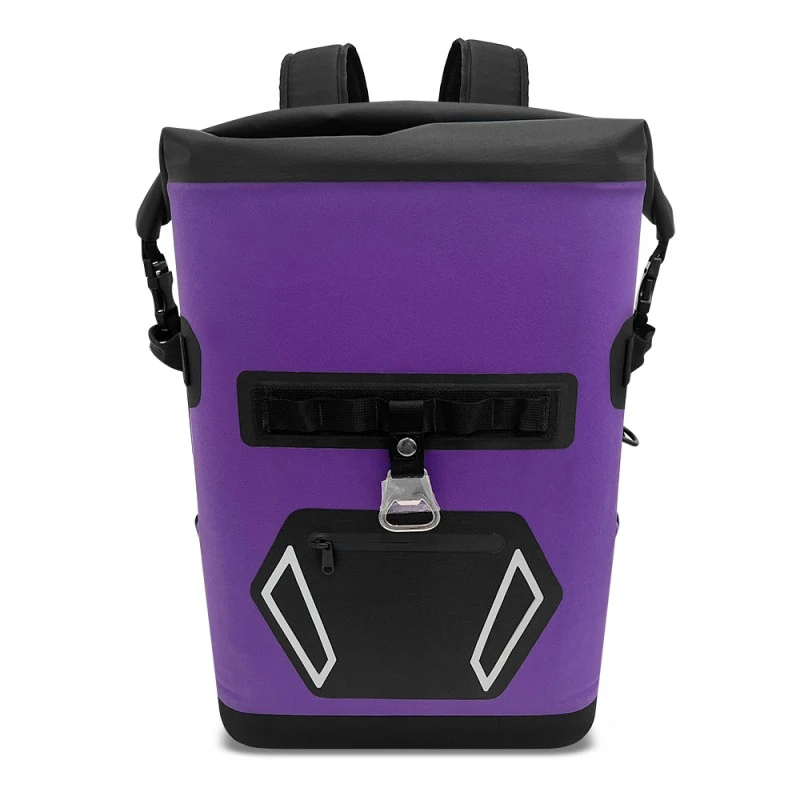
45L Roll-Top Cooler Backpack (SL-I270) | 45L for cottage and base-camp loads; welded roll-top with no zipper channel; reflective trim | View |
|
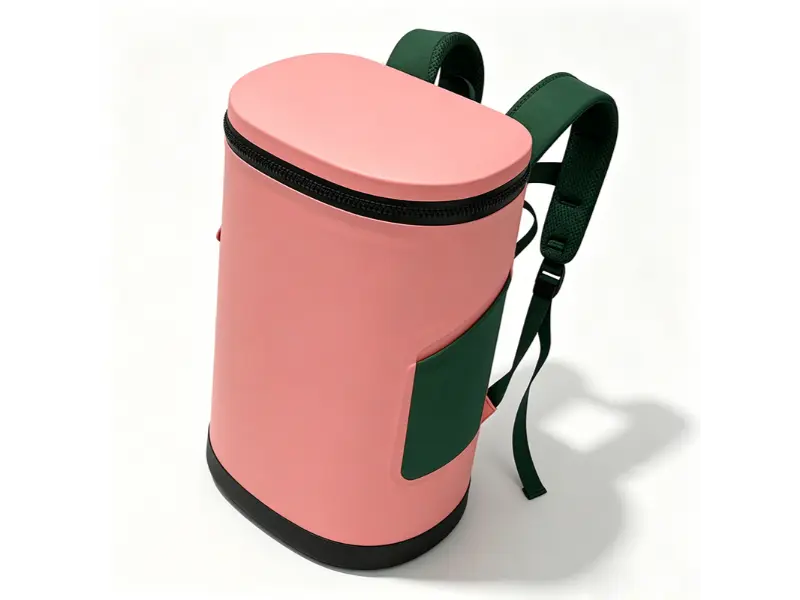
Barrel Cooler Backpack (SL-I309) | ~18L, 1.3 kg, sternum and waist straps — light enough for portages and trail access | View |
|
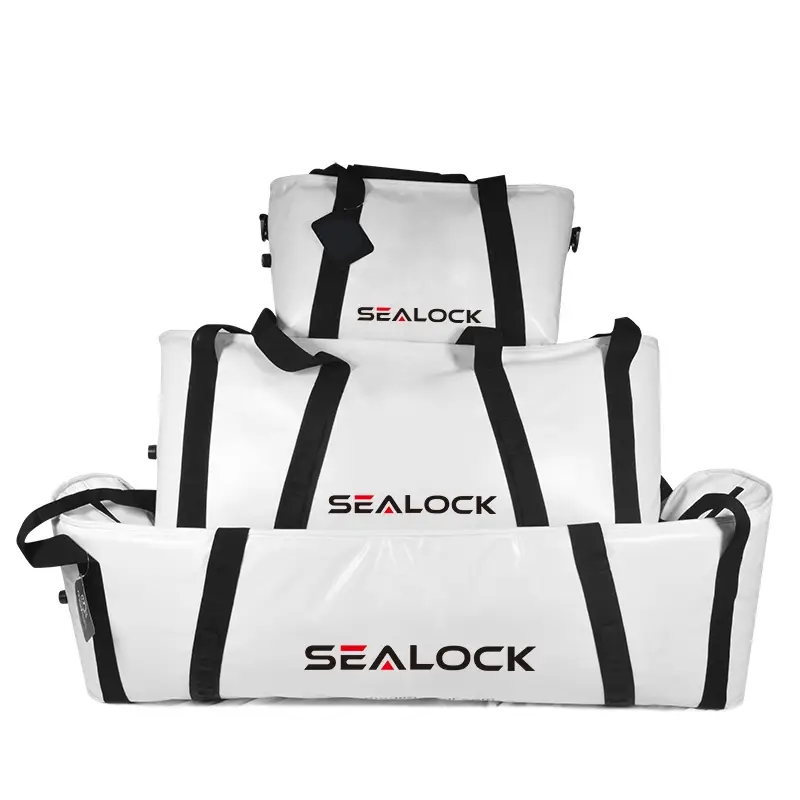
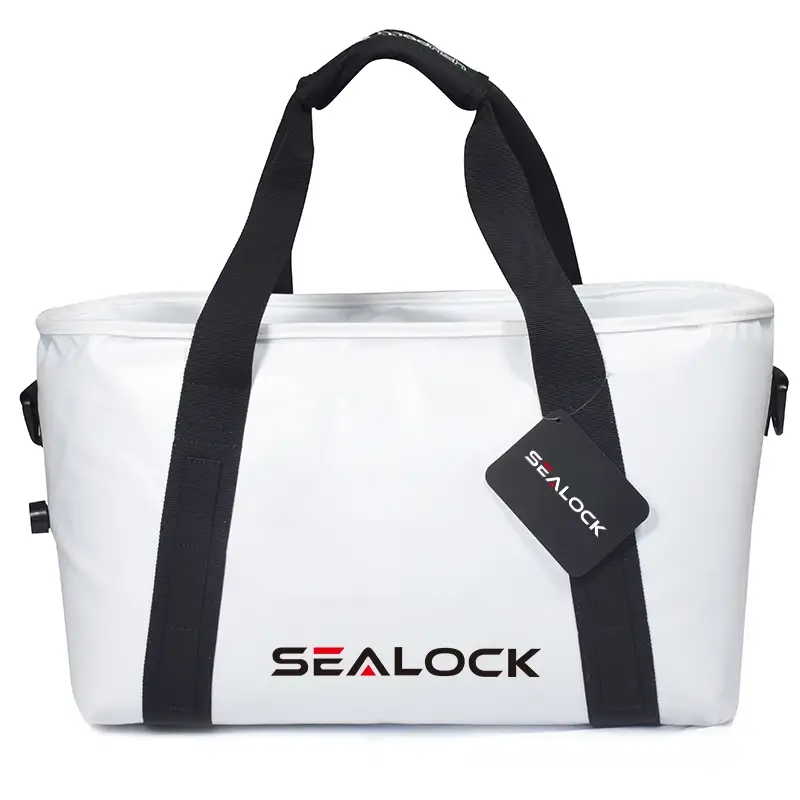
Insulated Fish Kill Bag (SL-C377) | 50 × 30 × 30 cm, larger sizes to 120 cm — length sized to the species so the fish lies flat | View |
Our customers include international brands such as Stanley, YETI, Hydro Flask, Osprey, Musto and Simms. The same lines and quality systems run a 300-piece order.
Working Terms
| Company | YiFuLong Outdoor Gear Co., Ltd. — manufacturer since 2003, registry-verifiable |
|---|---|
| Factories | Dongguan, Guangdong, China + Ho Chi Minh City, Vietnam; three high-frequency welding factories and in-house sewing lines; 20,000+ m² |
| Canadian labelling | Bilingual product identity and net quantity, CA number or Canadian dealer details, permanent origin marking, bilingual fibre content and care labels, bilingual poly bag warning — all applied at the factory |
| MOQ | 300 pcs per design (per size and colourway) |
| Lead times | Samples 7–15 days; production 30–45 days; FOB |
| Origin options | China or Vietnam on the same specification; marking applied to match actual production site |
| Testing | Water-immersion batch testing; multi-channel temperature testing for cold-hold; tensile, adhesion, salt spray, abrasion, colour fastness |
| Certifications | ISO9001, BSCI, SMETA P4, GRS, HIGG, SCAN; food-grade liners across the range with migration testing by market |
FAQ
Q: Can I use my US labelling for Canada?
A: No — a monolingual US label is one of the most common and most avoidable causes of a customs problem. Canadian rules require mandatory information in both English and French on the principal display panel, a Canadian dealer identity rather than your factory's address, and permanent country-of-origin marking. Goods are not released from customs until they are suitably marked.
Q: What exactly has to be bilingual?
A: The product identity declaration and the net quantity declaration under the Consumer Packaging and Labelling Act, fibre content information for textile articles, and the poly bag suffocation warning. Note the net quantity trap — writing the figure once is incomplete; it has to appear in bilingual format even though the repetition looks odd.
Q: Whose address goes on the label?
A: A Canadian entity that can be held accountable — the Canadian manufacturer, importer or retailer. You cannot use our factory address. For textile articles you can instead use a CA identification number obtained from the Competition Bureau, which is the simpler route for most importers. Send us the number or the details and we print them.
Q: Does Québec need anything extra?
A: Yes. The Charter of the French Language requires French on product labelling, warranty certificates, manuals, instructions and advertising, with French given equal prominence to any other language. For a national programme, plan the artwork around that from the start rather than treating French as a secondary line.
Q: Will the origin marking say China or Vietnam?
A: Whichever country actually produced that run — marking reflects where goods were made, not where they shipped from. We build the same specification at either site and will tell you which produced which run, so the marking matches. It must also be permanent enough to remain visible at the point of purchase, so we use woven or printed labels built into the product rather than stickers.
Q: Can you apply all of this at the factory?
A: Yes — bilingual hangtags and labels, CA number or dealer details, origin marking, fibre content and care labels, and bilingual printed poly bags. The only requirement is that you specify it before production, because the poly bag warning in particular is printed rather than applied. Send your artwork or the text to be translated with your product specification.
Sealock — YiFuLong Outdoor Gear Co., Ltd.
Insulated cooler bags for Canadian importers, manufactured in China and Vietnam since 2003, labelled for Canada at source.
Email: info@sealock.com.hk · Phone: +86-13632981825 · MOQ 300 pcs · samples 7–15 days
Send your specification and your Canadian labelling requirements together — we will answer both.
Regulatory references reflect publicly available Canadian government and industry sources as of mid-2026 and are general information, not legal or customs advice. Requirements differ by product type, channel and province, and are amended periodically — confirm applicable obligations with a licensed customs broker or qualified adviser, and verify artwork against current requirements before printing. We apply the labelling you specify; the compliance obligation for goods placed on the Canadian market remains with the importer.