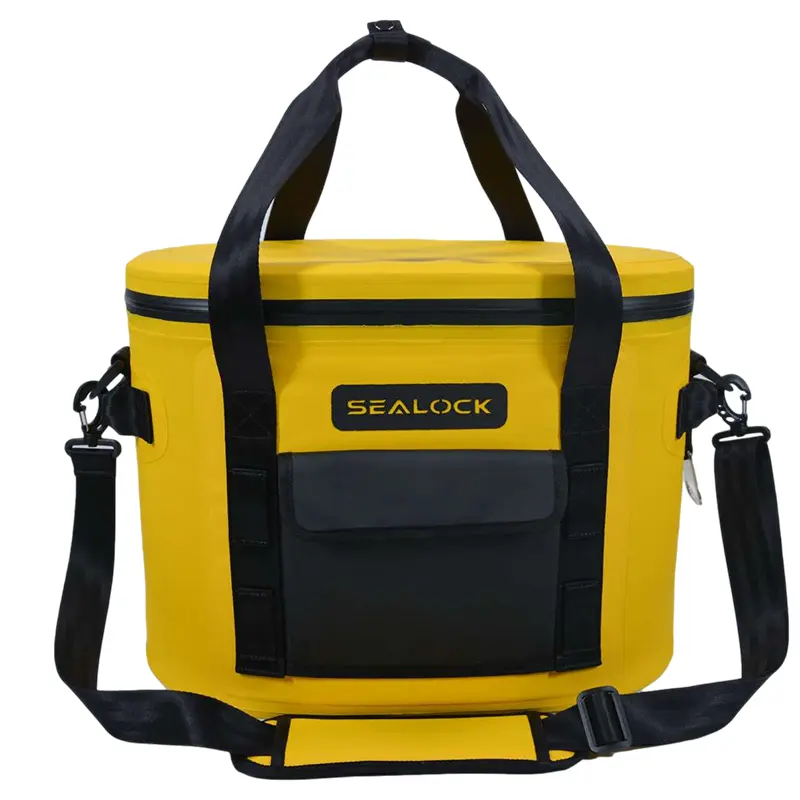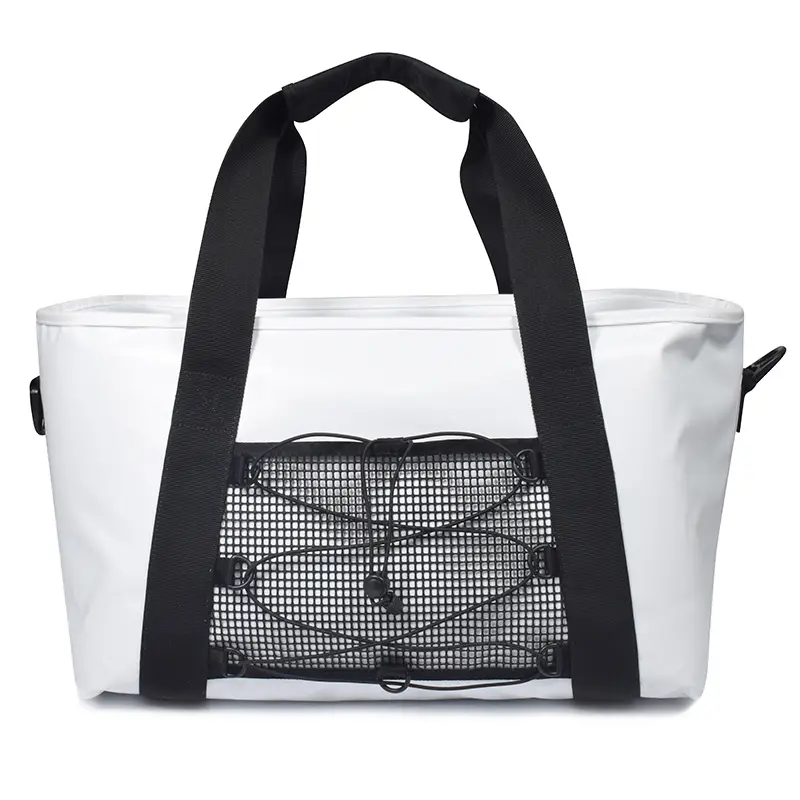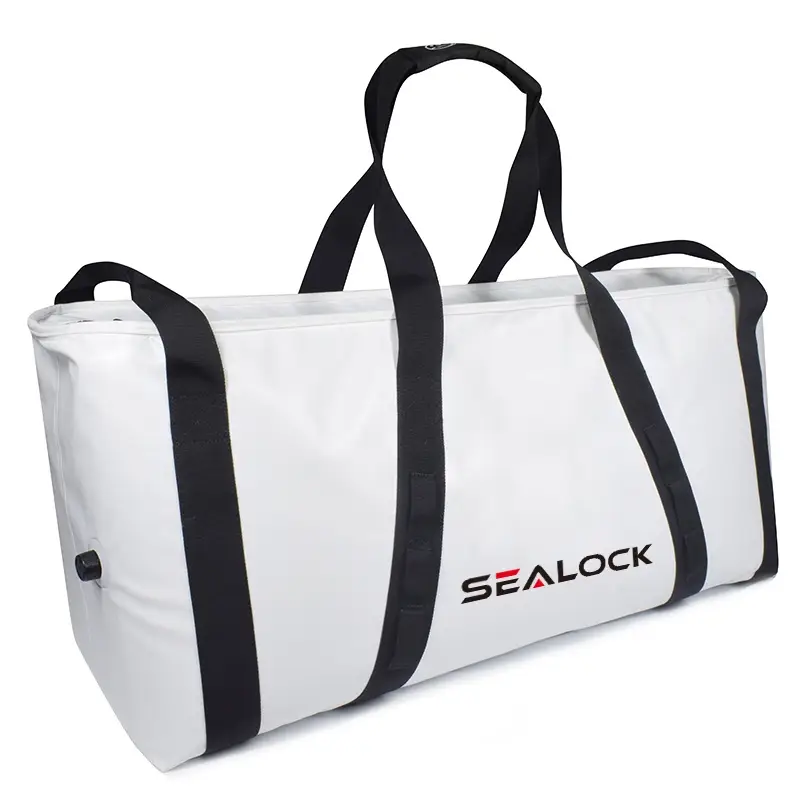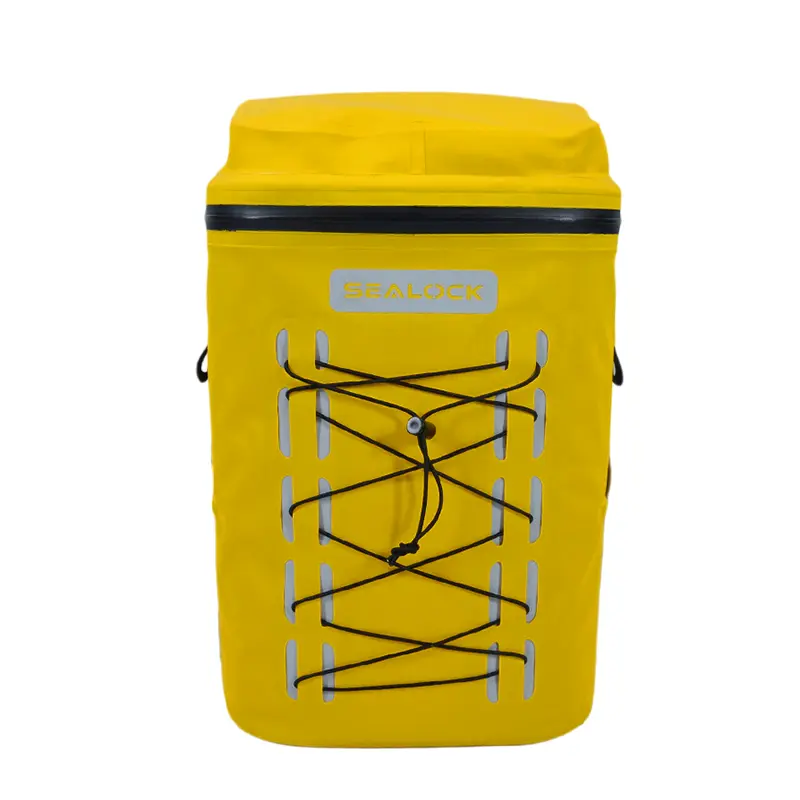
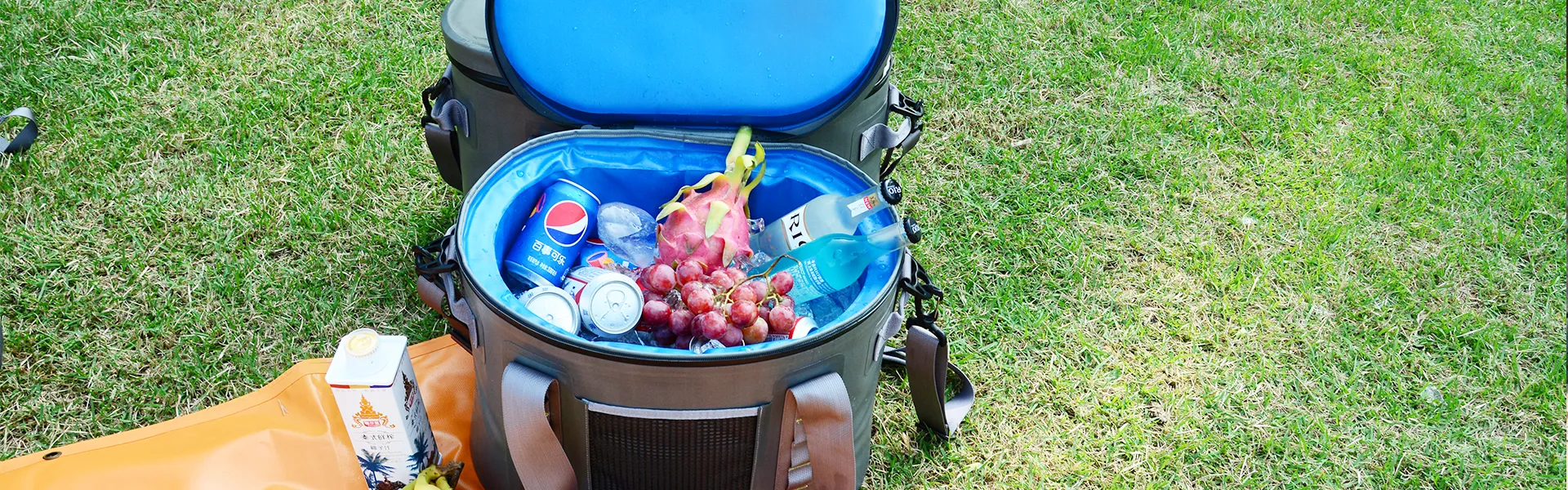
Sealock (YiFuLong Outdoor Gear Co., Ltd.) manufactures insulated and waterproof cooler bags for US importers — with real production lines in both China and Vietnam, so origin is a decision you make per programme rather than a reason to change supplier.
Factory since 2003 · three high-frequency welding factories plus in-house sewing lines · SCAN supply-chain security verified · MOQ 300 pcs · samples 7–15 days · production 30–45 days.
Talk to us about origin and landed cost: info@sealock.com.hk · +86-13632981825
Origin Is the Question, and It Has a Legal Test
For US importers, country of origin drives which tariff layers apply, what marking is required, and whether anti-circumvention enforcement comes into play. It is not determined by where the container was loaded or where the invoice was issued. It is determined by a legal test.
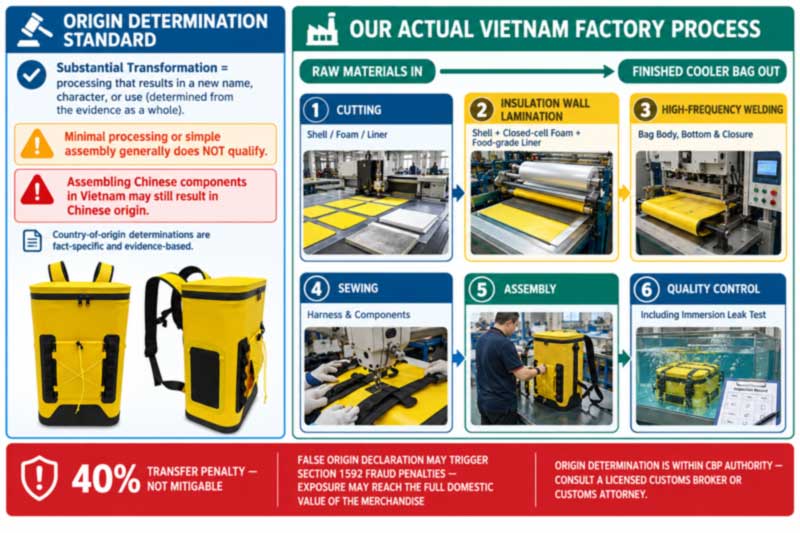
The standard is substantial transformation: (cite index="14-1">the country of origin of imported merchandise is the country where the goods underwent their last substantial transformation, and the test asks (cite index="11-1">whether an article emerges from a process with a new name, character, or use different from that possessed by the article prior to processing, assessed (cite index="11-1">based on the totality of the evidence.
The critical limit: (cite index="18-1">minimal or simple assembly operations generally do not qualify. A product assembled in Vietnam from primarily Chinese components may still be deemed Chinese-origin under substantial transformation analysis. A recent CBP ruling made the point concretely — (cite index="18-1">assembly of components did not result in substantial transformation, and the character of the article remained that of the incoming assembly.
Enforcement Has Changed, So Paper Alone No Longer Works
Buyers sometimes assume origin is a documentation exercise. It is not, any more. (cite index="13-1">CBP now uses supply chain mapping, HS code pattern analysis, and chemical and isotopic testing to detect transshipment. Factory visits are routine rather than exceptional. EAPA investigations have accelerated, and (cite index="13-1">the US Department of Justice added False Claims Act enforcement against importers whose origin documentation does not hold up.
Scale: (cite index="17-1">CBP collected $117.67 million across 417 audits in FY 2025, and country-of-origin enforcement has been a growing share of audit findings. CBP advisories have flagged (cite index="13-1">Vietnam, Malaysia, Cambodia, Thailand and Indonesia as primary transshipment risk countries — which means a Vietnam-origin claim attracts scrutiny by default, and has to be able to withstand it.
What Our Vietnam Production Actually Is
This is the part that matters to you, and we will be precise about it rather than reassuring.
Our Ho Chi Minh City plant is a manufacturing operation, not a finishing or relabelling depot. The transformative steps happen there: cutting the shell, foam and liner; laminating the insulated wall; high-frequency welding the body, base and closure; sewing the harness and components; assembly; and quality control including immersion testing. Raw material goes in; a finished cooler bag comes out.
That is the distinction the substantial transformation test turns on — a new article with a different name, character and use, produced by real manufacturing rather than by assembling Chinese sub-assemblies. We are also SCAN verified, which maps to C-TPAT minimum security criteria and is frequently part of large US retailers' factory onboarding.
Evaluating an origin shift? Tell us your product and your volumes and we will set out which operations run at which site, what documentation we can provide, and quote both origins so you can model the comparison properly.
info@sealock.com.hk · +86-13632981825
Dual Origin Is the Practical Advantage
Most suppliers give you one origin and you live with whatever policy does next. The tariff environment has changed repeatedly — authorities have shifted, temporary measures have been set to expire, and USTR opened Section 301 investigations covering Vietnam and other countries in March 2026. Rates and legal authorities change frequently enough that any specific number in an article like this would be out of date before you read it.
What is durable is structural flexibility. Building the same specification at either site means:
- No redesign to change origin. Same patterns, same materials, same welding parameters, same test protocols — a specification approved once can be produced at either plant.
- You can model both. We quote both origins so your broker can compare landed cost properly rather than guessing.
- Split production is possible across a programme if that suits your risk position.
- Continuity if policy moves again. You are not restarting supplier qualification under time pressure.
The Other US Requirements We Handle
| Requirement | What we do |
|---|---|
| Country-of-origin marking | Applied per your specification — marking is a legal requirement under the Tariff Act, and the correct wording matters |
| Food-contact compliance | Food-grade liners across the range; migration test reports against 21 CFR for your liner material |
| CPSIA (if marketed to children) | We support testing at a CPSC-accepted third-party lab and can apply permanent tracking labels to product and packaging |
| California Prop 65 | Material selection and testing discussed at specification stage — relevant to plasticised PVC choices |
| Supply-chain security | SCAN verified, mapping to C-TPAT minimum security criteria — commonly required in large US retailer onboarding |
| Amazon FBA prep | FNSKU labelling, compliant poly bags with printed suffocation warnings, carton labelling — done at the factory. See FBA sourcing |
| Retail social compliance | ISO9001, BSCI, SMETA P4, GRS, HIGG — verifiable through the issuing platforms |
| Landed-cost data | Carton dimensions, units per carton and total CBM provided with every quotation — coolers are bulky and ocean freight charges by volume |
What We Build
| Image | Model | Build | Link |
|---|---|---|---|
|
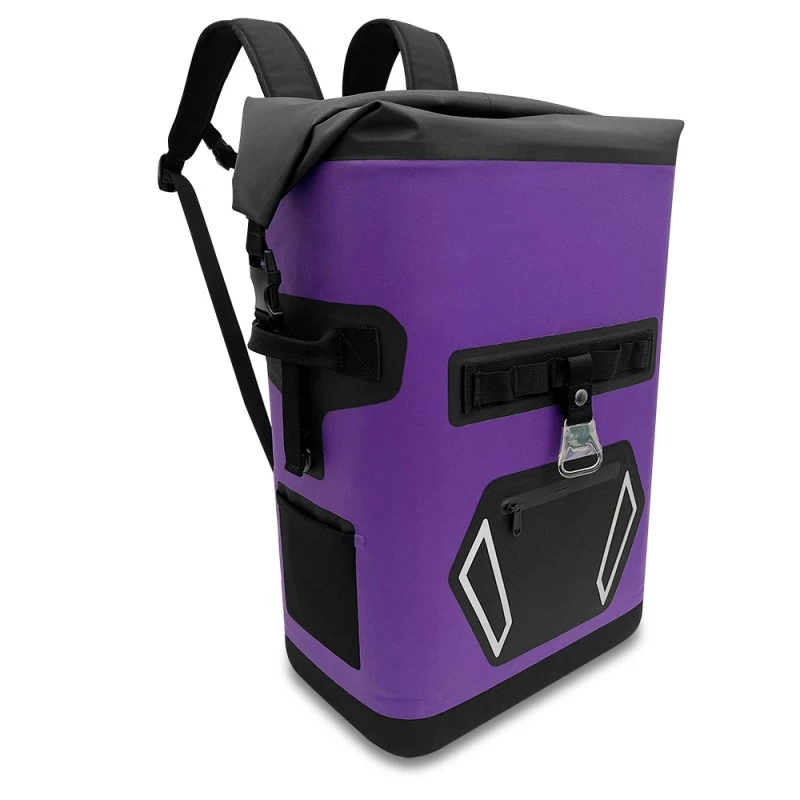
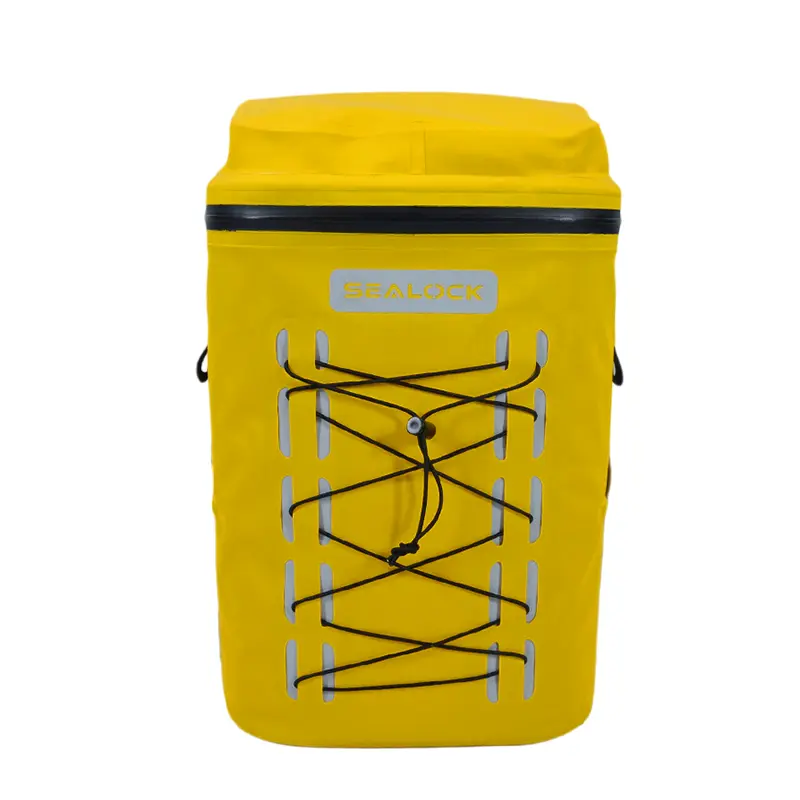
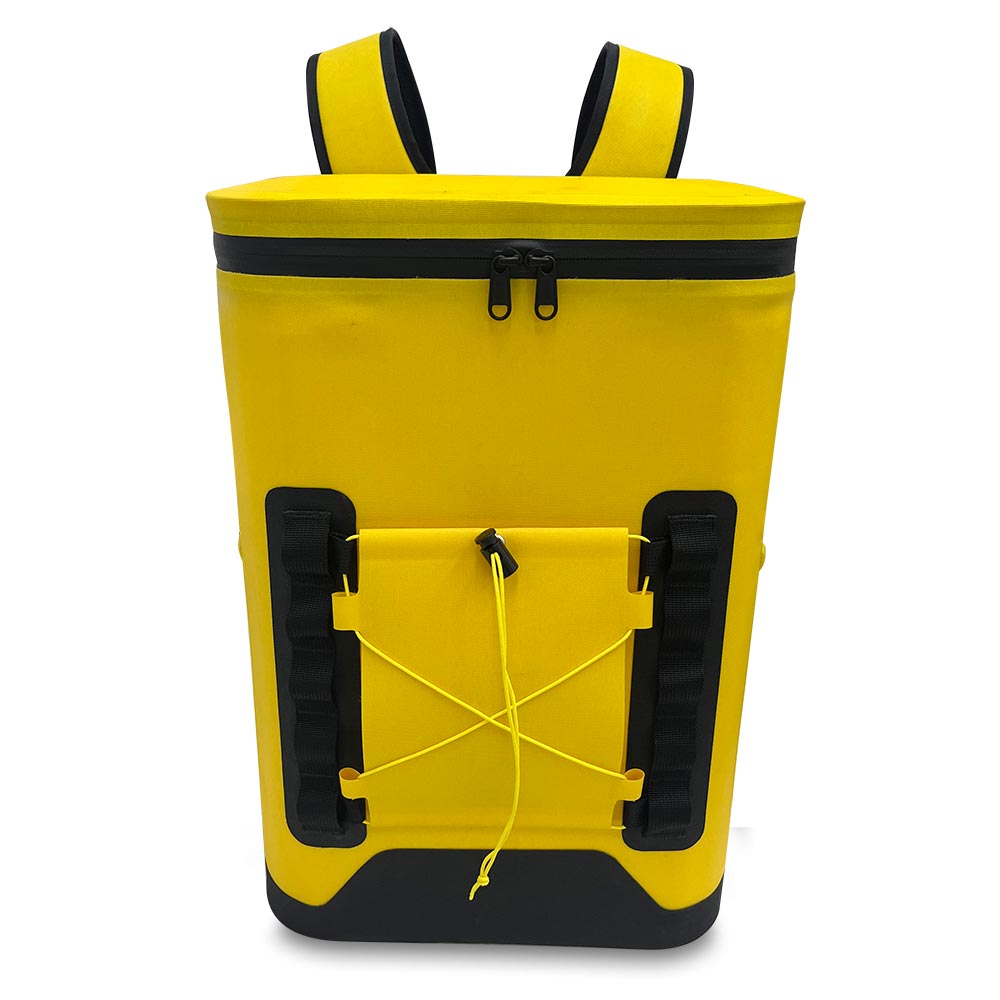
28L Airtight-Zipper Cooler Backpack (SL-I274) | 840D TPU, 3 cm EVA core, food-grade TPU membrane, airtight welded zipper, up to 48 hr | View |
|
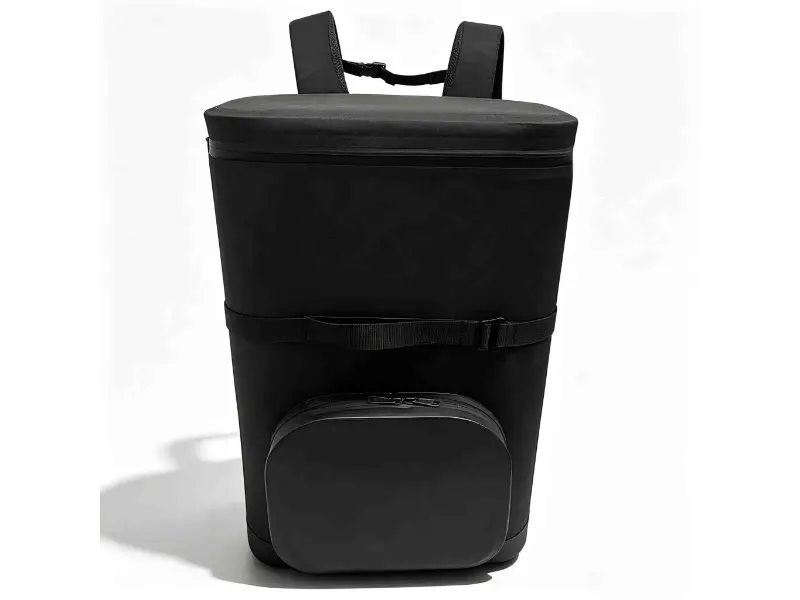
22L IPX7 Cooler Backpack (SL-I280) | Welded seamless, IPX7 immersion-rated, 50 mm high-density XPE, 48 hr+, full harness | View |
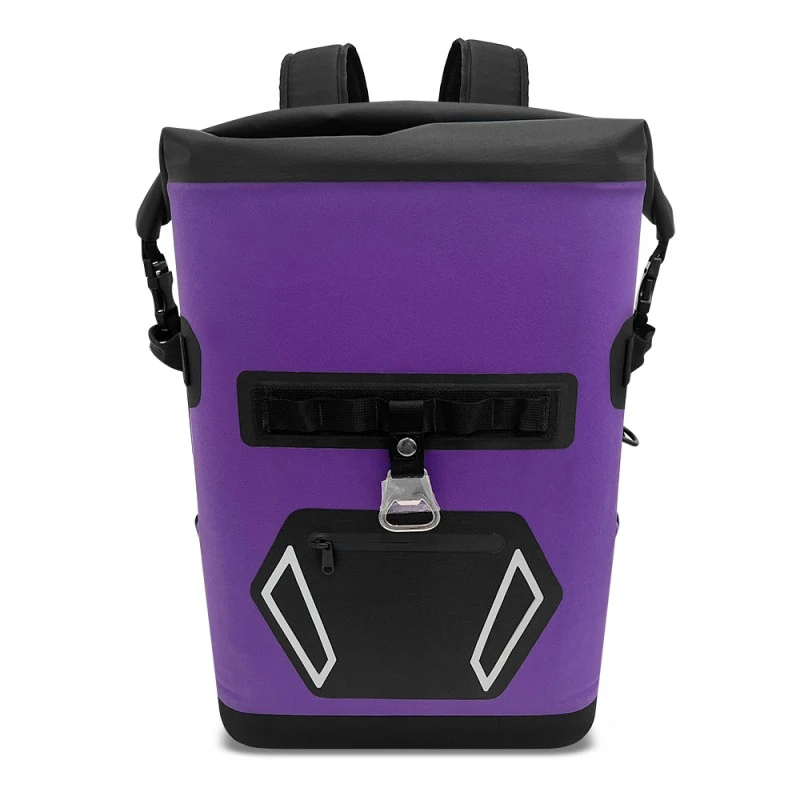
|
45L Roll-Top Cooler Backpack (SL-I270) | 45L, welded roll-top, 600D TPU, food-grade TPU liner, UTX buckles, up to 36 hr | View |
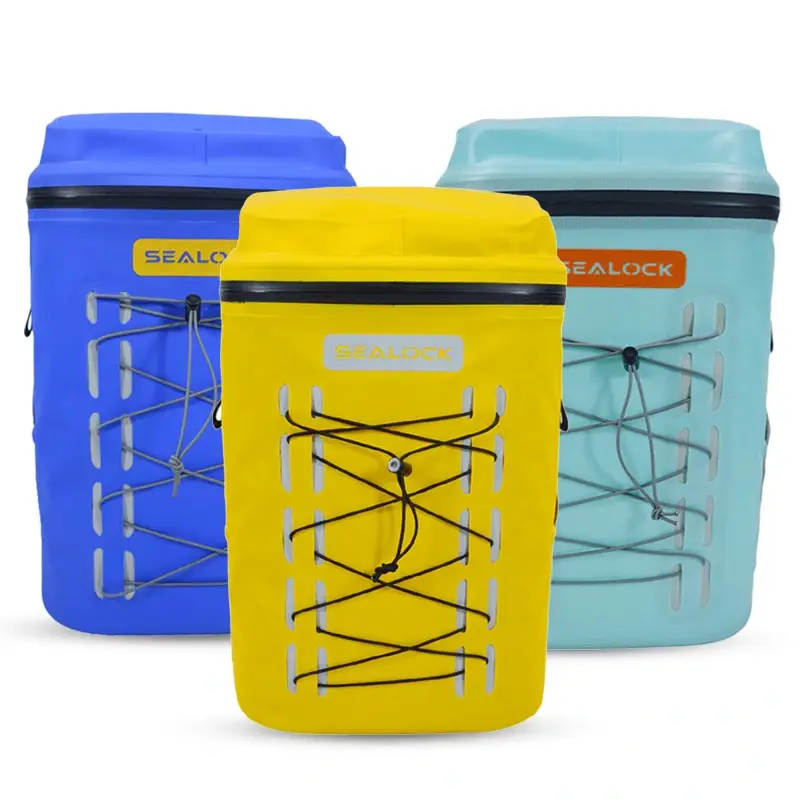
|
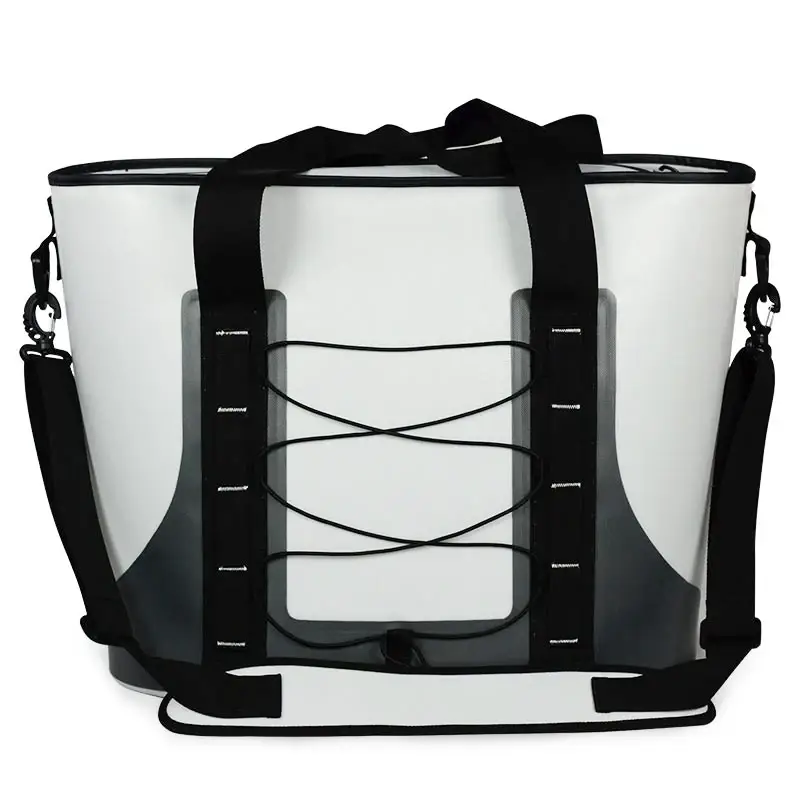
Insulated Leakproof Cooler Backpack (SL-I075A) | 36-can, 840D PVC tarpaulin, EPE foam, PEVA liner — value tier | View |
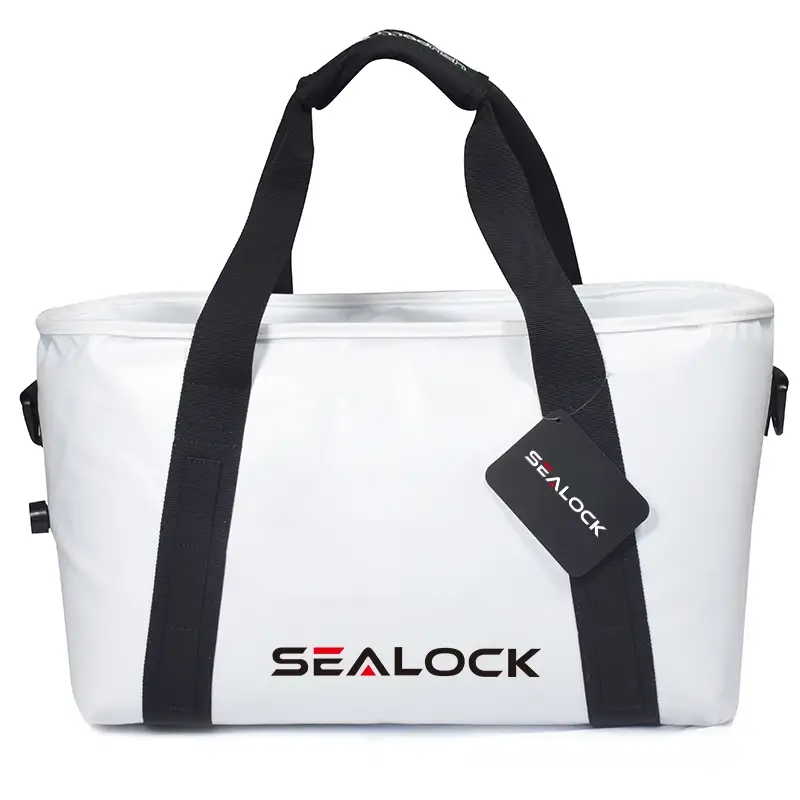
|
Insulated Fish Kill Bag (SL-C377) | 50 × 30 × 30 cm, PVC mesh fabric, insulated, adjustable strap | View |
Every build above can be produced at either origin on the same specification, with OEM, ODM and private label development available. Our customers include international brands such as Stanley, YETI, Hydro Flask, Osprey, Musto and Simms — the same lines and quality systems run a 300-piece order.
Working Terms
| Company | YiFuLong Outdoor Gear Co., Ltd. — manufacturer since 2003, registry-verifiable |
|---|---|
| Factories | Dongguan, Guangdong, China + Ho Chi Minh City, Vietnam; three high-frequency welding factories and in-house sewing lines; 20,000+ m² |
| Origin options | China or Vietnam on the same specification; manufacturing documentation provided; audits and live walkthroughs welcomed at either plant |
| MOQ | 300 pcs per design (per size and colourway) |
| Lead times | Samples 7–15 days; production 30–45 days; FOB |
| Testing | Water-immersion batch testing; multi-channel temperature testing for cold-hold; tensile, adhesion, salt spray, abrasion, colour fastness |
| Quality | IQC / IPQC / OQC, in-line weld inspection, AQL sampling, gold-sample sign-off; SGS or QIMA welcomed |
| Certifications | ISO9001, BSCI, SMETA P4, GRS, HIGG, SCAN |
FAQ
Q: Will producing in Vietnam change my country of origin?
A: That is a determination for CBP under the substantial transformation test, not something a factory can promise. The test asks whether processing produced a new article with a different name, character or use, judged on the totality of the evidence — and minimal or simple assembly generally does not qualify. What we can tell you precisely is which manufacturing operations run at our Vietnam plant: cutting, insulated wall lamination, high-frequency welding, sewing, assembly and QC. Take that to your customs broker or attorney, who can also seek a binding ruling.
Q: Is your Vietnam plant just assembly of Chinese parts?
A: No. It performs the transformative manufacturing steps on site — cutting shell, foam and liner, laminating the insulated wall, welding the body and closure, sewing components, assembly and quality control including immersion testing. We are happy to demonstrate that through an audit or a live video walkthrough rather than asking you to take it on trust.
Q: What are the risks if origin is claimed incorrectly?
A: Serious. A transshipment finding carries a 40% penalty with no mitigation or remission available, applied on top of the applicable country-of-origin rate, and origin misrepresentation can trigger fraud penalties under 19 U.S.C. 1592 with exposure reaching the full domestic value of the goods. CBP now uses supply chain mapping, HS pattern analysis and laboratory testing, and factory visits are routine. This is why the manufacturing has to be real, and documented.
Q: Can you tell me what duty I will pay?
A: No, and you should be cautious of any supplier who does. Rates, legal authorities and exclusions change frequently, and classification depends on the specific product. We provide the manufacturing facts, the specification, and carton and CBM data so your licensed customs broker can model landed cost accurately.
Q: Do you meet US retailer onboarding requirements?
A: Generally, yes. We hold SCAN supply-chain security verification mapping to C-TPAT minimum security criteria, plus ISO9001, BSCI, SMETA P4, GRS and HIGG, all verifiable through the issuing platforms. Tell us which programme you are onboarding into and we will provide the evidence it requires.
Q: Can I split production between the two countries?
A: Yes. The same specification is producible at either plant, so a programme can be split or shifted without redesigning the product or requalifying a new supplier — which is the practical value of dual-origin capability when policy moves.
Sealock — YiFuLong Outdoor Gear Co., Ltd.
Insulated cooler bags for US importers, manufactured in China and Vietnam on the same specification since 2003.
Email: info@sealock.com.hk · Phone: +86-13632981825 · MOQ 300 pcs · samples 7–15 days
Send your specification and volumes — we will quote both origins.
Trade-policy references here reflect publicly available sources as of mid-2026. Tariff rates, legal authorities, exclusions and enforcement frameworks change frequently and several measures referenced in public sources carried scheduled expiry dates — no rate figures are stated here for that reason. Nothing on this page is customs, legal or tax advice. Country-of-origin determinations are made by CBP; consult a licensed customs broker or customs attorney, and consider a binding ruling, before making sourcing decisions based on duty exposure.