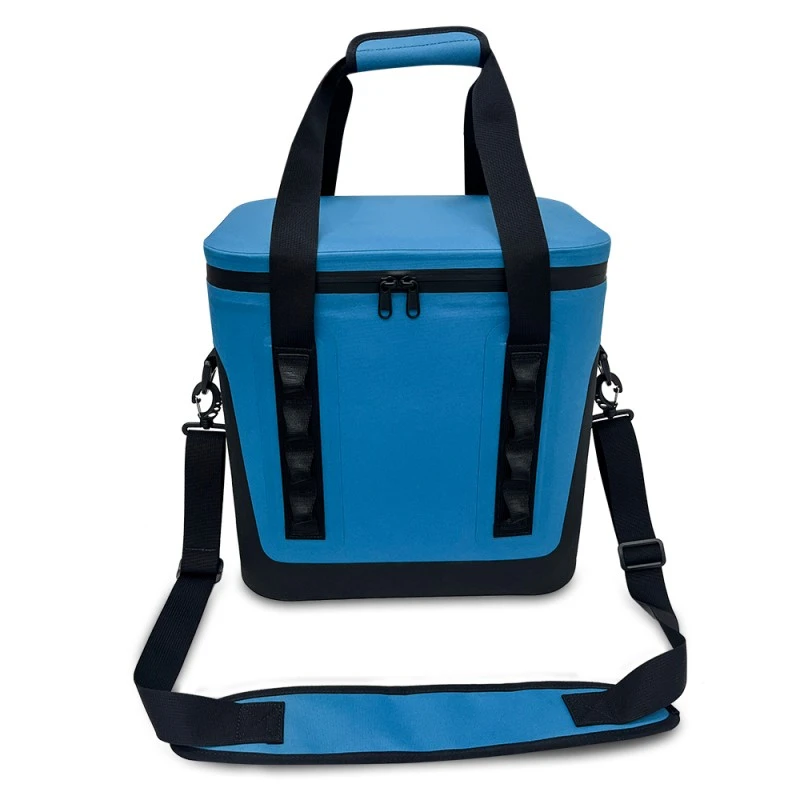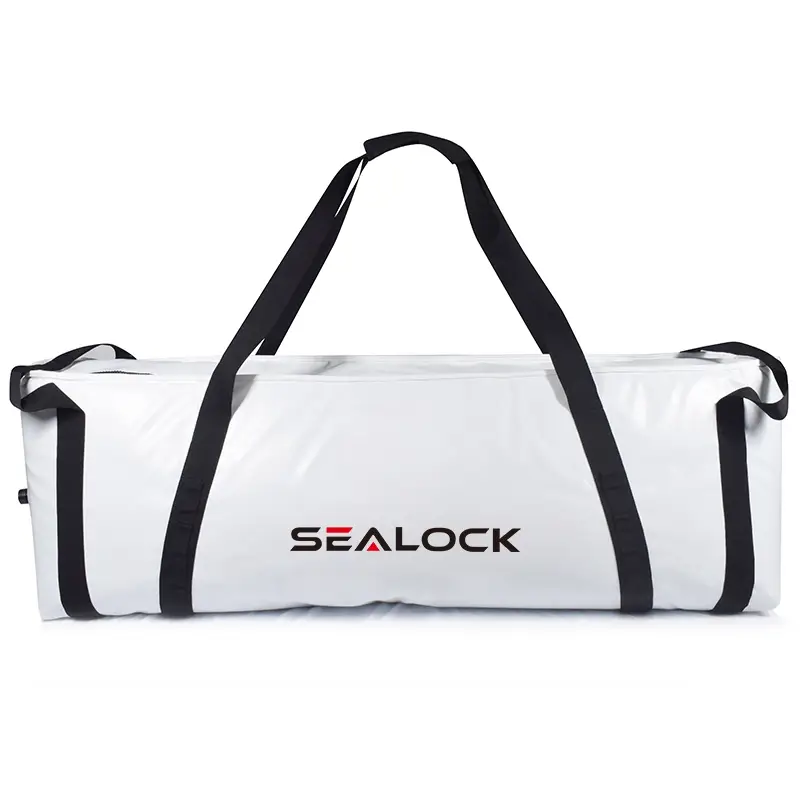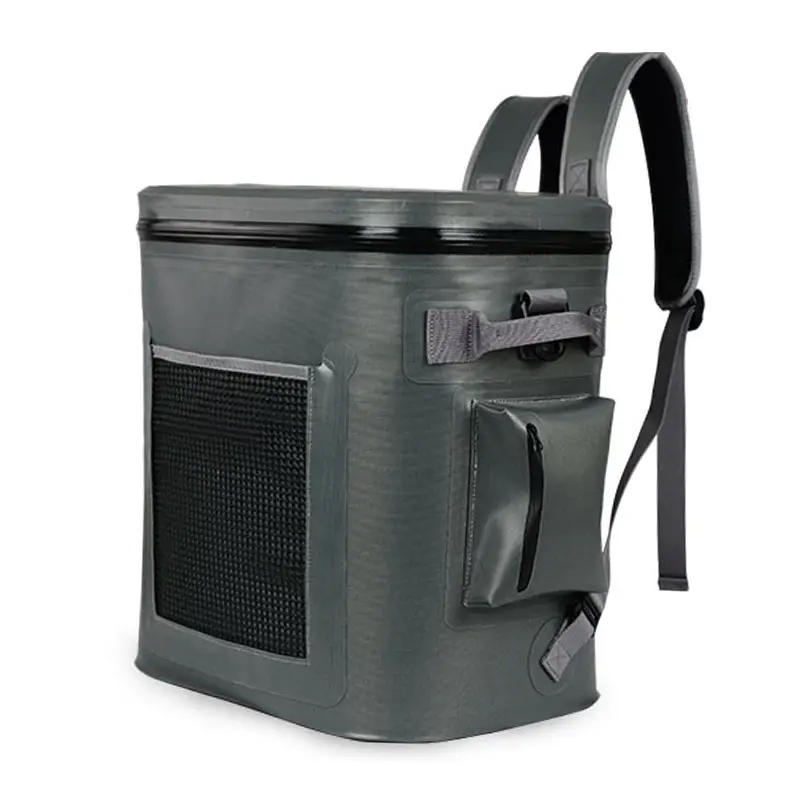
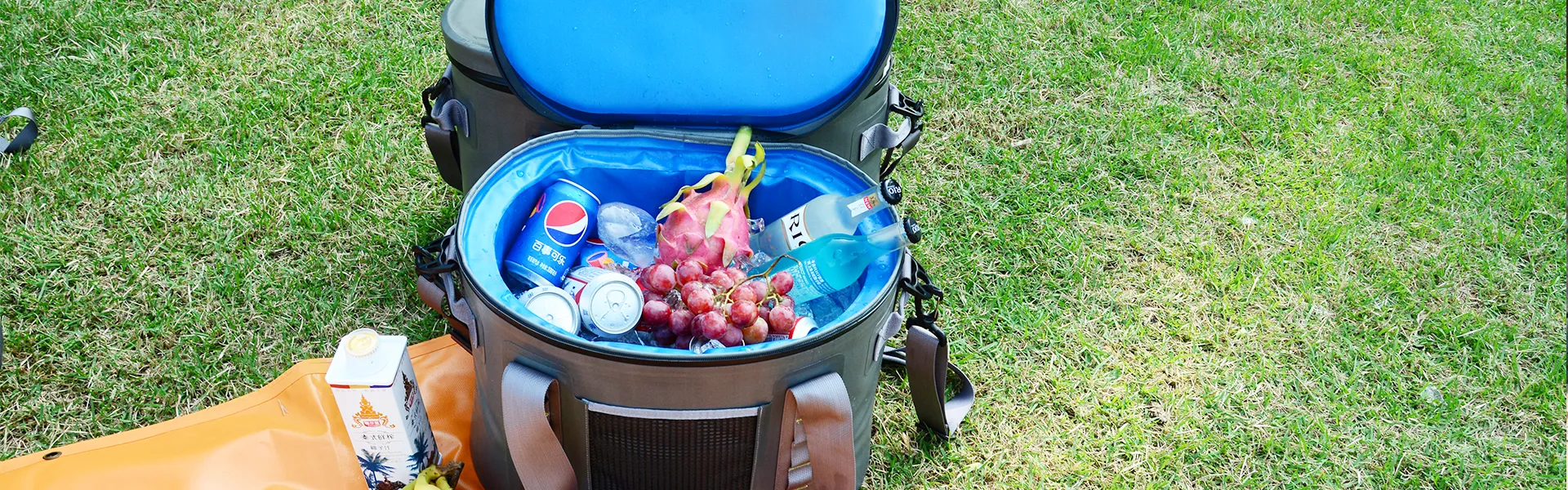
Sealock (YiFuLong Outdoor Gear Co., Ltd.) manufactures insulated and waterproof cooler bags for Australian and New Zealand brands and retailers — and your season falls in our quiet period, which is worth more than most buyers realise.
Factory since 2003 · China and Vietnam · three high-frequency welding factories plus in-house sewing lines · MOQ 300 pcs · samples 7–15 days · production 30–45 days.
Talk to us about your summer calendar: info@sealock.com.hk · +86-13632981825
Your Season Is Our Advantage — and Yours
Cooler bags are a seasonal product, and Asian factories are busiest producing for the northern hemisphere summer. That crunch runs from roughly late winter through spring, and it collides with the Spring Festival shutdown — the period when lines are full, lead times stretch, and a new customer's order queues behind established programmes.
Australian and New Zealand summer runs December to February, which means you need stock landing around October and November, which means production in roughly July to September. That is the quiet part of our year. The practical consequences for you:
- Better factory attention. Your order is not competing with a peak-season queue, which matters most on a first programme where sampling and revisions need responsiveness.
- Cleaner lead times. Booking into an off-peak window means the quoted 30–45 days is more likely to hold.
- You miss the Spring Festival problem entirely. Northern-hemisphere buyers have to plan around a multi-week shutdown that lands in the middle of their ordering window. Yours does not.
- More room to negotiate. Off-season capacity is worth something to a factory, and we would rather fill it.
Planning a summer range? Tell us your on-shelf date and we will work the calendar backwards with you — and say plainly if it does not fit rather than agreeing and disappointing you later.
info@sealock.com.hk · +86-13632981825
What the Australian Market Demands of the Product
Australian and New Zealand use is harder on a cooler than most northern markets, and it shows up in which specifications actually matter.
Heat is the baseline, not the exception
A cooler specified for a mild European summer underperforms in an Australian one. Sand and paved surfaces in direct sun run far hotter than air temperature, and a bag sitting on them takes heat straight through its base. That argues for specifying a tier above what the trip length alone suggests, a reinforced base, and lighter shell colours that reflect more radiant heat. We verify cold-hold with a multi-channel thermocouple temperature tester rather than estimating it, so the figure you advertise is measured.
Beach, boat and fishing are mainstream, not niche
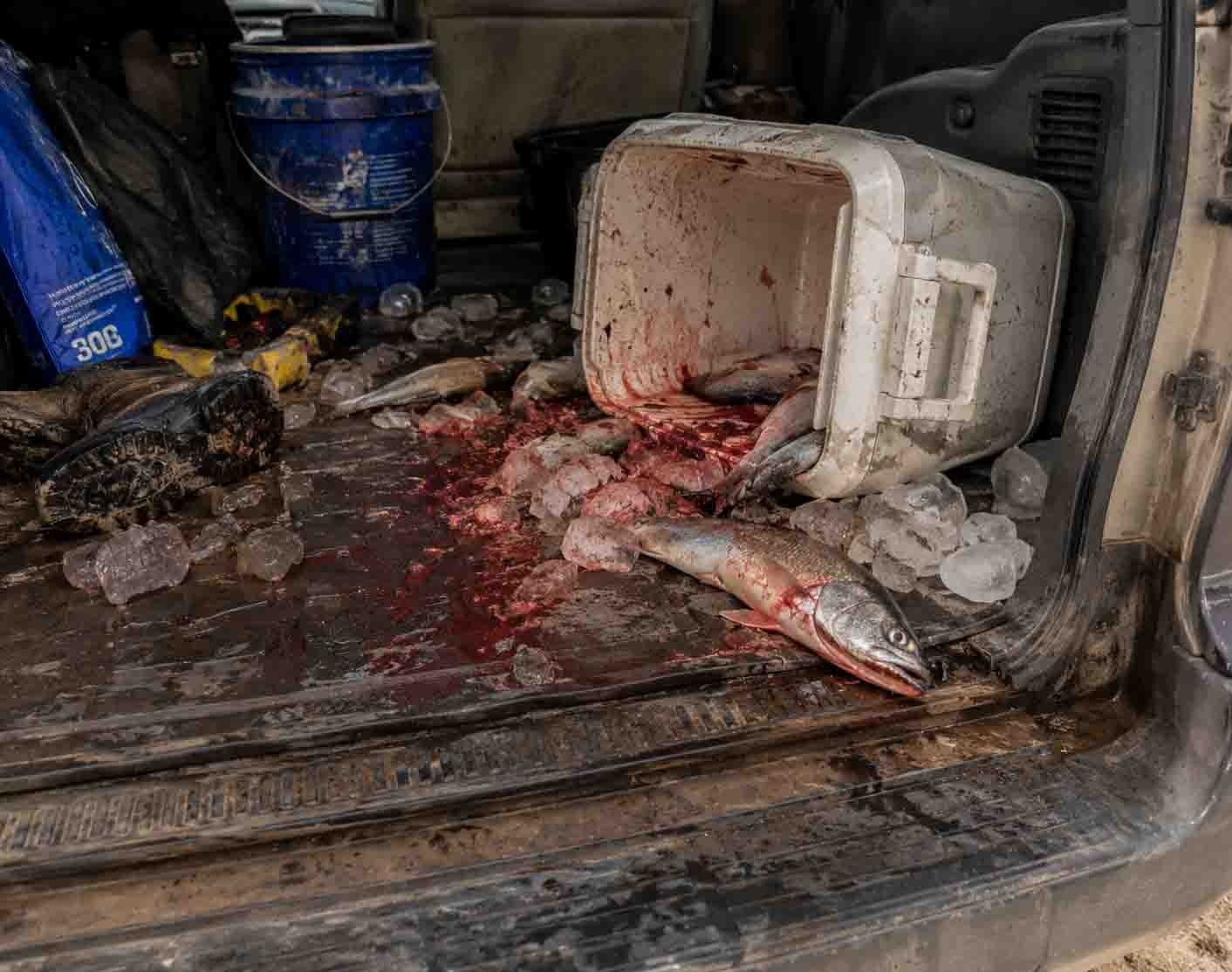
Which makes construction decisions that are optional elsewhere close to mandatory here: welded seam-free bodies that give sand nowhere to lodge, closures that rinse clean rather than jamming with grit, corrosion-resistant hardware for salt exposure, and genuine leakproof containment so melt-water mixed with fish slime never reaches a car seat. Detail: sand and sun engineering · saltwater-grade materials and hardware · fishing builds.
UV exposure is a warranty issue
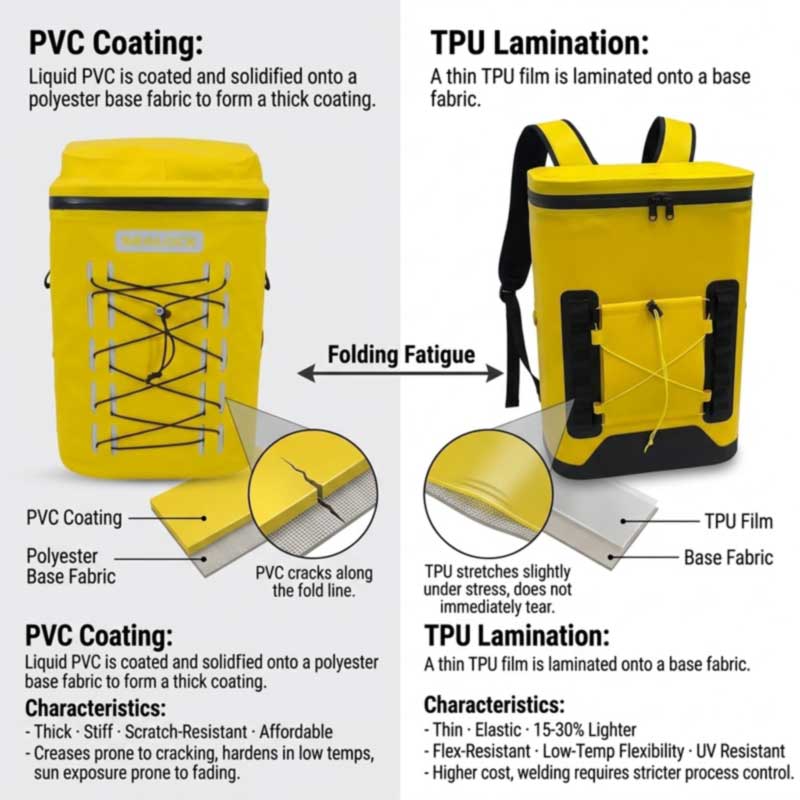
Fading and coating breakdown under strong sun is one of the most common complaint drivers in this category, and Australian sun is unforgiving. A UV-stable coated shell holds colour and flexibility far better than untreated fabric, and a welded body has no structural stitching for UV to weaken — on a sewn bag, sunlight attacks the very threads holding it together.
Labelling and Compliance
Two things catch importers, and both are fixable at the factory before the container is sealed.
Country of origin
Origin claims in Australia sit under Australian Consumer Law, and regulators take them seriously: (cite index="17-1">the ACCC and other Australian Consumer Law regulators have the power to call on businesses to substantiate the country of origin claims made on their labels, and businesses are expected to (cite index="17-1">take reasonable steps to correct any country of origin claims that become incorrect due to manufacturing or supply chain changes. If you shift a programme between our China and Vietnam lines, the marking has to move with it — we apply origin marking per your specification, and we will tell you which site produced which run.
The practical failures at the border
Experience from the Australian import trade is blunt about what goes wrong: shipments are held because of (cite index="14-1">a missing country of origin, instructions only in Mandarin, or no safety marking that Australian law requires — the result being goods held up at customs, re-labelling costs, fines and lost sales. None of those are manufacturing problems; they are specification problems, and they are cheap to prevent if raised before production. Tell us your labelling requirements with your product spec and they go on at source.
Origin Choice: China or Vietnam
We build the same specification at either site, with real manufacturing at both — cutting, insulated wall lamination, high-frequency welding, sewing, assembly and QC. For AU and NZ importers the driver is usually freight routing, lead time or a customer requirement rather than tariffs, but the flexibility is there without redesigning the product or requalifying a supplier. We will quote both if it helps you compare.
What We Build
| Image | Model | Why it suits the market | Link |
|---|---|---|---|
|
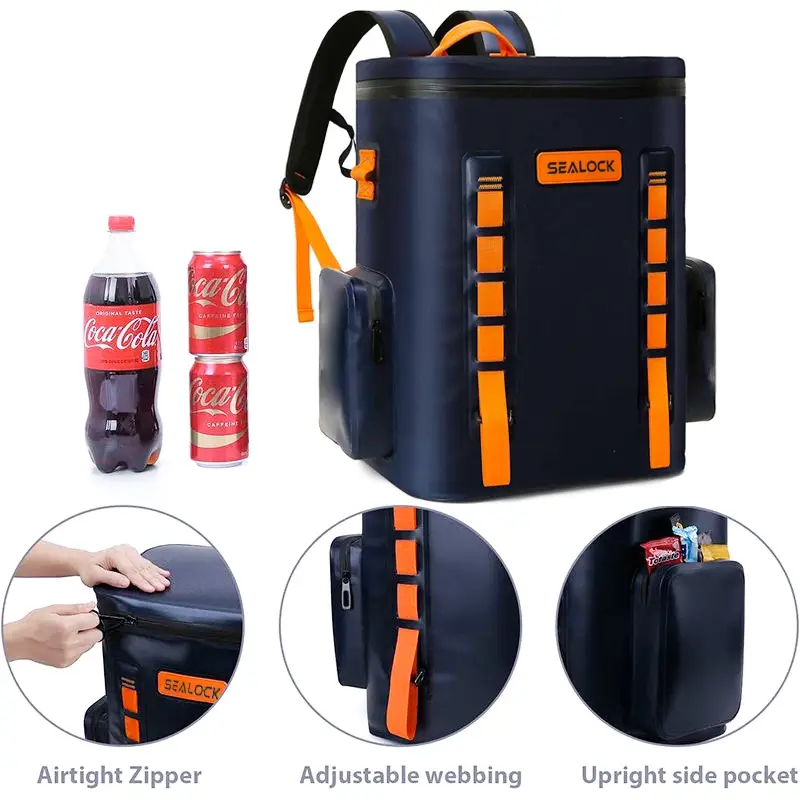
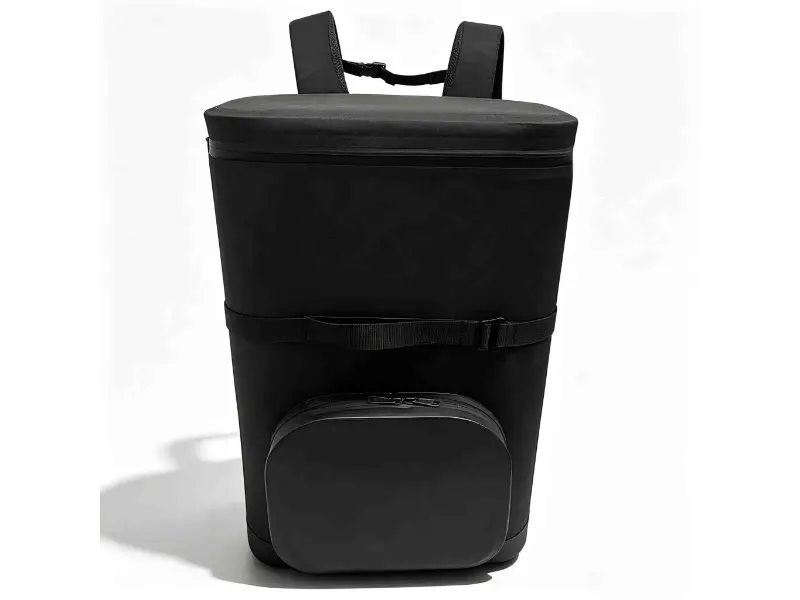
22L IPX7 Cooler Backpack (SL-I280) | 50 mm high-density XPE for hot conditions, IPX7 immersion-rated for boat and beach, welded seamless body, 48 hr+ | View |
|
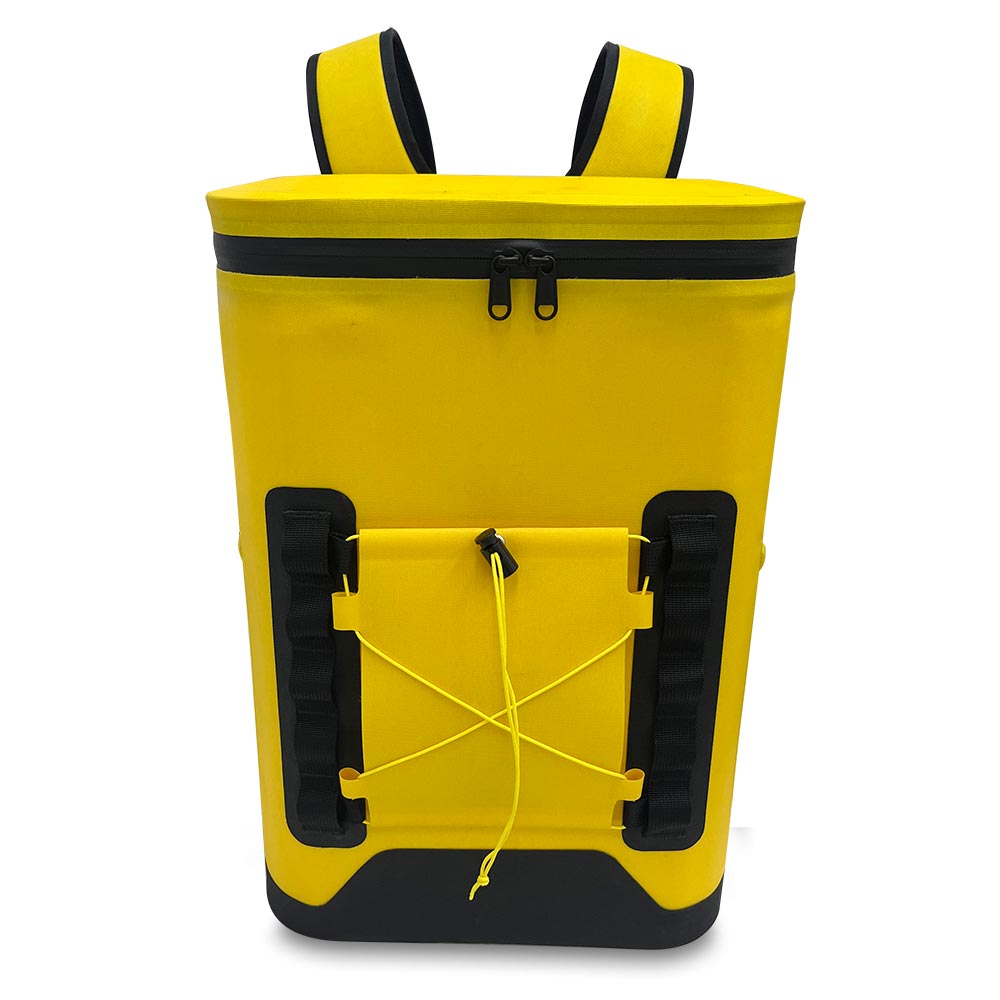
28L Airtight-Zipper Cooler Backpack (SL-I274) | 28L for family and group use, 840D TPU, airtight welded zipper, food-grade TPU membrane, up to 48 hr | View |
|
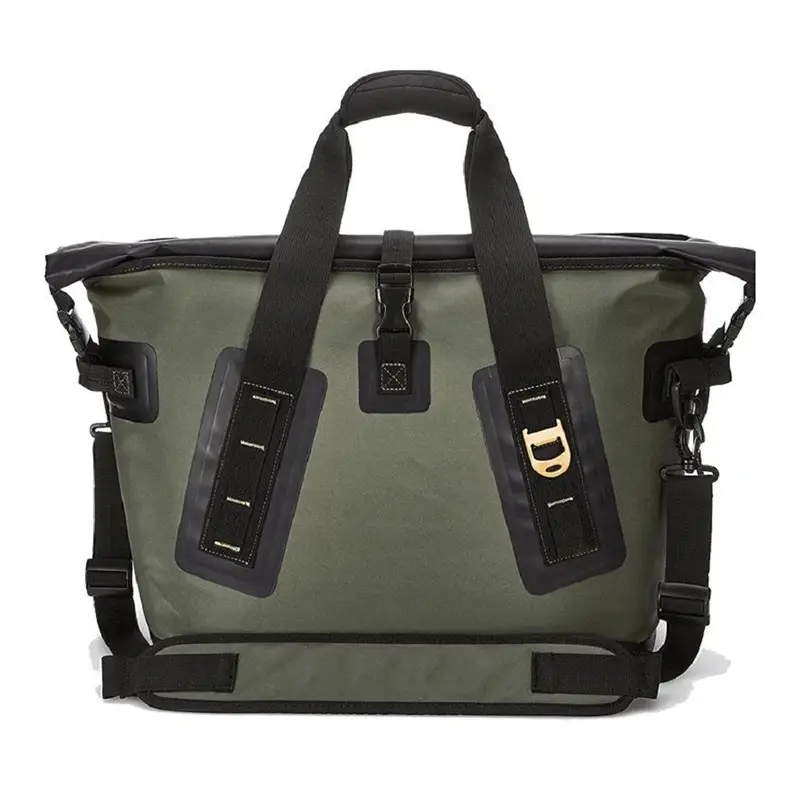
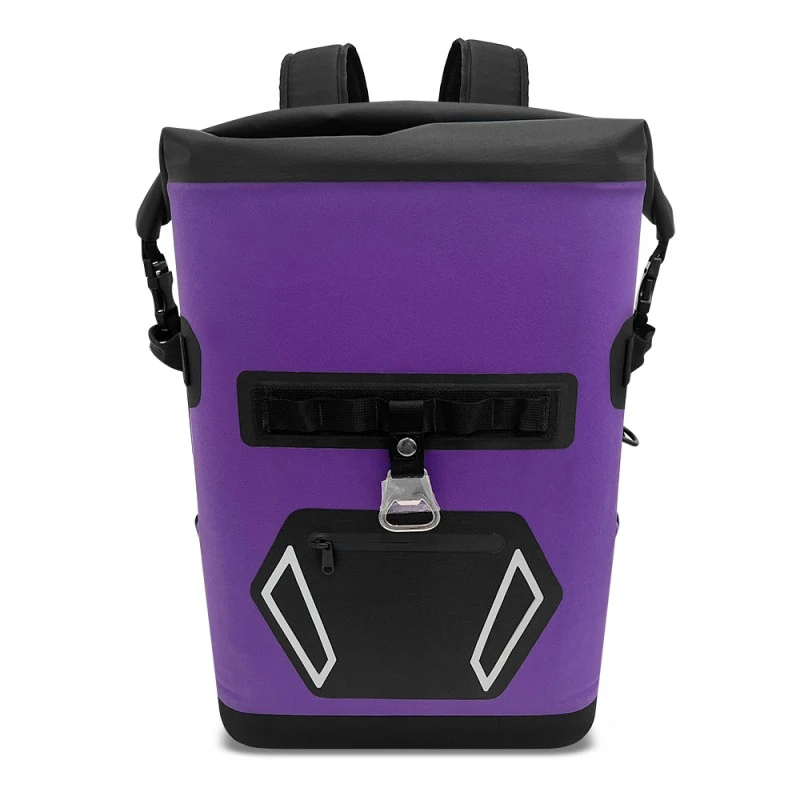
45L Roll-Top Cooler Backpack (SL-I270) | 45L for boats and base camps; roll-top has no zipper channel for sand or salt to foul; reflective trim | View |
|
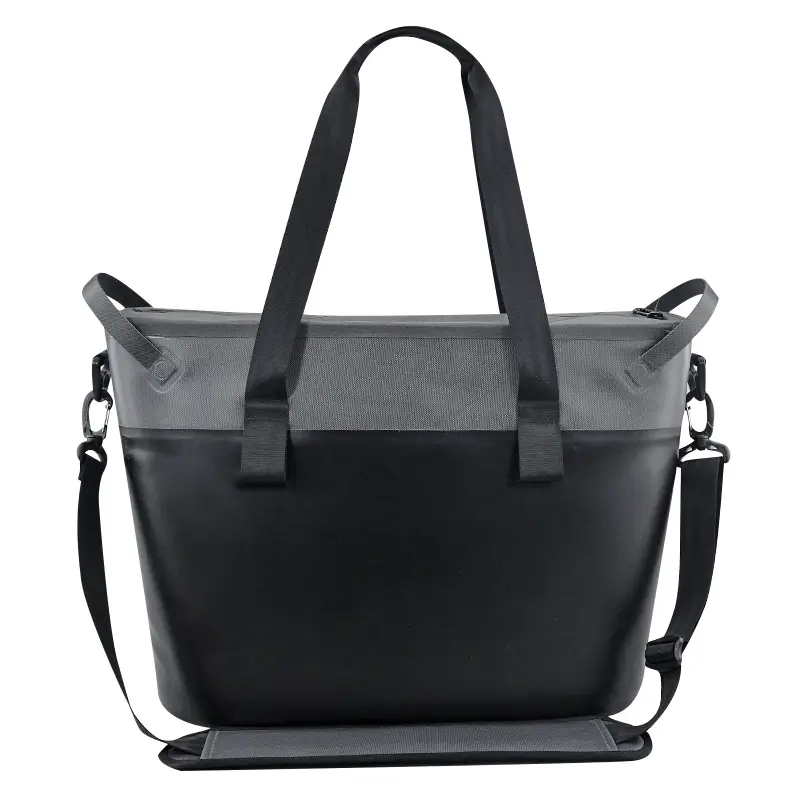
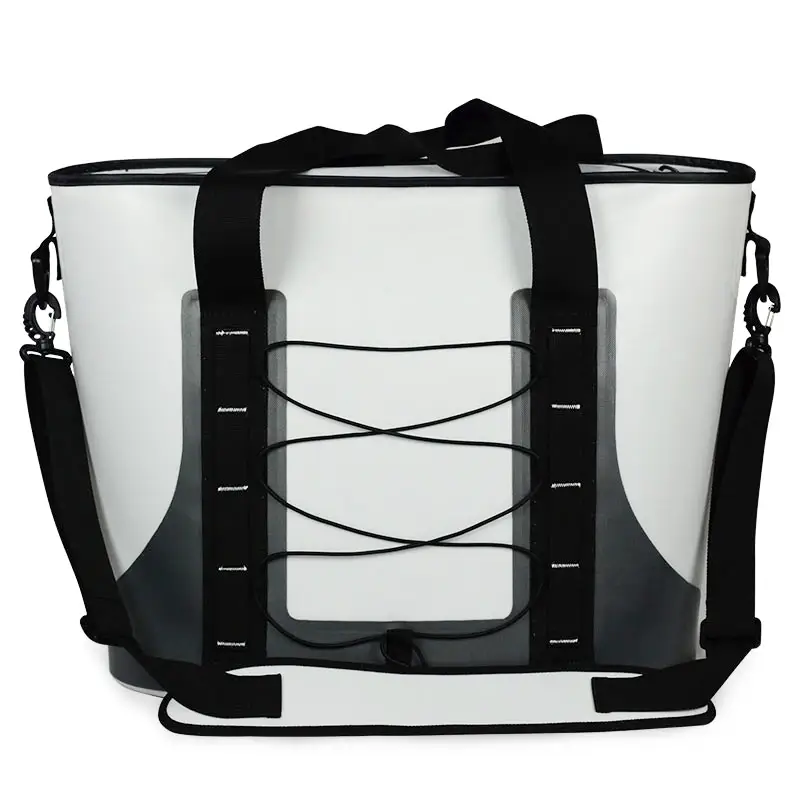
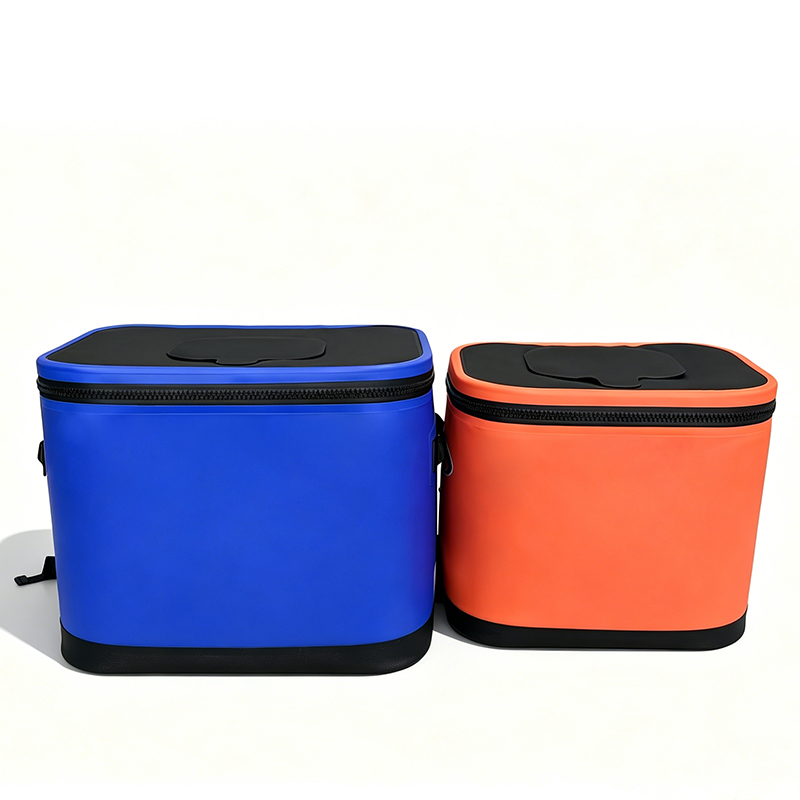
Insulated Cooler Backpack, molded lid (SL-E050B) | Fast wide opening for beach days, reinforced base to stand upright on sand, two sizes from one design | View |
|
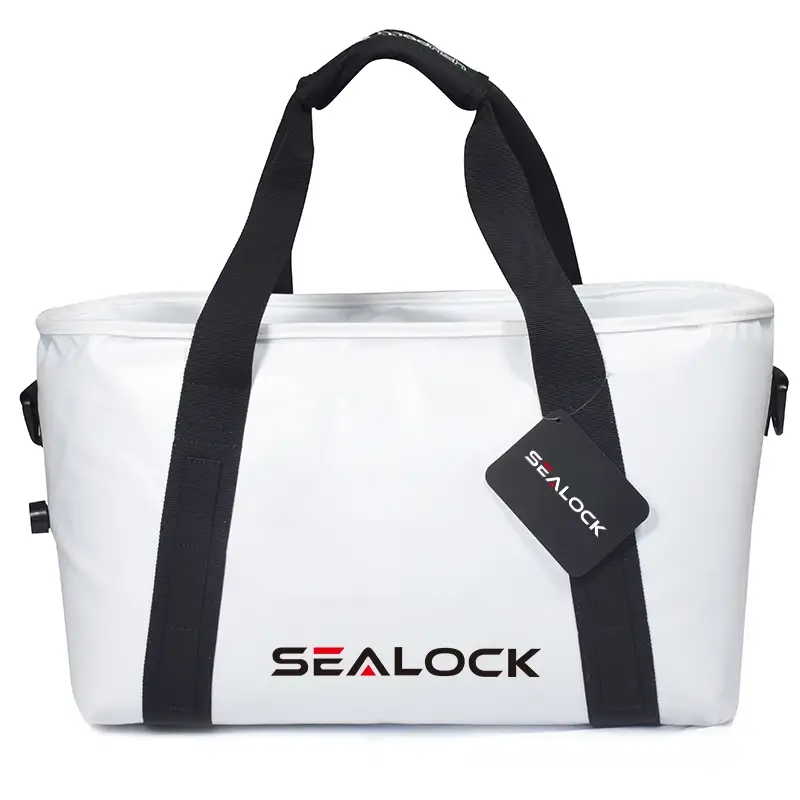
Insulated Fish Kill Bag (SL-C377) | 50 × 30 × 30 cm; larger sizes to 120 cm for offshore species — length matters more than litres so the fish lies flat | View |
Our customers include international brands such as Stanley, YETI, Hydro Flask, Osprey, Musto and Simms. The same lines and quality systems run a 300-piece order.

Working Terms
| Company | YiFuLong Outdoor Gear Co., Ltd. — manufacturer since 2003, registry-verifiable |
|---|---|
| Factories | Dongguan, Guangdong, China + Ho Chi Minh City, Vietnam; three high-frequency welding factories and in-house sewing lines; 20,000+ m² |
| MOQ | 300 pcs per design (per size and colourway); negotiable on custom programmes |
| Lead times | Samples 7–15 days; production 30–45 days; FOB |
| Labelling | Country-of-origin marking, care labels, English instructions, hangtags and retail packaging applied at the factory to your specification |
| Liners | Food-grade across the range; migration testing arranged for your evidence requirements |
| Testing | Water-immersion batch testing; multi-channel temperature testing for cold-hold; salt spray, abrasion, tensile, adhesion, colour fastness |
| Quality | IQC / IPQC / OQC, in-line weld inspection, AQL sampling, gold-sample sign-off; SGS or QIMA welcomed |
| Certifications | ISO9001, BSCI, SMETA P4, GRS, HIGG, SCAN |
| Development | Private label, ODM or full ground-up OEM |
FAQ
Q: When should I order for an Australian summer?
A: Work backwards from your on-shelf date. For stock landing October to November, production runs roughly July to September, which puts the order commitment around May to June once you allow for sampling, revisions, material inbound, ocean freight and clearance. That window falls in our quieter period, so lead times are more reliable and your order gets better attention than a northern-hemisphere peak-season slot.
Q: Does the Spring Festival shutdown affect my order?
A: Much less than it affects northern-hemisphere buyers, whose ordering window sits directly across it. A southern summer programme produced mid-year avoids the shutdown and the recovery period entirely. It only becomes a factor if you leave the order very late or plan a rapid mid-season reorder.
Q: What should I specify differently for Australian conditions?
A: Go a tier above what trip length alone suggests, because heat load is higher than ambient temperature implies — sand and paving in direct sun conduct heat straight through the base. Add a reinforced base, UV-stable shell materials, lighter colourways for beach ranges, and corrosion-resistant hardware if it will see salt. And have the cold-hold measured rather than estimated, since you will be advertising it in a hotter market than the test conditions most figures come from.
Q: Can you apply Australian labelling at the factory?
A: Yes — country-of-origin marking, care labels, English instructions, importer details, hangtags and retail packaging, all to your specification. The common border failures are missing origin marking, instructions not in English, or absent required markings, and all of them are specification problems rather than manufacturing ones. Send your labelling requirements with the product spec and they go on at source.
Q: What food-contact evidence can you provide for the liner?
A: All our insulated bags use food-grade inner liners, and we can arrange migration testing — commonly against FDA 21 CFR or EU Regulation 10/2011, which many AU and NZ buyers use as their evidence base. Requirements vary by market and by how you sell, so confirm what your compliance adviser or retail customer requires and tell us before production.
Q: Are you a factory?
A: Yes — YiFuLong Outdoor Gear Co., Ltd., manufacturing insulated and waterproof bags since 2003, with three high-frequency welding factories and our own sewing lines in China and Vietnam. Ask us anything technical about welding frequency, weld parameters or in-line inspection; the answers come from the people running the lines. We welcome audits and live video walkthroughs.
Sealock — YiFuLong Outdoor Gear Co., Ltd.
Insulated cooler bags for Australian and New Zealand brands, manufactured in China and Vietnam since 2003.
Email: info@sealock.com.hk · Phone: +86-13632981825 · MOQ 300 pcs · samples 7–15 days
Send your specification and your on-shelf date — we will quote the build and map the calendar.
Regulatory references reflect publicly available Australian and New Zealand sources as of mid-2026 and are general information, not legal or compliance advice. Labelling, product safety and food-contact requirements differ by product, market and channel — confirm applicable obligations with a qualified adviser or your customer before importing. Lead times and production windows are typical and confirmed per order at quotation.