News

Picnic Cooler Backpacks: Everyday Insulation for Families

2026-08-20 0 Leave me a message
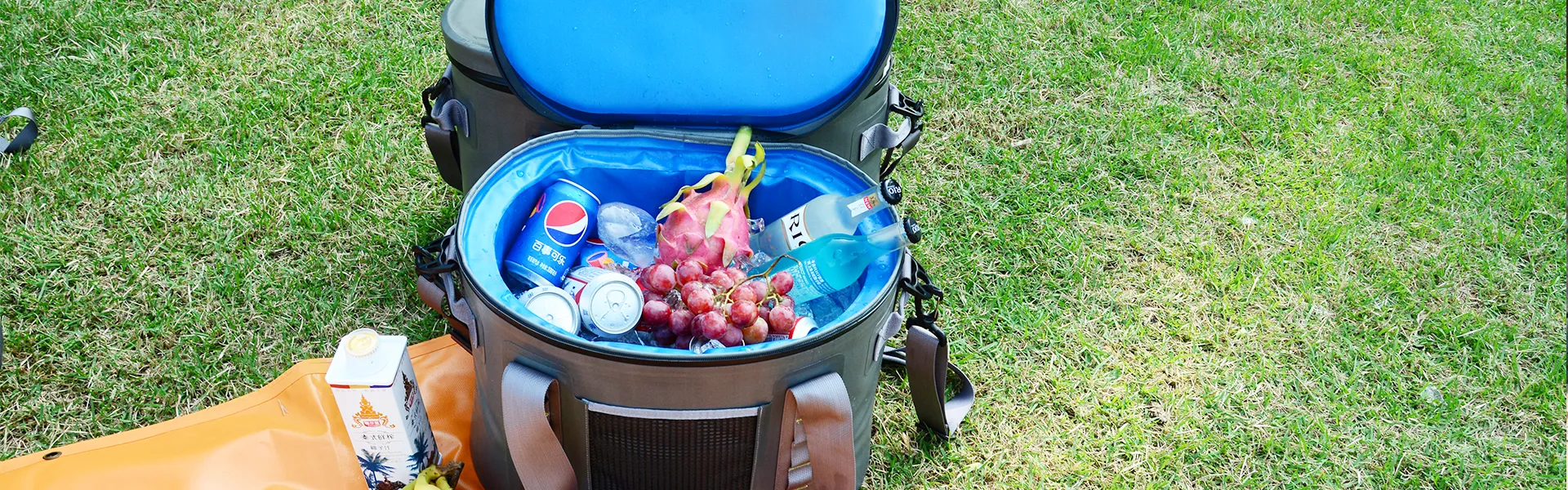
A family picnic cooler has an easier job than an expedition pack — a few hours, not days — but a more important one. It is carrying food that children will eat, often in summer heat, often sitting out on a rug while everyone plays. The specification that matters here is not 48-hour ice retention; it is keeping food out of the temperature range where bacteria multiply, being genuinely easy to carry with a toddler in the other hand, and being cleanable enough to use week after week without becoming a health problem itself. This guide covers all three. Sealock (YiFuLong Outdoor Gear Co., Ltd.) builds welded cooler backpacks with food-grade liners across its range.


The Rule That Should Shape Every Family Picnic

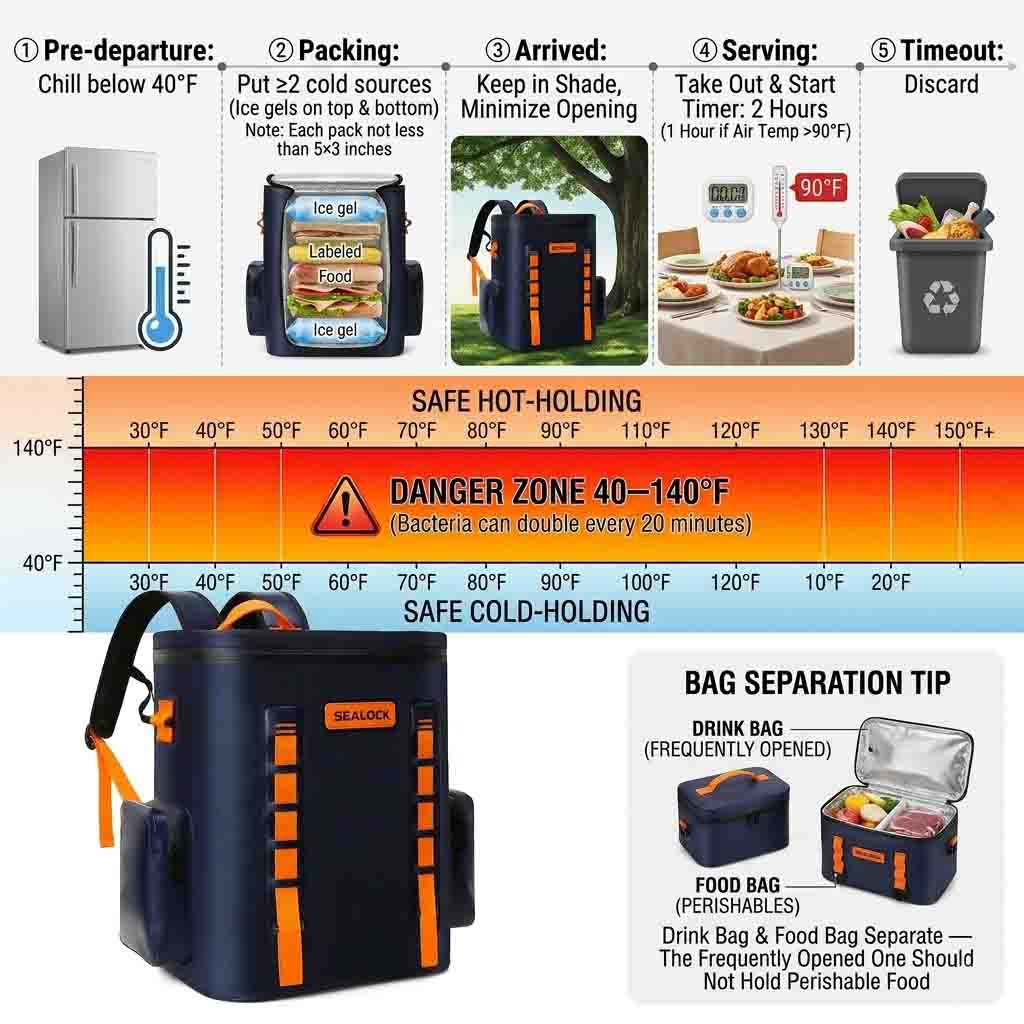
Food safety authorities are unanimous and specific, and it is worth knowing the exact numbers rather than a vague sense that food "should be kept cold." The FDA states it plainly: never let picnic food remain in the "Danger Zone" — between 40°F and 140°F — for more than 2 hours, or 1 hour if outdoor temperatures are above 90°F, because this is when bacteria in food can multiply rapidly and lead to foodborne illness. The pace is faster than most parents realise: at temperatures between 40 and 140 degrees, bacteria can double in number in as little as 20 minutes.

Two consequences follow that change how a family should use a cooler.

First, the clock starts when food leaves the cooler, not when you arrive. The FDA is explicit: cold perishable food should be kept in the cooler at 40°F or below until serving time, and once served it should not sit out longer than 2 hours — 1 hour if the outdoor temperature is above 90°F — and if it does, discard it. Food goes back in the cooler between servings, not on the rug for the afternoon.

Second, children are the reason to be strict. Children typically have a higher risk of foodborne illness because their immune systems are not sufficiently developed to resist the bacteria that can grow on foods, and according to the CDC, almost 50% of annual salmonella infections happen to infants and school-age children.

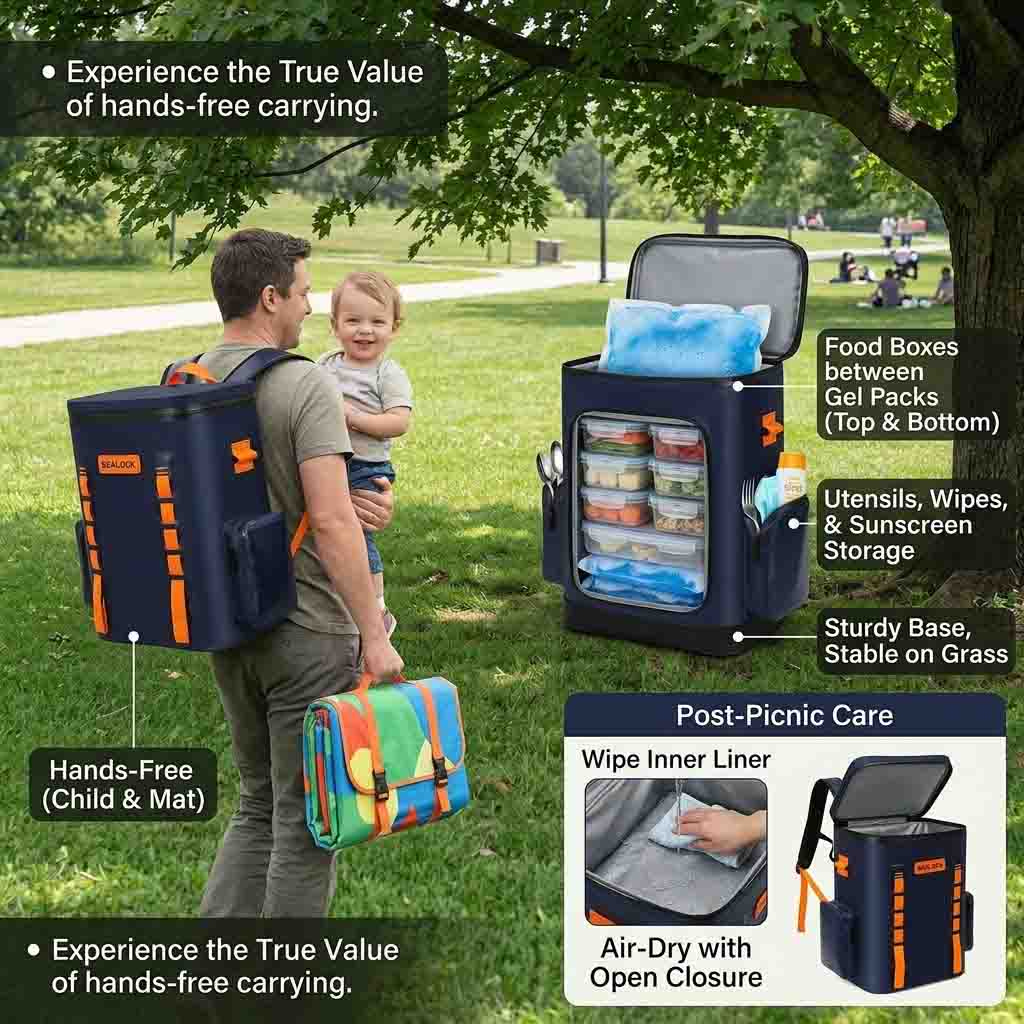
Pack at least two cold sources. USDA guidance is specific about quantity, not just presence: insulated soft-sided lunch bags or boxes are best for keeping food cold, but pack at least two ice sources with perishable food — two frozen gel packs (not smaller than 5×3 inches each), or a frozen gel pack combined with a frozen juice box or frozen bottle of water, frozen overnight. Placement matters too: place them on top of and below the perishable food items. Cold sinks, so a pack on top does more than a pack underneath alone.


The two-cooler idea, family version

The FDA suggests the same separation that serious campers use, for the same reason: consider packing beverages in one cooler and perishable foods in another, so that as picnickers open and reopen the beverage cooler to replenish drinks, the perishable foods are not exposed to warm outdoor air, and once at the picnic site, limit the number of times the cooler is opened. For a family this is very practical: drinks and snacks in the bag everyone raids, the actual meal in a bag that stays shut until you eat.

One more from the same guidance that matters with kids around: keep raw meat, poultry and seafood securely wrapped so their juices cannot contaminate prepared or cooked foods, or foods that will be eaten raw such as fruits and vegetables. If you are bringing raw burgers to grill, they need to be sealed and ideally separated from the salad.

picnic food safety timeline showing the danger zone and the 2-hour rule with cooler packing steps

Hygiene: The Part Families Forget

A cooler used every weekend, and often for school lunches in between, becomes a food-contact surface with a long service life — and spills, crumbs and condensation accumulate. The guidance for children's lunch bags applies directly: clean the lunchbox, thermos and containers with hot, soapy water every day, and let everything dry completely before storing to prevent mould and bacteria growth.

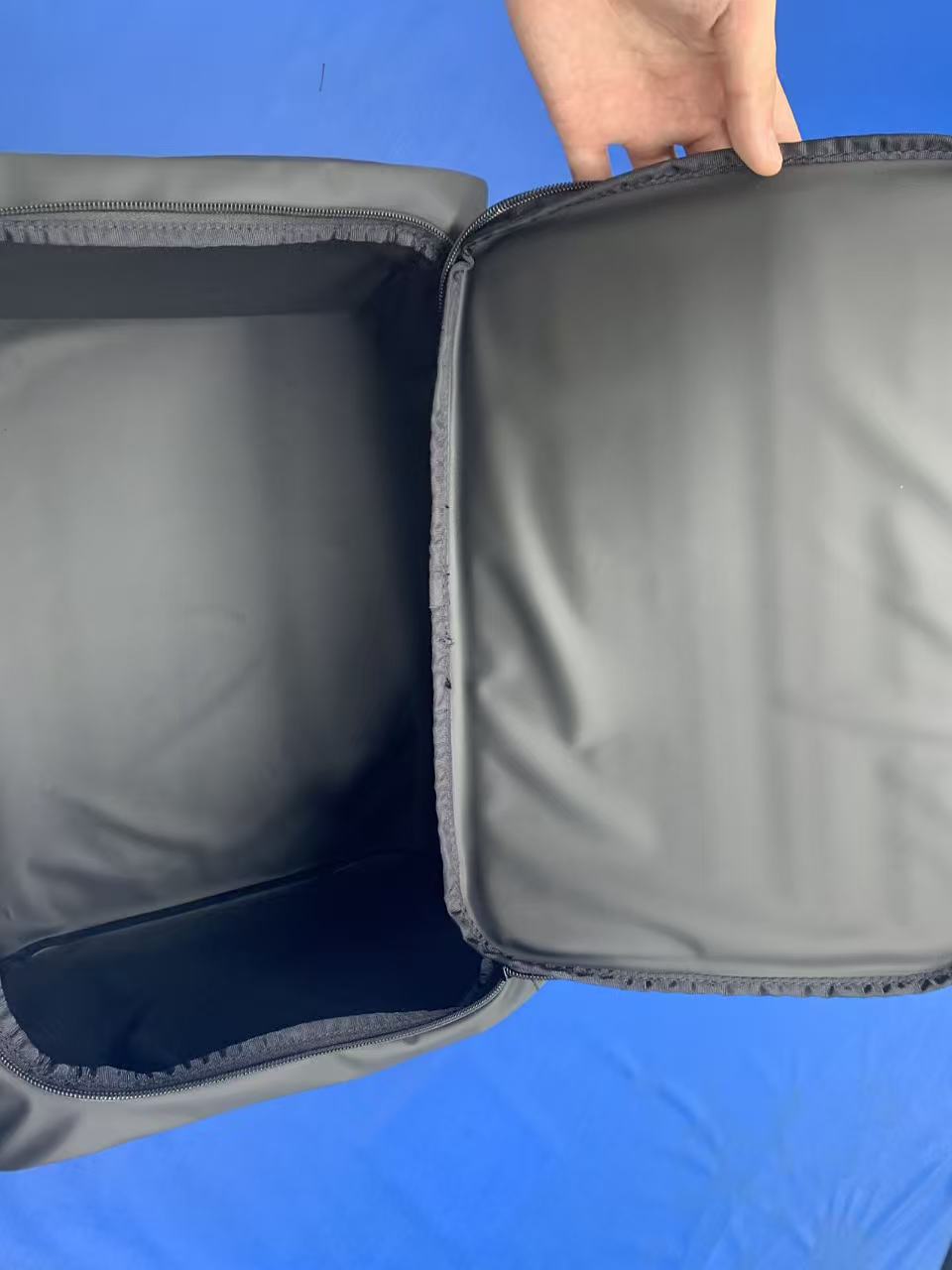
This is where construction quality translates into hygiene rather than just durability. A welded, smooth, food-grade liner has no stitch lines or seam channels for crumbs and moisture to lodge in, and wipes out in seconds; a stitched fabric liner traps residue in its seams where it is almost impossible to clean properly. Every Sealock insulated bag uses a food-grade inner liner across the range, and the welded construction is what makes that liner genuinely cleanable rather than nominally food-safe. The liner materials and compliance side is covered in Custom Insulated Cooler Backpacks: Spec Your Foam, Liner & Capacity.

The habit that matters most: dry it fully, open, before storing. A cooler zipped shut damp — after a picnic, in a cupboard, until next weekend — is the standard recipe for mould and odour. Wipe the liner, leave the bag open until it is completely dry, then store it. This single habit does more for a family cooler's hygiene and lifespan than any material specification.


What Actually Matters in a Family Picnic Backpack

The priorities here are different from every technical use case covered elsewhere on this site — and honestly stated, that means not over-specifying.

Requirement For family picnics Why
Cold-hold 24-hour class is ample; the real target is a few hours below 40°F A picnic is hours, not days — paying for a 50 mm expedition wall is paying to carry weight you do not need
Capacity Enough for a family meal plus two cold sources — a 36-can-class bag suits four people comfortably Remember a share of the space is coolant, not food
Carry Backpack straps, so hands stay free The whole reason a family chooses a backpack over a tote — children, rugs, and everything else need hands
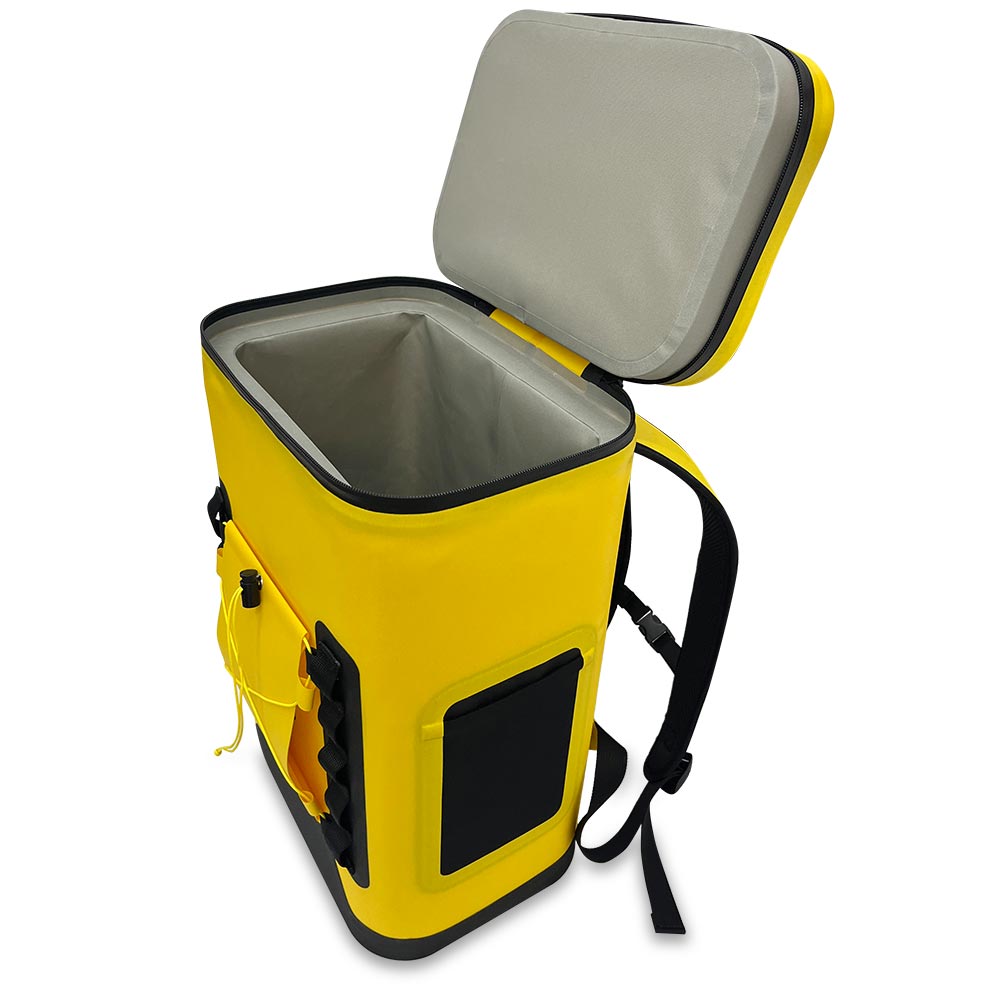
Access Wide, fast opening You will open it repeatedly; a fiddly closure is a daily annoyance
Liner Food-grade, welded, wipe-clean Weekly use plus children means hygiene is a real requirement
Leakproofing Welded body and liner Melted ice on a car seat is the classic family cooler complaint
Base Reinforced, stable when set down Grass, gravel and park benches; a bag that tips spills the lot
External pockets For cutlery, wipes, sunscreen, keys Keeps the cold chamber closed — which protects the food

Note the first row especially. For most family use, a 24-hour-class closed-cell wall in a lighter, cheaper bag is the better product than a heavy expedition build. Specifying the biggest number available is not the same as specifying well.

Sealock's Picnic and Everyday Cooler Backpacks

Sealock welds insulated cooler bags at 27.12 MHz across three factories in Dongguan, China and Ho Chi Minh City, Vietnam, with food-grade inner liners across the entire range. Real builds suited to family picnics, chosen by fit rather than rank:

Image Model Capacity & build Family fit Link
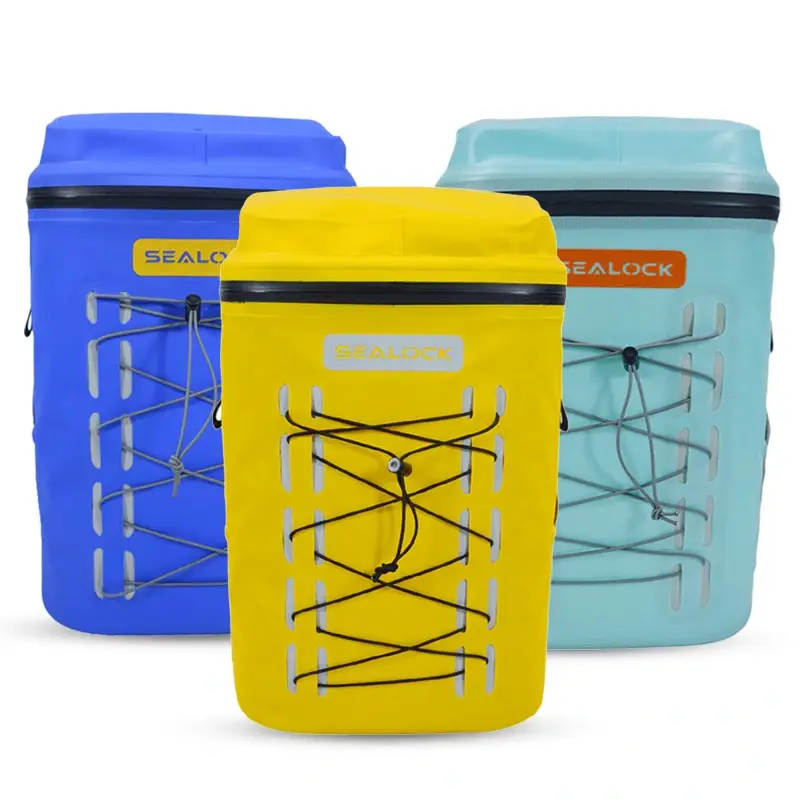
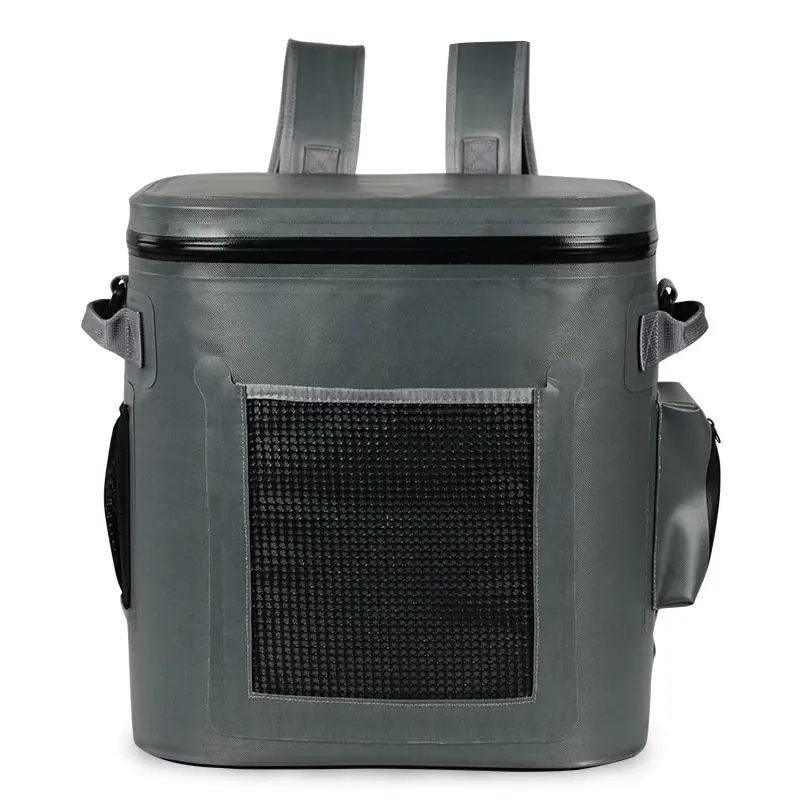
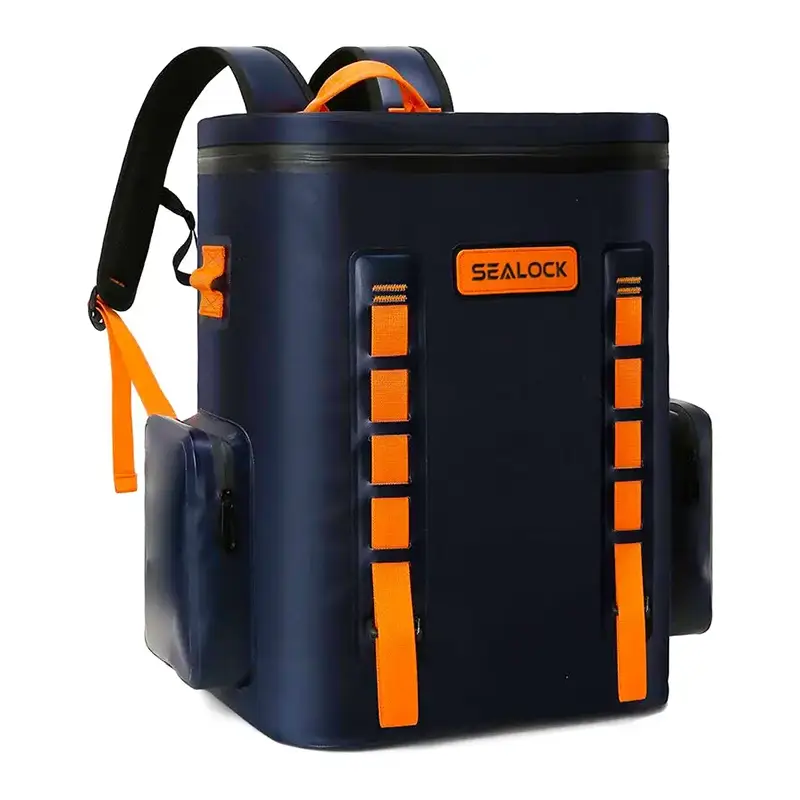
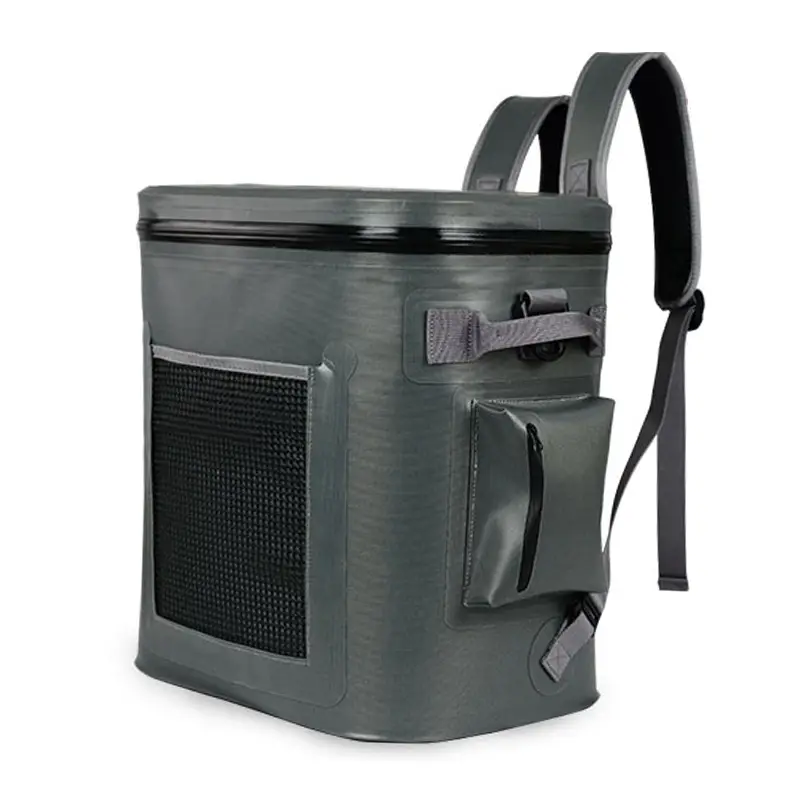
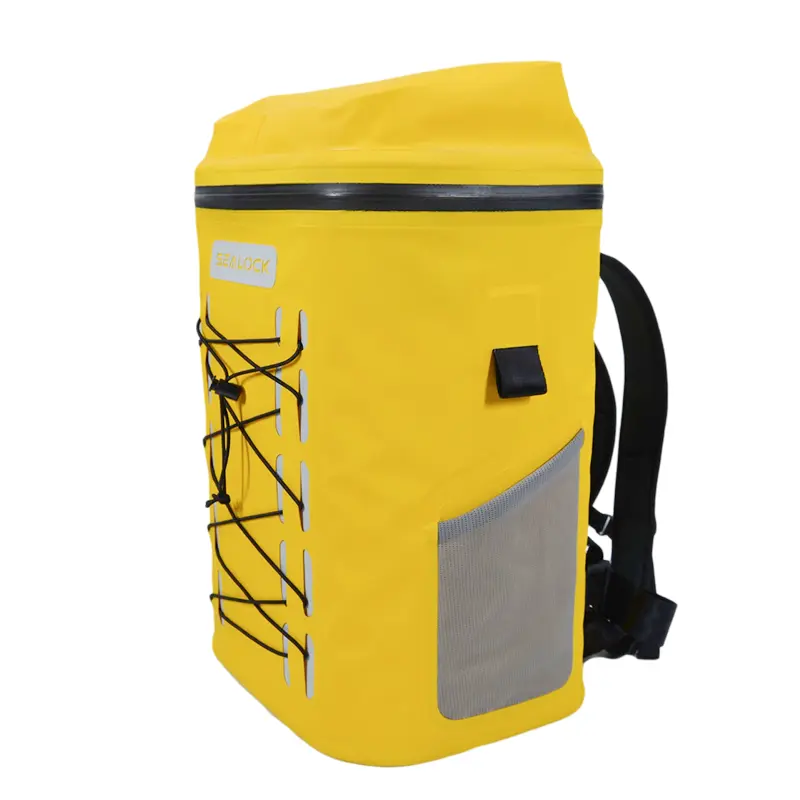
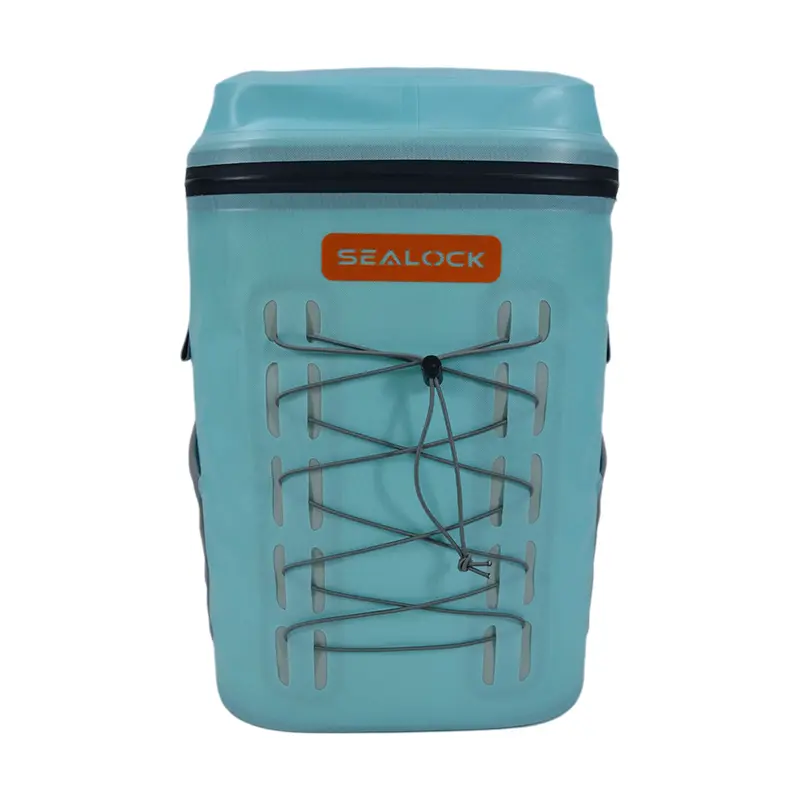
Insulated leakproof cooler backpack SL-I075A Insulated Leakproof Cooler Backpack (SL-I075A) 36-can, 840D PVC tarpaulin, EPE foam, PEVA film liner Family-meal capacity with a wipe-clean liner; blue, yellow or green View
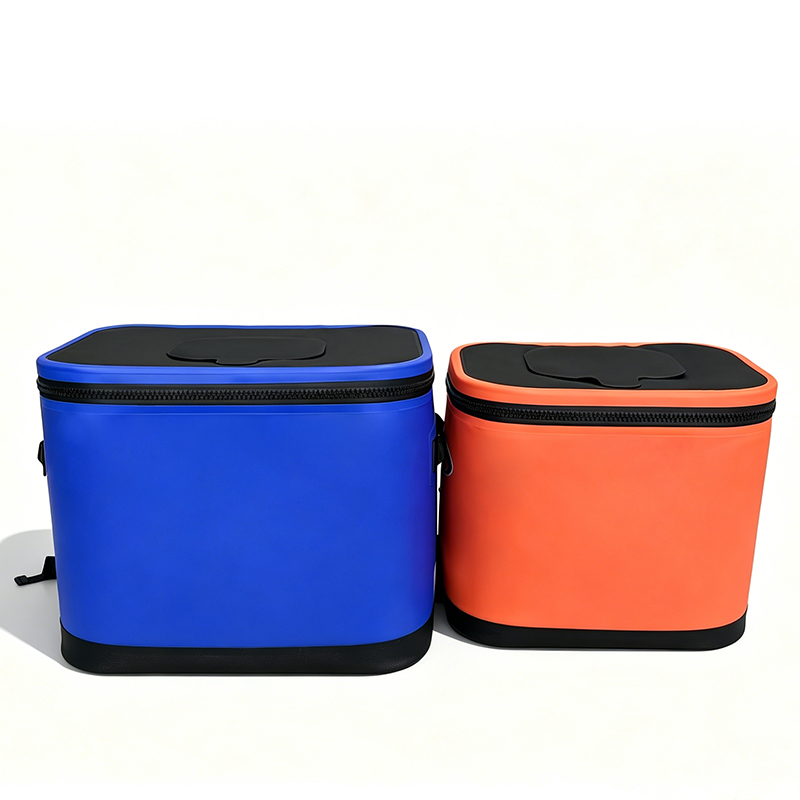
Insulated soft cooler backpack with molded lid SL-E050B Insulated Cooler Backpack, molded lid (SL-E050B) ~25L, closed-cell EPE, ~24 hr, two sizes Molded flip lid with recessed handle opens wide and fast — ideal when you are in and out of it all afternoon View
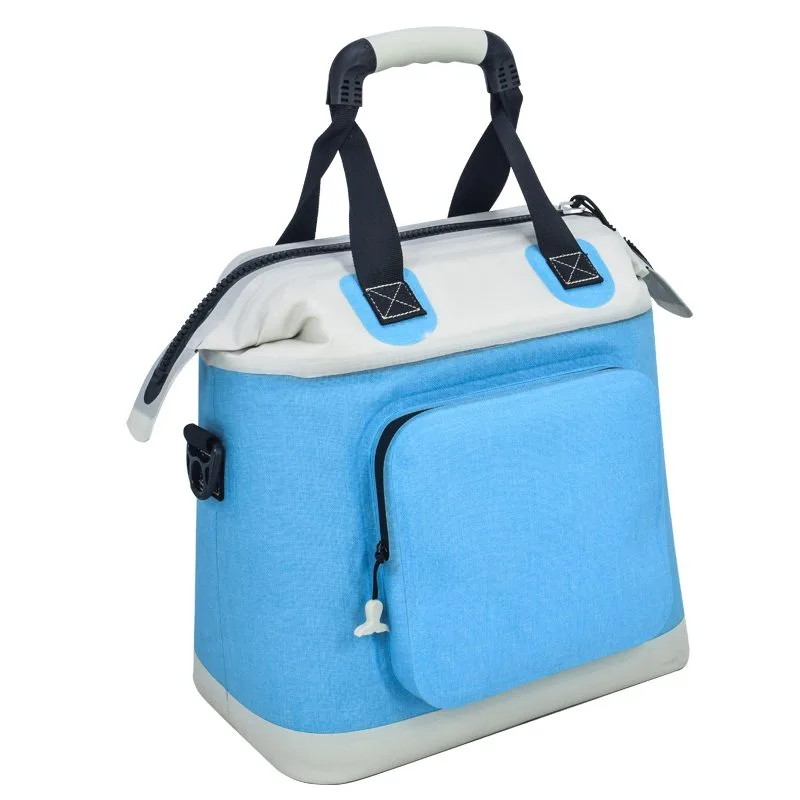
Insulated backpack cooler SL-I014 Insulated Backpack Cooler (SL-I014) 36-can, 840D PVC tarpaulin, EPE foam, PEVA film liner Straightforward everyday family carrier; customisable colours View
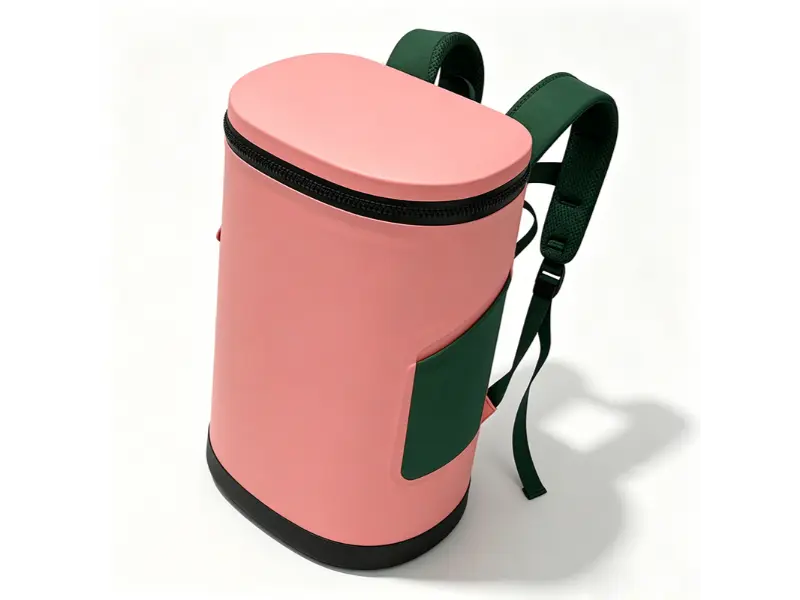
Barrel insulated cooler backpack SL-I309 Barrel Cooler Backpack (SL-I309) ~18L, closed-cell EPE, ~24–36 hr, ~1.3 kg Lighter and smaller for park trips and smaller families; sternum and waist straps make a loaded carry comfortable View
Soft insulated cooler backpack SL-I232 Soft Insulated Cooler Backpack (SL-I232) 36-can, 840D PVC tarpaulin, EPE foam, PEVA film liner Camping, hiking or picnics; blue or grey View

These are deliberately the everyday builds rather than the expedition ones. A family picnic does not need a 50 mm immersion-rated wall, and a lighter, simpler, wipe-clean bag at a sensible price is the better answer for the use.

family-picnic-cooler-backpack-placeholder.jpg

A Family Picnic Checklist

  1. Chill everything first. Food should go in already cold, at 40°F or below — a cooler keeps cold, it does not create it.
  2. Two cold sources minimum, one above and one below the perishables. Frozen drinks count and become drinks later.
  3. Separate drinks from the meal if you can — the drinks bag absorbs all the opening.
  4. Wrap raw meat separately if you are bringing it to grill.
  5. Keep the bag shaded and closed at the site.
  6. Watch the clock once food is out — 2 hours, or 1 hour above 90°F, then it goes back in or gets thrown away.
  7. Wash and fully dry the liner before storing.

For Brands: Developing a Family Picnic Range

Family picnic is a volume category where the specification should be tuned to the use rather than maximised, and demanding briefs are still welcome. Beyond colour and logo, Sealock develops ground-up from a sketch, sample or performance target: a closed-cell insulation tier sized to a realistic few-hours-to-24-hour cold-hold rather than an expedition wall, a wipe-clean welded food-grade liner, a wide fast-opening closure suited to repeated access, welded leakproof containment so meltwater never reaches a car seat, a comfortable harness for a parent carrying a loaded bag plus a child, external pockets for cutlery and sundries, a reinforced base for stability on grass, and family-friendly colourways and branding. Premium insulation tiers up to VIP vacuum panels and aerogel are available where a brand wants a premium family flagship. Ground-up work runs longer at sampling, so book against the season. See OEM Soft Cooler Backpacks: What You Can Customize Beyond Logo & Color and Custom Soft Cooler Backpacks: Materials, Sizes & Branding Options.

MOQ / lead time 300 pcs per design; samples 7–15 days; production 30–45 days; FOB Guangdong
Origin China or Vietnam on the same specification
Certifications ISO9001, BSCI, SMETA P4, GRS, HIGG, SCAN

FAQ: Picnic Cooler Backpacks

Q: How long can picnic food safely stay out?

A: Two hours — or just one hour if the outdoor temperature is above 90°F. Between 40°F and 140°F bacteria multiply rapidly, doubling in as little as 20 minutes, so food should stay in the cooler at 40°F or below until serving and go back in afterwards. Anything left out beyond the limit should be discarded rather than repacked.

Q: How many ice packs should I use?

A: At least two cold sources with perishable food — two frozen gel packs no smaller than about 5×3 inches each, or one gel pack plus a frozen juice box or frozen water bottle. Place them above and below the food, since cold sinks. Frozen drinks are efficient because they chill on the way and are drinkable later.

Q: How much cold-hold does a family picnic backpack need?

A: Far less than the marketing suggests. A picnic is a matter of hours, so a 24-hour-class closed-cell wall is ample, and choosing a lighter, simpler bag over a 48-hour expedition build means less weight to carry and less money spent on performance the use never calls on.

Q: How do I keep a family cooler bag hygienic?

A: Wash it with hot soapy water after use — daily if it doubles as a lunch bag — and let it dry completely before storing, because storing it damp is what causes mould and odour. A welded, smooth food-grade liner is far easier to clean properly than a stitched fabric one, which traps residue in its seams.

Q: Should drinks and food go in the same cooler?

A: Ideally not. Drinks get fetched constantly, and every opening lets warm air in, so keeping beverages in one bag and perishable food in another means the food stays cold and safe while the drinks bag absorbs the traffic. If you only have one bag, keep it shaded and closed and take everything out in one go.

Q: Why choose a backpack rather than a picnic tote?

A: Hands. Carrying a loaded cooler to a picnic spot usually happens alongside a rug, a bag of toys and often a child, and a backpack keeps both hands free while distributing the weight across your shoulders. For larger loads, a sternum strap or waist belt makes the carry considerably more comfortable.

Sourcing family picnic cooler backpacks? Sealock (YiFuLong Outdoor Gear Co., Ltd.) welds everyday cooler backpacks at 27.12 MHz in China and Vietnam, with food-grade wipe-clean liners across the range and cold-hold classes matched honestly to the use. Tell the team your market and price point, and they will spec a build that fits the family use rather than an expedition one.

Email: info@sealock.com.hk  |  Phone: +86-13632981825  |  Browse the soft cooler range

Food-safety guidance cited here reflects publicly available FDA, USDA FSIS and university extension sources as of mid-2026. It is general information, not medical or food-safety advice for a specific situation — follow current official guidance and local regulations, and when in doubt about whether food has been held safely, discard it.

Related News
Leave me a message
X
We use cookies to offer you a better browsing experience, analyze site traffic and personalize content. By using this site, you agree to our use of cookies.Privacy Policy
RejectAccept