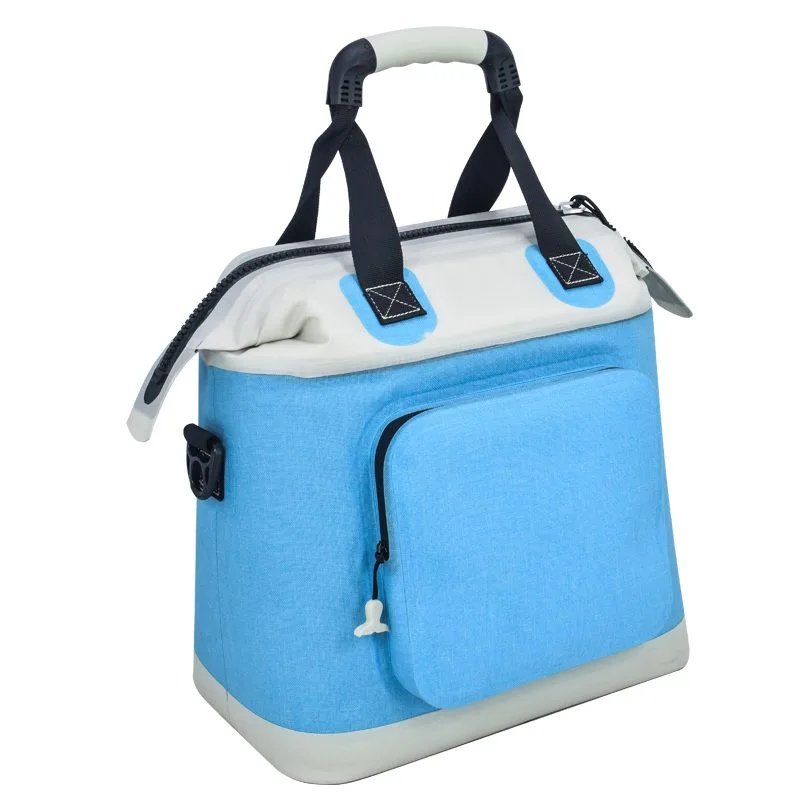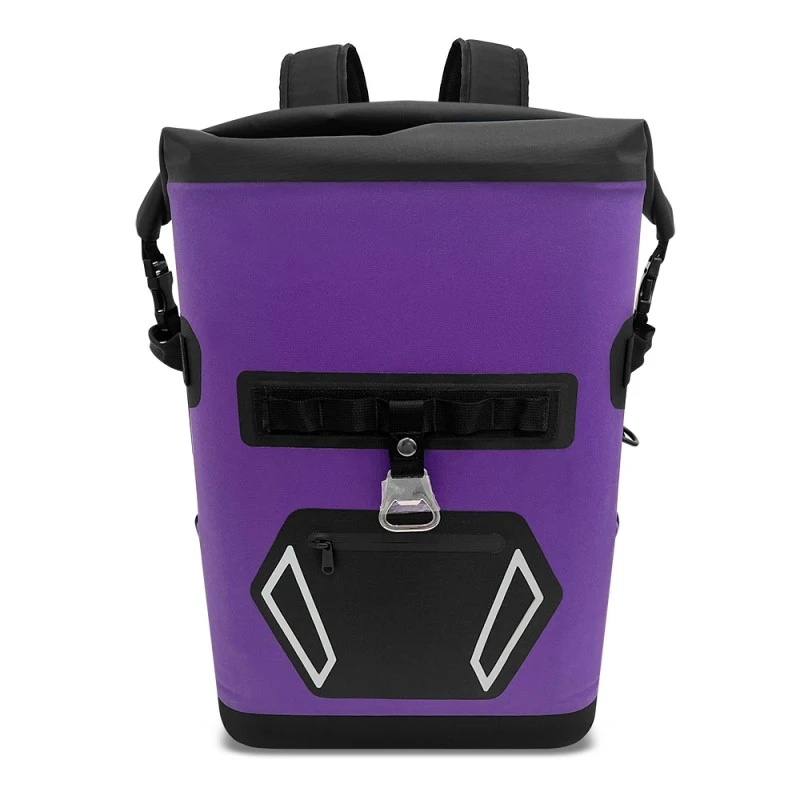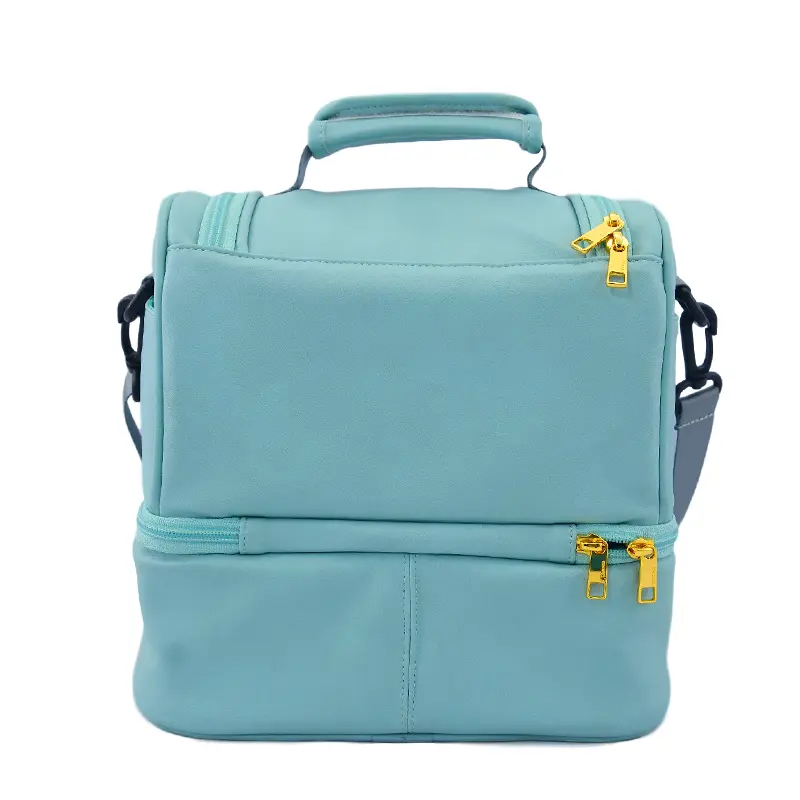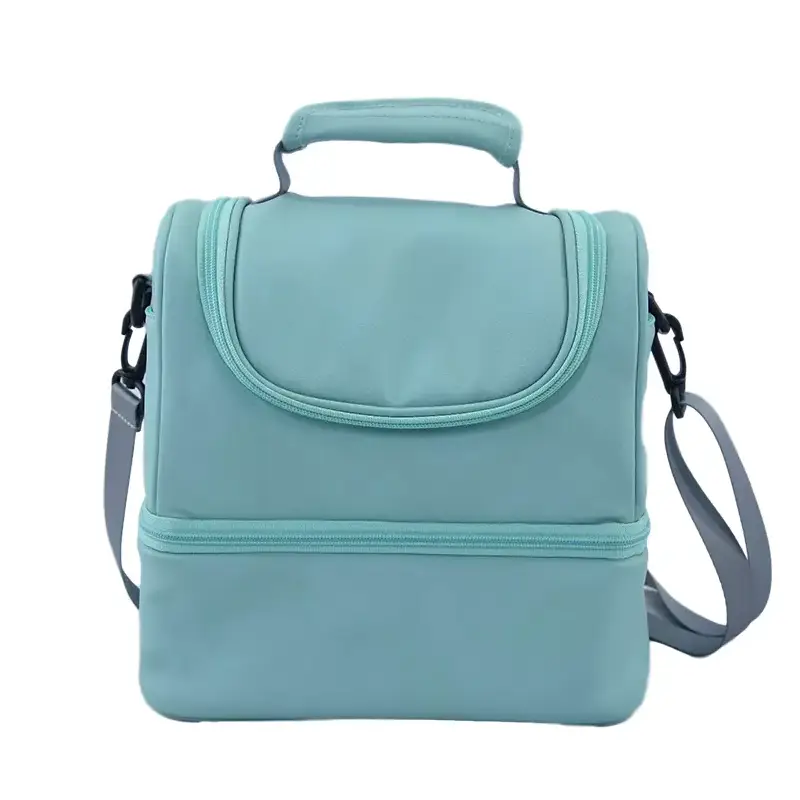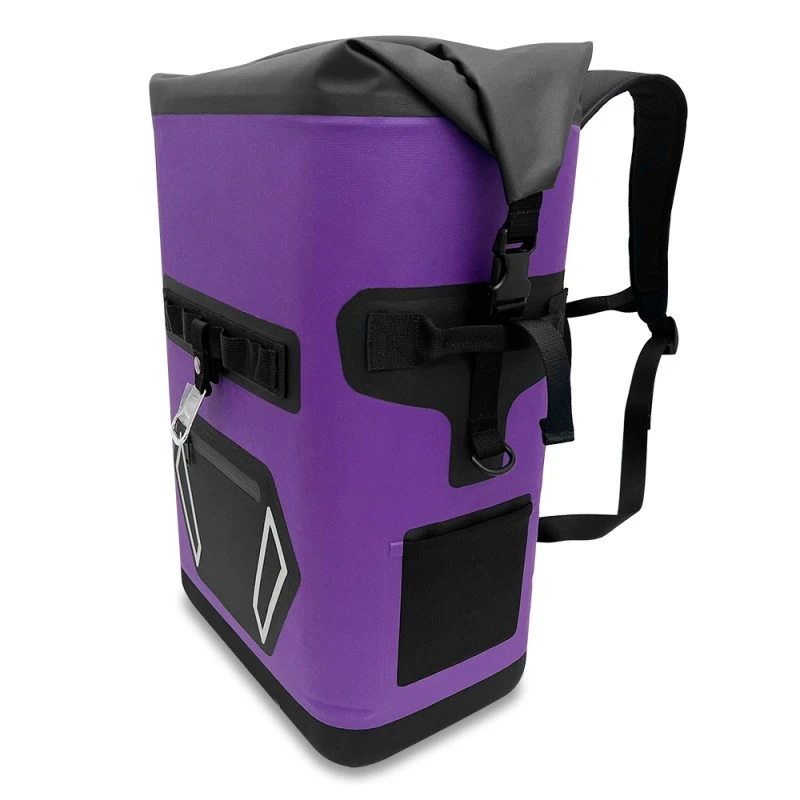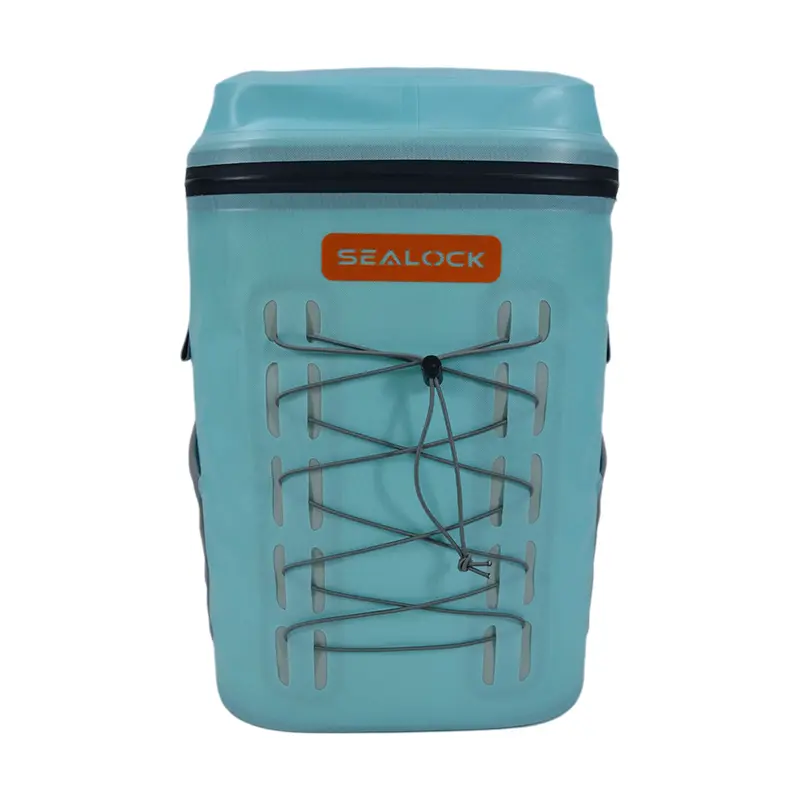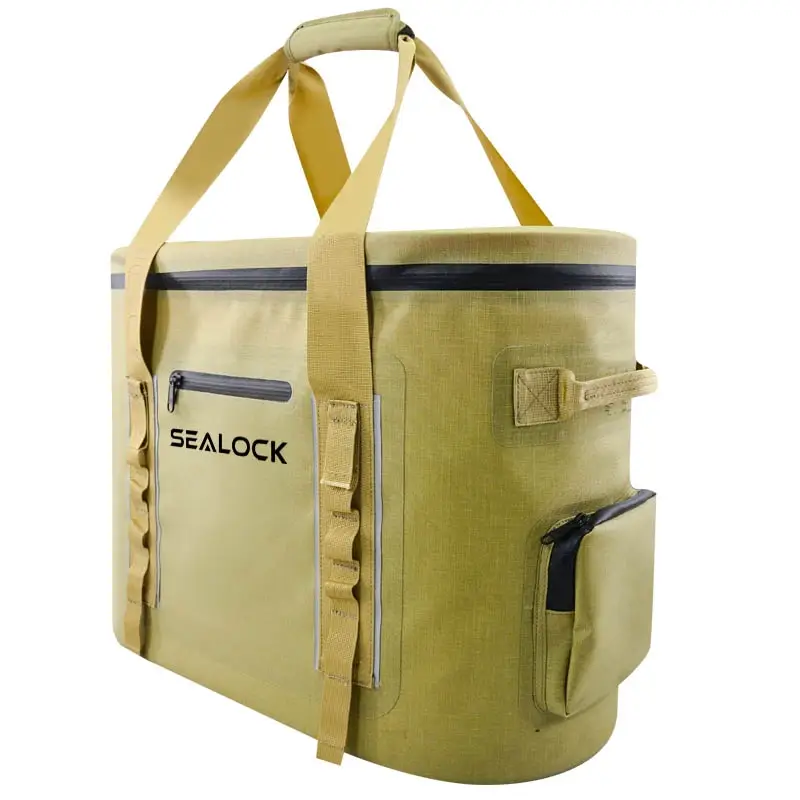
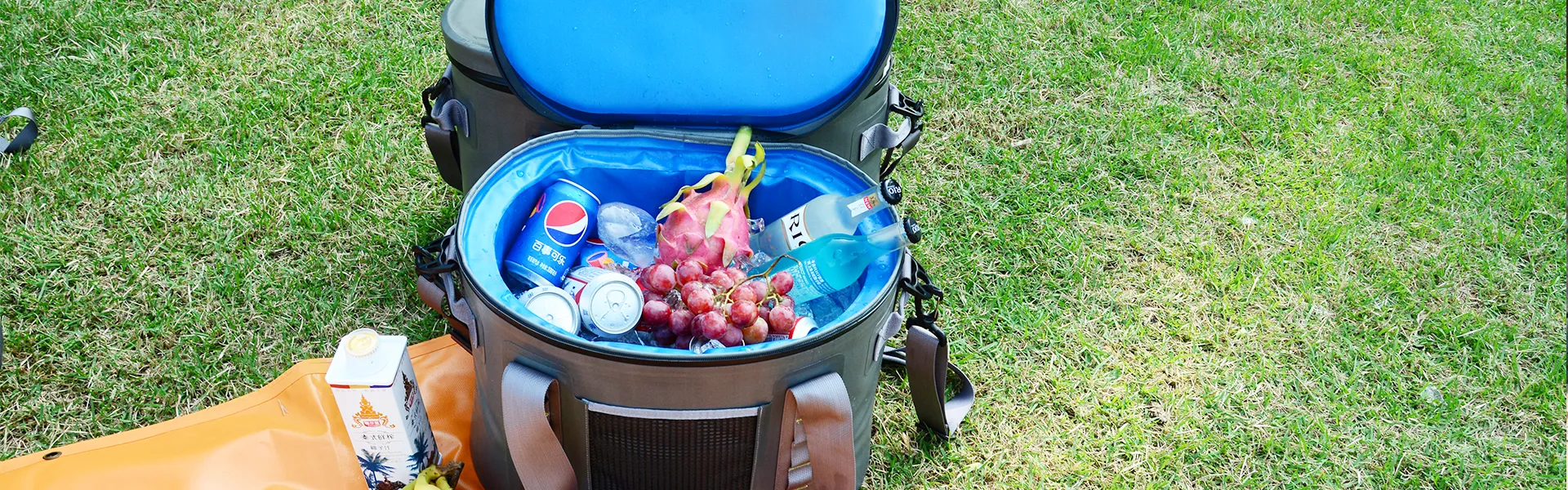
You invested in a premium soft cooler backpack, packed it full of expensive craft ice, and drove out to the lake. Four hours later, you open the zipper to find a tepid pool of water and warm drinks. Even worse, the bottom of the bag is "sweating" and has soaked your car upholstery. Before you throw the bag away assuming it has a puncture, stop. You are likely experiencing a thermodynamic packing failure.
This diagnostic guide bypasses basic marketing claims to help you troubleshoot exactly why your cooler is failing to retain ice, how to identify thermal bridging, and how to execute a proper packing protocol to save your trip.
1. Diagnostic Checklist: Why is My Ice Disappearing?
Symptom A: The "Hot Deck" Thermal Bridge
The Root Cause: Ice does not just melt from the hot air above; it melts from the surface below. If you place a soft cooler flat on hot truck asphalt or a 130°F fiberglass boat deck, the bottom insulation layer compresses under the weight of the cargo. This compresses the foam's air pockets, turning the bottom of your bag into a direct thermal bridge that pumps heat straight into your ice.
Symptom B: Loading "Kinetic" Warm Cargo
The Root Cause: A cooler is not a magic refrigerator; it is a thermal vault. If you buy a 10-pound bag of ice and immediately throw in 12 cans of 80°F room-temperature beer, the ice has to expend massive amounts of thermal energy just to bring the liquid down to a cold baseline. By the time your drinks are cold, 50% of your ice mass is already destroyed.
Symptom C: The Air-Gap Rot
The Root Cause: Air is the enemy of ice. If you buy a massive 40L cooler but only fill it halfway with ice and drinks, you leave 20 liters of dead, warm air inside. The ice will continuously fight to cool that massive air cavity, accelerating the melt rate dramatically. For baseline expectations on volume-to-ice ratios, review our foundational study on how long soft coolers retain ice under load.
2. Condensation vs. Leakage: Why is My Bag Sweating?
One of the most common panic-searches online is: "My soft cooler is leaking water from the bottom." In 90% of cases, it is not a leak; it is natural condensation.
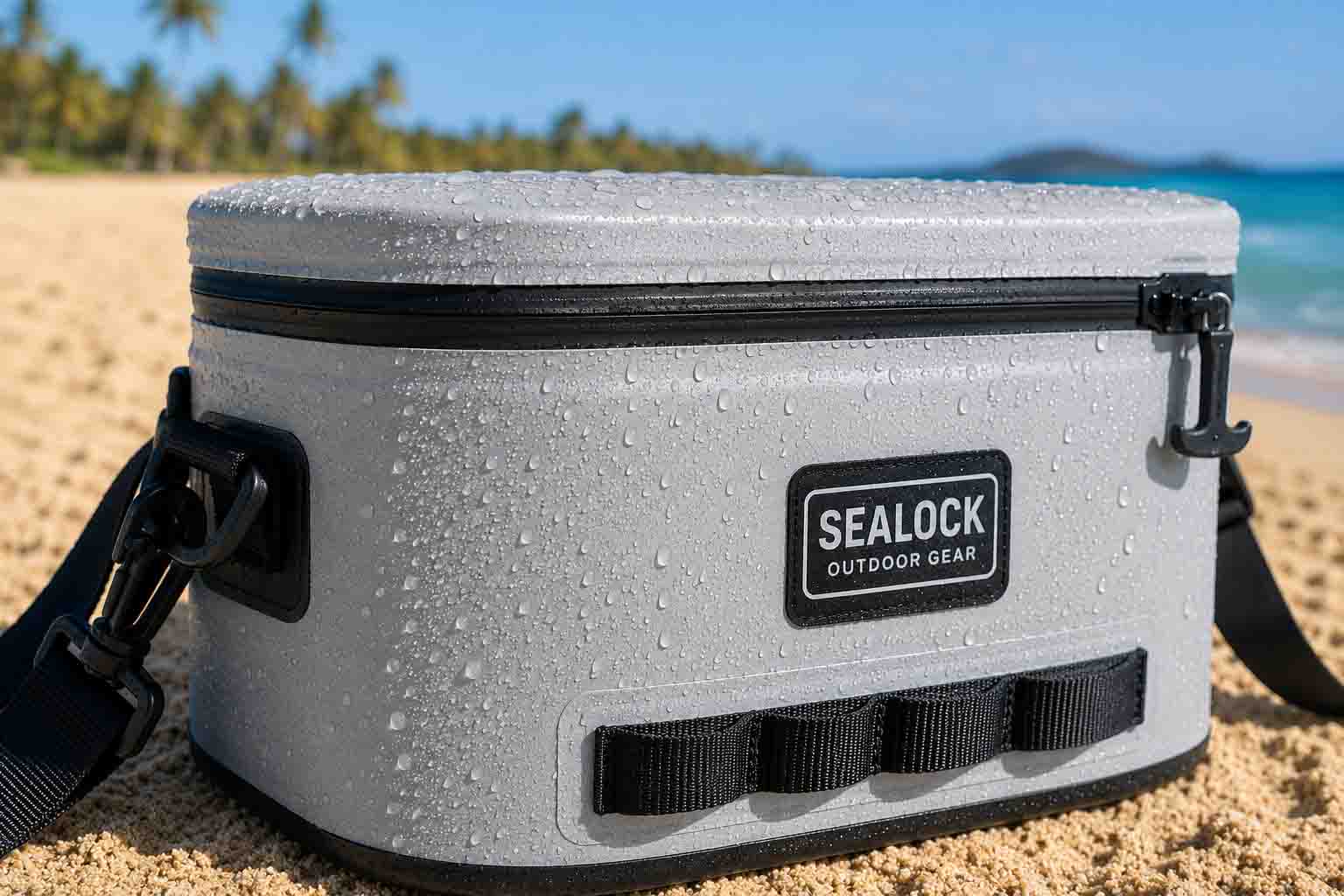
If you load an airtight bag with 30°F ice and place it into a 95°F humid summer environment, the intense temperature differential causes humidity in the ambient air to rapidly cool and condense into liquid water droplets against the cold exterior walls of the bag. This is basic physics.
How to test it: Empty the bag, dry the outside completely, and fill it with tap water (no ice). Let it sit on dry concrete for 15 minutes. If no water appears, your bag's seams are perfectly intact. If you want to dive deep into the manufacturing mechanics of how premium brands prevent actual seam tearing, review our technical engineering audit: Engineering Sweat-Proof and Leak-Proof Soft Coolers.
3. The 3-Step Protocol: How to Stop the Melt
If you want to achieve true 48 to 72-hour ice retention on an offshore fishing trip or a desert camping run, you must execute this specific thermal loading protocol:
Execute Pre-Chilling
Never put fresh ice into a hot cooler that has been sitting in a sunny garage. The hot interior foam will instantly kill your first batch of ice. Put a "sacrificial" bag of cheap ice inside the cooler the night before your trip. Discard the melted water in the morning, and load your fresh, primary ice into the now ice-cold thermal chamber.
The 2-to-1 Golden Ratio
If you want multi-day performance, you must use 2 parts ice to 1 part contents by volume. Furthermore, your drinks or food must already be refrigerated before they go into the bag. Layer heavy block ice at the absolute bottom, place your cold food in the middle, and top it off entirely with crushed ice to fill all microscopic air gaps.
Upgrade Your Base Insulation
If you frequently place your bag on hot boat decks or truck beds, cheap EVA foam will always fail. You must upgrade to a system utilizing thick, high-density NBR (Nitrile Butadiene Rubber) foam floors that resist compression under heavy cargo weight. See how our heavy-duty marine soft cooler backpacks utilize elevated base structures to sever the thermal deck bridge completely.
4. Supply Chain Notice: Preventing High Warranty Returns in Retail Fleets
For outdoor retail distributors, custom promotional product coordinators, and marine outfitting fleets purchasing soft coolers in bulk volume, thermal failure and condensation complaints are the leading drivers of expensive customer warranty returns. When a sourcing network relies on stitched interior seams or low-grade open-cell foams, the product will suffer from fast internal sweating and localized mold rot within one business quarter.
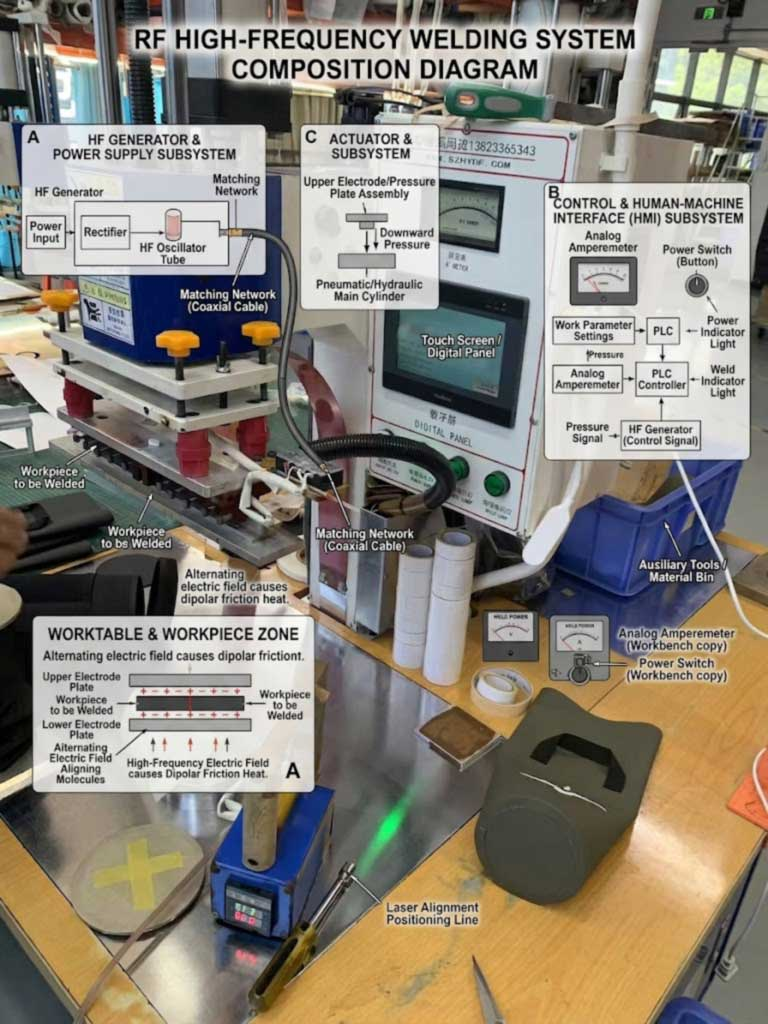
Our direct-to-factory production infrastructure at Sealock eliminates these supply chain liabilities. We engineer all soft coolers utilizing closed-cell NBR insulation cores locked inside high-frequency molecularly welded (RF 27.12MHz) food-grade TPU liners. This absolute airtight containment prevents internal humidity bypass and delivers certified 72-hour ice retention thresholds under extreme commercial abuse. To evaluate our custom private-label insulation parameters, review our automated factory testing logs, or request bulk pricing catalogs for your brand line, procurement managers can connect directly with our Manufacturing Compliance and Sourcing Desk.