News

Can You Put Loose Ice in a Soft Cooler Backpack? (How to Prevent Interior Liner Leaks)

2026-05-26 0 Leave me a message

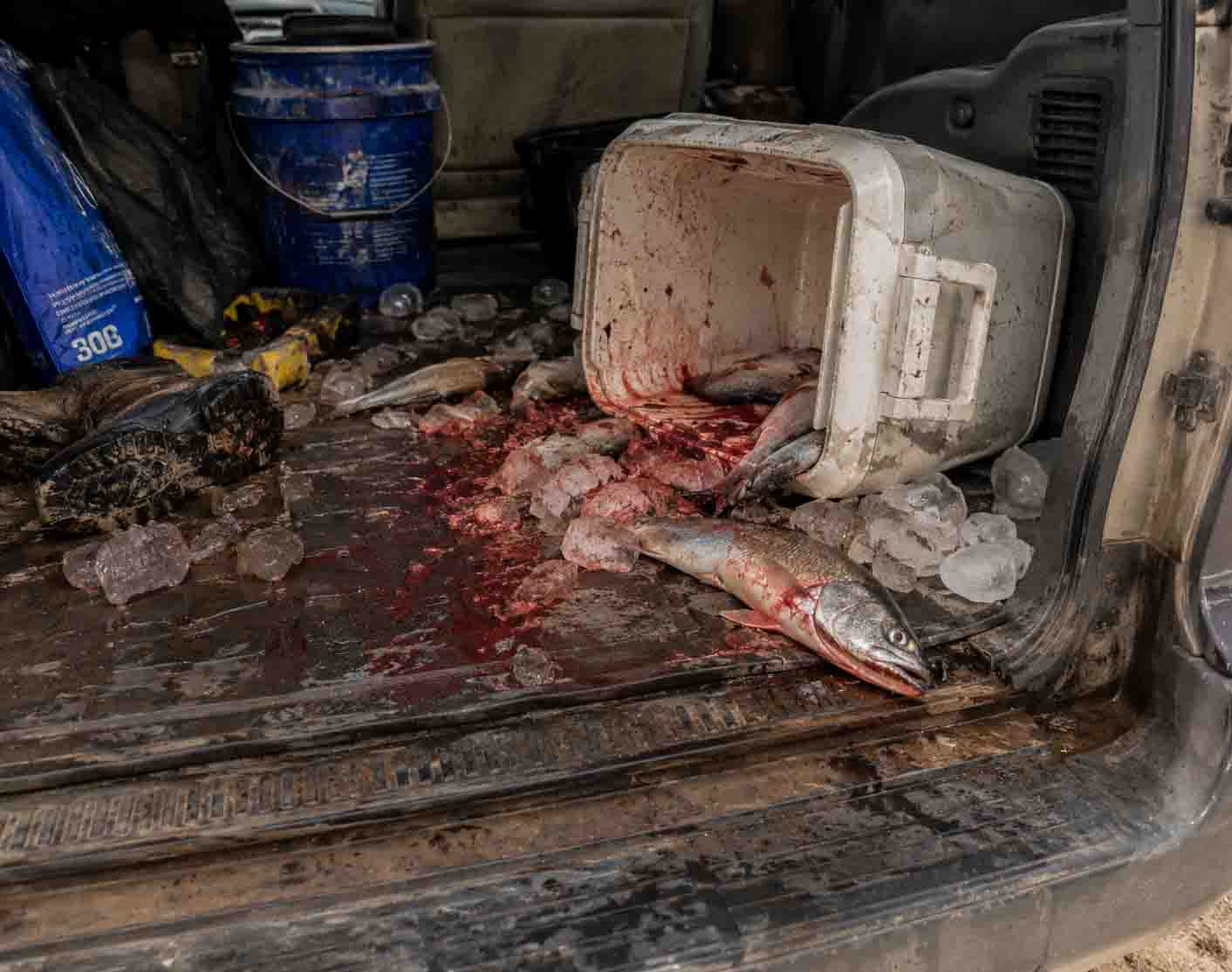
You pull up to your driveway after a hot weekend fishing trip, ready to unpack. But when you lift your heavy gear from the truck, you find a disaster: a dark, smelly puddle has soaked into your floor mats. Your soft cooler bag has failed, leaking a nasty mix of melted ice and fish blood all over your vehicle. When you store it away on the garage shelf, that dampness turns into a permanent, foul soft cooler mold smell. If you are tired of dealing with ruined gear and wet trunks, you need to understand the physical limits of your equipment before tossing in your next bag of cube ice.

The Loose Ice Decision Blueprint

Can soft coolers hold water directly? Yes, but with one massive catch: the interior liner must be built with molecularly fused, 100% welded cooler seams. If your bag uses standard needle-and-thread construction, dumping loose ice inside guarantees a structural leak as soon as the ice starts to melt.

Liner Build Profile Loose Ice Compatibility Water Containment Ability
Traditional Stitched Seams ❌ Dangerous for Gear Fails quickly; pooling water migrates through needle punctures.
High-Frequency Welded TPU ✅ 100% Field Ready Flawless leak prevention; acts as a solid, single-piece defense shield.
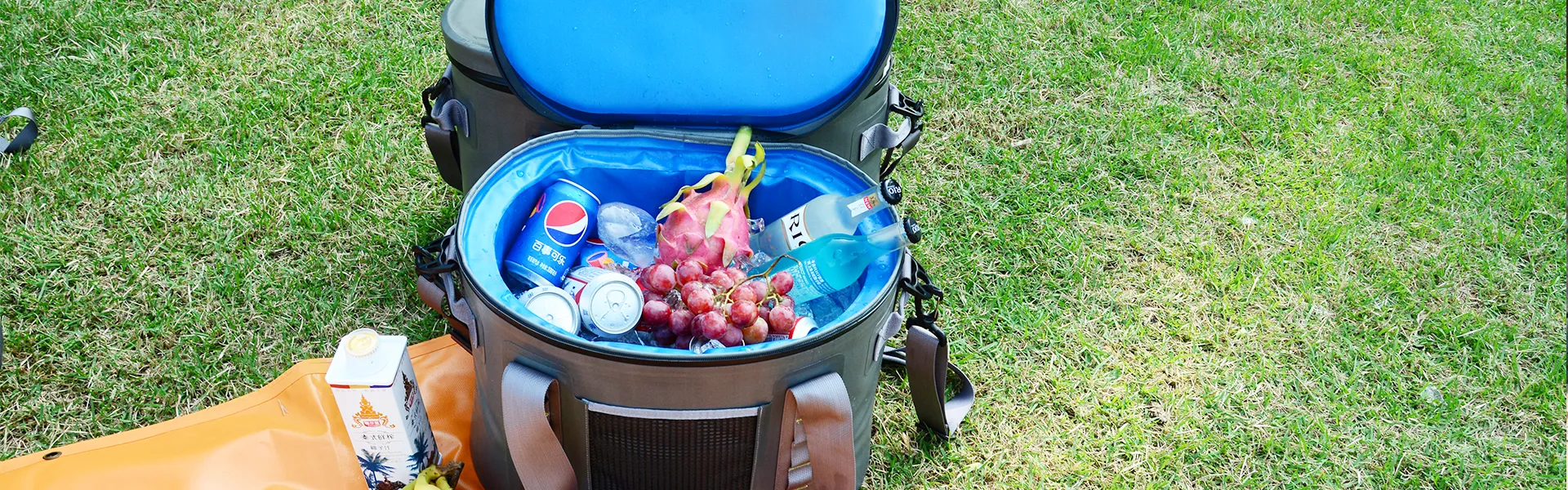
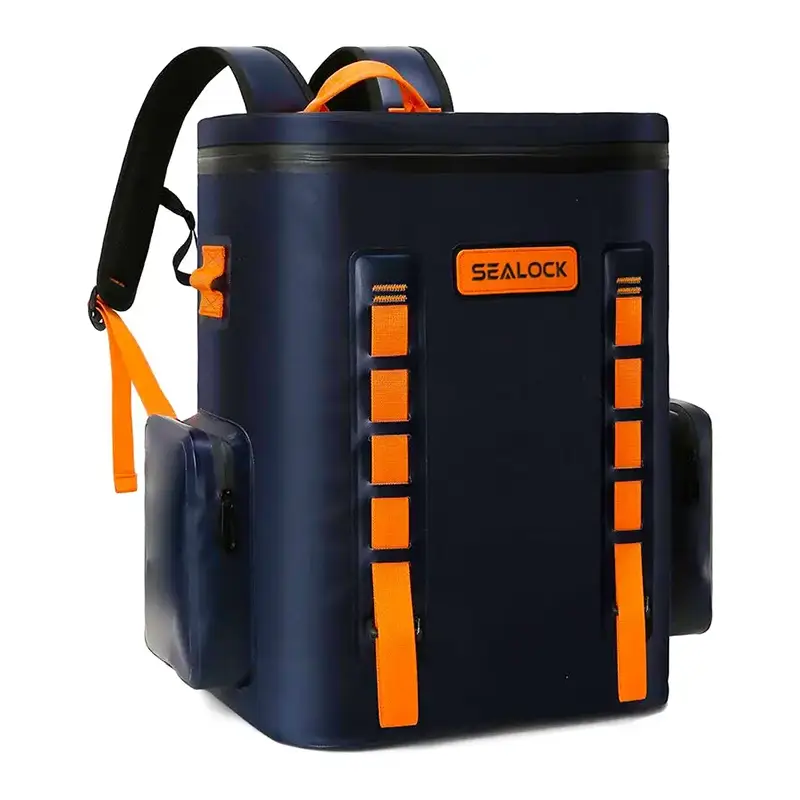
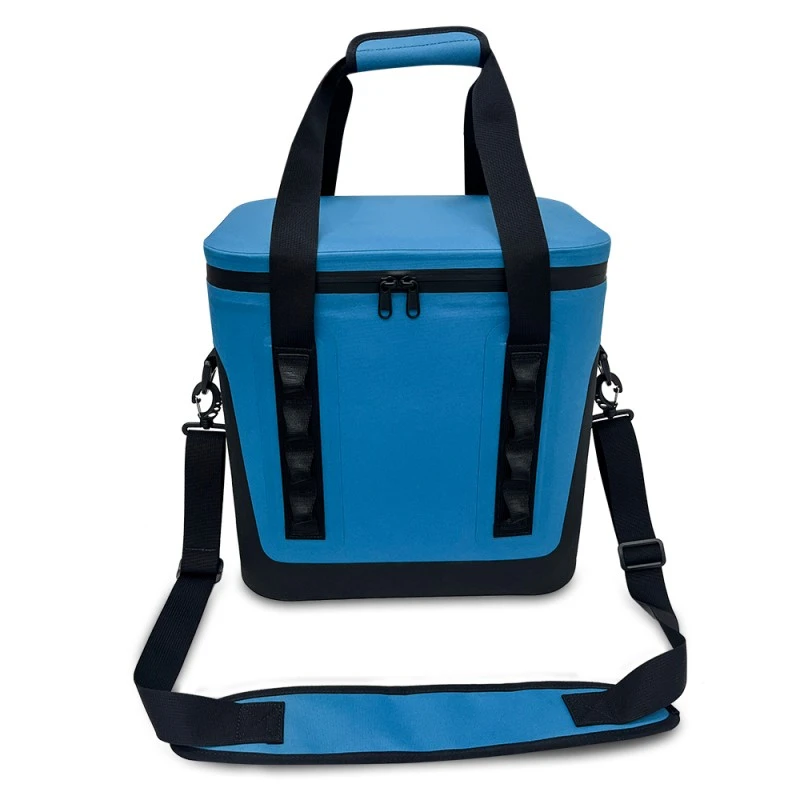
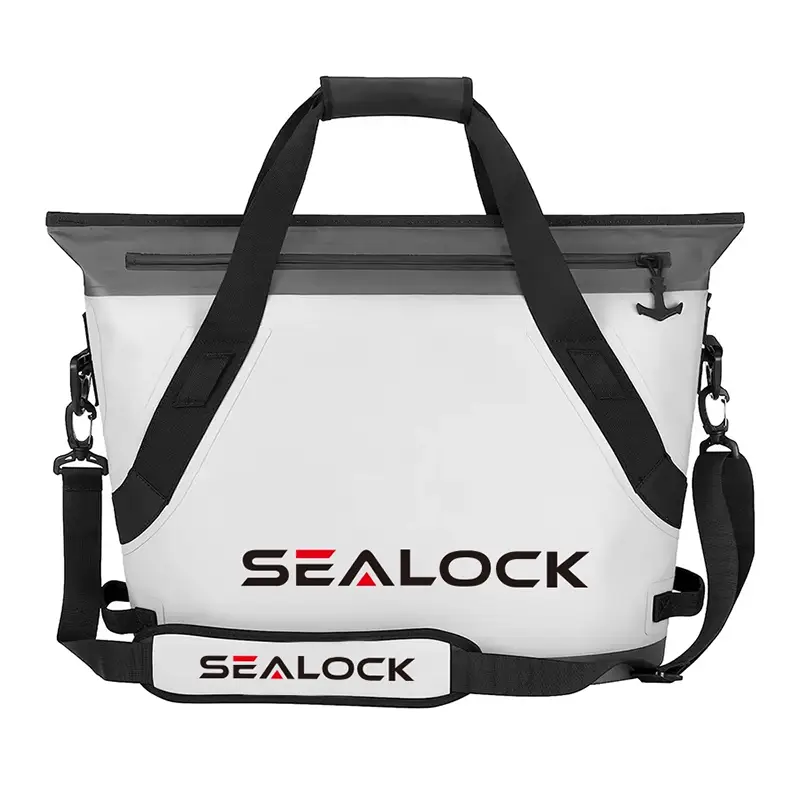
Outdoor Soft Insulated Cooler Backpack with Ergonomic Padded Shoulder Straps for Hands-Free Fishing

Figure 1: The photo of SUV rear seat soaked by melted ice water and fish blood

The Anatomy of a Leak: Why Cheap Coolers Ruin Your Truck

Cheap consumer bags are held together by standard sewing lines. When a manufacturer passes an interior fabric under a sewing needle, thousands of microscopic puncture points are punched into the waterproof skin.

When you dump loose ice into these low-tier bags, the sharp corners of frozen cubes rub against these weak spots under the weight of your leftover drinks. As the summer heat turns the ice into a steady pool of water, gravity pushes the liquid downward. This creates a process called water migration. Liquid slips directly into the needle holes, bypassing the inner barrier completely.

Once water breaks past that internal wall, it gets trapped inside the open-cell insulation foam. Since there is no airflow inside the bag's walls, this hidden moisture leads to rapid insulation rot. No matter how much dish soap you use on the outside, the inner core stays damp, ruining the bag's thermal performance and creating an irreversible mold issue.

How to Tell If Your Cooler Is Truly Leakproof

Don't wait for an expensive truck leak to find out your gear is defective. Use these four inspection steps to test your bag's seam durability at home:

1. Look for Welded Cooler Seams

Open the main hatch and look closely at the corners. If you see rows of shiny thread or fabric binding tape, it's stitched and will leak water. True leakproof soft cooler options feature perfectly smooth, wide, melted bond lines where the TPU sheets have been fused into a single piece.

2. The Inverted Water Test

Fill the bag one-third full with clean water from a garden hose. Zip the lid completely closed, flip the entire cooler backpack upside down over your lawn, and watch for immediate drops around the base seams. If water beads up instantly through the fabric, the inner skin is compromised.

Additionally, examine the zipper track. A standard plastic coil zipper lets water run right through it if the bag tilts over. Professional leakproof gear relies on heavy rubberized airtight zippers that physically pinch together to lock fluids inside.

If you discover a leak during your inspection, remember that a standard cooler liner repair is almost impossible on sewn fabrics because you cannot seal up thousands of individual needle tracks. If you have a premium TPU-coated bag, a micro-puncture can sometimes be patched with technical polymer tape, but prevention through proper seam construction is always the safest bet.

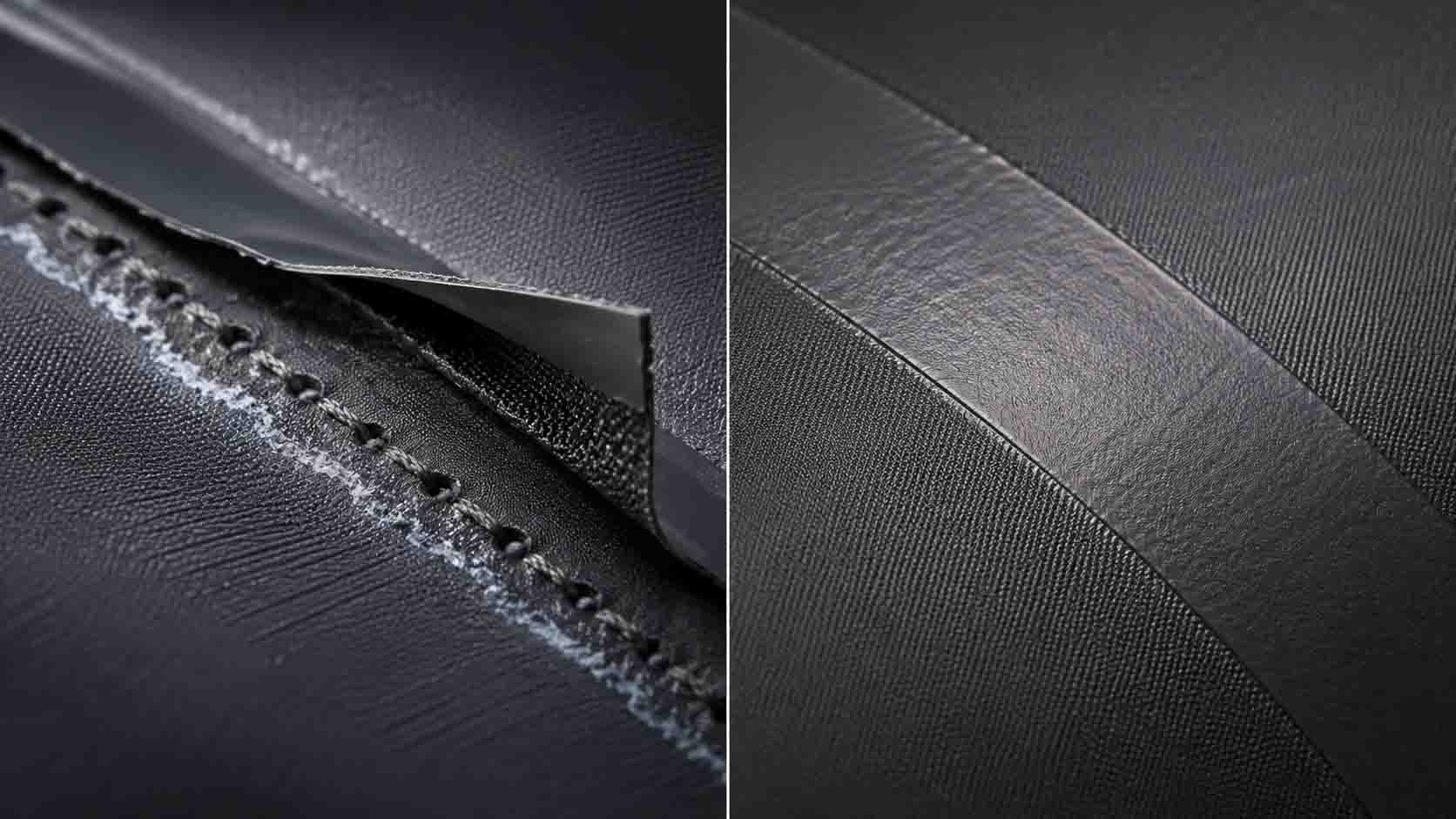
High-Frequency Welded Leakproof Seams on TPU Soft Cooler Interior Liner

Figure 2: Molecular-level fusion. Comparison between high-frequency welded seams and stitched seams.

Best Ice Practices for Maximum Performance

Getting the longest cold retention isn't just about owning a great bag; it's about how you manage your ice ecosystem. Follow these field-tested rules to protect your lining and double your cold duration:

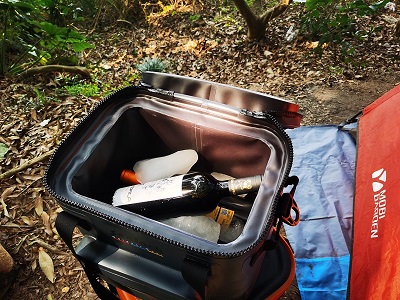
  • Loose Ice vs. Ice Packs: Loose cube ice cools food and drinks down much faster because the ice water slurry wraps completely around the cans. However, if your bag doesn't have reliable welded joins, you should use solid re-freezable ice packs instead to remove the risk of water migration entirely.
  • Cube Ice vs. Block Ice: Commercial cube ice has large surface areas that melt quickly. If you are heading out for an extended trip, freeze large chunks of solid block ice in plastic containers at home. Block ice melts much slower, minimizing pooling liquid and maximizing your overall ice retention.
  • Should You Drain the Melted Water? If you own a high-frequency welded bag, do not drain the cold water during your trip. That ice-cold water fills up empty air gaps inside the bag, blocking warm air pockets and keeping your leftover drinks colder than bare air ever could. Only drain the water if you are using a cheap sewn bag that is at risk of leaking into your truck.
  • The Pre-Chilling Routine: If you pull a warm cooler straight off a hot garage shelf, the insulation layers will store that ambient heat. If you put your ice in right away, the core insulation will instantly melt your best ice for soft coolers. Always toss in a sacrificial bag of ice or a few frozen water bottles the night before your trip to pre-chill the inner foam walls.
Is your bag wet on the outside but not leaking from the seams? You might be dealing with external sweat rather than a split liner. Read our troubleshooting breakdown on Why Is My Cooler Sweating? The Truth About Soft Cooler Condensation to learn how humidity levels affect different insulation depths.

Emergency Decontamination: Cleaning & Mold Prevention

If you have used loose ice to store fish or raw meats, leaving the bag sealed up while damp will quickly ruin your gear. Use this simple 3-step action plan immediately after every outing:

1

Flush with a Garden Hose

Open the main zipper completely. Use a high-pressure garden hose to spray out all organic slime, scales, and sticky spilled drinks from the inside corners.

2

Apply a Non-Abrasion Baking Soda Paste

Mix warm water with liquid dish soap for regular cleaning. For heavy odors, spread a thick baking soda paste directly onto the welded joints. Scrub gently with a soft rag or microfiber towel. Never use chlorine bleach, as it breaks down the protective TPU coating.

3

Hang Upside Down Until Dry

Wipe off any extra moisture with a clean wet towel, then dry it with a cloth. Prop the bag completely upside down in a shaded spot with good airflow. Never store your cooler away until the inside lining is 100% dry.

Choosing the Right Leakproof Configuration

Depending on your specific outdoor activity, different styles of high-frequency welded bags offer distinct advantages for preventing leaks and maintaining ice:

  • Heavy-Duty Backpack Coolers: Built for hands-free carrying over rough terrain, an Outdoor Soft Insulated Cooler Backpack is perfect for tracking mountain streams or hiking down to remote beaches. Look for thick TPU exterior shells with padded harness networks that keep the weight balanced nicely across your back.
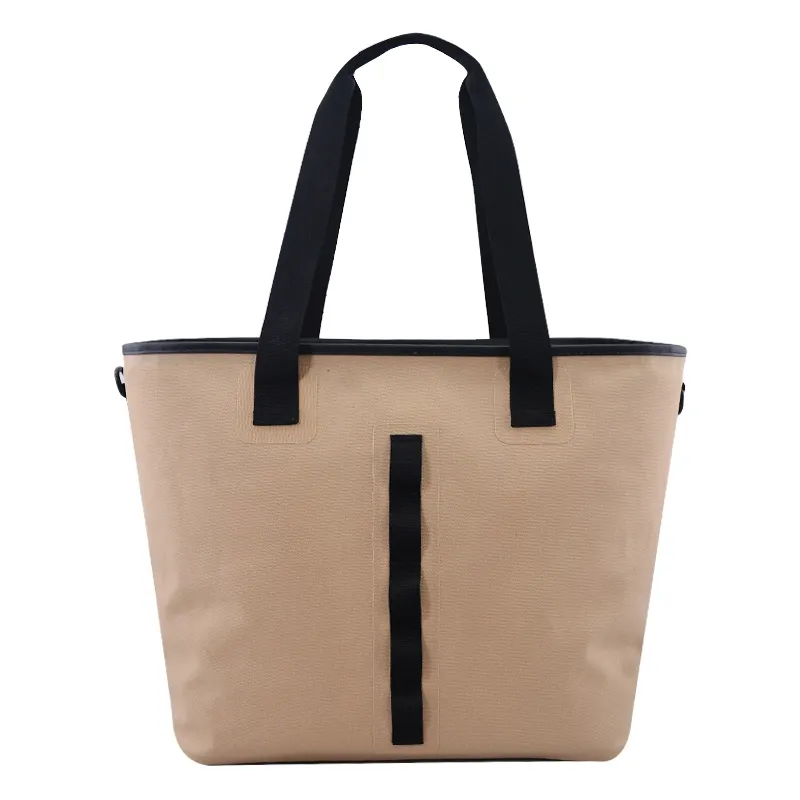
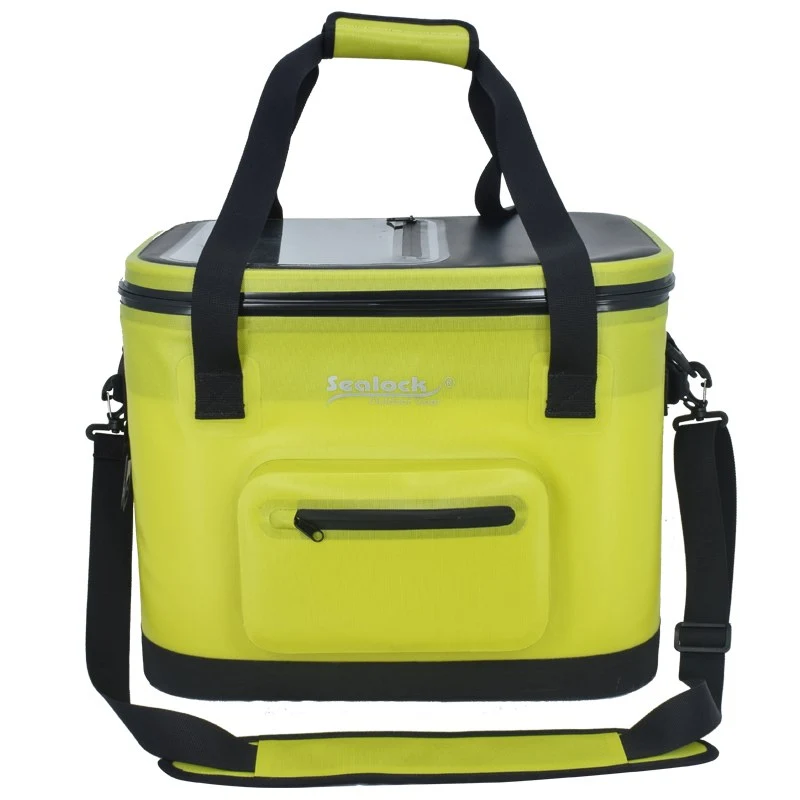
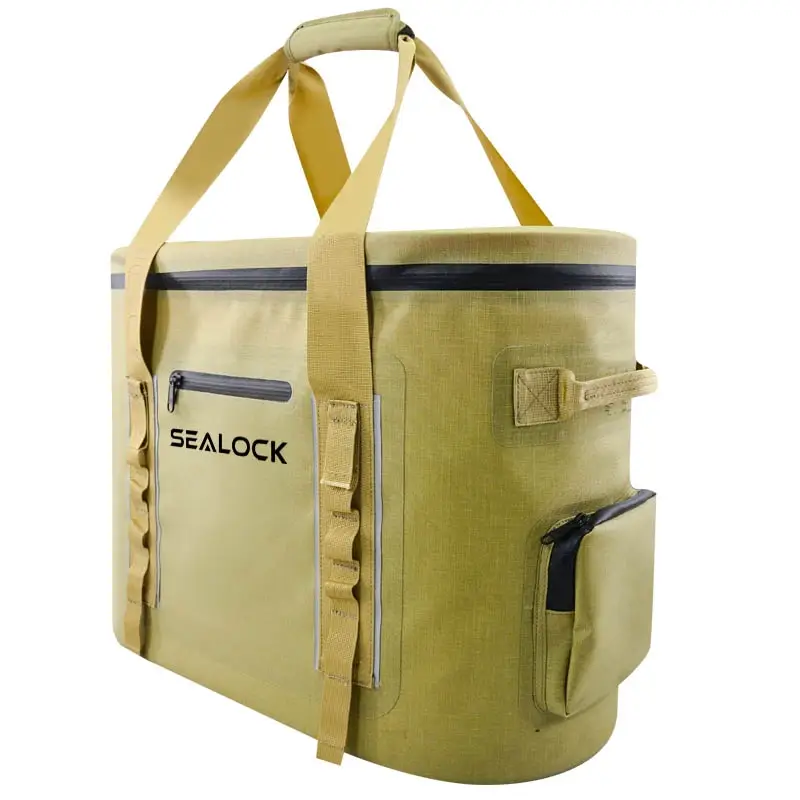
  • Wide-Access Tote Coolers: If you are packing large food trays, horizontal beverage loads, or grocery items, a rugged Insulated Tote Cooler Bag offers an extra-wide hatch for easy loading. These options usually feature flat, reinforced bases that stay upright in your truck, cutting down the risk of the bag tipping over.
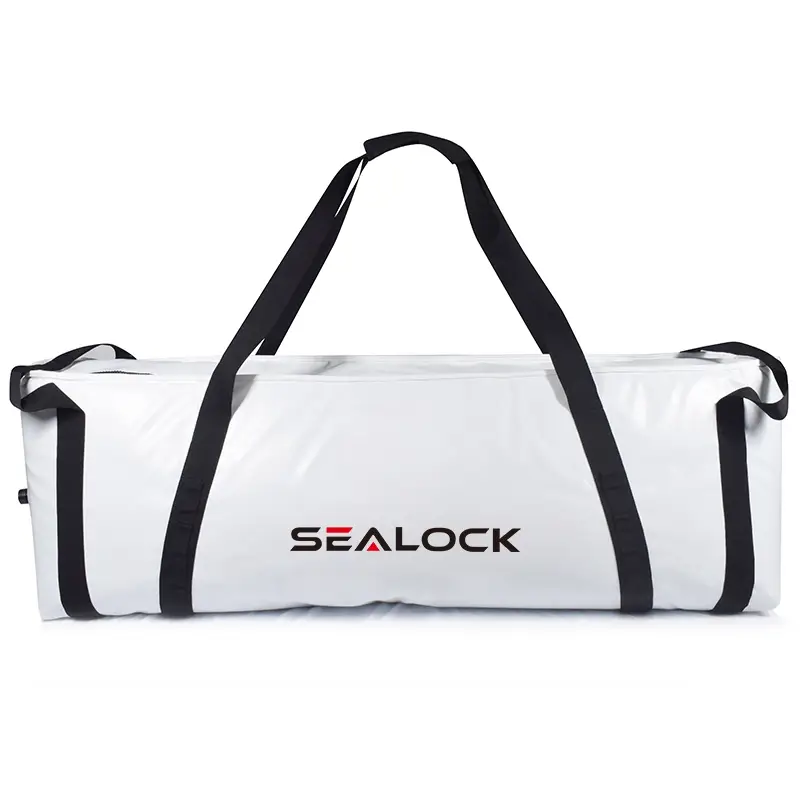
  • Marine Fishing Coolers / Kill Bags: Designed to withstand heavy salt spray and sharp fish fins, specialized marine kill bags are built with extra-thick, puncture-resistant inner walls. These bags are essential for offshore anglers who need to keep large catches fresh without worrying about smelly fish blood leaking out into their boat hulls.

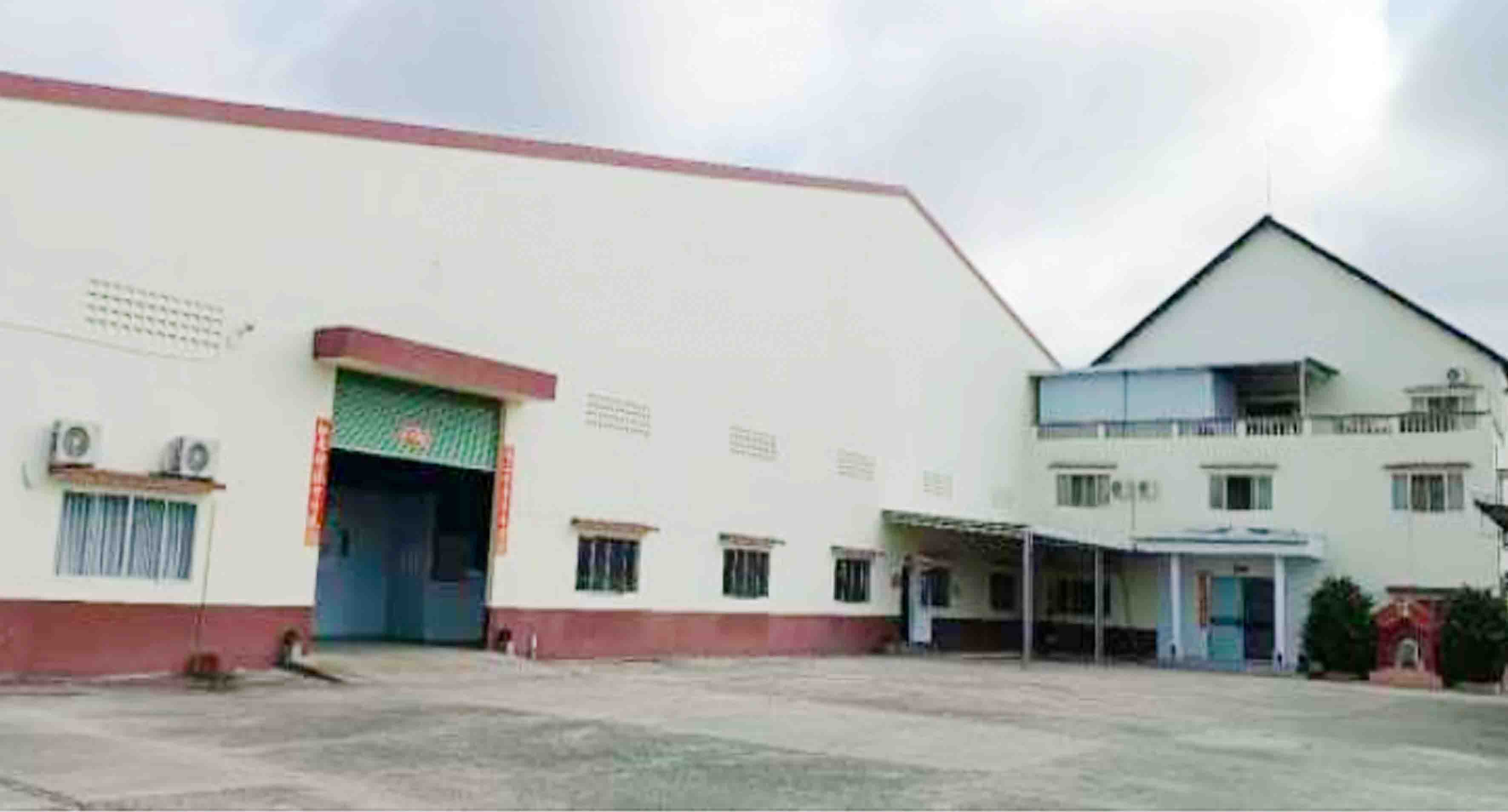
Figure 3: Inside SEALOCK's high-frequency fusion laboratory — showing the absolute continuity of the leakproof chamber.

Ready to upgrade to a bag that can handle loose ice without a single drop escaping? Check out our full, field-tested heavy-duty leakproof coolers collection to find the perfect technical match for your next backcountry adventure.

Frequently Asked Questions

Can soft coolers hold water without leaking from the bottom?

Yes, but only if they are constructed using high-frequency welded cooler seams. Bags with stitched seams will steadily leak water through their needle paths as your ice melts, soaking your truck floor and destroying your inner foam core.

Why is my cooler sweating so much on the outside?

Soft cooler condensation happens when ambient humidity hits the cold outer fabric of an under-insulated bag. This thermal bridging means your ice is melting faster than it should, leaving a damp mess behind on your garage shelf.

Can you perform a cooler liner repair if a seam splits?

Traditional stitched liners cannot be saved once water gets into the open-cell foam walls. Premium TPU welded cooler seams can sometimes be patched with specialized adhesive polymer kits, but choosing a molecularly fused liner from the start is the only true way to prevent leaks.

Related News
Leave me a message
X
We use cookies to offer you a better browsing experience, analyze site traffic and personalize content. By using this site, you agree to our use of cookies. Privacy Policy
Reject Accept