News

Leakproof Cooler Backpack Manufacturer: Welded vs Stitched Seams

2026-07-27 0 Leave me a message

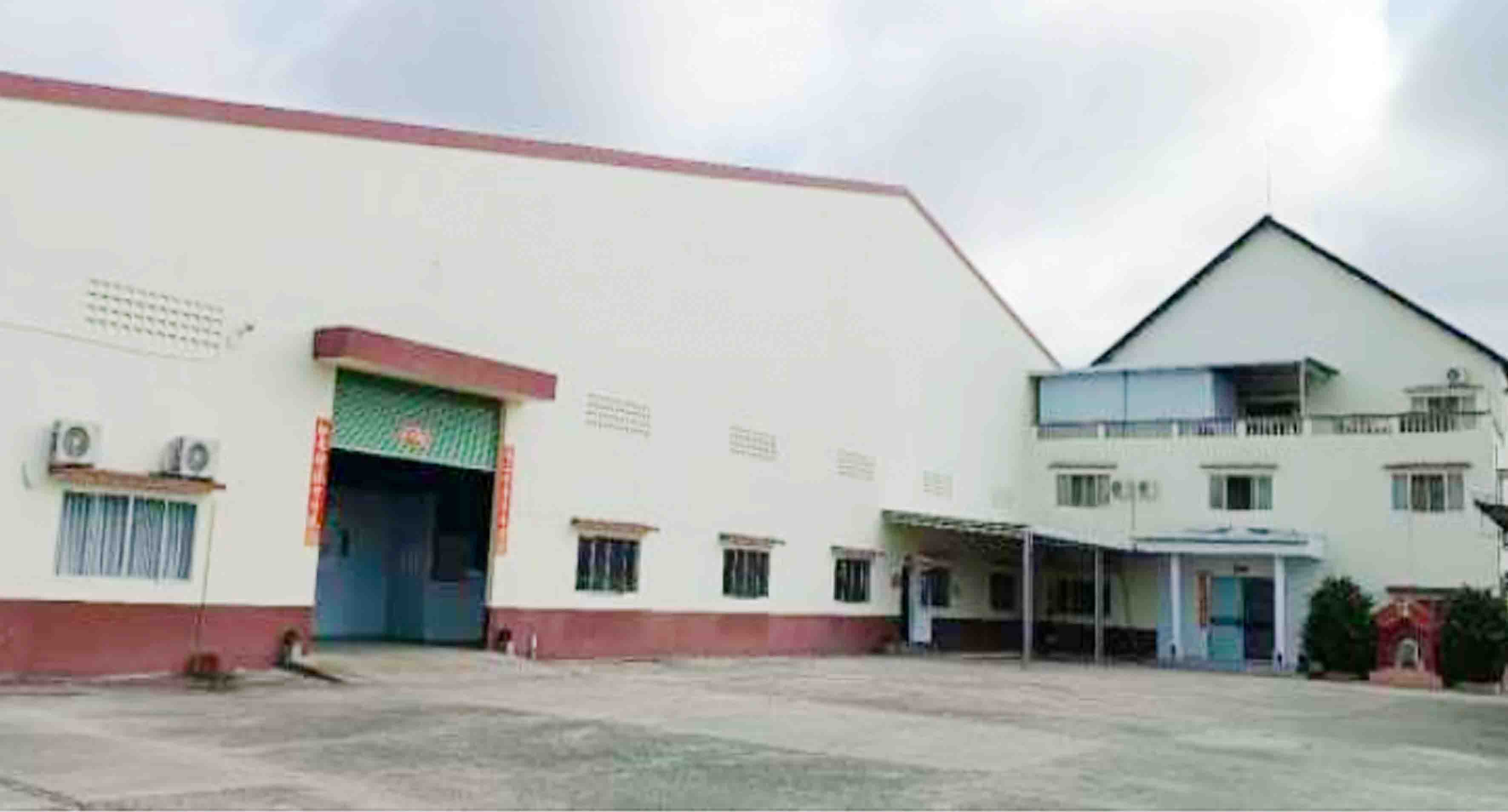
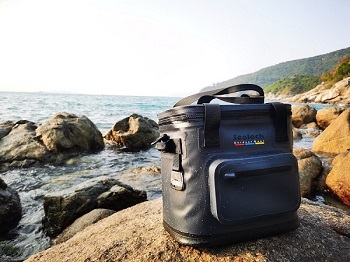
"Waterproof" and "leakproof" get used as synonyms, and they are not. Waterproof means outside water cannot get in; leakproof means the melting ice inside cannot get out. A cooler backpack rides in cars, sits on boat decks and leans against tents — and the water it is most likely to spill is its own. The distinction matters because the two failures run in opposite directions, through different parts of the bag, and the construction method that prevents one does not automatically prevent the other. Sealock (YiFuLong Outdoor Gear Co., Ltd.) builds welded, leakproof cooler backpacks, and this guide explains where coolers actually leak, why stitched seams fail from the inside, and what genuinely leakproof construction looks like.

Leakproof Is Not Waterproof — and Buyers Care About the Former

The industry itself draws the line clearly: waterproof means the bag resists water from outside, while leakproof means it prevents water escaping from inside — and customers buying cooler bags usually care about meltwater containment, not rain resistance. The same source notes that many sellers use "waterproof" because it sounds safer — safer legally, because containment is the harder promise to keep.

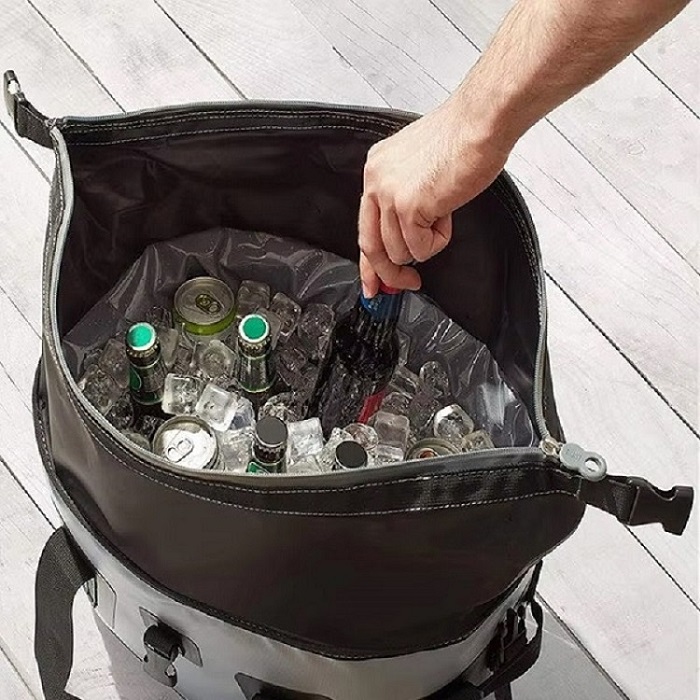
Think about the actual complaint that generates a return: not "rain got into my cooler," but "my cooler tipped over in the car and soaked the seat." Field reviewers describe exactly this scenario — most soft coolers are designed not to leak standing upright, but the zippers are rarely waterproof, so when the bag gets knocked over, water leaks everywhere. A cooler that is leakproof only in one orientation is not leakproof; it is lucky.

Where Coolers Actually Leak

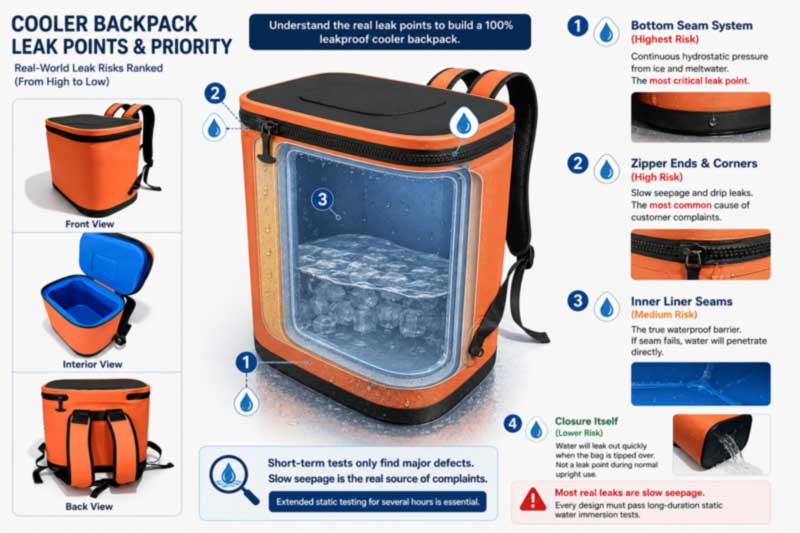
Leak locations are not random — they follow load and water. Batch-inspection experience puts a consistent ranking on it: the bottom seam system is where pressure, weight and water volume combine, making it the single area to test if you test only one, while corner seepage and zipper-end drips are the most frequent complaint triggers on hard-use outdoor coolers.

  • The bottom seam system. Every kilogram of ice and meltwater presses on it, constantly, for the whole trip. It carries the highest hydrostatic load in the bag.
  • Zipper ends and corners. Where a closure terminates into the body, and where panels meet at an angle, the geometry is hardest to seal — these are the classic slow-drip points.
  • The liner seams. The liner is the true water barrier; if its joins are stitched rather than sealed, the barrier has holes by design.
  • The closure itself. Reviewers identify the top closure as the primary fail point for cold air and leaks. A standard zipper leaks the moment the bag tips.

One more inspection insight deserves emphasis, because it explains why bad coolers pass factory checks and fail in the field: short tests only detect big defects, not slow seepage — and slow seepage is the real cause of complaints. A thirty-second dunk finds a hole; it does not find the seam that weeps a teaspoon an hour into a car seat. Duration matters in leak testing, which is why a proper protocol leaves the filled bag for several hours in a controlled environment, checking especially around seams and zippers.

Sealock

Why Stitched Seams Fail From the Inside

The mechanism is old enough to be written into patent literature, and it is worth reading in the patent's own dry language, because it describes exactly what happens in the boot of a customer's car. As one cooler-container patent records the problem: as the ice melts, water accumulates inside the cooler and tends to leak through the seams where the cooler is sewn together, or the seams become saturated and themselves provide a path for leakage.

And then comes the part almost nobody talks about — the leak does not just wet the car, it degrades the cooler: leakage results in saturation of the thermally insulating material, which hinders the cooler's ability to provide a thermal barrier. A stitched cooler that has begun to weep is also a cooler that is losing its cold-hold, because wet insulation insulates poorly. Leakproofing and ice retention are not separate features; the first protects the second.

A stitched seam fails this way for a structural reason: every stitch is a needle hole through the barrier, and thread is a wick. Seam tape covers the holes for a while, but tape is an adhesive product with an ageing curve, and the bottom seam — the highest-load seam in the bag — is exactly where it is asked to do the most. The failure is not a defect; it is the design working as built, on a delay.

What Leakproof Construction Actually Requires

The engineering consensus is consistent across the industry, and it is a system rather than a single feature. As a manufacturing guide summarises it: cooler bags pass leakproof testing reliably when they combine continuous welded liners, high-strength seam construction and sealed zipper systems — and structural design, especially bottom seam welding and zipper end sealing, has greater impact than the outer fabric type. The same source's blunt conclusion: leakproof success is mainly engineering, not decoration.

1. A welded, continuous liner

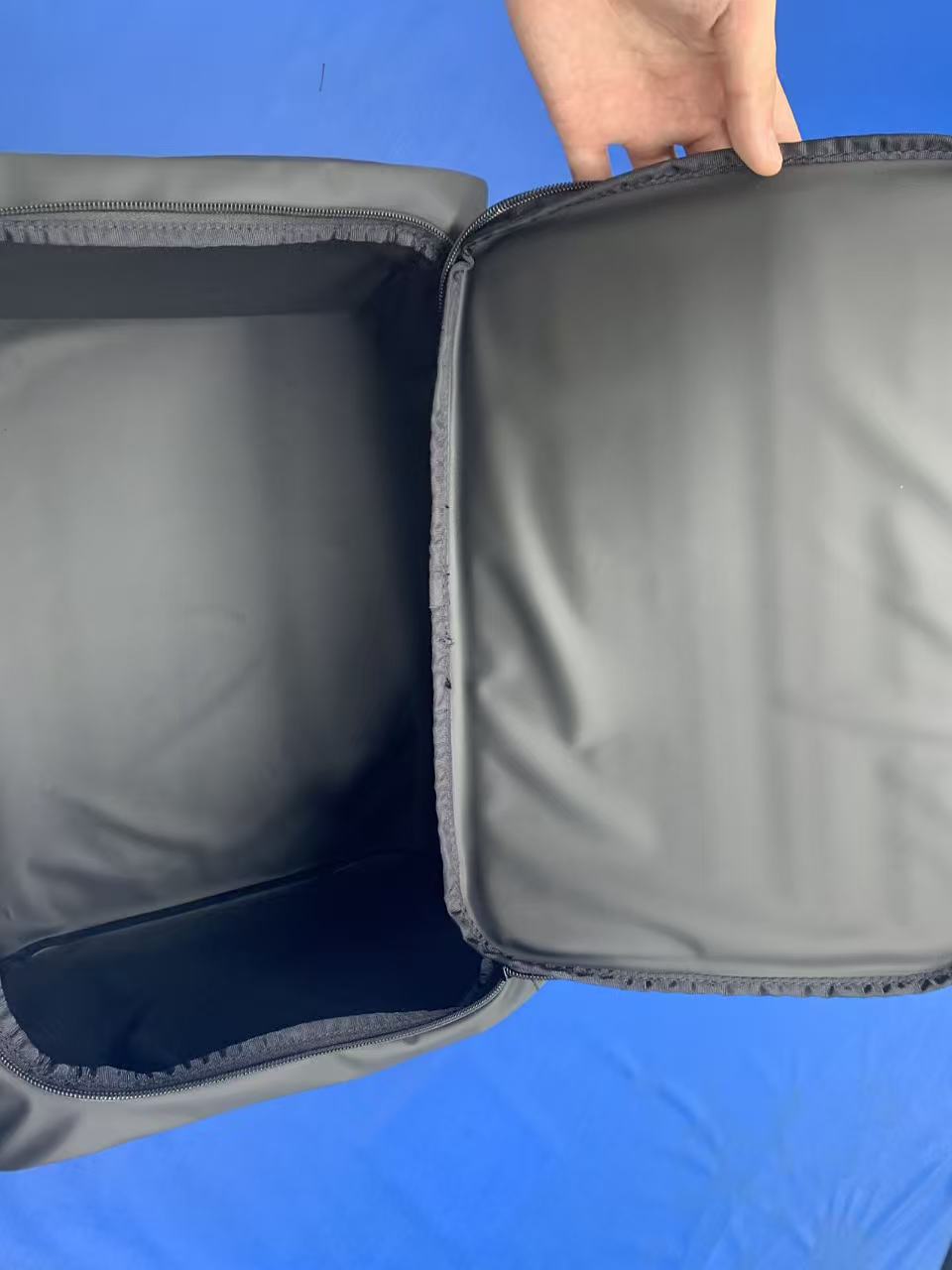
The liner is the vessel. The liner is the true water barrier inside a cooler bag, and its thickness, elasticity and weld response all affect sealing. Food-grade TPU or PEVA membranes are the standard materials, and the joins must be welded or heat-sealed — welded or heat-sealed seams ensure no liquid can escape, providing a watertight bond — because a stitched liner has holes by design.

2. A welded body, prioritised at the bottom

High-frequency welding fuses the TPU-laminated panels into one continuous skin with no needle holes and no tape to age. Reviewers of finished products describe the result: paired with RF-welded seams instead of traditional stitching, the bag becomes a single unit that won't leak or soak up external water. Given the leak-location data above, the bottom seam system is where welding earns its cost first. The welding science itself is covered in Waterproof Cooler Backpack Manufacturer: HF-Welded, Seam-Free Builds, and the process control behind consistent welds in RF-Welded Cooler Backpack Manufacturer: Seamless Waterproof Construction.

3. A closure that seals in every orientation

The closure is the honest differentiator between leakproof classes, and each type is a real trade-off:

Closure Leakproof behaviour Trade-off
Airtight / submersible zipper Creates a vacuum-tight seal — essential if the cooler might flip in a raft or boat; sealed in any orientation Requires more pull to operate; higher component cost
Welded roll-top No zipper channel at all; folds seal the opening; leakproof when properly rolled Slower access than a zip; needs correct rolling
Magnetic seal Fast, self-closing access Requires a specific fold to remain fully leakproof — user-dependent
Standard zipper Contains splashes upright only Leaks when tipped; not a leakproof closure

Sealock builds the first two: airtight welded zippers on its IPX7/IPX8 sealed models, and a welded roll-top on builds like the SL-I288 Roll-Top Leakproof Soft Cooler, where the main opening has no zipper channel to seal at all. Zipper end sealing — one of the two highest-impact structural details — is part of the welded closure integration, not an afterthought.

4. Testing that matches how leaks actually happen

Because slow seepage is the real complaint driver, meaningful validation is longer and harder than a splash check: filled, held for hours, checked at seams and zipper ends, and — for sealed builds — full immersion of the finished bag, which tests body welds, closure integration and liner attachment as one envelope. Professional practice also grades findings rather than reducing them to pass/fail: not all leaks are equal, and clear grading helps decide repair, discount or rejection, with factories combining grading and root-cause checks.

Buyer tip — two questions that expose a "leakproof" claim: First: "Is the liner welded or stitched?" If stitched, the bag is leak-resistant at best, whatever the listing says. Second: "Does it stay sealed tipped over or upside down?" A cooler that is only leakproof upright will meet a car boot eventually. Then ask for the test protocol — duration, orientation, and whether finished bags are immersion-tested — and have it written into the specification.

Welded vs Stitched: The Decision, Honestly

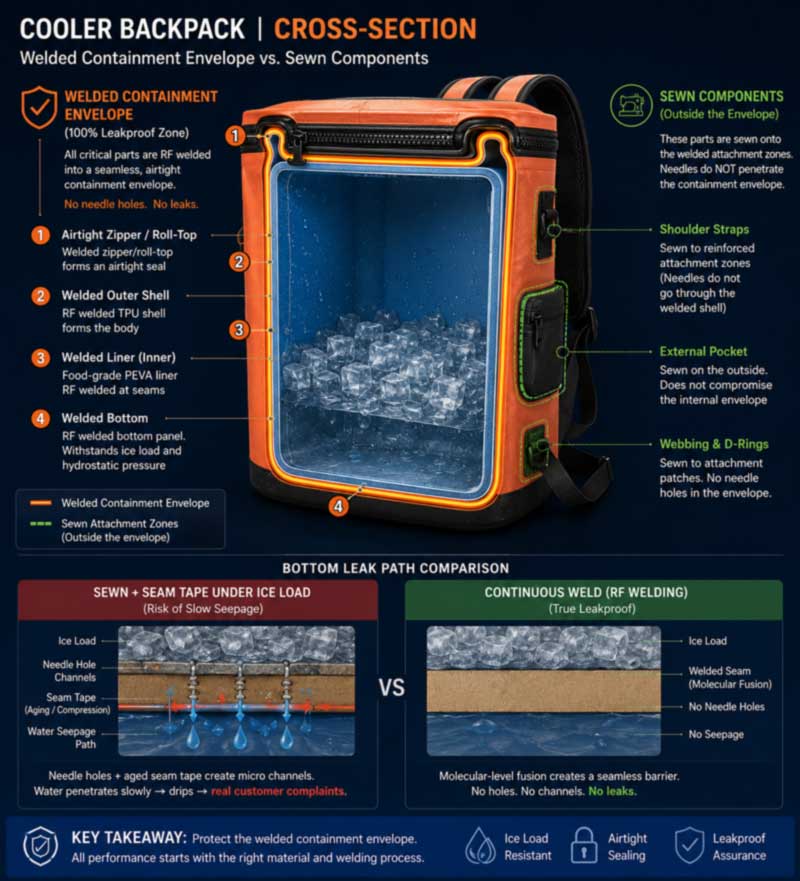
Stitching is not incompetence — it is the right method for the parts of a bag that never hold water. Harness attachment, exterior pockets, webbing and trim are stitched on every serious cooler, including welded ones, because stitching is versatile, economical and strong in tension. The engineering error is not using stitches; it is putting stitches through the water barrier. The correct architecture welds the containment envelope — body, base, liner, closure integration — and stitches only what stands outside it. On a welded Sealock build, exterior features attach to welded-on zones so no needle ever penetrates the chamber that holds the meltwater.

Welded containment Stitched + taped containment
Needle holes in the barrier None One per stitch, taped over
Bottom-seam behaviour under ice load Continuous fused skin Highest-load seam relies on adhesive tape
Failure mode None inherent; defects caught at immersion test Wicking threads, tape ageing — slow seepage
Effect on insulation Wall stays dry, keeps rated cold-hold Saturated insulation loses thermal performance
Orientation Sealed in any position (with sealed closure) Upright only, in practice
Cost Higher Lower

Sealock's Leakproof Builds

Sealock welds insulated soft bags at 27.12 MHz across three factories in Dongguan, China and Ho Chi Minh City, Vietnam, and validates sealed builds by full water immersion. Real leakproof cooler backpacks, chosen by fit:

Image Model Leakproof architecture Link
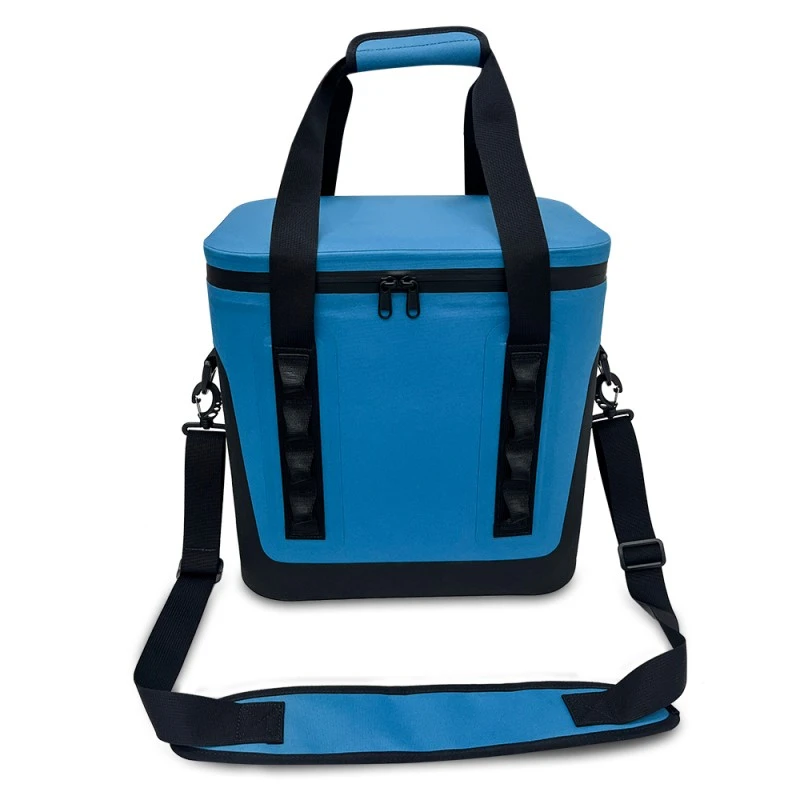
22L IPX7 cooler backpack SL-I280 22L IPX7 Cooler Backpack (SL-I280) Welded seamless body + airtight zipper; sealed in any orientation, IPX7 View
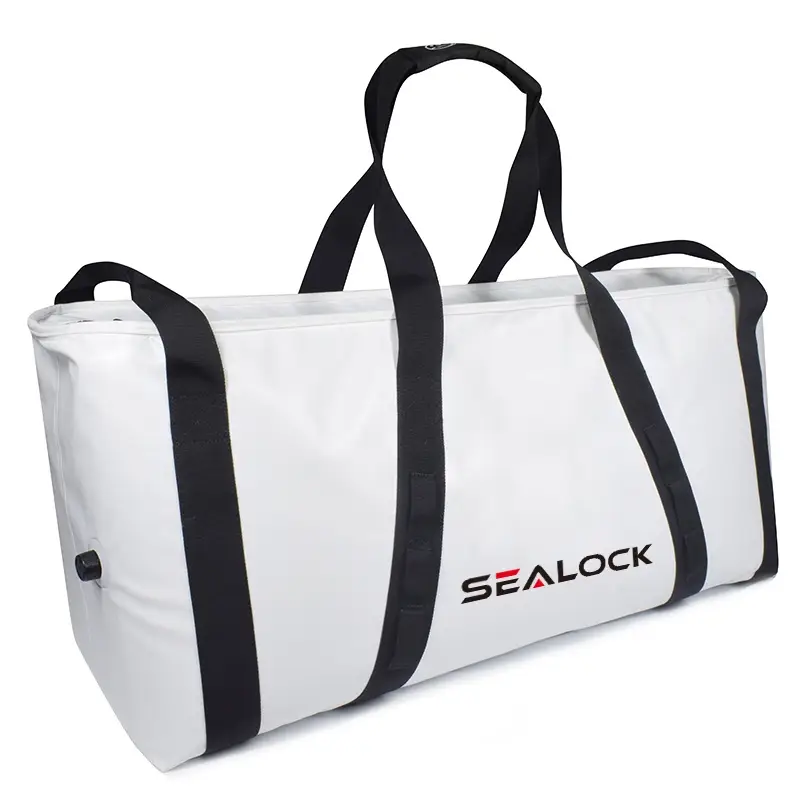
Waterproof Soft Cooler Backpack Waterproof Soft Cooler Backpack Fully welded TPU containment body View
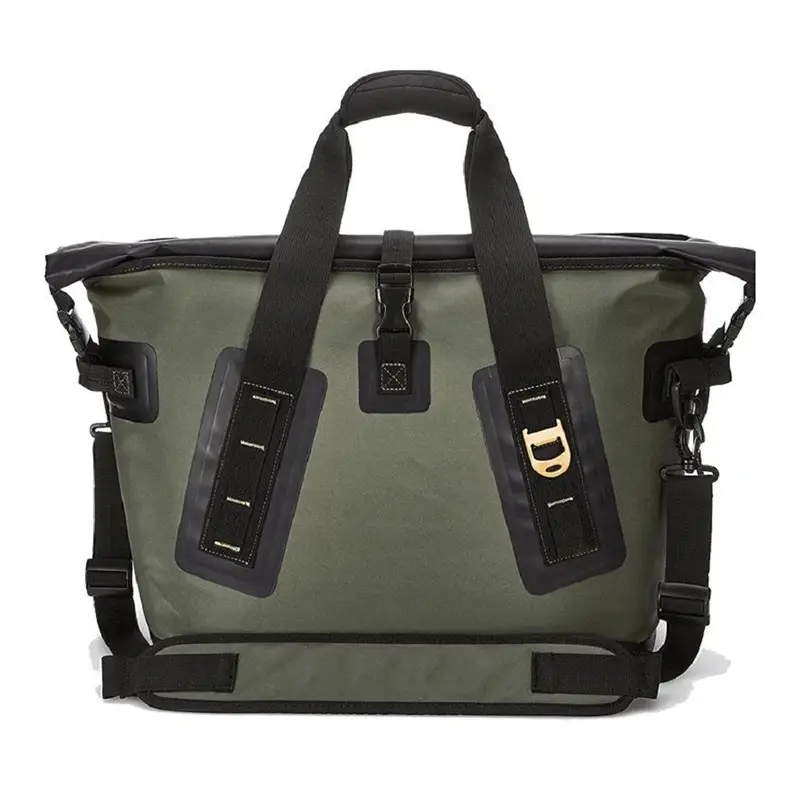
Insulated soft cooler backpack SL-E050B Insulated Cooler Backpack, molded lid (SL-E050B) Welded body and liner, zip-around top; meltwater contained upright View
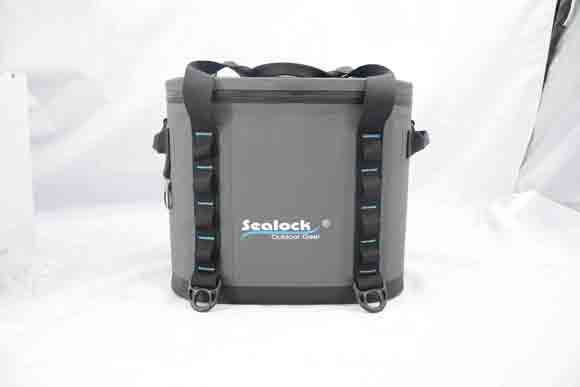
Barrel insulated cooler backpack SL-I309 Barrel Insulated Cooler Backpack (SL-I309) Welded body and liner, zip-around top + flip lid View

Each build's containment matches its stated class honestly: the IPX-rated models seal in any orientation via airtight closures, while the zip-around day packs contain meltwater in normal upright use — and are described that way, because a leakproof claim a product cannot keep in the field is a warranty cost, not a marketing win.

welded containment envelope of a leakproof cooler backpack with stitched exterior features attached outside the barrier

OEM & ODM: Leakproof to Your Specification

Containment level is a specification, and demanding ones are welcome. Beyond colour and logo, Sealock develops ground-up from a sketch, sample or performance target: the containment class (upright meltwater containment through to IPX8 any-orientation sealing), the closure type (airtight zipper, welded roll-top, molded lid), the liner material and its food-contact compliance, and the bottom-seam architecture are all engineered to the brief, then proven by duration and immersion testing before production. Complex welded structures, premium insulation tiers and strict compliance targets are all in scope — a hard brief is what an in-house welding and development team is for. Ground-up work runs longer at sampling, so book against a launch. See OEM Soft Cooler Backpacks: What You Can Customize Beyond Logo & Color, and vet any supplier against the buyer's checklist.

FAQ: Leakproof Cooler Backpacks

Q: What is the difference between waterproof and leakproof?

A: Waterproof means outside water cannot get in; leakproof means the meltwater inside cannot get out. They run in opposite directions through different parts of the bag, and cooler buyers mostly care about the second — the classic failure is a tipped-over cooler soaking a car seat, not rain getting in. A genuinely sealed welded build with an airtight closure delivers both.

Q: Where do cooler backpacks usually leak?

A: In a consistent ranking: the bottom seam system first, where ice weight, pressure and water volume combine; then zipper ends and corners, which drive the most complaints as slow drips; then liner seams if they are stitched; and the closure itself the moment the bag tips, if it is a standard zipper. Slow seepage, not catastrophic failure, is the real-world complaint pattern.

Q: Why do stitched coolers start leaking over time?

A: Every stitch is a needle hole and every thread is a wick; meltwater leaks through the sewn seams or saturates them until they become a leak path. Seam tape delays this but ages under load, and the saturated insulation also loses thermal performance — so a weeping cooler is simultaneously a worse cooler. It is a designed-in failure on a delay, not a defect.

Q: Are welded coolers always leakproof?

A: Welding removes the needle holes, but leakproofing is a system: a welded continuous liner, welded body with the bottom seam prioritised, sealed zipper ends, and a closure that seals in every orientation. A welded body with a standard zipper still leaks when tipped. That is why finished-bag immersion and multi-hour duration testing matter more than any single construction feature.

Q: Which closure should I choose for a leakproof cooler backpack?

A: An airtight or submersible zipper seals in any orientation and suits boats and rough transport, at the cost of a stiffer pull. A welded roll-top eliminates the zipper channel entirely and seals by folding, trading access speed. Magnetic seals are fastest but depend on the user folding them correctly. A standard zipper is not a leakproof closure — specify by how the bag will actually be carried and mishandled.

Sourcing leakproof cooler backpacks? Sealock (YiFuLong Outdoor Gear Co., Ltd.) welds leakproof cooler bags at 27.12 MHz in China and Vietnam — welded bodies, welded liners, airtight and roll-top closures — validated by immersion and duration testing. Tell the team your containment class and use case, and they will engineer and prove the build.

Email: info@sealock.com.hk  |  Phone: +86-13632981825  |  Browse the soft cooler range

Leak-location patterns, construction guidance and testing practice cited here reflect publicly available industry, review and patent sources as of mid-2026; actual performance depends on build, materials and use. Define containment class, test duration and acceptance criteria in your specification before production.

Related News
Leave me a message
X
We use cookies to offer you a better browsing experience, analyze site traffic and personalize content. By using this site, you agree to our use of cookies.Privacy Policy
RejectAccept