Reusable ice packs are tidy: no meltwater, no soggy sandwiches, no trip to the store for a bag of ice. But do they keep a cooler as cold as ice? Independent tests give a clear answer. In America's Test Kitchen's cooler test, coolers chilled with plain bagged ice held cans at about 33°F and stayed roughly 10°F colder than any ice pack over 36 hours. In Outdoor Life's test, a block of ice frozen in a food container took more than 12 hours to thaw, longer than any pack measured. Ice packs still have a place, and used well they work very well, but they are not a straight swap for ice. This guide explains how ice packs compare with ice, which kind to choose, how many you need and how to use them in a cooler or lunch box. It is written by Sealock (YiFuLong Outdoor Gear Co., Ltd.), which manufactures soft coolers, cooler backpacks and lunch boxes in China and Vietnam and tests their cold-hold with multi-probe temperature logging.
How Ice Packs Work
An ice pack keeps things cold the same way ice does: by melting. Turning frozen water back into liquid absorbs a large amount of heat without the pack warming above its melting point, and water is unusually good at this, which is why almost every reusable pack is mostly water. Gel packs add a thickener, such as hydroxyethyl cellulose or sodium polyacrylate, so the contents stay a slow-flowing gel and do not run everywhere if the pack splits. Some packs add other ingredients to lower the freezing point, so they come out of the freezer colder than ice; packs in Outdoor Life's test started anywhere from about −5°F to 11°F.
A practical consequence follows from the physics: cooling capacity depends mainly on how much frozen water is in the pack. America's Test Kitchen found that packs of 2 lb or less warmed noticeably sooner than 4–5 lb packs, and that once size was accounted for, the hard-sided packs it tested performed almost equally. A bigger pack beats a cleverer one.
Ice Packs vs Ice vs Frozen Bottles
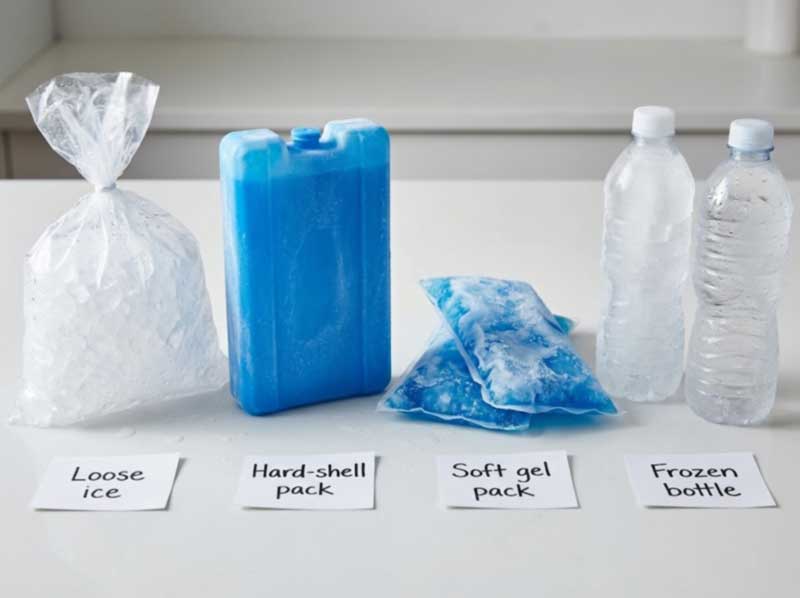
| Loose ice (cubes or block) | Hard-shell ice packs | Soft gel packs and ice sheets | Frozen water bottles | |
|---|---|---|---|---|
| Cooling | Best; cubes fill gaps and touch everything | Good; lasts well when large | Weakest; thin, warms first | Good; same as a hard pack of the same size |
| Meltwater | Yes | No | No | No, until opened |
| Reusable | No | Yes | Yes | Yes, and drinkable |
| Fits around food | Yes | No; rigid | Yes; flexible | Partly |
| Best use | Long days, hot weather, drinks | Food coolers, lunch boxes, lining a cooler | Lunch bags, wrapping a container | Day trips and lunches |
The tests agree on soft packs too. In America's Test Kitchen's test, the two flexible "ice blankets" thawed fully in under 7 hours and let coolers drift up to about 60°F within 24 hours, while coolers lined with hard-sided packs stayed around 50°F for the full 36 hours. Flexible packs are convenient in a lunch bag; they are the wrong choice for a long day in a cooler.
The Best Approach for a Cooler: Use Both
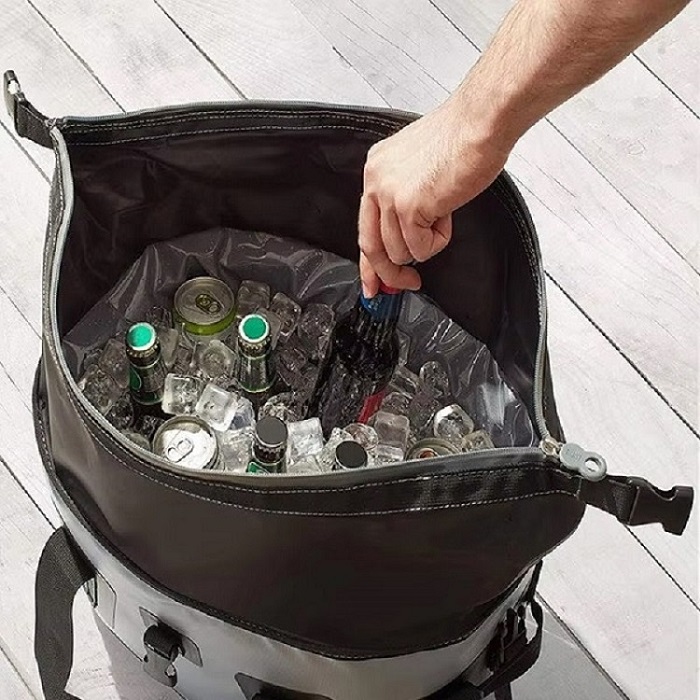
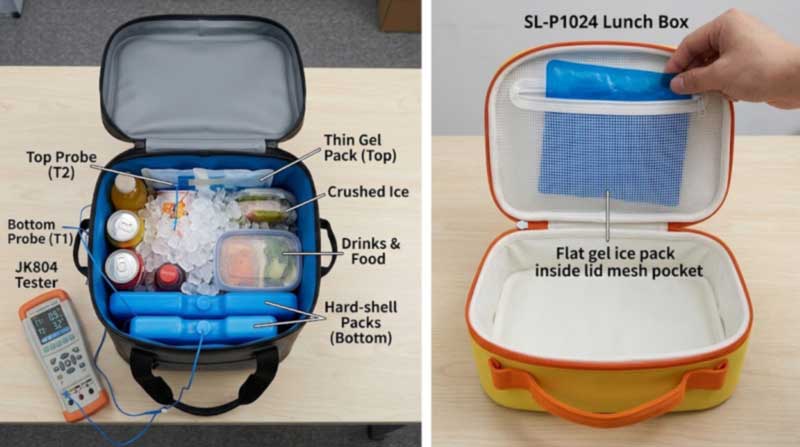
Ice packs and ice do different jobs well, so the most effective cooler uses both. Put large hard-sided packs or a block of ice on the bottom, where they last longest. Pack the food on top of them, then pour cubed ice around and between everything to fill the gaps, which rigid packs cannot do. Finish with a flat pack on top, because cold air sinks. In a welded, leakproof soft cooler the meltwater stays sealed inside, so loose ice is no problem; in a sewn cooler or lunch bag, packs avoid meltwater soaking through the seams. For the rest of the packing order and the two-to-one ice ratio, see how to pack a cooler.
For a soft cooler there is one more consideration: hard packs have edges and corners. Laid flat on the base or against the walls they are fine, but a pack wedged corner-first against the liner and pressed by a heavy load can scuff it over time. Lay rigid packs flat and keep sharp corners away from the liner seams.
How Many Ice Packs Do You Need?
For a lunch with perishables, US food-safety guidance recommends at least two cold sources: two gel packs, or one pack and a frozen drink. For a cooler, think in weight rather than number. America's Test Kitchen lined 38-quart coolers half-filled with 24 cans using one to three packs depending on size, and the best results came from packs holding 45 oz or more of coolant. As a rule of thumb, cover the base of the cooler with large packs, add one on top, and fill the remaining gaps with ice for anything longer than a day trip.
Getting the Most From Ice Packs
Freeze them fully. Give packs at least 24 hours, lying flat, in the coldest part of the freezer; America's Test Kitchen froze packs for 24 hours and Outdoor Life for over 36, and one pack in Outdoor Life's test needed about 72 hours to freeze solid. A pack that is still slushy in the middle has lost much of its cooling.
Pre-chill the cooler and the food. Ice packs are best at keeping cold things cold. Using their stored cold to chill warm drinks or a warm cooler wastes most of it.
Protect delicate food. Packs that come out of the freezer well below 32°F can freeze lettuce, fruit and soft cheese where they touch. Put a container or a folded cloth between the pack and anything that should not freeze.
Check the label. Choose packs that state they are non-toxic, and avoid any containing ethylene or diethylene glycol; the US Consumer Product Safety Commission has recalled gel packs containing these chemicals. Replace packs that crack or bulge, because repeated freezing and thawing can split the plastic.
Never use dry ice in a sealed soft cooler. Dry ice turns to carbon dioxide gas and can build up pressure in a cooler with an airtight zipper.
Ice Packs for Lunch Boxes
In a lunch box, packs make more sense than ice: there is no room for loose ice, and a lunch bag is rarely leakproof. A flat, slim gel pack placed above the food does the most good, because cold air sinks onto the contents. A lunch box with a zip mesh pocket in the lid holds the pack in exactly that position. Add a frozen water bottle as a second cold source and it becomes a drink by lunchtime. For choosing the lunch box itself, see the best lunch bag.
For Brands: Design the Cooler Around the Pack
A cooler or lunch box that is designed around a standard ice pack, with a lid pocket, a flat base or a sleeve that holds the pack in place, performs better and is easier to use than one where the pack slides around. When we develop a cooler or lunch box for a brand, we can size internal pockets and base dimensions to the ice pack the brand plans to bundle or recommend, and verify cold-hold with that pack in place using multi-probe temperature logging, so the retention figure on the packaging reflects how the product will actually be used. Our guide to soft cooler ice retention explains how to state such claims.
Coolers and Lunch Boxes in Our Range
| Image | Model | Specification | Link |
|---|---|---|---|
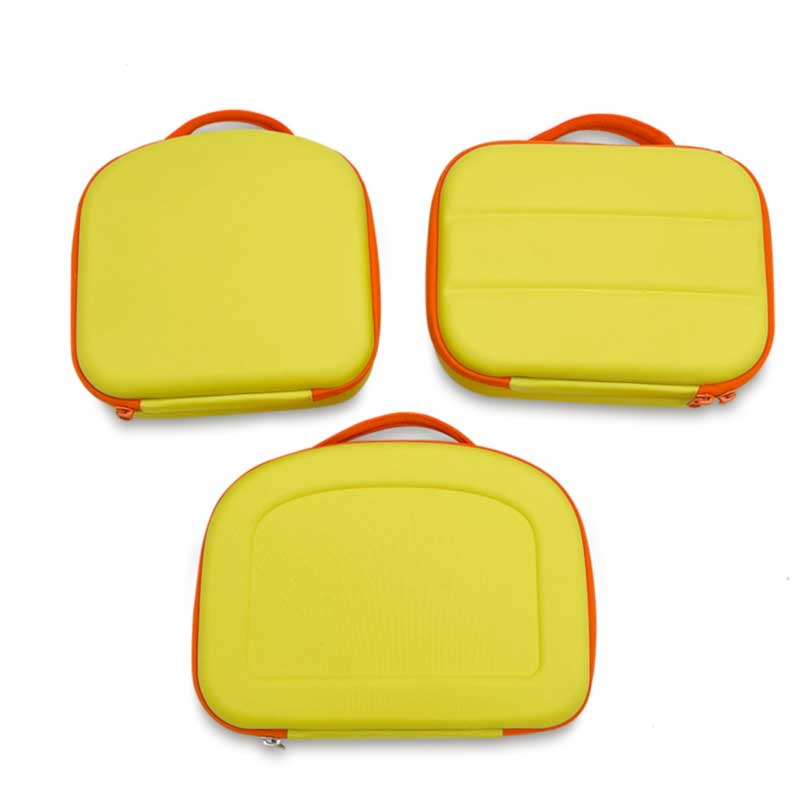
|
Molded Lunch Box Cooler (SL-P1021 / SL-P1024) | Approx. 4 L and 4.5 L; compression-molded EVA, food-grade PEVA liner, zip mesh pocket in the lid that holds a flat gel pack above the food; up to 6 hr with a gel pack | View |
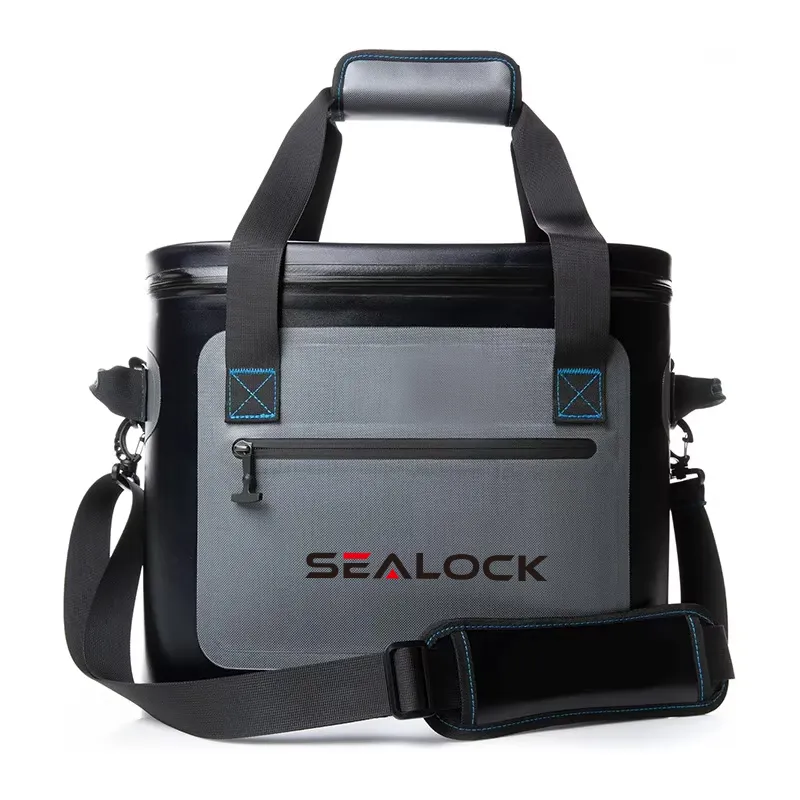
|
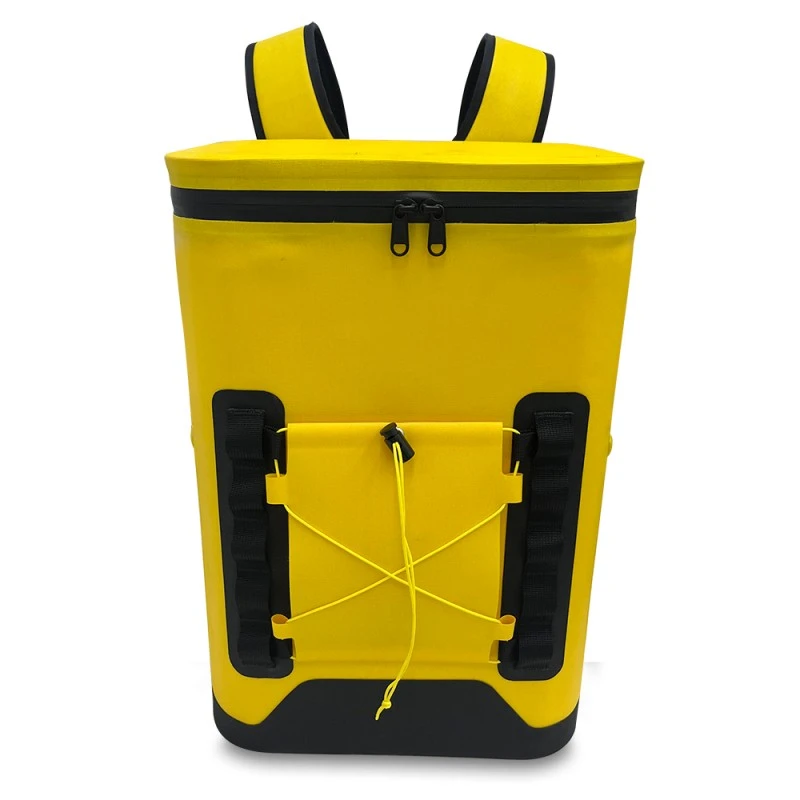
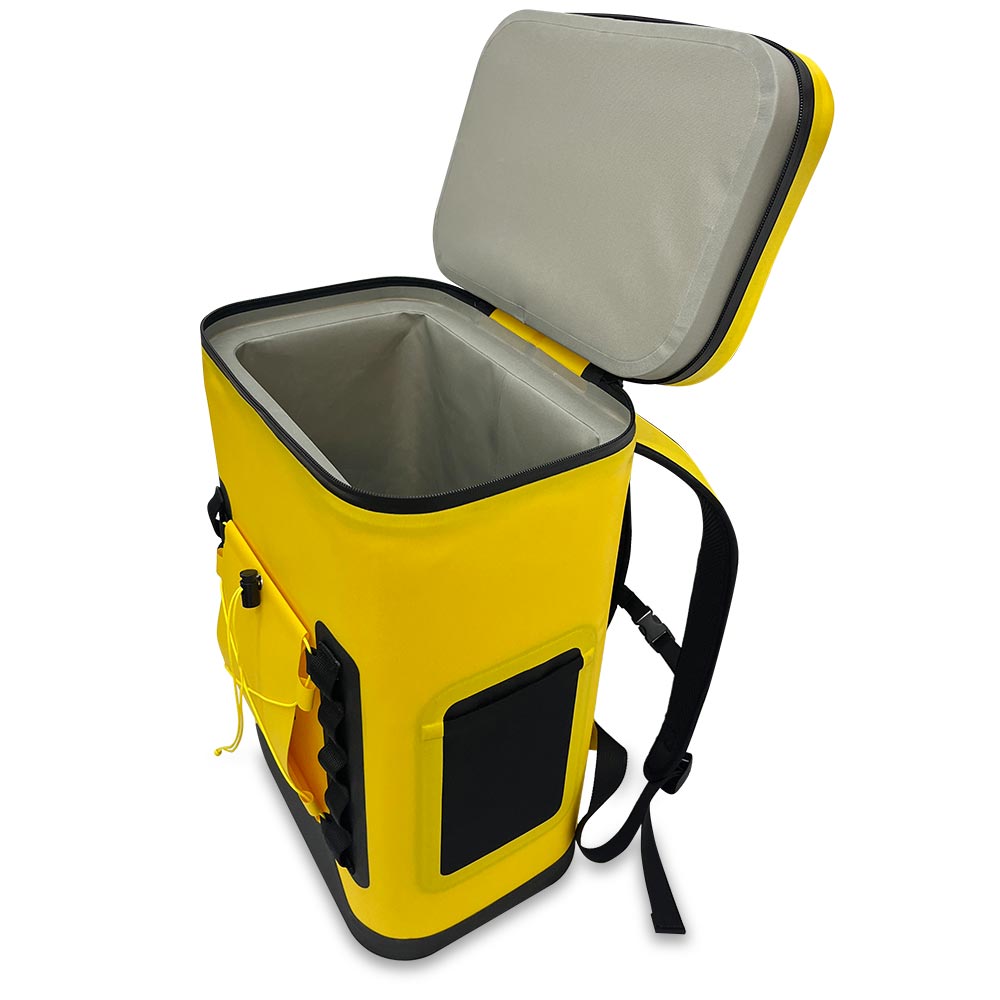
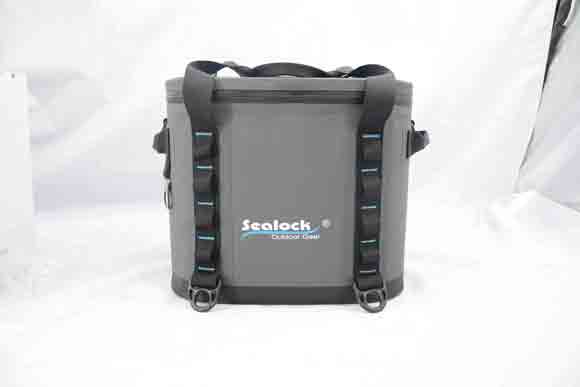
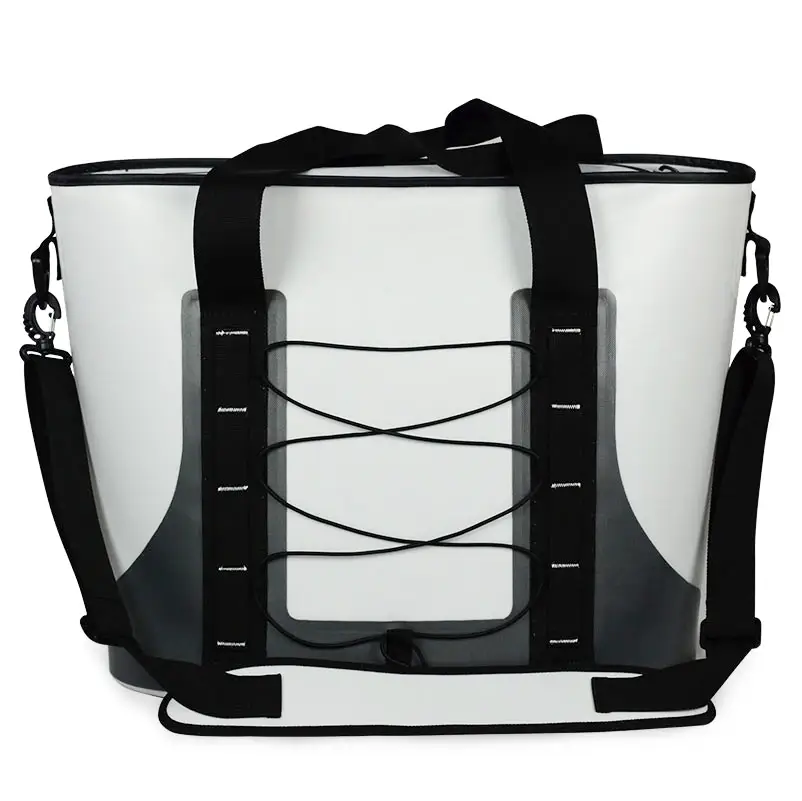
24L Soft Cooler Tote (SL-I230) | Welded leakproof tote for loose ice plus packs: 840D TPU, 20 mm XPE, airtight zipper, IPX7, up to 48 hr | View |
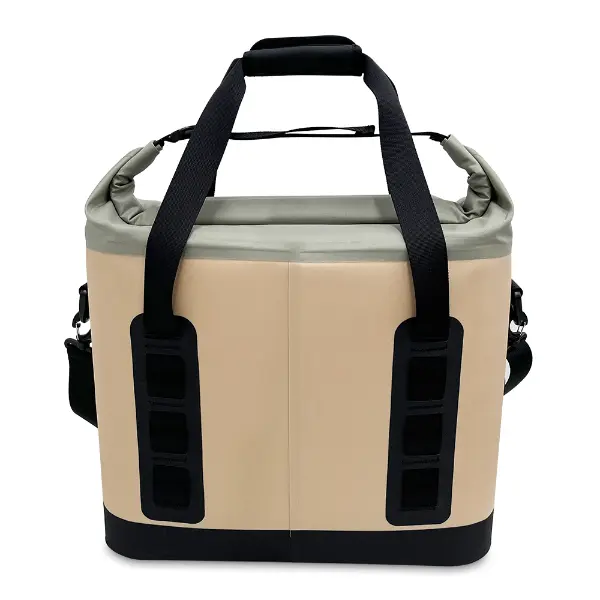
|
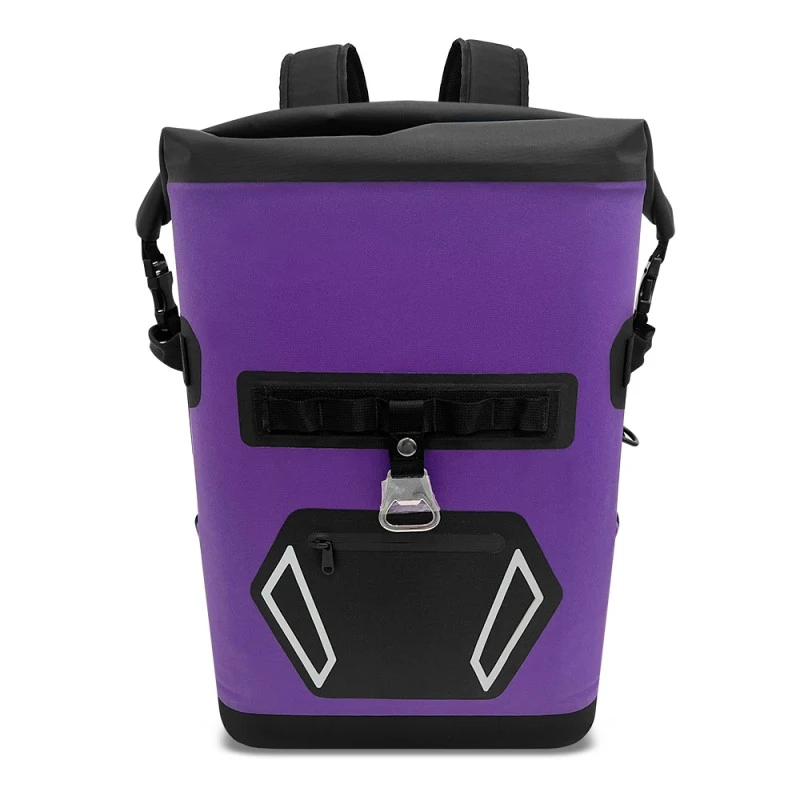
20L Roll-Top Leakproof Cooler (SL-I288) | Welded roll-top that holds meltwater: 840D TPU, closed-cell EPE, reinforced base, up to 48 hr | View |
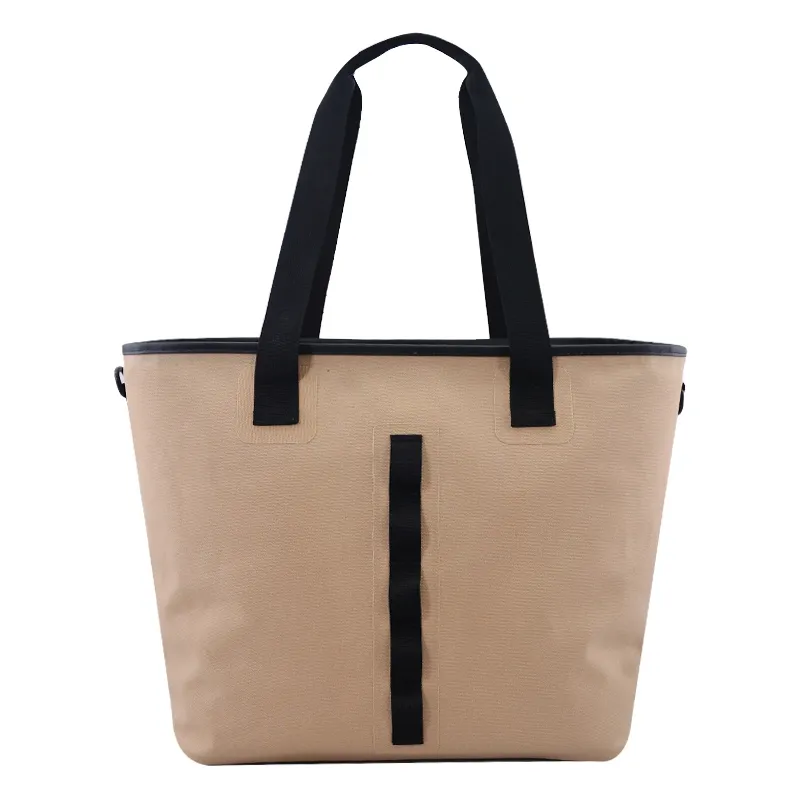
|
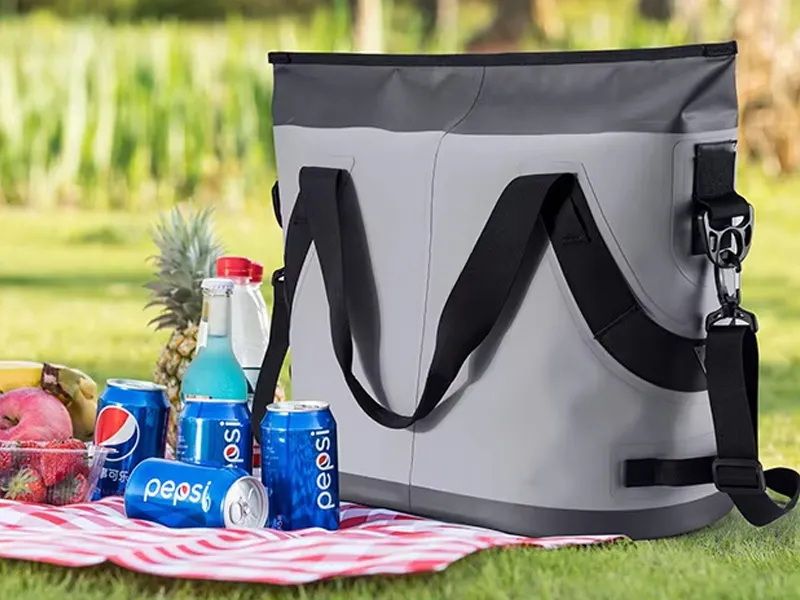
Zippered Cooler Tote Bag (SL-C529) | 50 × 30 × 30 cm; EPE foam, food-safe PEVA liner, waterproof zipper; 8+ hr with the zipper closed | View |
All are available for OEM and ODM with your logo and specification, including pockets sized to your ice pack. MOQ starts at 300 pieces, samples take 7–15 days and bulk production 30–45 days.
FAQ
Q: Are ice packs better than ice for a cooler?
A: Not for raw cooling. In independent tests, plain ice kept coolers colder and for longer than any reusable pack. Ice packs win on convenience: no meltwater, no buying ice, and no soggy food. The best results come from using both.
Q: How long do ice packs last in a cooler?
A: It depends on size and the cooler. In America's Test Kitchen's test, large hard-sided packs kept canned drinks under 50°F for 36 hours in a cooler, while thin flexible packs let the cooler warm to about 60°F within 24 hours.
Q: How long should you freeze an ice pack?
A: At least 24 hours, lying flat. Some packs take much longer to freeze solid; one in Outdoor Life's test needed about 72 hours.
Q: Are gel ice packs safe if they leak?
A: Most are made from water with non-toxic thickeners. Choose packs labelled non-toxic, avoid any containing ethylene or diethylene glycol, and discard cracked packs. Keep food in sealed containers either way.
Q: How many ice packs should I put in a lunch box?
A: Two cold sources for perishable food, such as two gel packs or one pack and a frozen drink. Place a flat pack above the food.
Q: Can ice packs freeze my food?
A: Yes. Packs often leave the freezer well below 32°F and can freeze lettuce, fruit or soft cheese they touch. Put a container or cloth between them.
Designing a cooler or lunch box around an ice pack? Send us the pack size you plan to bundle. We will design the pockets and base around it and log cold-hold on the sample.
Email: info@sealock.com.hk · Phone: +86-13632981825 · MOQ 300 pcs
Test figures are from America's Test Kitchen and Outdoor Life's published ice pack tests. Food-safety guidance follows USDA advice.