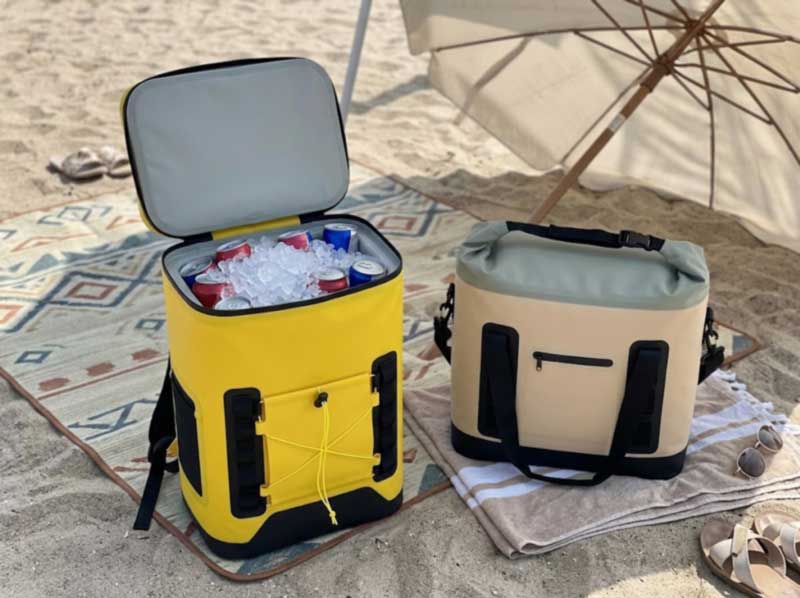
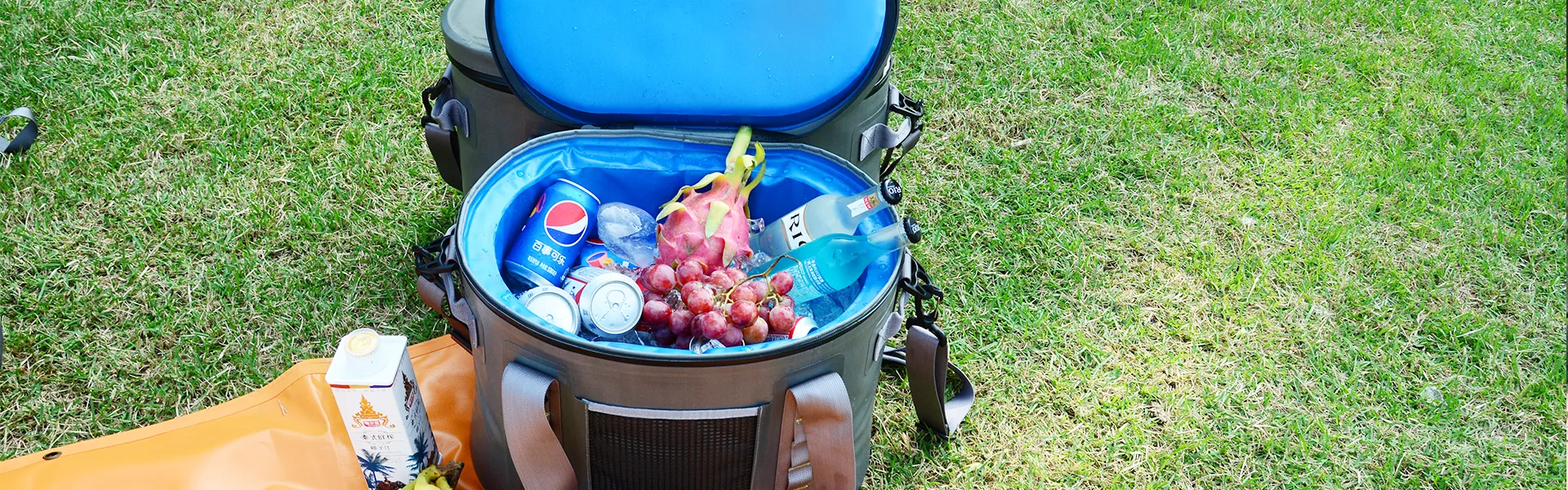
Can Counts, Litres and Quarts
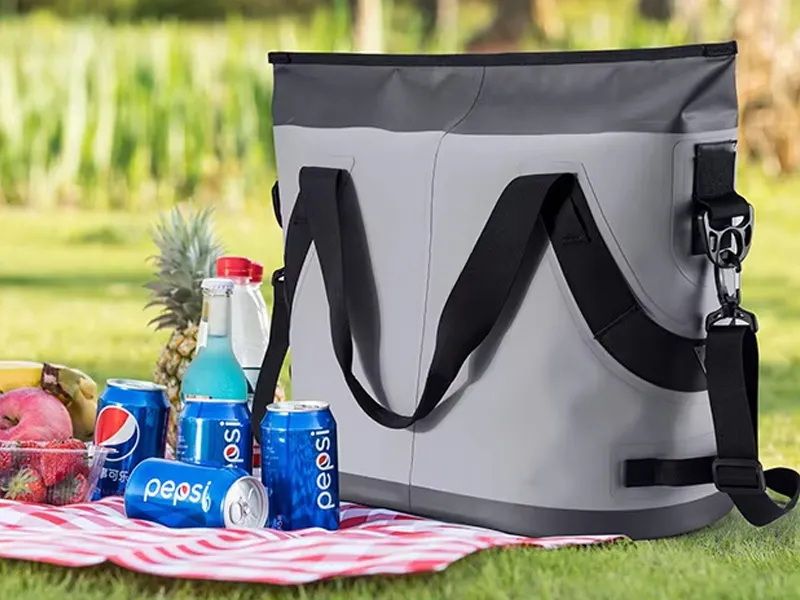
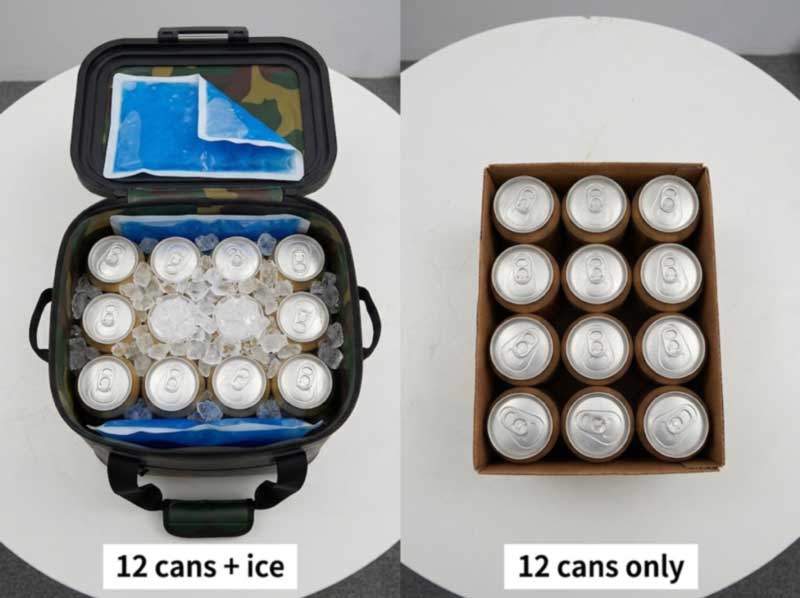
Small coolers are usually sold by can count, and can count is the least reliable measure on the label. A standard 12-ounce can holds about 355 ml of drink, but because it is a cylinder it takes up roughly half a litre of box space. Twelve cans therefore need about 6–7 litres of space with no ice at all. Add enough ice to keep them properly cold, which cooler makers commonly put at about two parts ice to one part contents for longer use, and the same twelve cans want a cooler of roughly 10–12 litres. Some brands quote can capacity with ice included and some without, so two "12-can" coolers can differ in real size by nearly half.
| Label | Space for the cans alone | Realistic size with ice | Typical use |
|---|---|---|---|
| 6 cans | About 3–3.5 L | About 5–6 L | Personal drinks, a lunch and a drink |
| 12 cans | About 6–7 L | About 10–12 L | Lunch plus drinks, a day out for one or two |
| 20–24 cans | About 10–12 L | About 18–24 L | Drinks and food for a small group or a full day |
One litre is a little more than one US quart, so a 10-litre cooler is roughly 10.5 quarts. When comparing small coolers, look for internal dimensions or a capacity in litres, not just a can count.
Why Small Coolers Lose Cold Faster
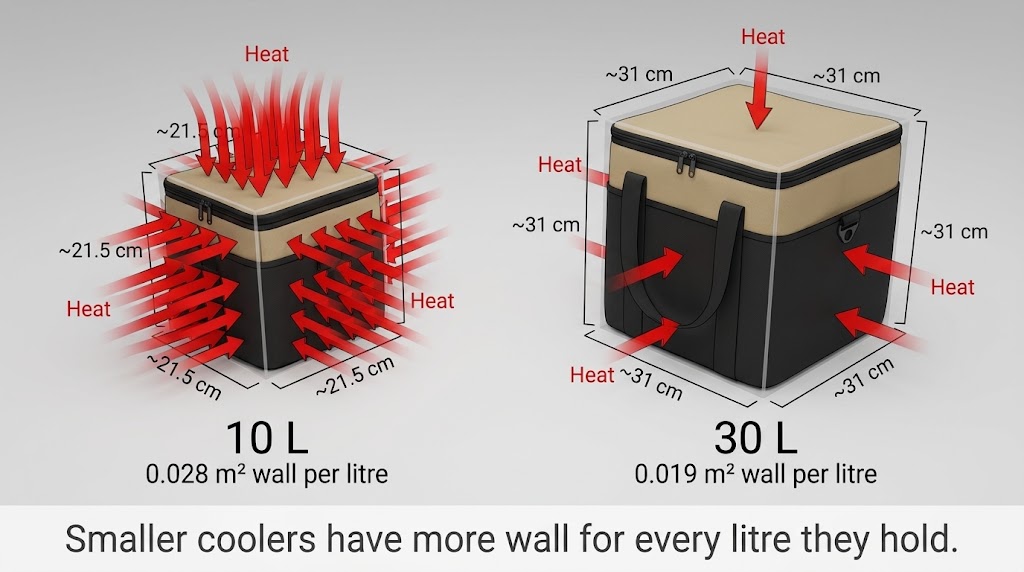
Every cooler gains heat through its walls, and small coolers have more wall for every litre they hold. Picture two cube-shaped coolers. A 10-litre cube has about 0.28 m² of wall, or 0.028 m² per litre. A 30-litre cube has about 0.58 m² of wall, or 0.019 m² per litre. The small one has nearly half as much wall again for each litre it holds, so with the same insulation, heat reaches its contents faster and a smaller amount of ice has to absorb it. That is geometry, not poor quality, and it is why the 48-hour figures quoted for large soft coolers do not apply to a small cooler bag.
Small coolers are also opened more often relative to their size, usually to grab a drink, and each opening replaces a larger share of their cold air. A small cooler bag is best thought of as a day cooler. Packed well, a good one keeps drinks cold through a long day out; it is not built to hold ice overnight.
Choosing a Small Cooler Bag for the Job
For lunch and a drink, a 5–8 litre bag or a lunch cooler is enough, and a firm or semi-rigid shape protects food better than a fully soft one. Our guides to the best lunch bag and lunch boxes for adults cover this end of the range.
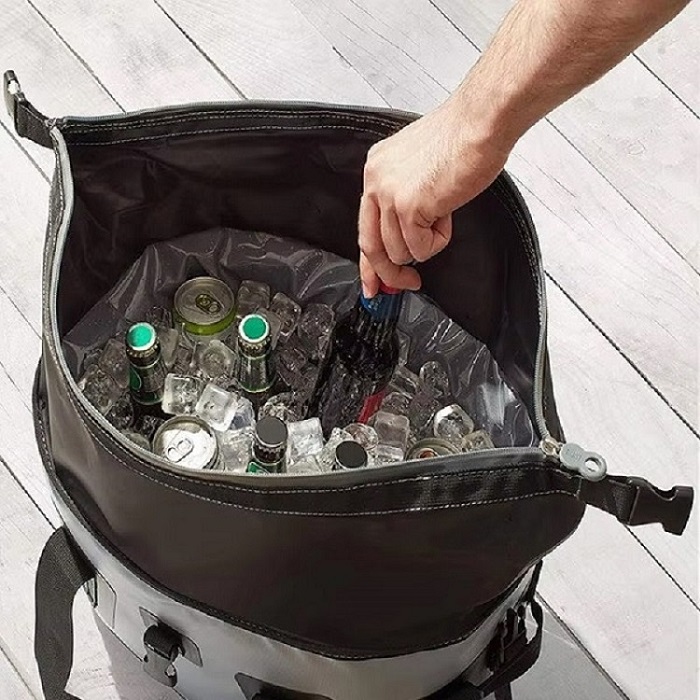
For a day out with drinks, 10–12 litres holds a dozen cans with ice. A wide zipper opening matters more here than at any other size, because you will open it often and a narrow opening means digging.
For two people or a full day, 18–24 litres is the practical maximum before a soft cooler becomes heavy to carry by hand. At this size, a shoulder strap or backpack straps make a real difference to how far you are willing to carry it.
Whatever the size, buy the smallest cooler that fits a normal load with ice. A half-empty small cooler holds warm air that the ice has to cool, and it will not keep things as cold as a smaller one packed full.
What Makes a Small Soft Cooler Worth Buying
The same construction points that decide large coolers matter in small ones, with a few shifts in emphasis. The closure matters most, because a small cooler is opened constantly: a full-width zipper that runs smoothly, or an airtight zipper on a leakproof model, seals the bag each time. Insulation in the lid and base matters because these are a large share of a small cooler's surface. The liner should be food-grade and smooth, and on a cooler that will carry loose ice it should be welded rather than sewn so meltwater cannot reach the foam. The carry should suit the load: a padded handle or shoulder strap for a tote, padded straps for a small cooler backpack. Our guide to the faults to check in a soft cooler bag goes through each in detail.
Keeping a Small Cooler Cold
Small coolers reward good packing more than large ones. Chill the drinks and food before they go in, so the ice is not spent cooling them down. Pre-chill the bag itself if it has been sitting in a hot car. Use flat ice packs on the base and on top, and fill the gaps with ice cubes. Keep the cooler in the shade and open it as little as possible; on a hot day, a small separate bag for drinks keeps the food bag closed. For more, see how to pack a cooler and ice packs for coolers.
For Brands: Small Coolers Are a Range, Not a Product
Small coolers sell in volume as everyday lines, gifts and promotional items, and most brands need more than one size. A small-cooler range usually works best as two or three sizes sharing one design language: a lunch size, a 12-can day size and a 20–24-can size, so the customer can step up within the range. We help brands plan that range by stating capacity honestly, both in litres and in cans with ice, so the box matches how the cooler is used, and by verifying cold-hold for each size on a multi-channel thermocouple rig. Construction can be sewn for entry-level models or high-frequency welded for leakproof ones, and both can be combined in one range. MOQ starts at 300 pieces per model, samples take 7–15 days and bulk production 30–45 days.
Small Coolers in Our Range
| Image | Model | Specification | Link |
|---|---|---|---|
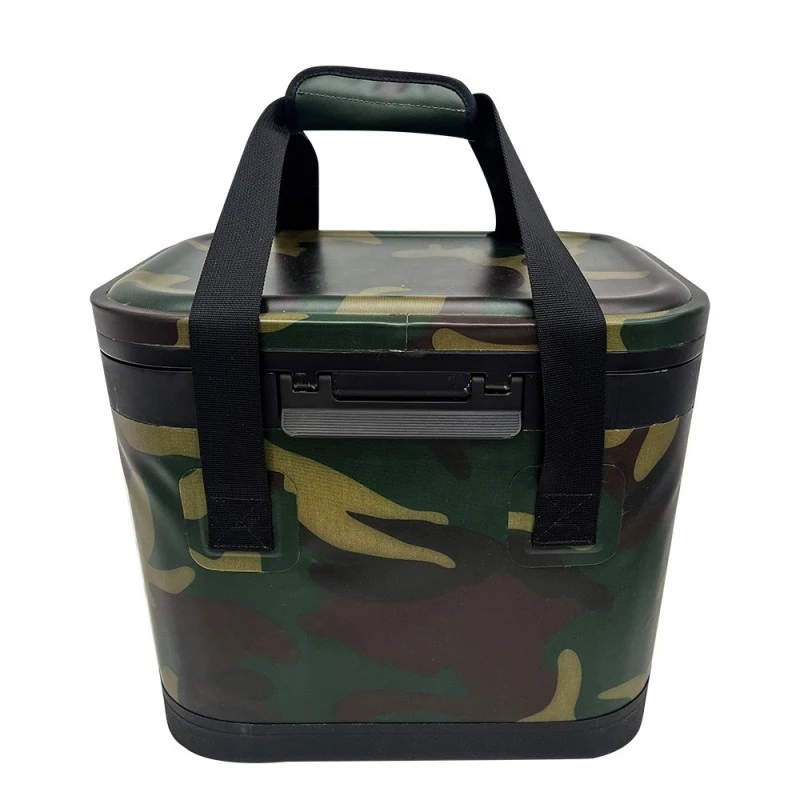
|
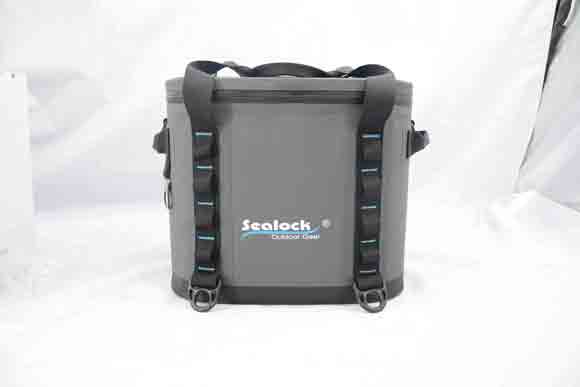
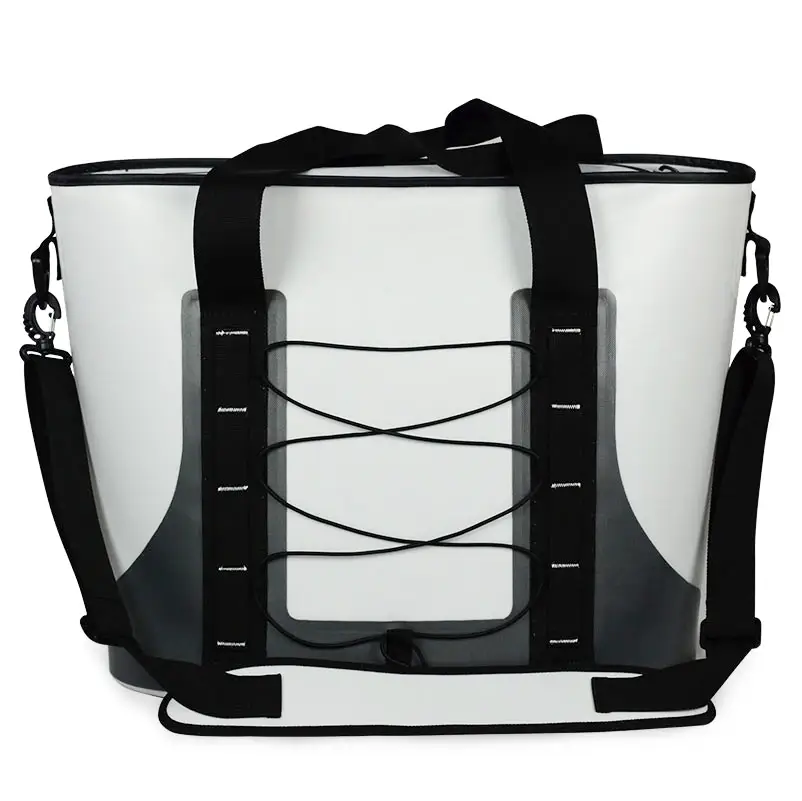
Small Cooler Tote Bag | Personal size, about 12 cans; TPU or polyester outer, zipper closure, food-grade liner; for lunch, short trips and drinks | View |
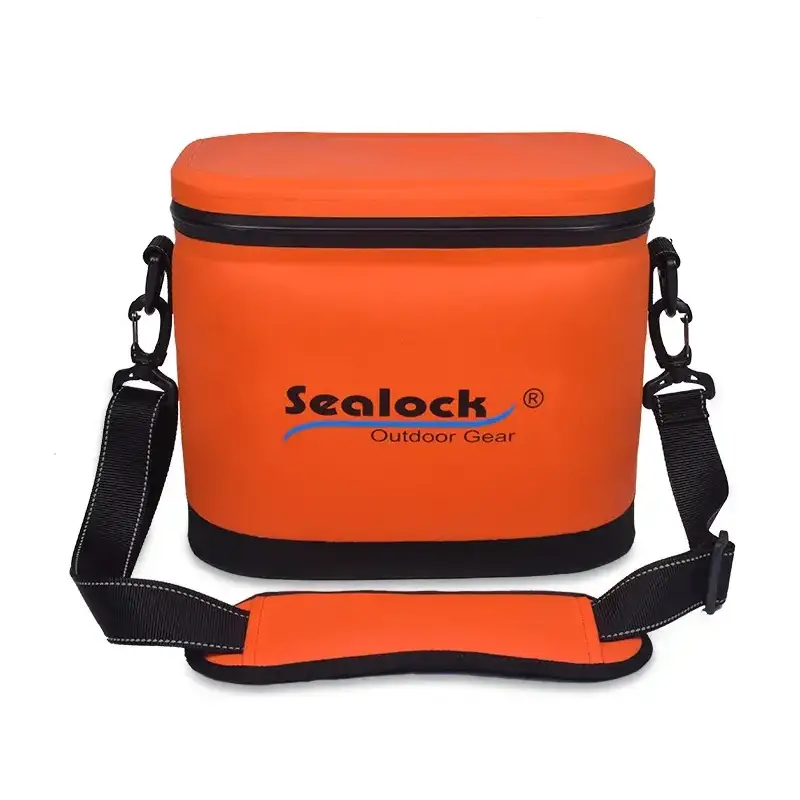
|
Portable Lunch Cooler | Lunch-size cooler; TPU or polyester outer, food-safe PEVA liner, zipper | View |
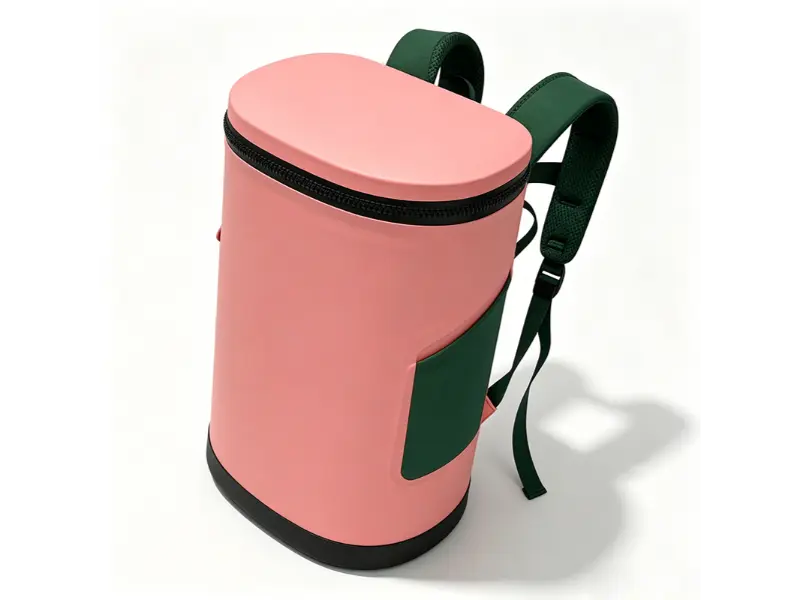
|
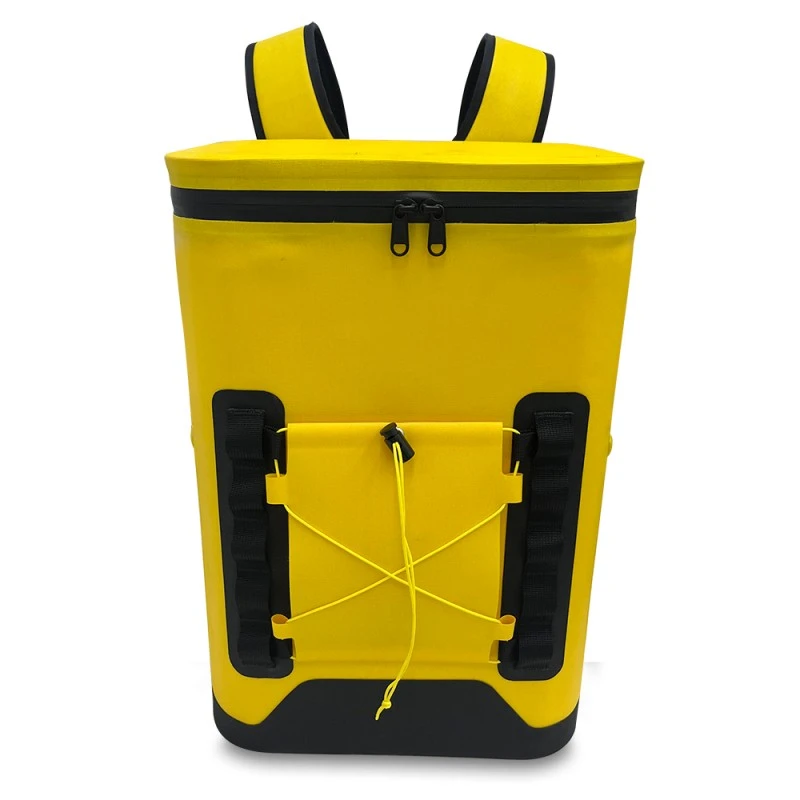
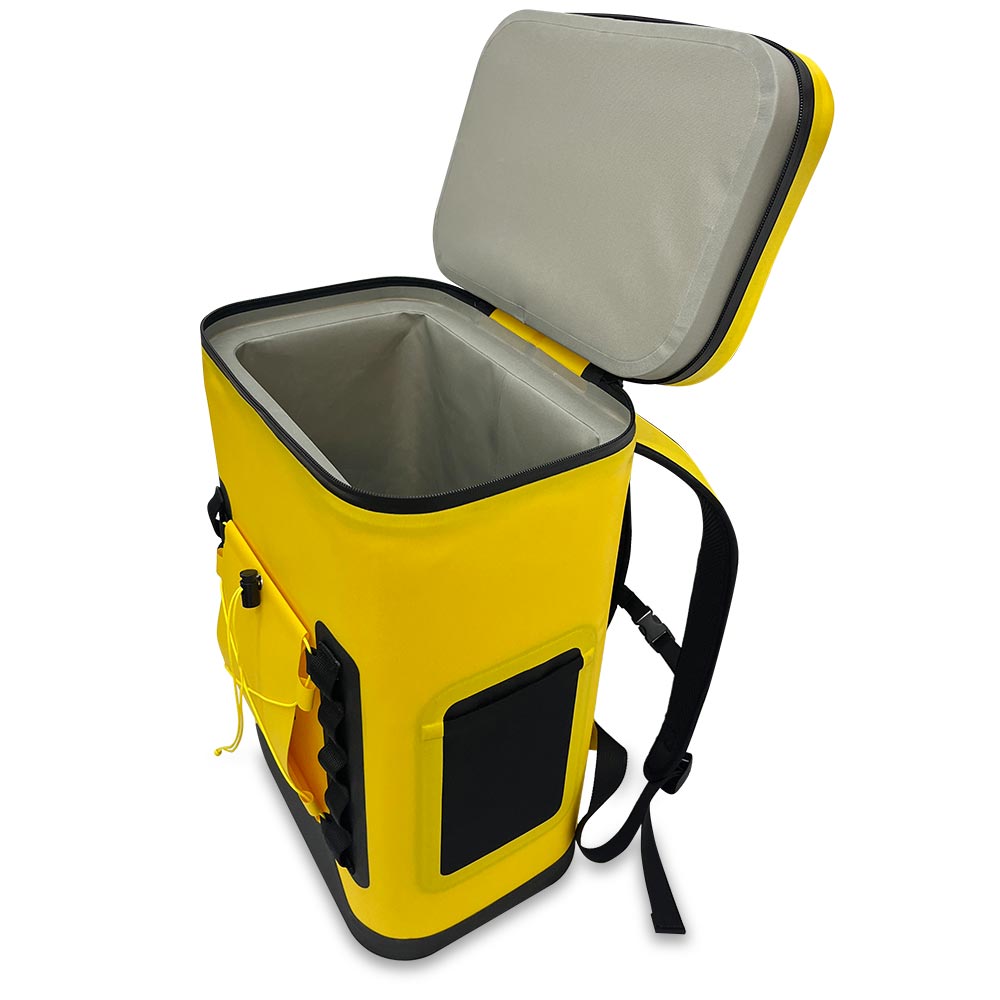
Barrel Insulated Cooler Backpack (SL-I309) | About 18 L; internal 28 × 17 × 39 cm, 1.3 kg; TPU laminated, closed-cell EPE, food-grade liner, zip-around top, padded straps; about 24–36 hr | View |
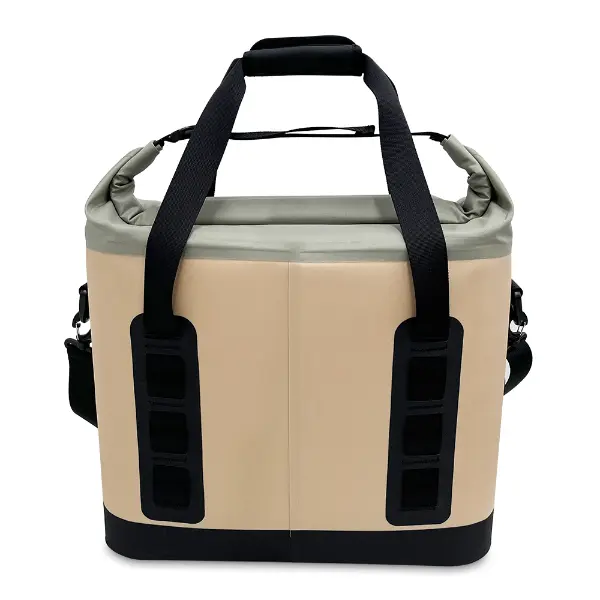
|
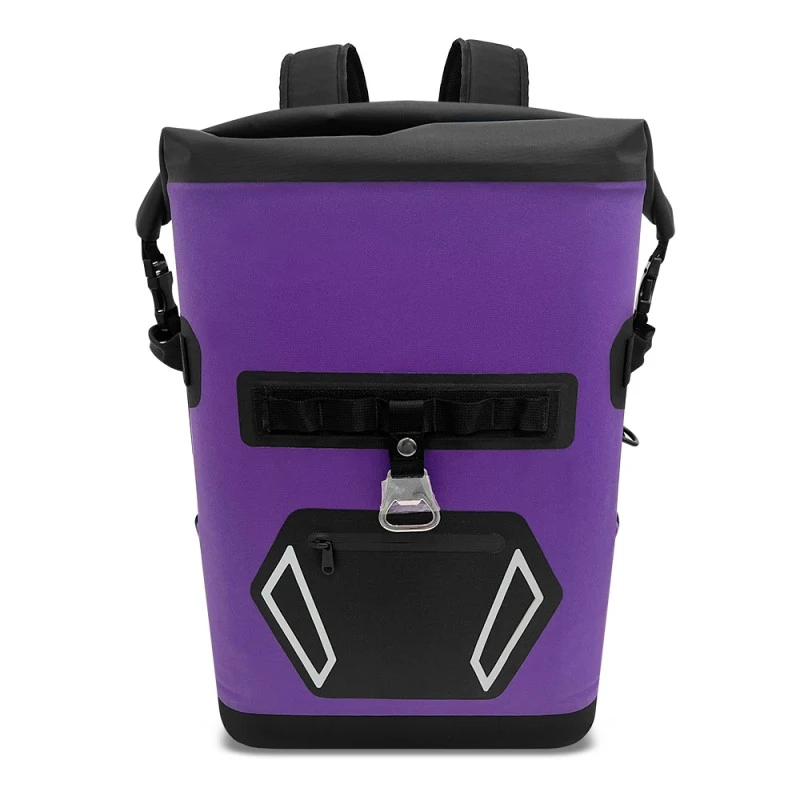
20L Roll-Top Leakproof Cooler (SL-I288) | 20 L; interior 40 × 15 × 32 cm, 1.4 kg; welded roll-top, 840D TPU, closed-cell EPE; up to 48 hr | View |
FAQ
Q: What size is a small cooler bag?
A: Usually 5–12 litres, holding from a lunch and a drink up to about a dozen cans with ice. Bags of 18–24 litres are often sold as small coolers too, and suit a small group or a full day.
Q: How many quarts is a 12-can cooler?
A: Twelve cans need about 6–7 litres of space without ice, or roughly 10–12 litres (about 10.5–12.5 quarts) with enough ice to keep them cold. Check whether the brand's can count includes ice.
Q: Why does my small cooler not stay cold as long as a big one?
A: Small coolers have more wall area for every litre they hold, so heat reaches the contents faster and there is less ice to absorb it. Treat a small cooler as a day cooler and pack it with chilled contents and ice packs.
Q: Is a small soft cooler leakproof?
A: Only if it has a welded liner and a waterproof or airtight closure. Many small coolers are water-resistant, which is fine for drinks and ice packs but not for loose ice tipped on its side.
Q: What is the best small cooler for a day out?
A: For one or two people, a 10–12 litre soft cooler with a wide zipper opening, insulation in the lid and base, and a comfortable strap.
Q: Can you make small coolers in several sizes for our brand?
A: Yes. We develop small-cooler ranges in two or three sizes with your logo and colours, from 300 pieces per model.
Planning a small-cooler range? Tell us the sizes and price points you need. We will propose capacities stated honestly in litres and cans, and send samples in 7–15 days.
Email: info@sealock.com.hk · Phone: +86-13632981825 · MOQ 300 pcs
Capacity figures are calculated from standard 12-ounce can dimensions and are approximate; actual fit depends on the cooler's internal shape. Brand customers are named as manufacturing clients only; no endorsement is implied.