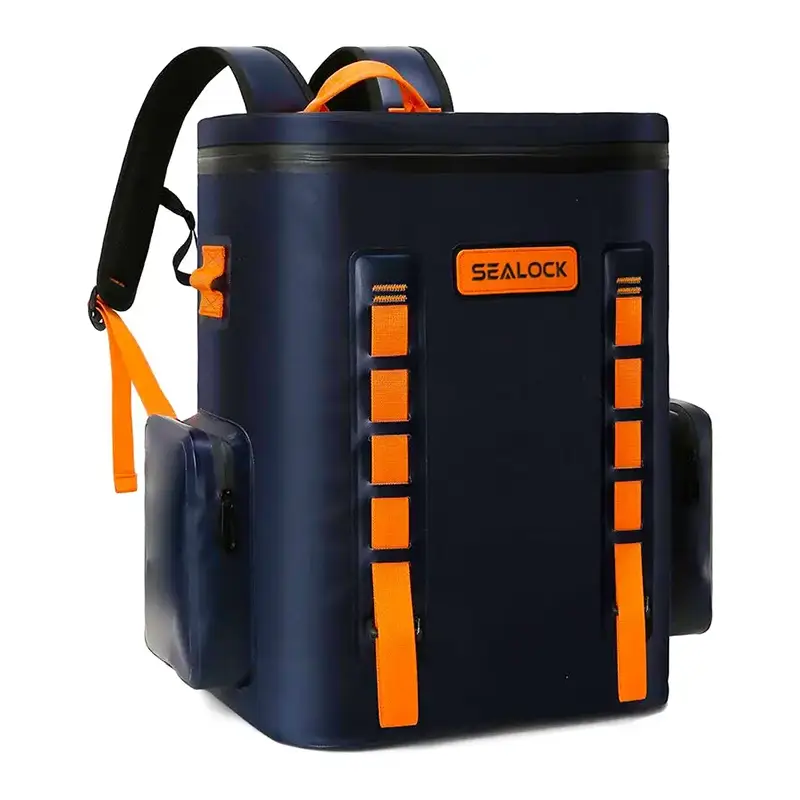

A SMETA audit is the most widely used social audit in global supply chains, and if you buy from a factory, sooner or later you will either request one or be sent one. Most explanations are written by audit companies. This one is written from the other side of the table, by a manufacturer that holds a four-pillar SMETA audit: what the audit is, what happens during it, what the report does and does not prove, and how a buyer should read one. Sealock (YiFuLong Outdoor Gear Co., Ltd.) has manufactured insulated and waterproof bags in China and Vietnam since 2003.
What a SMETA Audit Is
SMETA stands for Sedex Members Ethical Trade Audit. It is a social audit methodology created and maintained by Sedex, a membership-based data platform for supply chain information. It launched in 2004, when UK retailers came together to replace their separate, overlapping supplier audits with one shared method, and it is built on the ETI Base Code — the Ethical Trading Initiative's code covering labour practices.
The scale is substantial: Sedex reports around 67,000 SMETA audits on its platform in 2023. The audits themselves are carried out by independent, Sedex-approved audit companies, not by Sedex.
Two Pillars or Four
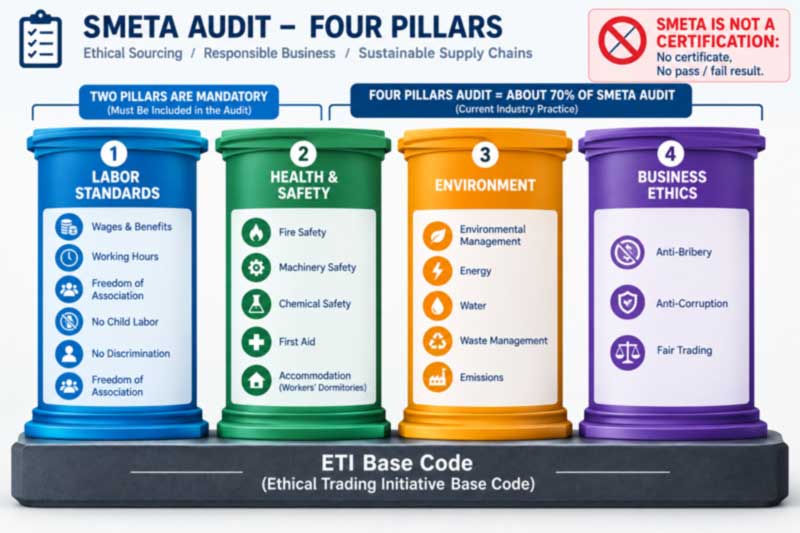
Every SMETA audit covers the two founding pillars. A four-pillar audit adds two more.
| Pillar | 2-pillar audit | 4-pillar audit |
|---|---|---|
| Labour standards — wages, working hours, freely chosen employment, no child labour, non-discrimination, freedom of association | Included | Included |
| Health and safety — fire safety, machinery, chemicals, first aid, accommodation where provided | Included | Included |
| Environment — environmental management, energy, water, waste, emissions | — | Included |
| Business ethics — bribery, corruption, fair business practice | — | Included |
The four-pillar version is now the norm rather than the premium option: Sedex states that most buyers choose it, and that it is used in around 70% of SMETA audits. If a buyer asks you for "a SMETA," four pillars is the safe assumption. Sedex's illustrative audit time is 2 days for a two-pillar audit and 3 days for a four-pillar audit, scaled to site size.
What Happens During the Audit
Before the auditors arrive
Under Sedex's supplier manual, the site should receive the essentials at least two weeks ahead: the agreed audit scope (which companies, sites and buildings), the list of documents to have available, the key people needed on the day, the agenda, the requirements for worker representatives, interviews and photographs, and how the report will be uploaded to Sedex. The auditor also requests the site's latest Sedex Self-Assessment Questionnaire, which Sedex recommends updating at least once a year and before any audit.
Audits can be announced, semi-announced or unannounced. Semi-announced means the factory knows the window but not the day — which matters, because it limits how much a site can stage for the visit.
On the day
The manual lists six stages that must all be completed, in whatever order suits the site:
- Opening meeting — scope, agenda and how issues will be raised.
- Site tour — production floors, warehouses, chemical storage, fire exits, canteens and, where provided, dormitories.
- Management and worker interviews — held in private, without managers present.
- Document review — typically payroll, working-hour records, employment contracts, age verification, permits and health and safety records, cross-checked against what workers said.
- Pre-closing meeting — the auditor tests findings with management.
- Closing meeting — a summary of findings and the corrective action plan.
The cross-check in stage four is the heart of a social audit. Records that look perfect but do not match what workers describe in interviews are themselves a finding.
How many workers are interviewed
The manual sets minimum interview numbers by workforce size. A selection:
| Workers on site | Individual interviews | Group interviews | Total workers interviewed |
|---|---|---|---|
| 5–100 | 5 | 1 group of 5 | 10 |
| 101–500 | 6 | 4 groups of 5 | 26 |
| 501–1,000 | 12 | 6 groups of 5 | 42 |
| 1,001–2,000 | 20 | 8 groups of 4 | 52 |
These are minimums; auditors may go further where the picture is unclear.
What the Report Contains — and What Happens Next
Because there is no pass or fail, the substance is in the findings. Non-conformances are graded by severity — Business Critical, Critical, Major and Minor — and each is entered into a Corrective Action Plan Report (CAPR), with agreed actions and timescales.
- Timescales: most corrective actions carry a minimum of 30 days; business-critical issues are immediate.
- Closing findings: by desktop review of evidence, completed within 5 working days of submission, or by an on-site follow-up audit, generally within six months.
- Same audit company: follow-ups must be booked with the audit company that did the original audit, or the findings cannot be closed.
The report then goes onto the Sedex platform: the audit company submits it within 15 calendar days of the audit, the site has 7 days to publish it, and Sedex auto-publishes it 14 days after submission if the site has not. The audit report and CAPR are the outputs a site's customers see.
What Changed in SMETA 7.0
Sedex published SMETA 7.0 on 10 September 2024, describing it as the biggest overhaul in the methodology's history. The main changes:
- Specific workplace requirements. The ETI Base Code is broken down into defined requirements with clearer instructions on what a site must do.
- Management Systems Assessment. Auditors now rate four areas — policies and procedures, resource allocation, communication and training, and monitoring and documentation — on four maturity levels from "not addressed" to "robust management system." It replaces the old "observations" category. In practice this rewards a factory that runs compliance as a system rather than one that tidies up for audit week.
- "Collaborative Action Required." A new finding for four areas a single site cannot fix alone — living wages, responsible recruitment, child labour and discrimination. These carry no fixed closure date and recognise that buyers share responsibility for them.
- Stronger environment and business ethics pillars in the four-pillar audit.
- Auditor training: auditors complete 16 hours of live training before conducting SMETA 7.0 audits.
Which version a given audit used is printed on the report. If you are comparing suppliers, note it — a 7.0 report with a management-system rating tells you more than an older one.
How a Buyer Should Read a Supplier's SMETA
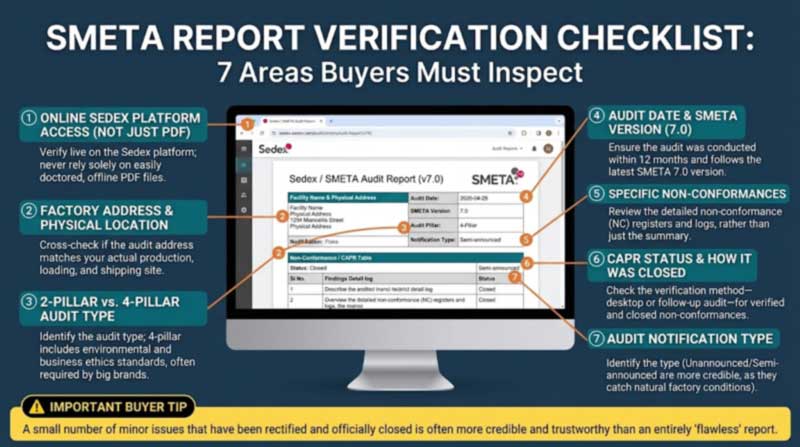
If you are choosing a supplier, a SMETA report is one of the most useful documents you can ask for — provided you read it properly rather than ticking a box. Seven checks:
- Ask for access on Sedex, not a PDF. The platform version is the one the audit company uploaded. A PDF in an email proves less.
- Check the site address. It must be the factory that will make your product, not a head office or a sister plant.
- Check two or four pillars. If your customers or your own policy require environment and business ethics, a two-pillar report does not cover them.
- Check the date and version. One audit is a snapshot. Ask when the last one was and whether another is scheduled.
- Read the findings, not the summary. A report with a few minor findings and a closed CAPR is a better sign than one that looks spotless — spotless can mean thorough, or it can mean staged.
- Check the CAPR status. Were findings closed, and by evidence or by follow-up visit? Open critical findings deserve a direct conversation.
- Note the announcement type. Semi-announced and unannounced audits are harder to prepare for, so they carry more weight.
Where Sealock Stands
Our factories hold a four-pillar SMETA audit alongside ISO9001, amfori BSCI, GRS, HIGG and SCAN. We produce insulated and waterproof bags for international brands including Stanley, YETI, Hydro Flask, Osprey, Musto and Simms, whose programmes audit suppliers continuously on social compliance as well as quality.
If you are evaluating us as a supplier, ask for access to our SMETA report through Sedex and our BSCI status through amfori. We would rather you read the findings yourself than take a sentence on a web page on trust.
Need supplier compliance evidence for a programme? Tell us which audit format your customer or policy requires. We will arrange platform access and the current documentation, alongside a quotation for the product.
Email: info@sealock.com.hk · Phone: +86-13632981825
What We Manufacture
| Image | Model | Build | Link |
|---|---|---|---|
|
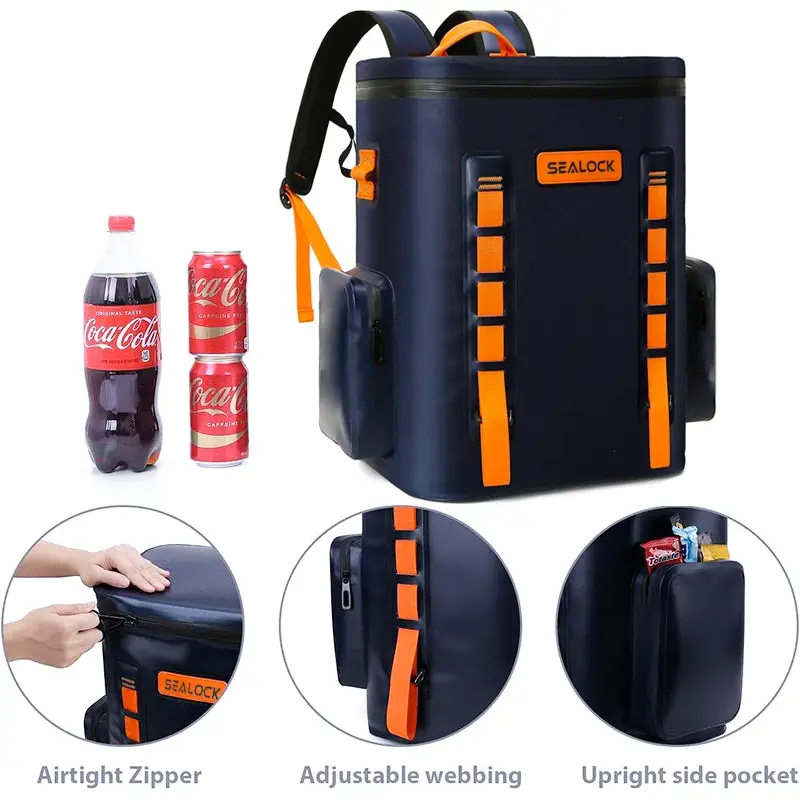
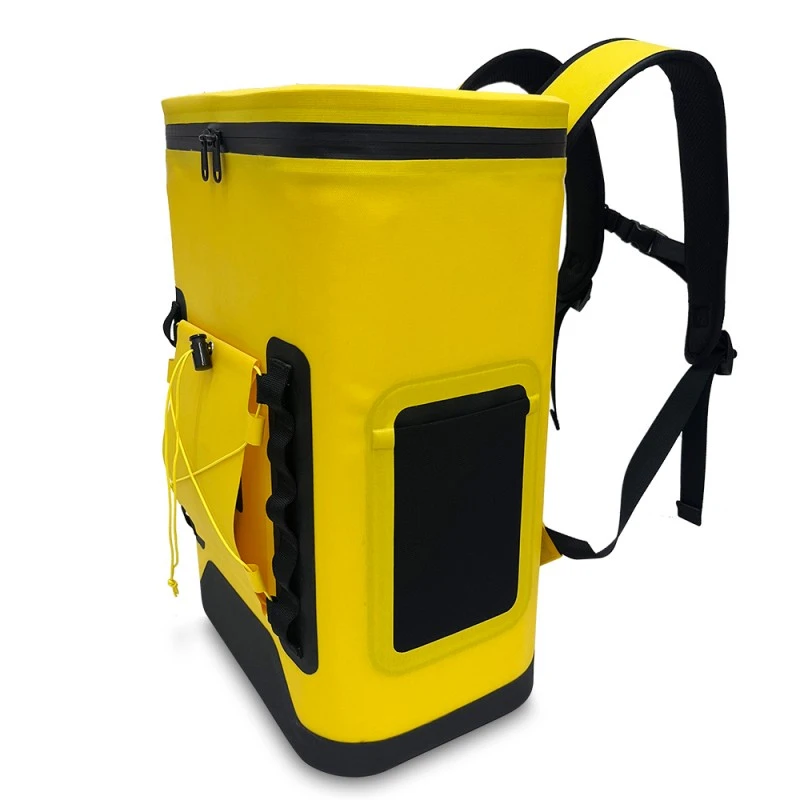
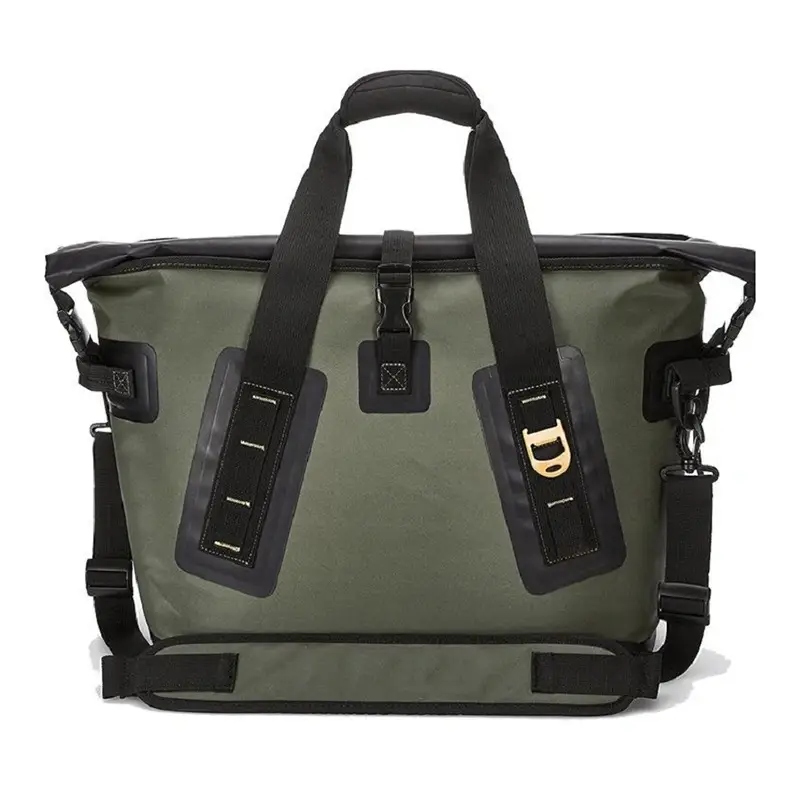
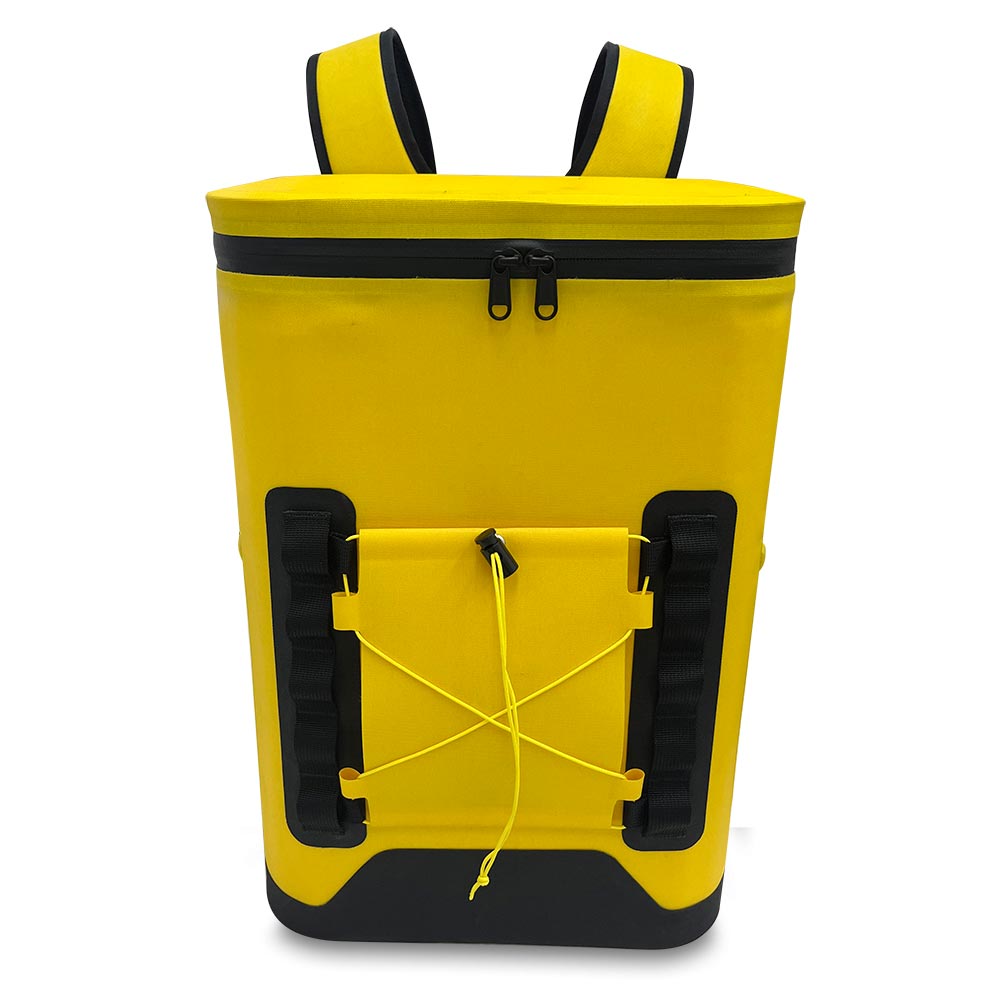
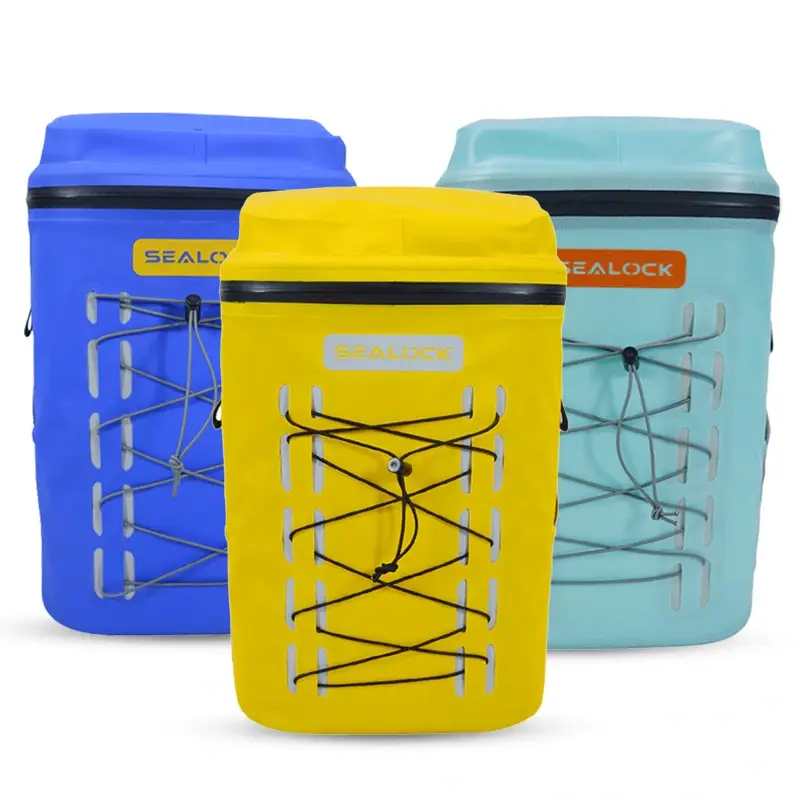
28L Airtight-Zipper Cooler Backpack (SL-I274) | 840D TPU, EVA core, food-grade TPU membrane, airtight welded zipper, up to 48 hr | View |
|
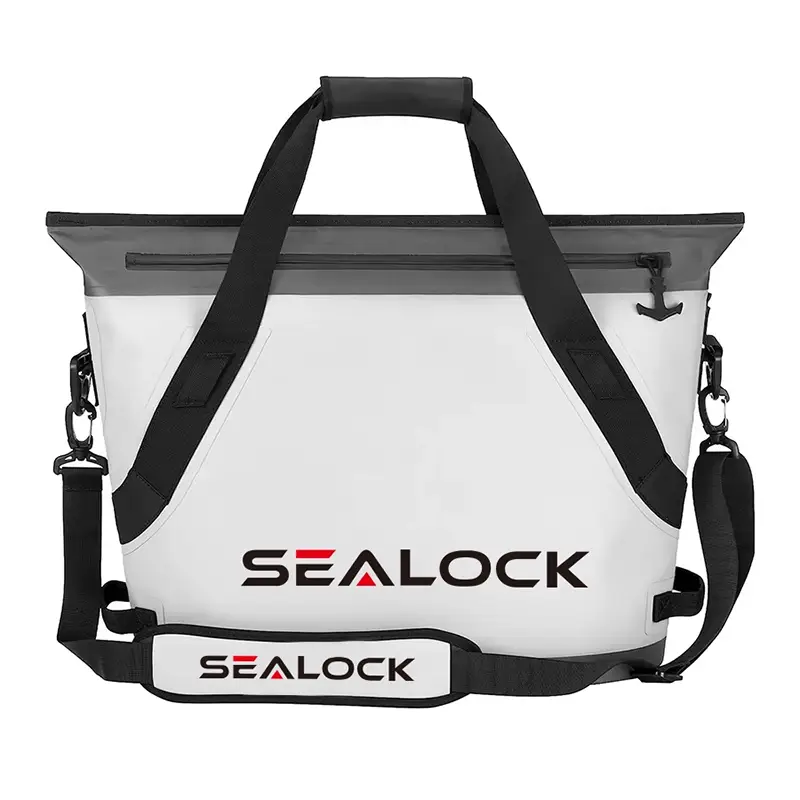
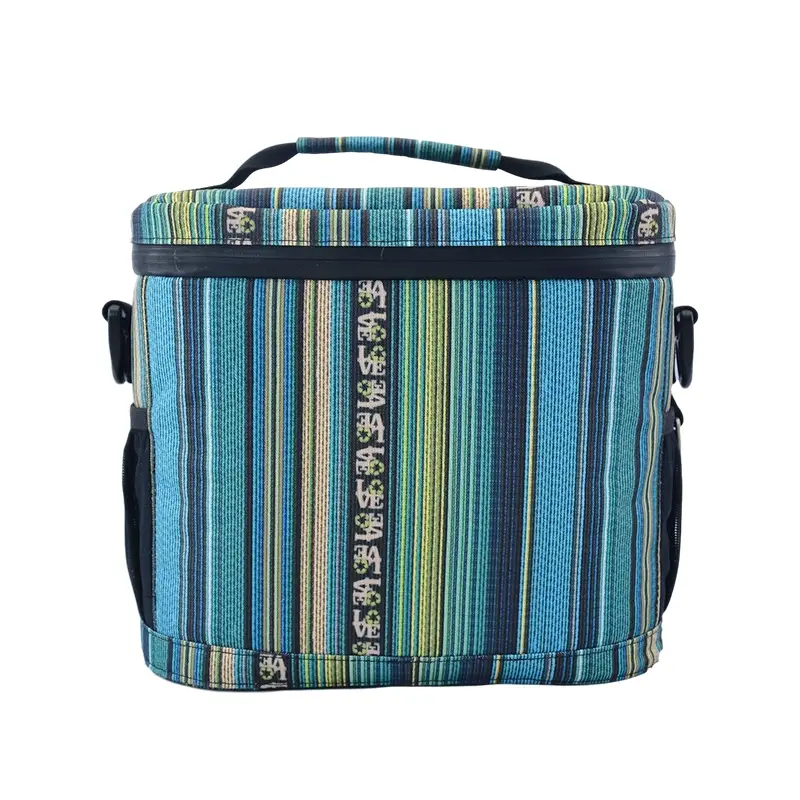
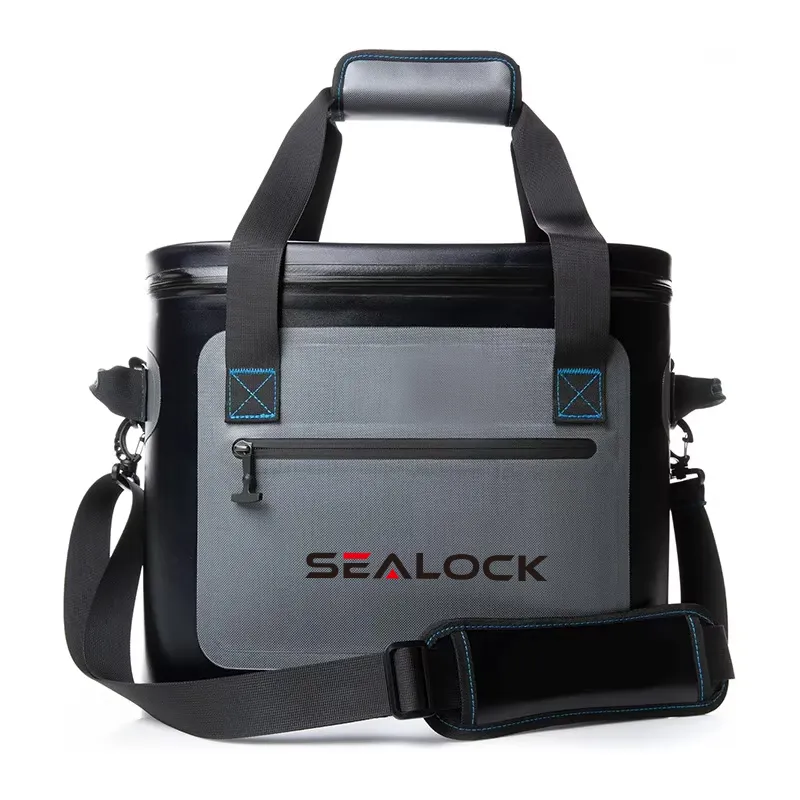
24L Soft Cooler Tote (SL-I230) | 840D TPU, 20 mm XPE, IPX7, HF welded, up to 48 hr | View |
|
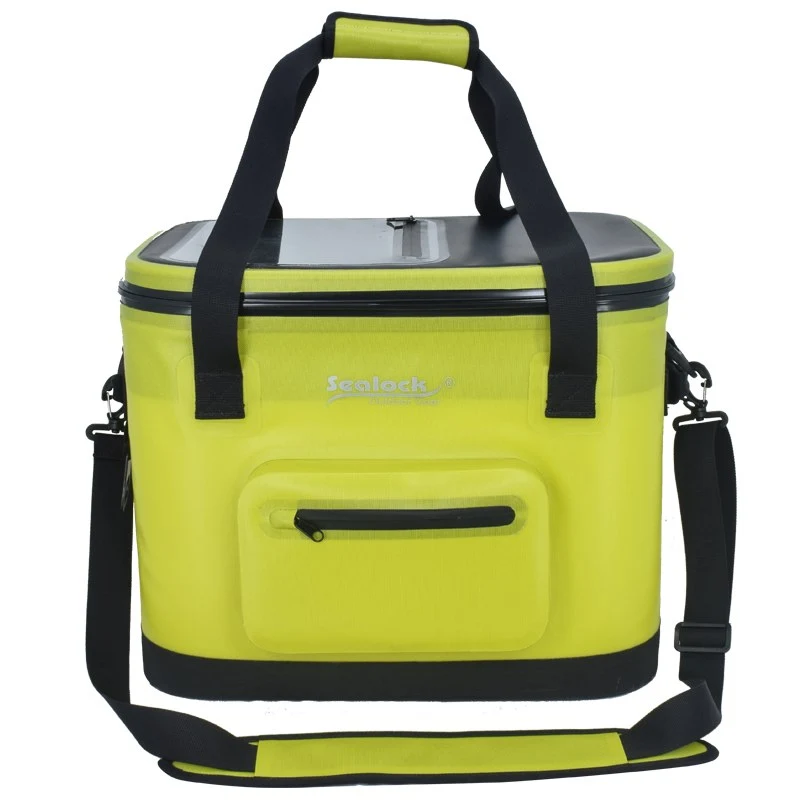
Insulated Cooler Backpack (SL-I075A) | 36-can, 840D PVC tarpaulin, EPE foam, PEVA liner | View |
FAQ
Q: What is a SMETA audit?
A: A social audit methodology created by Sedex and carried out by independent, Sedex-approved audit companies. It checks a site against the ETI Base Code on labour standards and health and safety, and in its four-pillar form also environment and business ethics. The results are a findings report and a corrective action plan, shared with the site's customers on the Sedex platform.
Q: Is SMETA a certification?
A: No. Sedex is not a certification body and SMETA has no pass/fail outcome. A supplier has a SMETA audit report, not a SMETA certificate. What matters is what the report found and whether the corrective actions were closed.
Q: What is the difference between a 2-pillar and a 4-pillar SMETA?
A: Both cover labour standards and health and safety. The four-pillar audit adds environment and business ethics, and is now used in around 70% of SMETA audits. Sedex's illustrative audit time is 2 days for two pillars and 3 days for four, depending on site size.
Q: How long is a SMETA audit valid?
A: The methodology itself sets no expiry date; buyers set their own re-audit expectations, and many ask for a recent report, often within the last year. When you review a supplier's report, look at the audit date and ask when the next one is planned.
Q: What happens if a SMETA audit finds problems?
A: Each non-conformance is graded — Business Critical, Critical, Major or Minor — and entered into a corrective action plan with a timescale, usually at least 30 days, or immediate for business-critical issues. Findings are closed by evidence review or a follow-up visit, which must be booked with the original audit company.
Q: What changed in SMETA 7.0?
A: Published on 10 September 2024, it breaks the ETI Base Code into specific workplace requirements, adds a Management Systems Assessment rated on four maturity levels, introduces "Collaborative Action Required" findings for living wages, responsible recruitment, child labour and discrimination, and strengthens the environment and business ethics pillars.
Q: Can I see Sealock's SMETA report?
A: Yes — ask us for access through the Sedex platform. We hold a four-pillar SMETA audit, along with amfori BSCI, ISO9001, GRS, HIGG and SCAN.
Sealock — YiFuLong Outdoor Gear Co., Ltd.
Insulated and waterproof bags, manufactured in China and Vietnam since 2003. SMETA 4-pillar · amfori BSCI · ISO9001 · GRS · HIGG · SCAN.
Email: info@sealock.com.hk · Phone: +86-13632981825 · MOQ 300 pcs · samples 7–15 days
Details of the SMETA methodology described here reflect publicly available Sedex and audit-company sources as of 2026, including the Sedex SMETA 7.0 supplier manual. Requirements are revised periodically; confirm current methodology and scope with a Sedex-approved audit company. Brand customers are named as manufacturing clients only; no endorsement is implied.