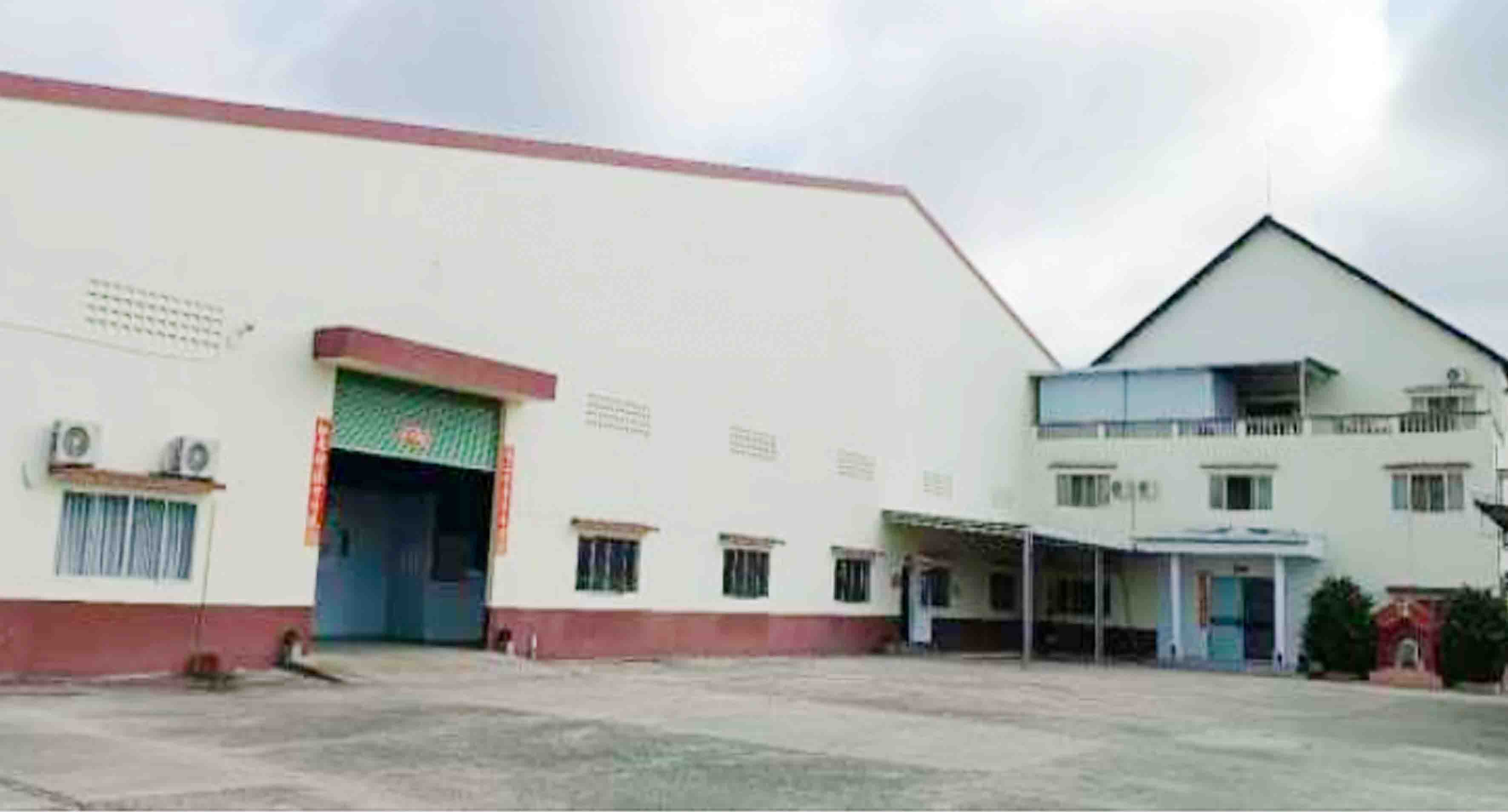
CPSIA testing is the third-party testing that US law requires for children's products before they can be sold in the United States. It is set by the Consumer Product Safety Improvement Act of 2008 and enforced by the Consumer Product Safety Commission (CPSC). For anyone importing lunch boxes, lunch bags or small coolers aimed at school-age children, it decides whether a shipment clears customs and whether a retailer will list the product. Since 8 July 2026, the certificate that rests on that testing must also be filed electronically with US Customs at entry. This guide explains when a lunch box counts as a children's product, which tests apply, what goes on a Children's Product Certificate, and how to organise the work with your manufacturer. It is written by Sealock (YiFuLong Outdoor Gear Co., Ltd.), which manufactures lunch boxes, lunch bags and soft coolers at its factories in Dongguan, China and Ho Chi Minh City, Vietnam.
Is Your Lunch Box a "Children's Product"?
Everything else follows from this question. Under the CPSIA, a children's product is a consumer product designed or intended primarily for children 12 years of age or younger. A plain adult lunch box is a general-use product, and it does not become a children's product just because some parents put it in a school bag. The CPSC decides by looking at four things: what the manufacturer says the product is for, including its labelling; whether its packaging, display, promotion or advertising presents it as suitable for children 12 or under; whether consumers commonly recognise it as intended for that age group; and the Commission's age determination guidelines.
In practice, a lunch box becomes a children's product through its design and marketing. Cartoon characters, licensed children's themes, child-sized dimensions, "kids" or "back to school" in the product name, placement in a children's section of a store or website, and age grading on the packaging all push it into the category. The same molded case in a plain grey with an office-lunch listing would normally not be. Decide this at the design stage, because the choice of print, colourway and listing copy determines your compliance obligations.
What CPSIA Testing Covers for a Lunch Box
| Requirement | Limit or rule | What it means for a lunch box |
|---|---|---|
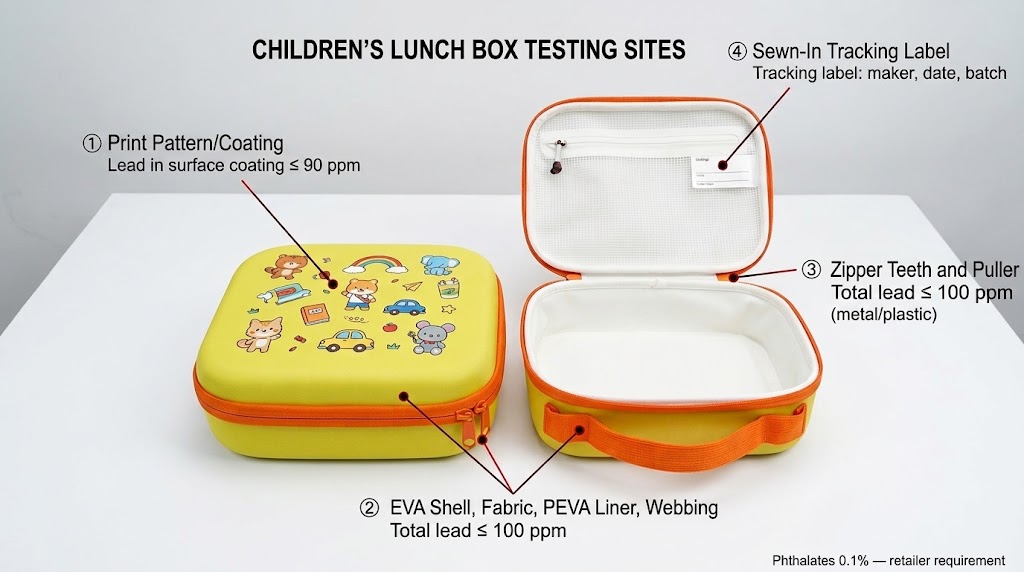
| Lead in paint and surface coatings | 90 ppm | Applies to printed artwork, coated logos and any painted or coated trim. Screen-printed and UV-printed graphics are tested here. |
| Total lead content in substrates | 100 ppm in accessible parts | Applies to every accessible material: shell, face fabric, liner, zipper teeth and pulls, webbing, metal parts. Vinyl and PVC components and metal hardware need particular attention. |
| Phthalates | 0.1% for each of eight restricted phthalates in accessible plasticized parts | Legally applies to children's toys and child care articles. A lunch box is generally neither, but many US retailers require phthalate testing on all children's items, so check your customer's requirements. |
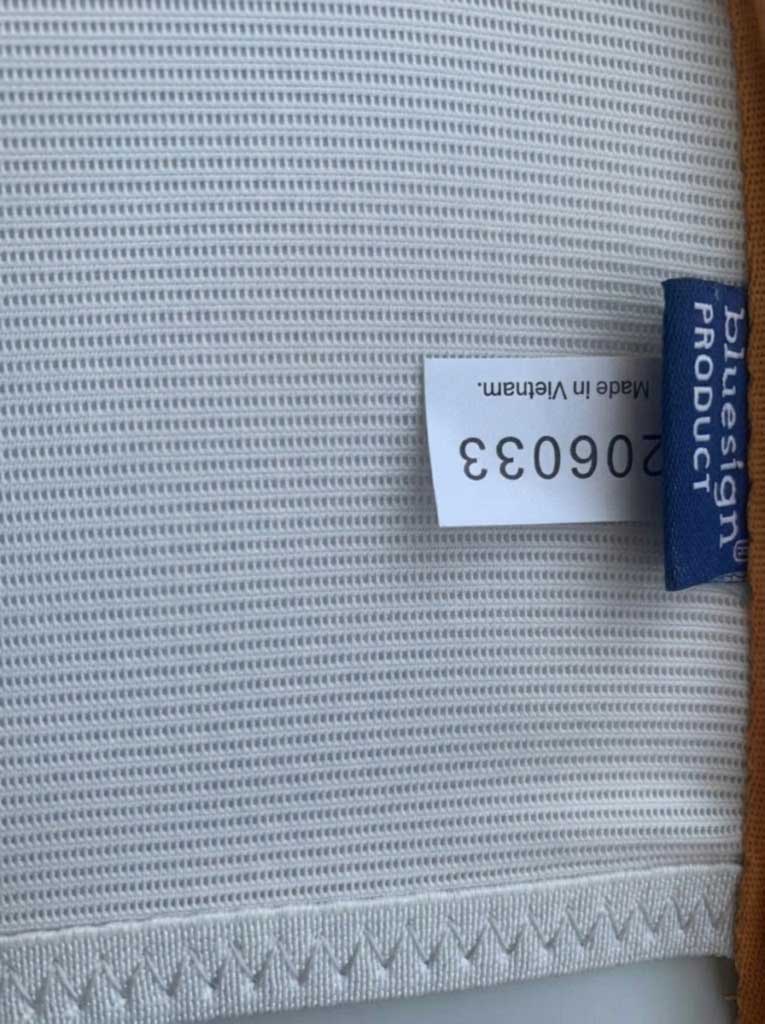
| Tracking labels | Permanent marks on the product and its packaging, where practicable | Manufacturer or private labeller, place and date of production, and batch or run information, so a product can be traced in a recall. |
| Children's Product Certificate | Required, based on tests by a CPSC-accepted laboratory | Issued by the importer for imported goods; eFiled at entry since 8 July 2026. |
The eight phthalates restricted by the CPSC are DEHP, DBP, BBP, DINP, DIBP, DPENP, DHEXP and DCHP. Even where a lunch box falls outside the toy and child care article definitions, specifying phthalate-free materials from the start costs little and removes a question that retail buyers ask on almost every children's programme.
Third-Party Testing: Who, When and How Often
For children's products, the certificate must in most cases be based on tests performed by a third-party laboratory accepted by the CPSC. A manufacturer's in-house lab does not qualify unless it has itself been accepted as a firewalled laboratory. Testing happens at three points in a product's life. Initial certification testing is done on samples representative of production before the product is first certified. Material change testing is required whenever a change could affect compliance, such as a new printing ink, a different zipper supplier or a new colour of coated fabric. Periodic testing then continues while the product is in production, typically at least once a year, with longer intervals permitted under the CPSC's rules when a production testing plan supports them.
The CPSC also allows component part testing. If the face fabric, zipper or print ink has already been tested and certified by its supplier, the finished-product certifier can rely on that certification, provided it exercises due care and the components can be traced to the finished product. For a lunch box built from a handful of materials used across many styles, this can reduce cost considerably: the same certified zipper and liner film can support several products.
The Children's Product Certificate and eFiling
The Children's Product Certificate (CPC) is the importer's written statement that the product complies with every applicable children's product safety rule, based on passing third-party tests. For imported goods, it is issued by the importer, not by the overseas factory, although the factory supplies most of the information on it. The CPC identifies the product closely enough to match it to the finished goods, cites each safety rule the product is certified to, gives the name and contact details of the certifier and of the person who keeps the test records, states the date and place of manufacture and the date and place of testing, and identifies the CPSC-accepted laboratory whose results support it.
Until mid-2026, the CPC only had to accompany the shipment and be provided on request. Under the CPSC's final rule published in January 2025, certificates for regulated imported products must now be filed electronically in US Customs and Border Protection's ACE system at entry, from 8 July 2026, with entries from foreign trade zones following from 8 January 2027. The rule also applies to low-value shipments entering under the de minimis exemption. In practice, the importer or its customs broker now needs the certificate data ready before the goods arrive, not after a request from customs.
What the Manufacturer Should Provide
Compliance belongs to the importer, but a capable manufacturer makes it straightforward. For a children's lunch box programme, we work through it in a fixed order. At the design stage we confirm whether the product will be marketed to children and agree the material list on that basis: printing inks, coatings, zippers, metal parts and liner films with a supplier record for lead content, and phthalate-free plasticized components where the customer requires them. Before bulk production, we send pre-production samples to the CPSC-accepted laboratory the customer nominates, or arrange testing at one such as SGS on the customer's behalf. On the line, tracking information is built into the product as a sewn-in label with the production batch and date, with matching information on the packaging. Every material has a recorded source so that any material change can be identified and retested before it reaches production.
Molded lunch boxes have one advantage here. On our molded cases the logo panel is cut into the lid tool, so a brand can carry its mark as a deboss or emboss with no ink at all. Unprinted branding removes the printed graphic from the scope of surface coating testing entirely, which simplifies testing and makes the result the same from batch to batch.
Beyond CPSIA: Retailer and State Requirements
Federal law sets the floor. Large US retailers frequently add their own requirements for children's products, such as phthalate testing on all items, extra restricted substance lists, or audit and inspection requirements for the factory. Several US states have also passed their own chemical restrictions on children's products, including restrictions on PFAS. California's Proposition 65 warning requirements apply to products sold in California. Before quoting a children's programme, ask your retailer for its full compliance manual and check the states you will sell into. For the factory audit side of retailer onboarding, see our guides to the SMETA audit and the Higg Index.
Lunch Boxes in Our Range
| Image | Model | Specification | Link |
|---|---|---|---|
|
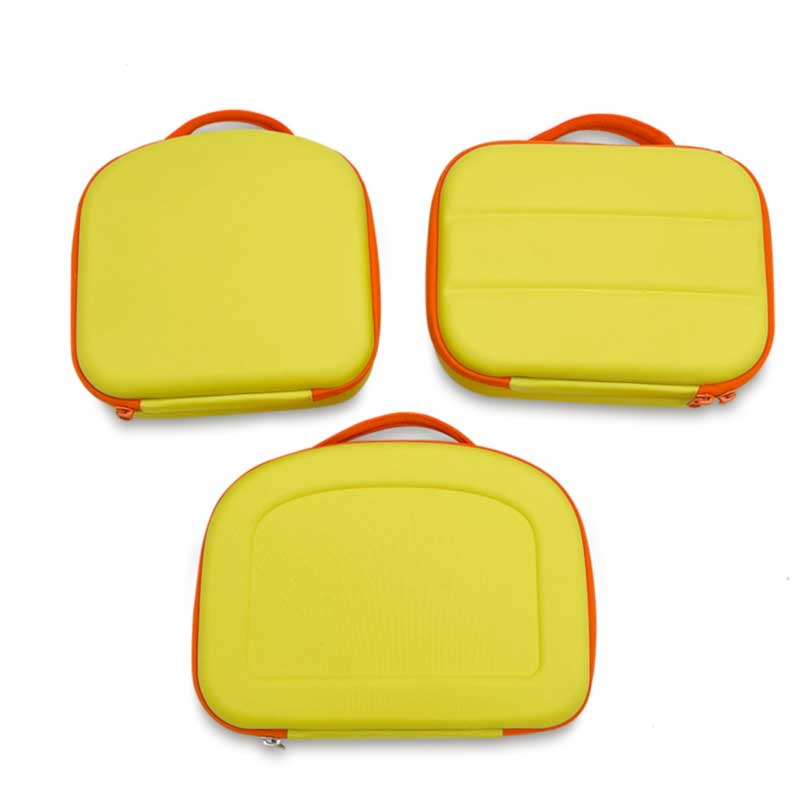
Molded Lunch Box Cooler (SL-P1021 / SL-P1024) | Approx. 4 L and 4.5 L; compression-molded EVA, food-grade PEVA liner, perimeter zipper with twin pulls, recessed logo panel for print, patch, deboss or emboss | View |
|
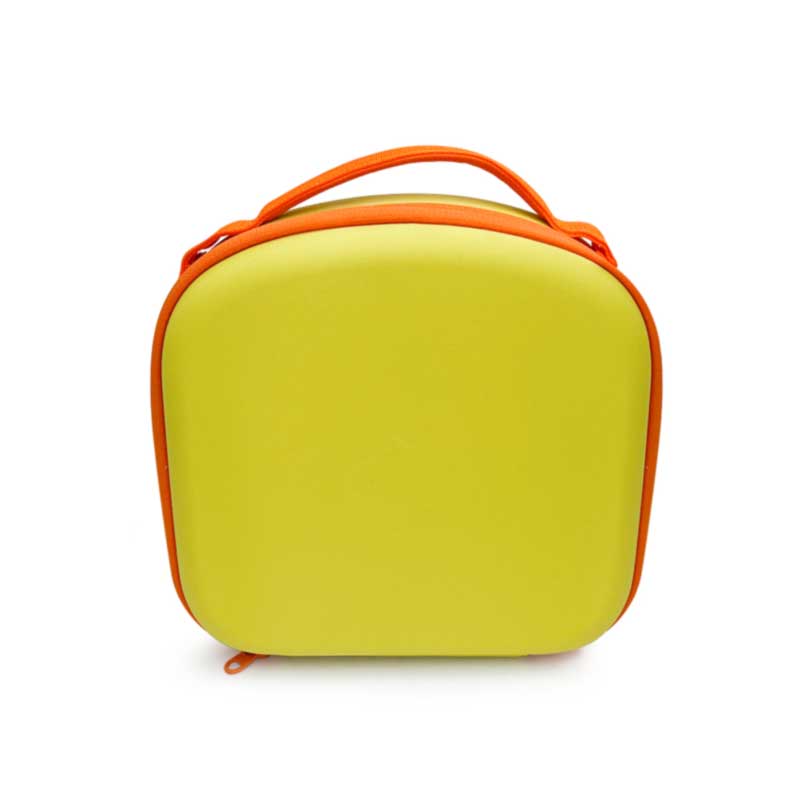
EVA Hard-Shell Insulated Lunch Box (SL-P1023) | 23 × 22 × 9 cm, approx. 4 L; compression-molded EVA, food-grade PEVA liner, opens flat, logo can be cut into the mold | View |
Both are available in custom colours for children's and school programmes. MOQ is 300 pieces per size on existing molds, samples take 7–15 days and production 30–45 days; new mold development for a child-sized or character shape is supported and takes longer. For choosing a lunch box design in the first place, see our guide to the best lunch bag.
FAQ
Q: What is CPSIA testing?
A: Third-party testing of children's products by a CPSC-accepted laboratory to show compliance with US children's product safety rules, such as the limits on lead in surface coatings and substrates and, for toys and child care articles, phthalates. The results support the Children's Product Certificate.
Q: Does a lunch box need CPSIA testing?
A: Only if it is a children's product, meaning it is designed or intended primarily for children aged 12 or under. Character themes, child sizing, "kids" naming and children's-section placement make it one. A general-use lunch box marketed to adults does not need it.
Q: What are the CPSIA lead limits?
A: 90 ppm for lead in paint and surface coatings and 100 ppm total lead in accessible substrate materials of children's products.
Q: Who issues the Children's Product Certificate?
A: For imported products, the importer. The factory provides the product, manufacturing and testing information, but the importer certifies compliance and, since 8 July 2026, eFiles the certificate data with US Customs at entry.
Q: How often must a children's lunch box be retested?
A: After any material change that could affect compliance, and periodically while in production, typically at least once a year unless a production testing plan permits a longer interval under CPSC rules.
Q: Can our factory's lab do the testing?
A: Not for certification, unless the lab has been accepted by the CPSC as a firewalled laboratory. Certification testing must be done by a CPSC-accepted third-party laboratory.
Q: Does CPSIA cover food safety?
A: No. Food-contact suitability of the liner is governed by FDA rules and tested separately from CPSIA.
Planning a children's lunch box programme for the US? Tell us your retailer and target market. We will specify materials for compliance from the start, build in tracking labels, and arrange pre-production samples for testing at the CPSC-accepted laboratory of your choice.
Email: info@sealock.com.hk · Phone: +86-13632981825 · MOQ 300 pcs per size
Requirements described reflect publicly available CPSC guidance and the CPSC's January 2025 final rule on certificates of compliance as of 2026. Rules and retailer requirements change; confirm current requirements for your product with the CPSC or a CPSC-accepted laboratory. This article is general information, not legal advice.