News

Private Label Cooler Backpacks: Launch Your Brand Without a Factory

2026-07-27 0 Leave me a message

Owning a cooler backpack brand does not require owning a welding line. Private label is the route most outdoor and lifestyle brands actually take to market: a manufacturer that has already engineered, tested and certified a product builds it under your name, and you invest in brand, packaging and demand instead of tooling and R&D. It is faster and dramatically cheaper than developing from scratch — but it comes with a specific trade-off around exclusivity that catches new brands out, and a set of labelling obligations that are law rather than preference. This guide covers both, plus what a private label cooler backpack programme with Sealock (YiFuLong Outdoor Gear Co., Ltd.) actually involves.

Private Label vs White Label: The Difference That Decides Your Moat

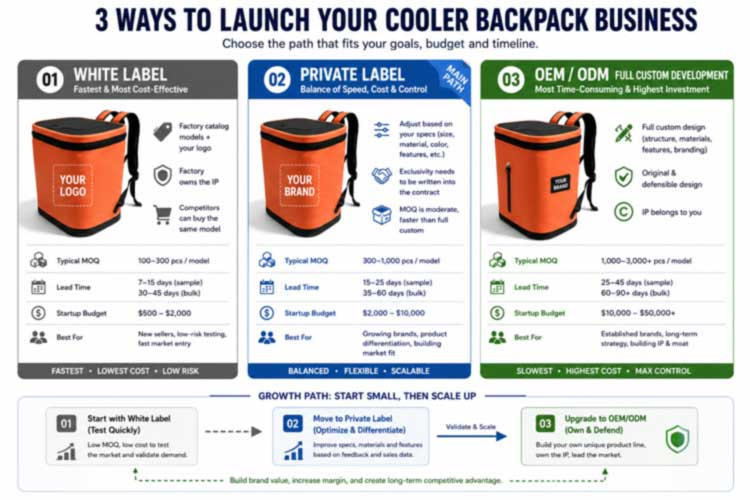
The two terms get used interchangeably and should not be. Private label products are customised to your specifications and sold exclusively under your brand, while white label products are generic items made by a manufacturer and sold by multiple retailers under different brand names. On a cooler backpack, white label means a catalog model with your logo on it; private label means a model adapted to your specification — your colourway, capacity, foam tier, hardware, packaging — and, if contracted, held for you.

The commercial consequence sits in the IP. In white label arrangements the manufacturer retains all IP — design and tooling belong to the factory, which is why it can sell the same product to your competitors. That is not necessarily a problem: white label is a legitimate way to test a category. But it will not carry a premium position — the brand owns nothing proprietary, a competitor can launch the same product through the same factory next month, and the model cannot support premium pricing or a real moat. If your plan is to be the cheapest listing, that is survivable. If your plan is a brand people ask for by name, plan a route out of it.

MOQ follows the same logic. White label MOQs are often 50–500 units because the factory runs one batch for several clients and bears no exclusivity cost, while private label commonly runs 500–5,000+ units to offset tooling, development and the exclusivity commitment — and quoted MOQs are rarely final, so negotiate. Against that benchmark, a soft cooler is comparatively accessible: welded soft bags need no heavy mould tooling, and Sealock's standard MOQ is 300 pieces per design, negotiable on custom — which sits below the typical private-label floor.

White label Private label OEM / ODM ground-up
What you get Catalog model, your logo Model adapted to your spec Original product engineered to your brief
Who owns the design Factory Factory base, your spec layer — contract it You, if contracted
Competitors can buy the same Yes Depends on your agreement No
Typical MOQ Lowest Moderate Higher
Speed Fastest Fast Slowest
Best for Testing demand Launching a real brand lean Defensible, premium positioning
The one clause to settle before you order: exclusivity. Ask directly whether the specification you are commissioning — your colourway, your capacity variant, your hardware combination — will be offered to others, and get the answer in the contract rather than in an email. "Exclusive" is a contract term, not an assumption, and it is far cheaper to negotiate before the first production run than after a competitor lists the same bag.

What It Costs and How Long It Takes

The appeal of private label is capital efficiency, and published ranges bear that out. A private-label launch on an already-engineered product can put a first batch out the door for roughly $3,000–$8,000 at low MOQs, whereas custom development — tooling at $3,000–$15,000+, prototyping rounds, pilot runs and independent certifications — typically pushes total launch budgets to $20,000–$80,000. Broader private-label guidance lands in the same territory: from roughly $1,000–$5,000 for a simple product with low MOQs up to $10,000–$50,000+ for complex products requiring custom formulation and tooling, with MOQ, packaging design and regulatory testing the biggest cost drivers.

Timelines scale with how much you change. Typical lead times run 4–8 weeks for stock specifications, 8–12 weeks for moderate customisation and 12–20+ weeks for fully custom work. For a welded cooler backpack, Sealock's sampling runs 7–15 days and production 30–45 days on an established platform, with ground-up development taking longer at the sampling stage — so a private label launch is realistically a two-to-three month exercise from approval, plus ocean freight. Book against your season, not your enthusiasm.

Sealock

The Labelling Obligations New Brands Miss

This is the part that is not optional and is routinely discovered too late — at customs, or when a marketplace rejects a shipment.

Country-of-origin marking is law, not a courtesy

US rules require imported goods to carry their origin in English, and the standard is specific: an imported article of foreign origin, or its container, must be marked legibly with the English name of the country of origin, and the marking must be conspicuous, legible, indelible and permanent enough to reach the ultimate purchaser. For China-made goods that means a clear "Made in China". Two practical traps: wording such as "Made in PRC" is best avoided because it can confuse and may be refused, and transshipping finished goods through an intermediate country does not change the origin marking — a point worth remembering if you are also weighing Vietnam production. Packaging copy carries obligations too: US practice under the Fair Packaging and Labeling Act expects the origin statement plus a responsible party's name and address on the package, so budget for compliant artwork rather than a logo alone.

Barcodes: get the right one, in the right place

If you are selling through marketplaces, the barcode system is its own small discipline. For a brand-owned listing you generally want a GS1-issued GTIN/UPC obtained through GS1 rather than a resold code. For Amazon FBA specifically, the operational advice is consistent: every imported unit needs the country of origin on it, every unit needs a barcode, and for private label the FNSKU is preferred over the UPC because it prevents your units being co-mingled with another seller's stock. Practical packaging tips from the same field: the origin statement and FNSKU can be printed directly into a custom package design instead of applied as stickers, or combined onto a single sticker to cut cost and keep the packaging clean. And if you inspect before shipping, hold a hard standard — inspection practice expects a 100% barcode scan success rate and a 100% match against the approved shipment data.

Get these into the artwork before the print run: country of origin in English, in a permanent form on the unit or its immediate packaging; responsible party name and address; the correct barcode (GS1 UPC for retail, FNSKU for FBA private label), scannable and singular — avoid two visible barcodes on one package; plus care and material information as your market requires. Reprinting packaging after a rejected shipment costs more than getting the artwork right once.

What You Can Brand on a Welded Cooler Backpack

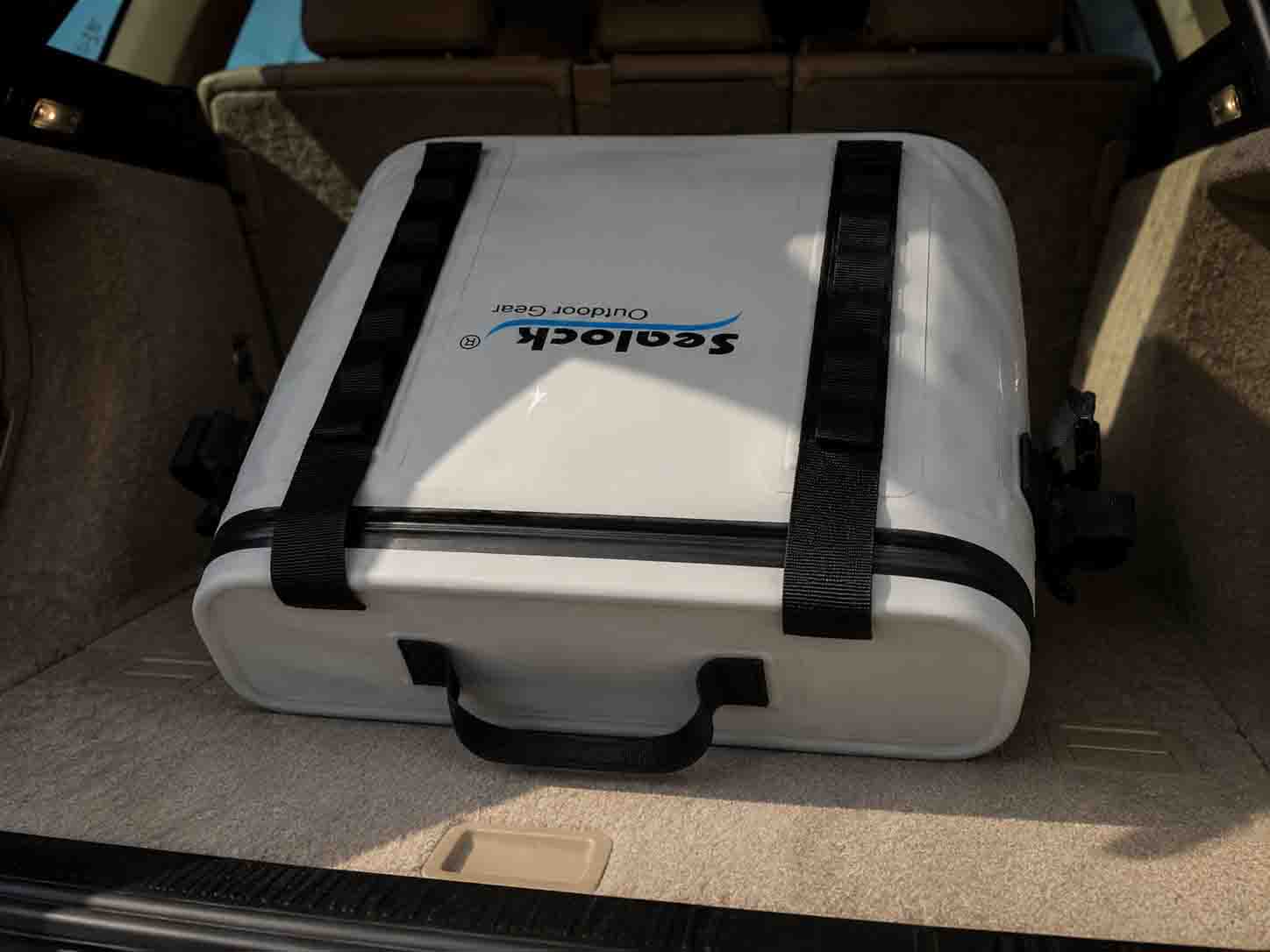
Private label branding on a welded waterproof cooler has one hard constraint worth knowing before you design: a needle is the enemy. Embroidery on the waterproof body punctures the barrier, so reputable welded-bag factories decline it there. The methods that work are welded TPU or silicone patches, screen print, deboss, UV digital print, and a woven label attached to a welded-on exterior tab. Beyond the logo, a full private label presentation includes a colour-matched shell to your Pantone reference, custom zipper pulls and webbing, hangtags, care and origin labels, and branded retail packaging. The detail is covered in Custom Soft Cooler Backpacks: Materials, Sizes & Branding Options.

The specification layer is where private label stops being a sticker exercise. Even without ground-up development, a brand can move meaningfully: choose the foam tier and wall thickness that sets the advertised cold-hold, pick the seal level, pick the capacity from a size ladder, and select the closure style. Those choices differentiate the product in ways a logo cannot — see Custom Insulated Cooler Backpacks: Spec Your Foam, Liner & Capacity.

Platforms Ready to Carry Your Brand

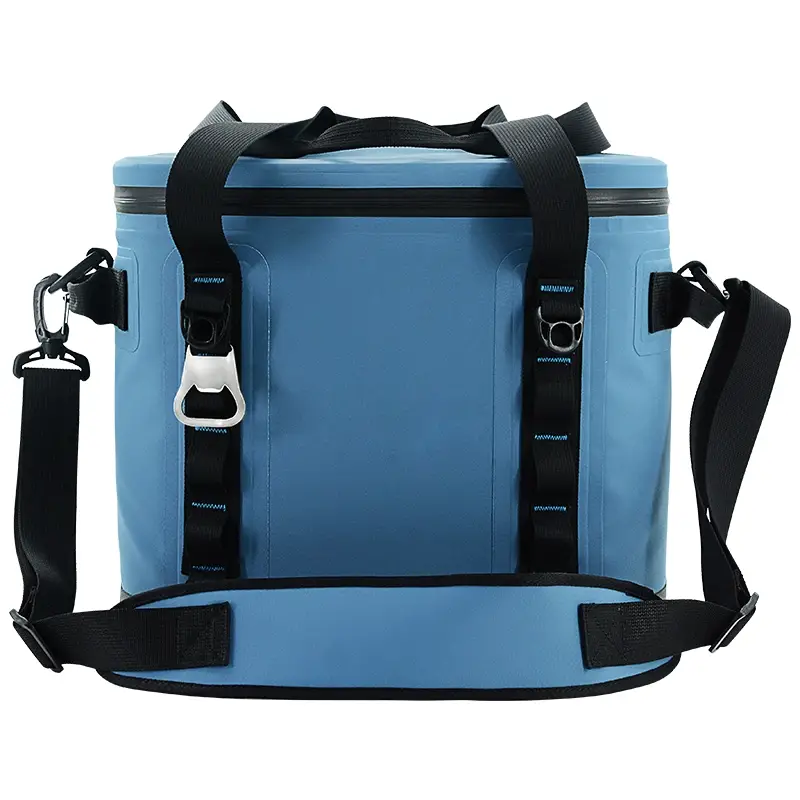
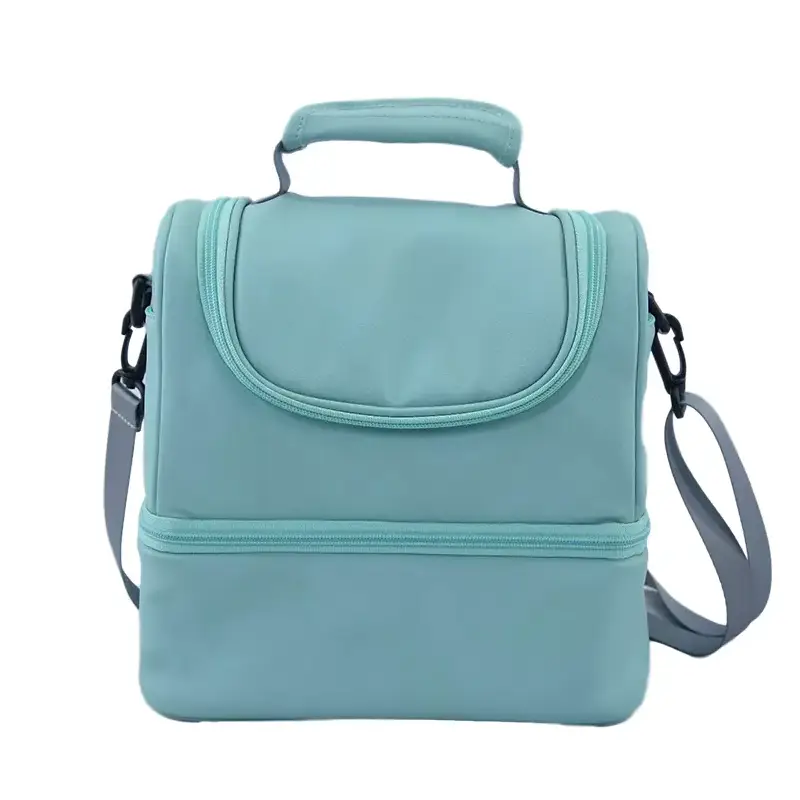
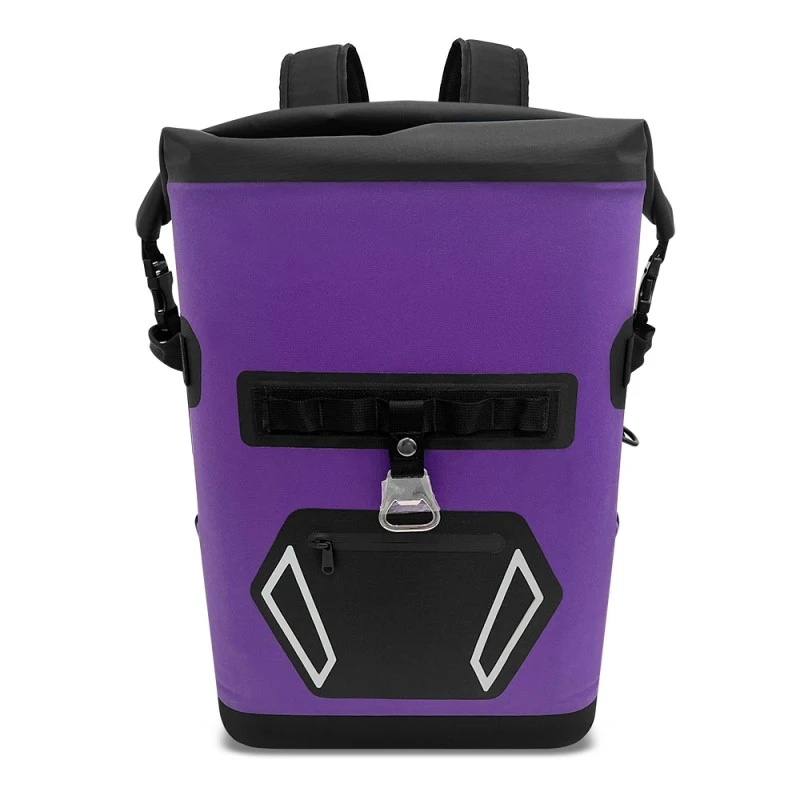
A private label launch starts from a proven, already-validated build. These Sealock coolers are real platforms a brand can take to market, chosen by fit rather than rank:

Image Model Why it works as a launch platform Link
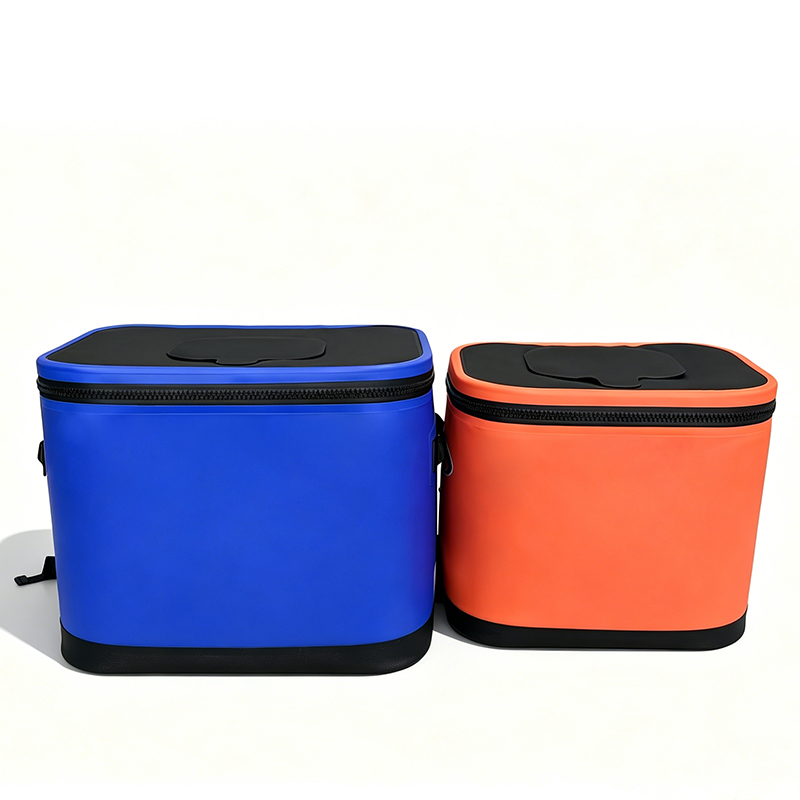
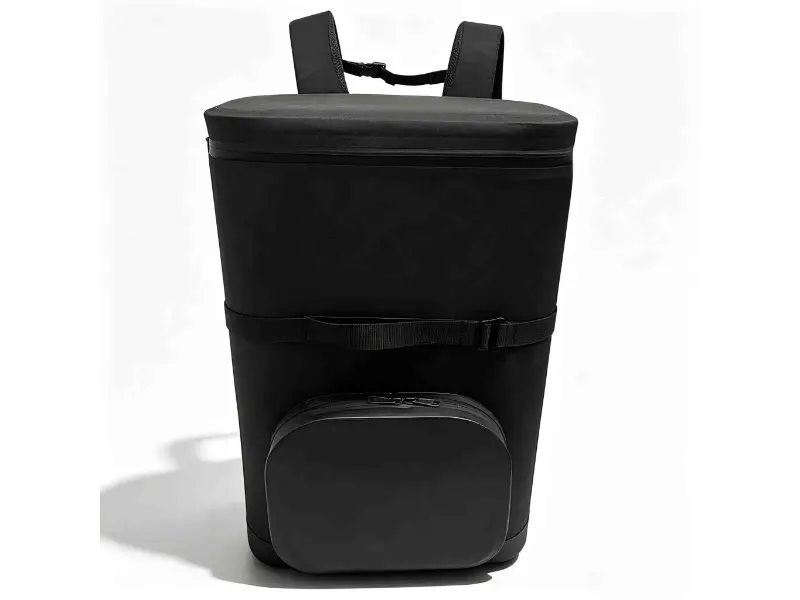
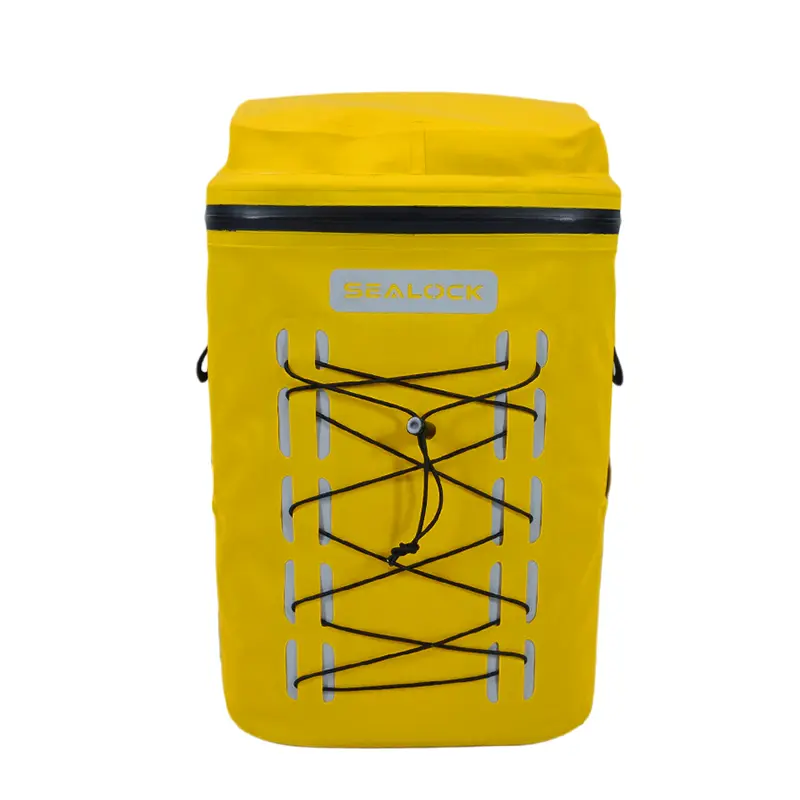
Insulated soft cooler backpack SL-E050B Insulated Cooler Backpack, molded lid (SL-E050B) Two sizes from one design; molded lid gives a distinctive look at day-pack pricing View
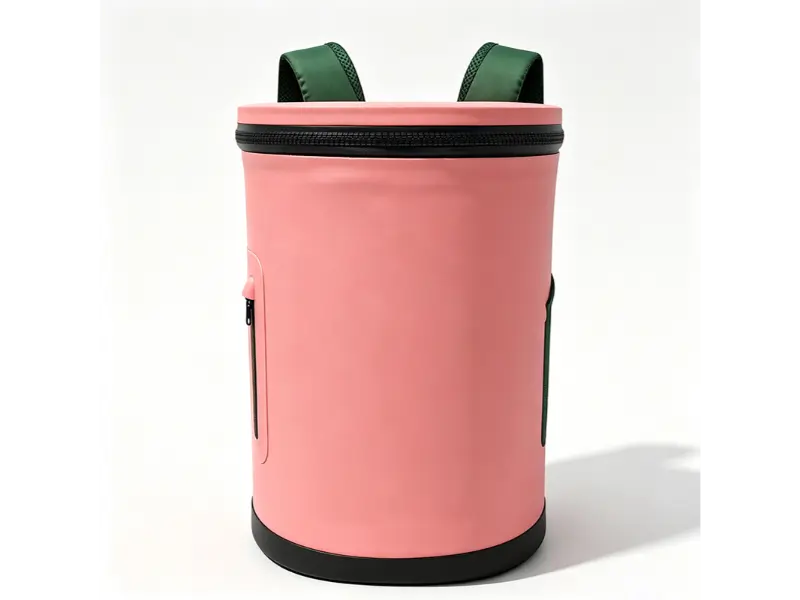
Barrel insulated cooler backpack SL-I309 Barrel Insulated Cooler Backpack (SL-I309) Barrel silhouette stands out in listings; full sternum and waist harness View
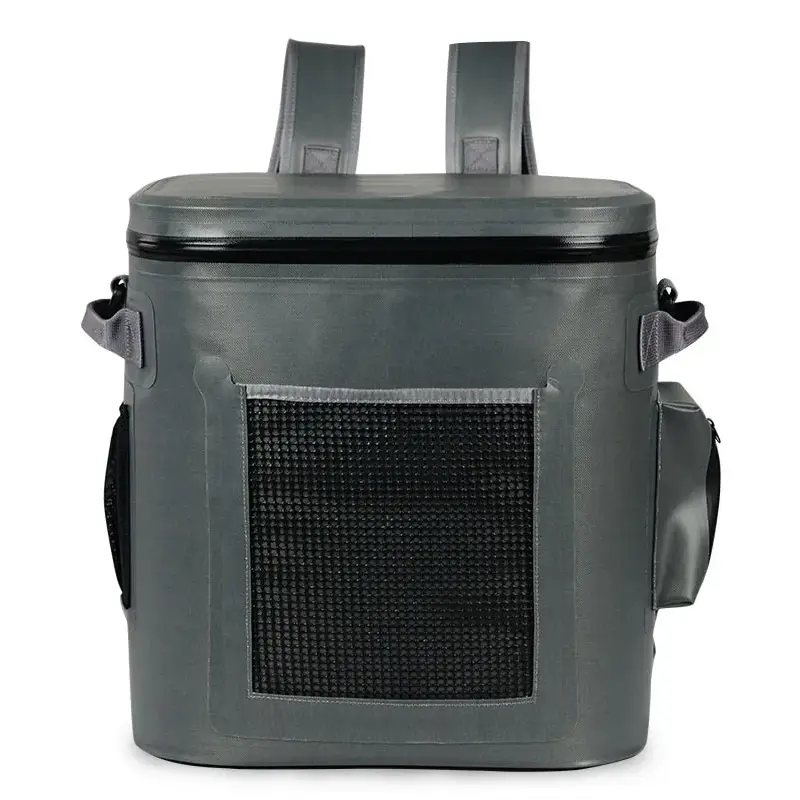
22L IPX7 cooler backpack SL-I280 22L IPX7 Cooler Backpack (SL-I280) Premium flagship: IPX7 and 48+ hour claims to anchor a range View
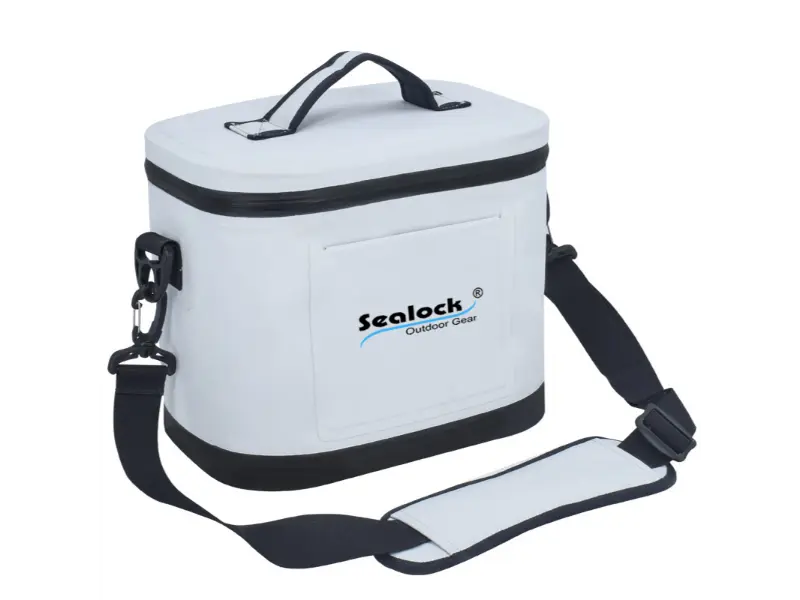
12-20L TPU waterproof soft cooler SL-I032 Waterproof Soft Cooler 12/15/20L (SL-I032) A three-size ladder from one design — a range from a single development View
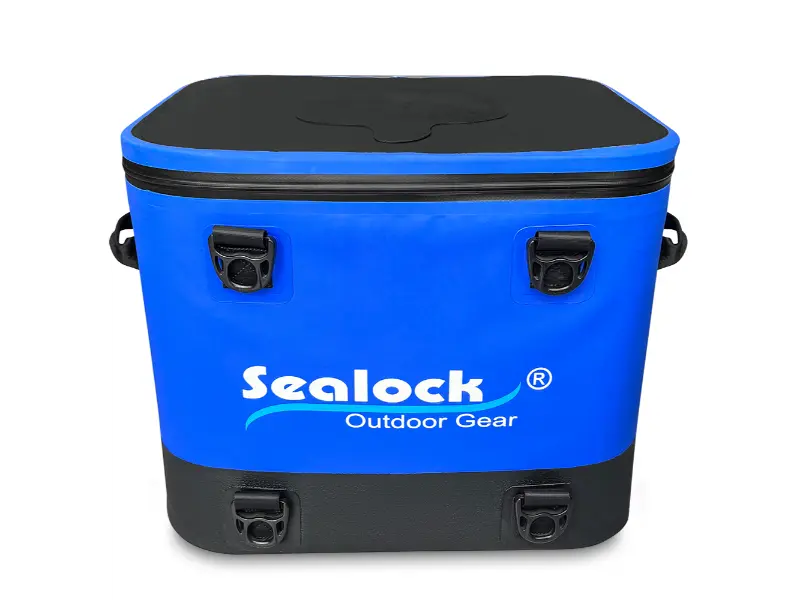
24L leakproof soft cooler SL-I094 24L Leakproof Soft Cooler (SL-I094) Insulation upgradeable to VIP panel or aerogel for a premium tier later View

Note that MOQ normally applies per design, size and colourway, so a three-size launch is three runs. Many new brands start with one size and one colour, prove the demand, then widen.

Working With Sealock on Private Label

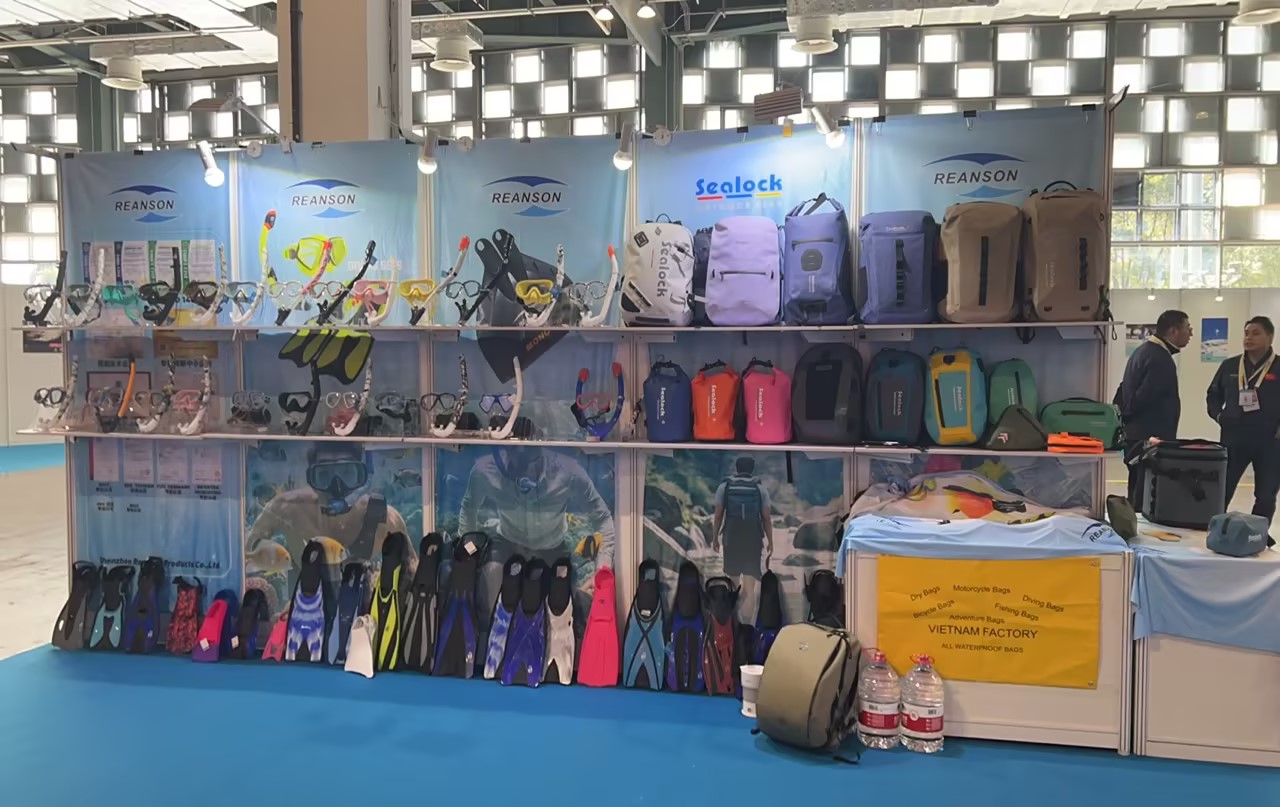
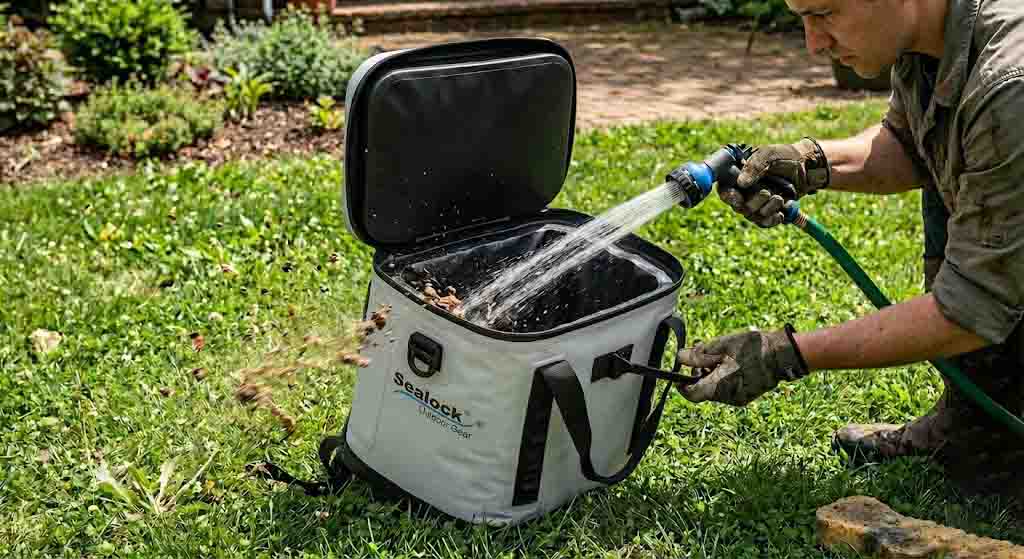
Sealock is the cooler brand of YiFuLong Outdoor Gear Co., Ltd., welding insulated soft bags since 2003 across factories in Dongguan, China and Ho Chi Minh City, Vietnam. For a brand launching without a factory, the relevant point is that the products are already engineered and validated — welded at 27.12 MHz, immersion-tested, cold-hold tested and built with food-grade liners — so a private label programme is a branding and specification exercise rather than an engineering project.

MOQ 300 pcs per design (per size and colourway), negotiable on custom
Sampling / production 7–15 days / 30–45 days; FOB Guangdong
Branding Welded TPU or silicone patch, screen print, deboss, UV print, woven label on welded tab; custom pulls, webbing, Pantone-matched shell
Packaging Hangtags, care and origin labels, polybag or retail box artwork — origin marking and barcode incorporated
Spec choices Foam tier and wall thickness, IPX seal level, capacity, closure, liner
Validation Immersion and cold-hold testing so your listing claims are backed; SGS / QIMA inspection available
Compliance ISO9001, BSCI, SMETA P4, GRS, HIGG, SCAN; food-contact liner testing to your market
Origin China or Vietnam on the same specification

And when a private label line proves out, the same factory takes it further: beyond colour and logo, Sealock develops ground-up from a sketch, sample or performance target — complex forms, premium insulation up to VIP vacuum panels and aerogel, IPX6–IPX8 welded seal levels, bespoke hardware and strict compliance goals are all in scope. A genuinely demanding brief is what an in-house welding and development team is for. That is the natural graduation path: OEM customisation once you know what sells, or design-led ODM development if you have a concept but no design team.

A Launch Checklist

  1. Pick the model honestly — white label to test demand, private label to launch a brand, ground-up when you need defensibility.
  2. Vet the supplier before wiring anything — registry check, factory-versus-trader test, welding line on video. See the buyer's checklist.
  3. Settle exclusivity in the contract, not in conversation.
  4. Choose your spec layer — foam tier, capacity, seal level, closure — so the product differs by more than a logo.
  5. Design compliant packaging — origin marking, responsible party, correct barcode — before the print run.
  6. Approve a physical golden sample, never a photo, and validate the performance claims you intend to advertise.
  7. Structure payment and inspect — deposit and balance tied to a passed pre-shipment inspection. See the sourcing guide.
  8. Build the calendar backward from your on-shelf date, including ocean freight and customs.

FAQ: Private Label Cooler Backpacks

Q: What is the difference between private label and white label cooler backpacks?

A: White label means a generic catalog product rebranded by several sellers at once — the factory keeps the IP and can supply your competitors. Private label means a product customised to your specification and sold under your brand, with more control and differentiation. White label is the cheaper, faster test; private label is how most brands actually launch.

Q: Can I launch a cooler backpack brand without owning a factory?

A: Yes — that is exactly what private label is for. You select an already-engineered, tested platform, apply your branding and specification choices, and invest in brand and demand instead of tooling and R&D. A launch on an existing product can start in the low thousands of dollars, against roughly $20,000–$80,000 for full custom development.

Q: What MOQ should I expect for private label cooler backpacks?

A: Industry-wide, white label often runs 50–500 units and private label commonly 500–5,000+, since the factory is absorbing development and exclusivity. Soft coolers are more accessible because they need no heavy mould tooling — Sealock's standard MOQ is 300 pieces per design, negotiable on custom, applied per size and colourway.

Q: Will the factory sell the same bag to my competitors?

A: In a pure white label arrangement, yes — the factory owns the design and can. Under private label it depends entirely on what you agreed, which is why exclusivity should be a written contract term rather than an assumption. If owning something competitors cannot order is central to your positioning, plan a move to ground-up OEM or ODM development.

Q: What has to appear on my packaging legally?

A: For US imports, the country of origin in English — "Made in China" rather than "Made in PRC" — marked conspicuously, legibly and permanently enough to reach the end buyer, plus the responsible party's name and address on the package. Add the correct barcode: a GS1 UPC for retail, or the FNSKU for Amazon FBA private label, which avoids your stock being co-mingled with other sellers'. Build all of it into the artwork before printing.

Q: How long does a private label launch take?

A: Industry norms are roughly 4–8 weeks for stock specifications, 8–12 weeks for moderate customisation and 12–20+ weeks for fully custom work. With Sealock, sampling is 7–15 days and production 30–45 days on an established platform — then add ocean freight and customs clearance, which is what most first-time brands forget.

Launching a cooler brand? Sealock (YiFuLong Outdoor Gear Co., Ltd.) runs private label programmes on welded, immersion-tested cooler backpacks from its own lines in China and Vietnam — 300 pcs MOQ, full branding and packaging support, and validated performance data to back your listing claims. Send your target market, capacity and price point, and the team will recommend a platform and quote it.

Email: info@sealock.com.hk  |  Phone: +86-13632981825  |  Browse the soft cooler range

Cost ranges, MOQ norms, labelling and marketplace requirements cited here reflect publicly available industry and regulatory sources as of mid-2026 and vary by product, market and platform; marketplace rules in particular change frequently. Nothing here is legal or customs advice — confirm current origin-marking, packaging and barcode requirements for your destination market and sales channel before printing packaging or shipping.

Related News
Leave me a message
X
We use cookies to offer you a better browsing experience, analyze site traffic and personalize content. By using this site, you agree to our use of cookies.Privacy Policy
RejectAccept