News

Vietnam Soft Cooler Factory: Sealock's Ho Chi Minh City Production Line

2026-07-30 0 Leave me a message

When a cooler-bag buyer asks whether a supplier "has Vietnam production," the honest follow-up is: a real factory, or a finishing room? The distinction decides everything downstream — whether the goods genuinely originate in Vietnam, whether quality holds to the same standard as the China line, and whether the supply chain is actually diversified or just relabelled. Sealock (YiFuLong Outdoor Gear Co., Ltd.) runs genuine welding production in Ho Chi Minh City alongside its Dongguan base, with a second Vietnam line added in 2024. This article explains what that production line does, why Ho Chi Minh City is where it sits, and what dual-country manufacturing means for a buyer in practical terms.

Why Vietnam, and Why Now

Vietnam's rise as a manufacturing base is not a rumour or a tariff dodge — it is a structural shift the whole industry has made. The country has become a central node in global supply chains, driven, as one industry tracker puts it, by a labor-intensive manufacturing sector with relatively low labor costs, well-developed export infrastructure and a strategic location on major trade routes, reinforced by government measures including tax incentives and specialized industrial zones. The labour-cost gap that started the move is real and large: one comparison cites China's average hourly labour cost at about US$6.50 against roughly US$3 in Vietnam, and Vietnam pairs that with a sizable, well-educated and highly trainable workforce.

The strategic logic that matters most to a sourcing manager, though, is not cost — it is resilience. This is the "China Plus One" model, and its point is explicit: maintaining operations in China while developing capacity in at least one other country, which matters more than ever because single-source supply chains are genuinely vulnerable and diversified businesses are demonstrably more resilient and more competitive on landed cost. Vietnam is the usual first choice for it, because its proximity to Chinese supply chains means components can cross the border with minimal disruption while finished goods ship to Western markets without the tariff burden of Chinese origin.

Sealock's structure is exactly this model in practice: an established Dongguan base for depth of capability and material supply, and a Ho Chi Minh City line for diversification and origin flexibility. For a buyer, that is two sources of the same welded cooler under one quality system — a hedge against the disruptions that single-country sourcing cannot absorb.

A note on capacity timing: the window to secure Vietnam capacity is not open-ended. Industrial-zone occupancy in major Vietnamese provinces reached 85–95% in 2025, and capacity is tightening fast. An established line with room to run is worth more than a promise to build one — which is part of why Sealock expanded its Vietnam capacity with a second line in 2024 rather than later.

Why Ho Chi Minh City Specifically

Within Vietnam, the south around Ho Chi Minh City is the country's densest manufacturing and logistics cluster. Regional planning now treats it as an integrated corridor rather than separate districts — the Ho Chi Minh City–Binh Duong–Ba Ria-Vung Tau corridor is designed to function as a unified production and logistics zone — and the manufacturing density has reached the point where the Hanoi–Ho Chi Minh City corridor now rivals Guangdong in density for certain product categories. The area's established export-processing and industrial zones give a soft-goods factory the supplier ecosystem, trained labour and bonded-logistics access that welding cooler bags at scale requires.

The other reason is the port. Ho Chi Minh City is Vietnam's primary export gateway, and understanding its two-terminal reality is genuinely useful for a buyer planning shipments.

Cat Lai vs Cai Mep — a real routing decision

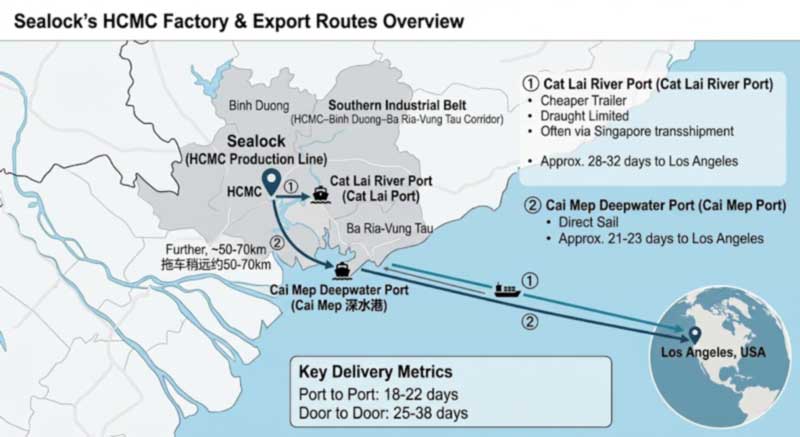
The two southern gateways serve different purposes, and the cheaper-looking one is not always cheaper. Cat Lai, on the Dong Nai River east of the city, is the largest and most modern container terminal in Vietnam and the closest to the HCMC industrial zones — but it is a river port with draft limitations. Cai Mep–Thi Vai, further out, is the deep-water alternative, and the trade-off between them is concrete: Cat Lai is closest to the industrial zones so trucking is cheaper, but shipping from Cat Lai to Los Angeles usually routes through a Singapore transshipment at around 28–32 days, while Cai Mep offers direct service at roughly 21–23 days. As the same source warns, saving trucking cost at Cat Lai can cost up to a week of inventory holding — for time-sensitive goods, reliability outweighs proximity. Broadly, FCL port-to-port from Cai Mep or Cat Lai to Los Angeles runs 18–22 days, with door-to-door 25–38 days depending on inland logistics.

map of Sealock Ho Chi Minh City cooler production line and its two export routes via Cat Lai and Cai Mep ports to the US

What the Ho Chi Minh City Line Actually Does

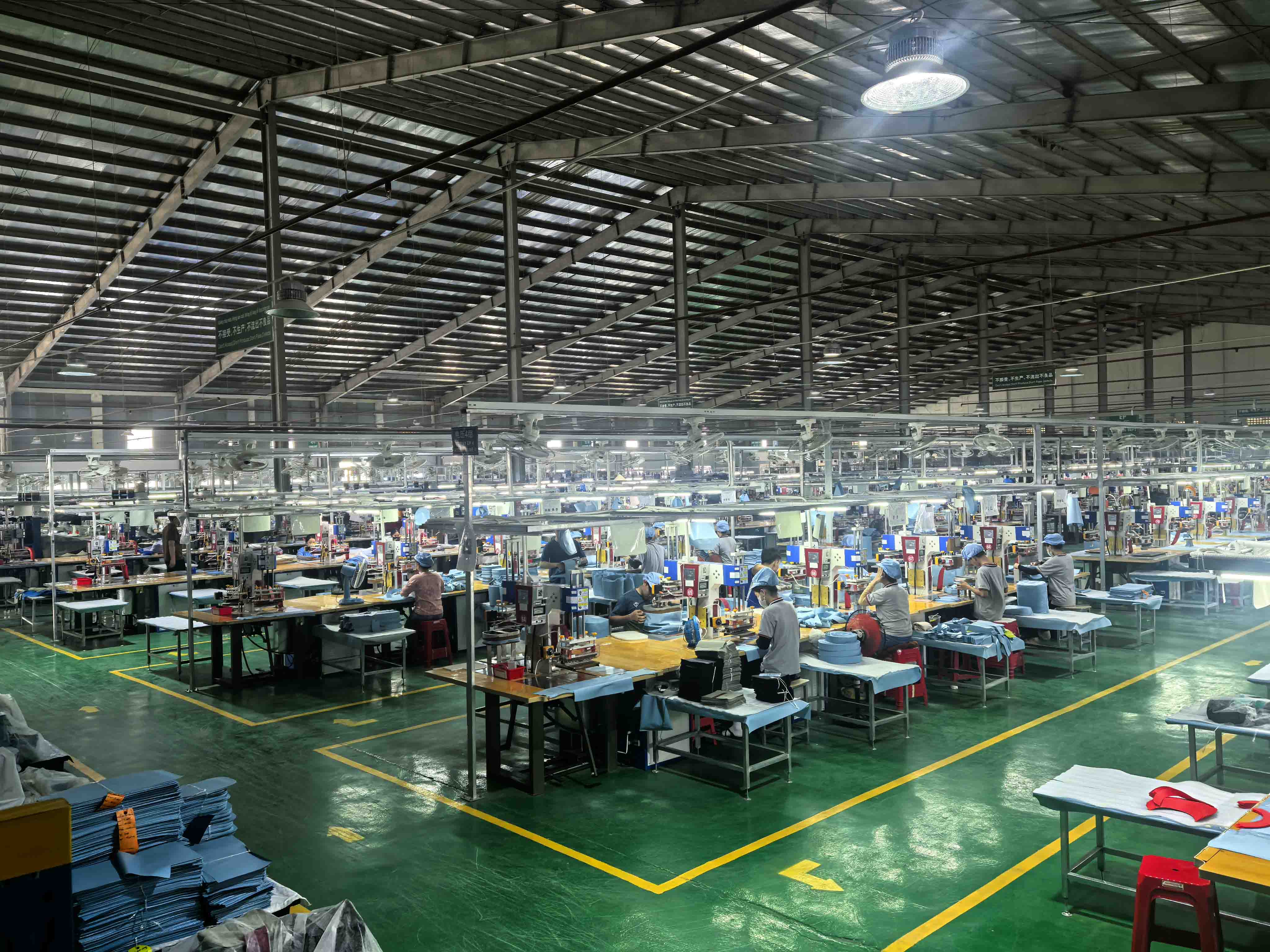
The distinction that matters most is between a factory and a finishing depot. A genuine cooler factory performs the transformative manufacturing steps in-country; a depot receives finished goods and swaps a label. Sealock's HCMC line is the former — it welds. The steps performed on site are the ones that turn flat material into a cooler:

  • Cutting TPU-laminated roll goods to the engineered pattern.
  • High-frequency welding of the body, base and closure into a seam-free, leakproof vessel at 27.12 MHz — the defining step of a welded cooler.
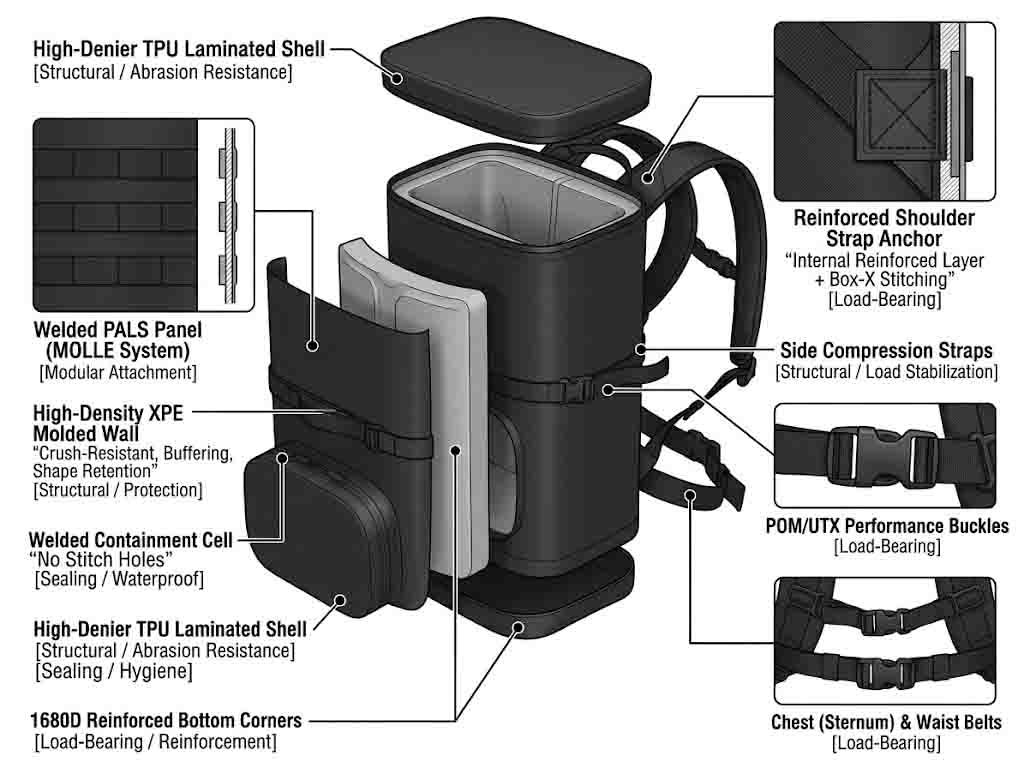
  • Insulation lamination — building the closed-cell EPE or XPE wall and the food-grade liner into the structure.
  • Assembly of the carry system, zippers and hardware into a finished product.
  • In-line and final QC — weld inspection, water-immersion batch testing, AQL sampling and gold-sample sign-off, on site.

Because these steps happen in Vietnam, a cooler built on the HCMC line is genuinely manufactured in Vietnam — which is the foundation of a defensible country-of-origin position, not just a marketing line. The origin rules that make this matter for duty purposes are covered in Vietnam Cooler Bag Manufacturer: Duty-Friendly Sourcing for Importers; the welding engineering itself in Waterproof Cooler Backpack Manufacturer: HF-Welded, Seam-Free Builds.

One standard across two countries: the operational point of a dual-country maker is that the Vietnam and China lines build to the same specification, the same welding standard and the same QC gates. A buyer can move a proven design between origins without re-engineering the product or accepting a different quality bar — the spec, the gold sample and the test protocol travel with the order.

What Dual-Country Production Means for a Buyer

The Ho Chi Minh City line is not just an alternative address; it changes what a buyer can do. In practical terms:

Capability What it gives the buyer
Origin choice on one spec Select China or Vietnam origin for the same welded cooler, to suit tariff exposure and lead time
Supply-chain resilience A second source that absorbs disruption — port congestion, seasonal shutdowns, policy shifts — that single-country sourcing cannot
One quality system Same welding standard, same immersion testing, same gold-sample sign-off across both lines
Documentation support Bill of materials and production records to support a country-of-origin position
Continuity of relationship One supplier, one point of contact, whichever origin a program runs in

There is an honest counterpoint worth stating, because a straight supplier says so: the deepest raw-material and component supply base for TPU-coated welded bags still sits in Guangdong, and the most complex or material-intensive builds can be better suited to the China line, while Vietnam excels at tariff-sensitive and labour-intensive production. The right origin depends on the product and the buyer's priorities — which is exactly why having both, under one roof, is the useful position.

The Cooler Backpacks Built to This Standard

The same welded specifications can be produced at either origin. These are real Sealock builds, chosen by fit:

Image Model Build Link
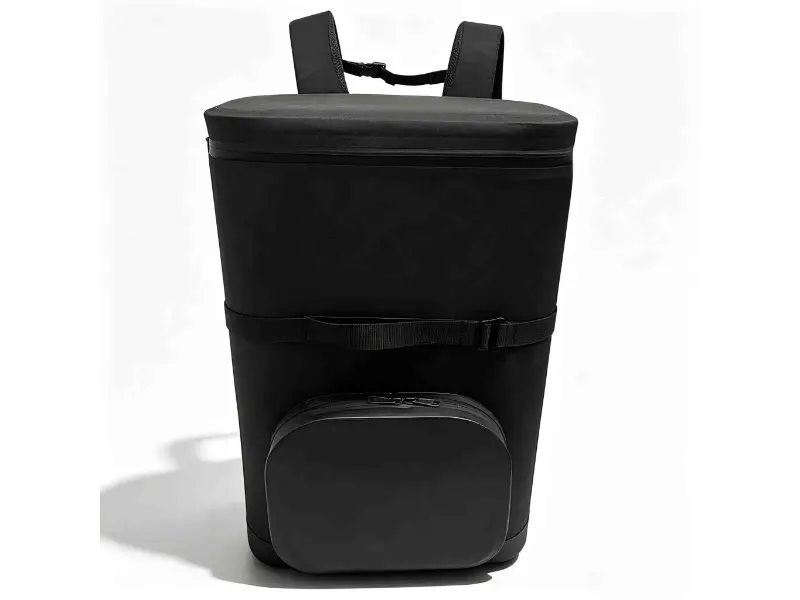
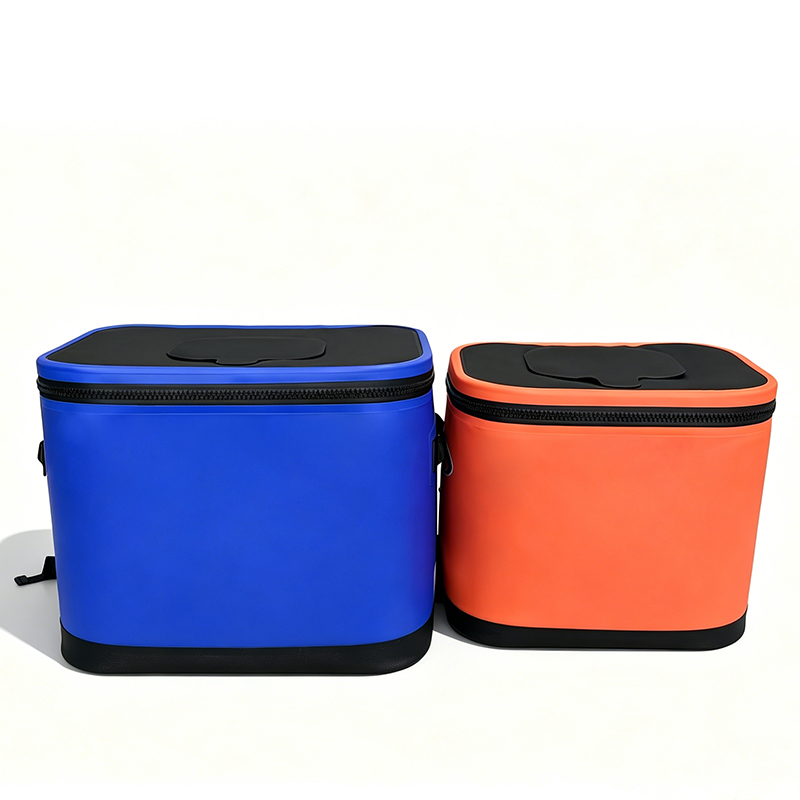
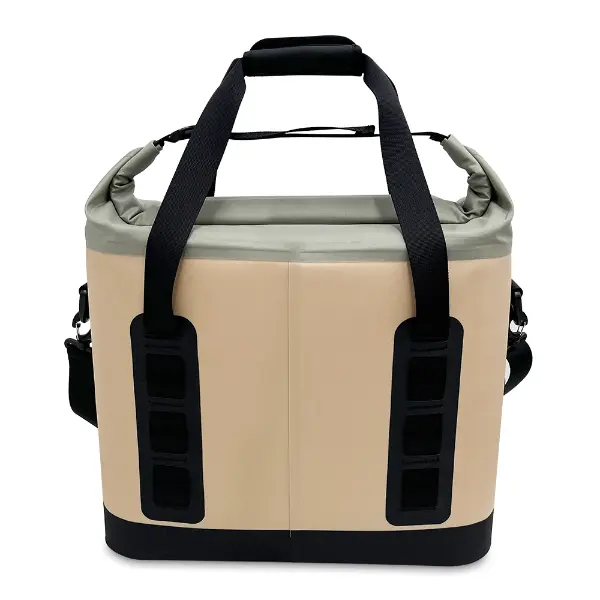
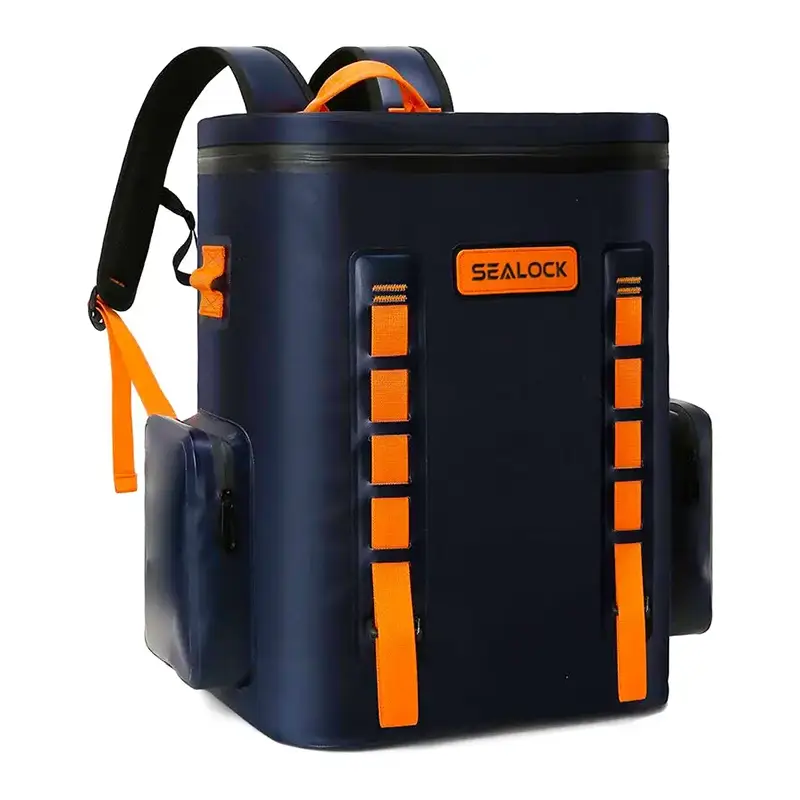
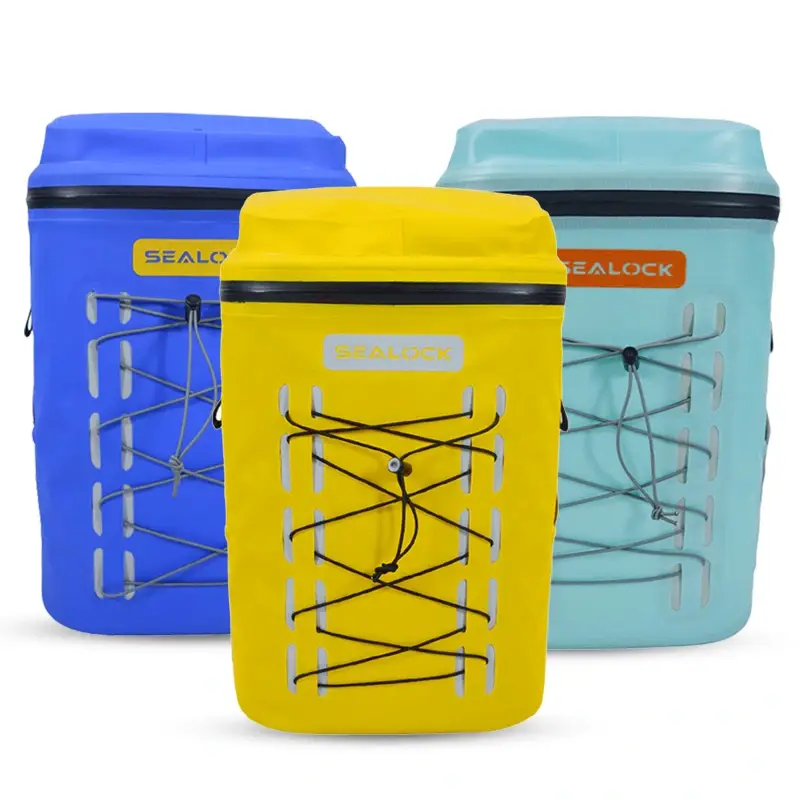
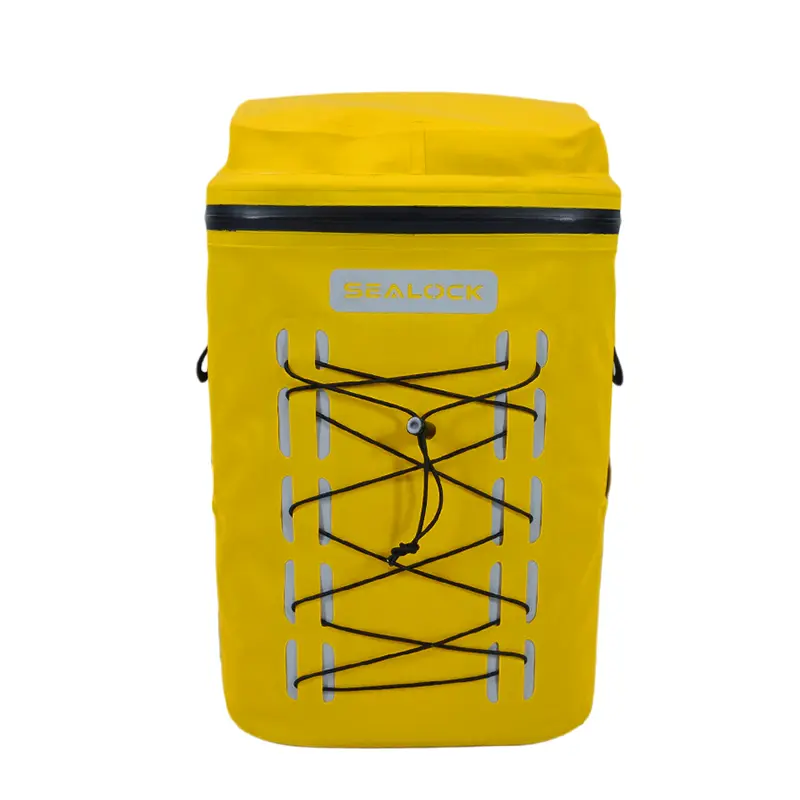
22L IPX7 cooler backpack SL-I280 22L IPX7 Cooler Backpack (SL-I280) HF welded, 50 mm XPE, IPX7, 48 hr+ View
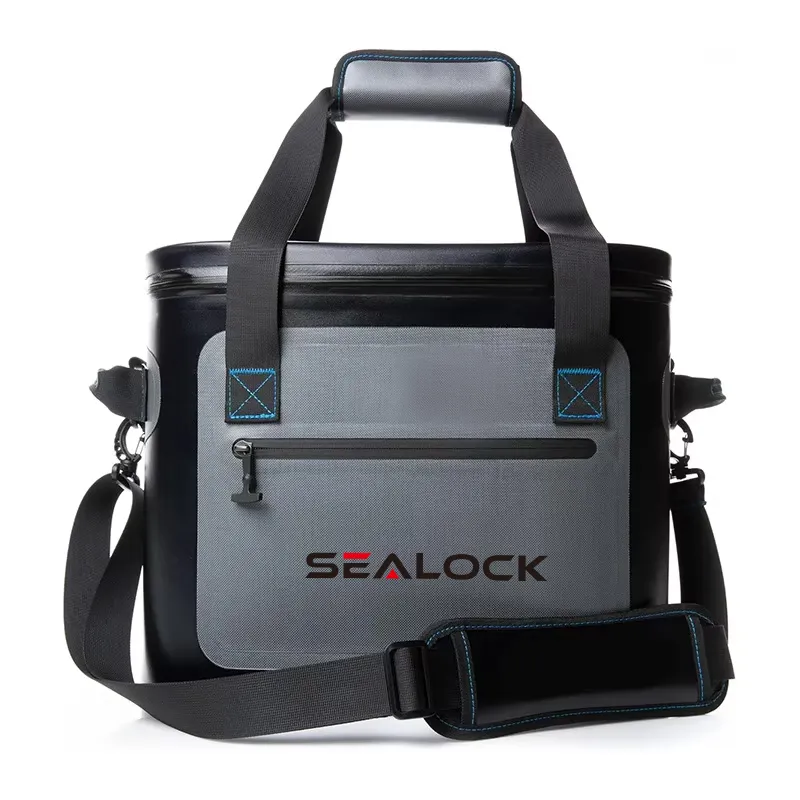
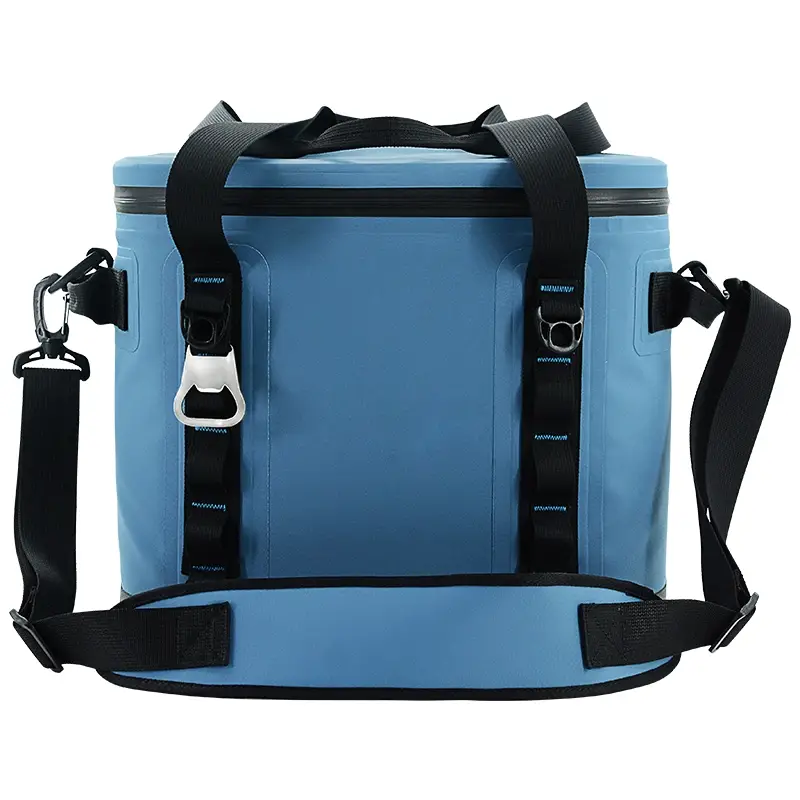
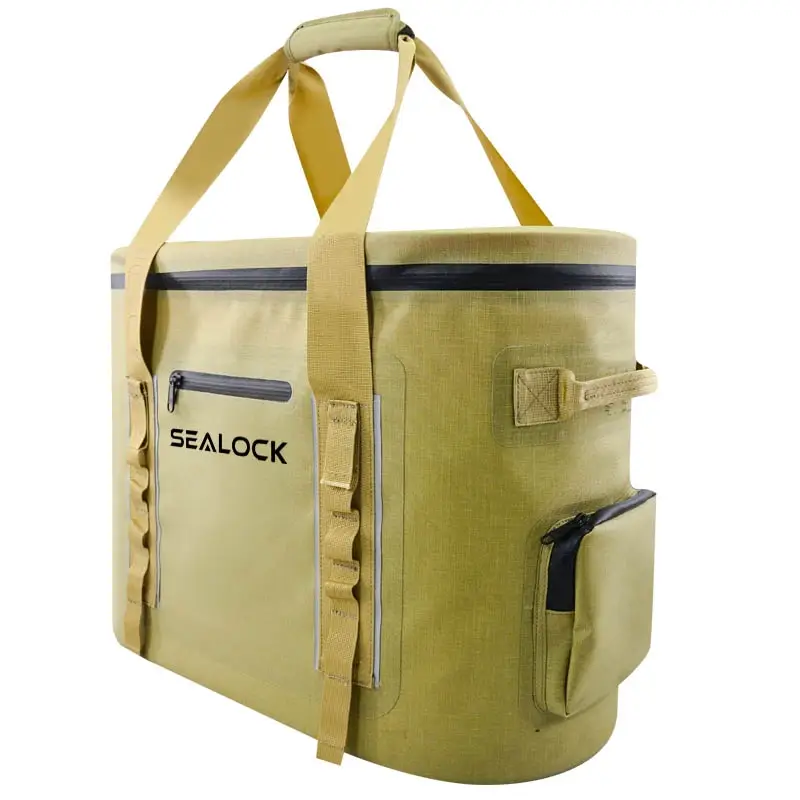
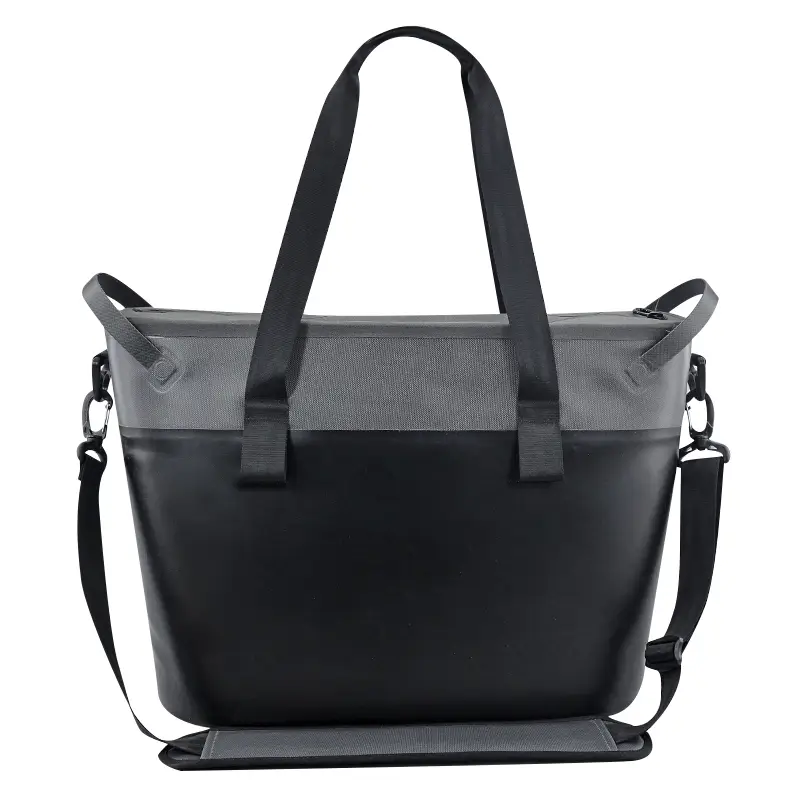
24L soft cooler tote SL-I230 24L Soft Cooler Tote (SL-I230) HF welded, 840D TPU, 20 mm XPE, IPX7 View
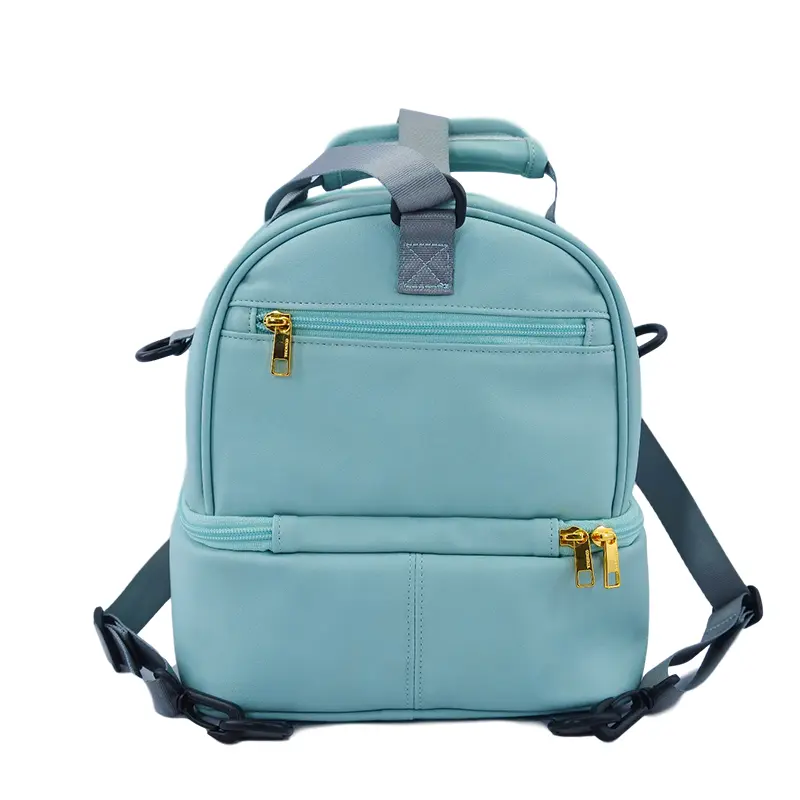
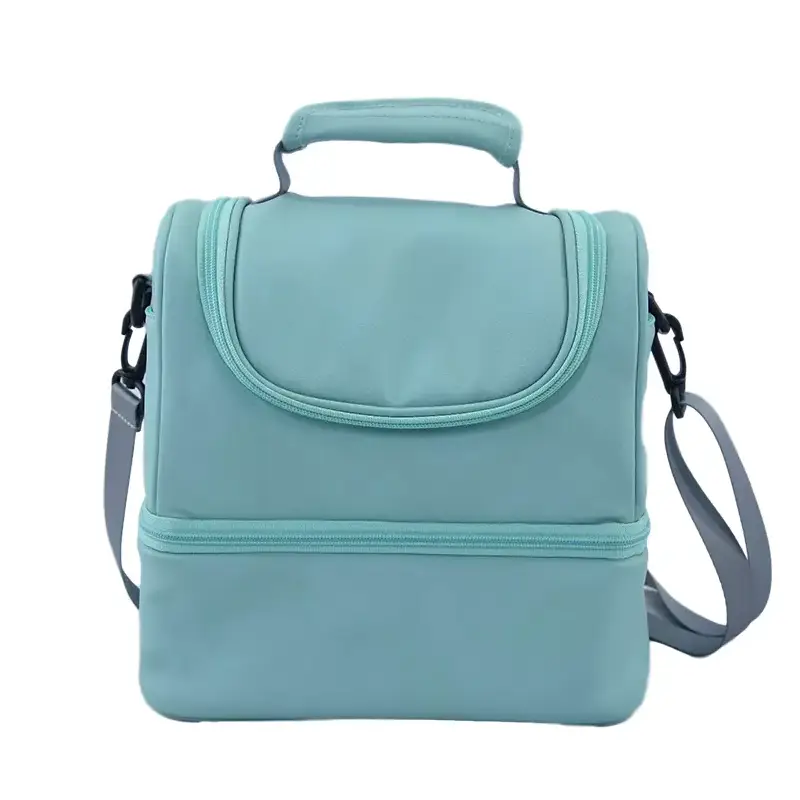
Insulated soft cooler backpack SL-E050B Insulated Cooler Backpack, molded lid (SL-E050B) HF welded, closed-cell EPE, ~24 hr, two sizes View
Roll-top leakproof soft cooler SL-I288 Roll-Top Leakproof Soft Cooler (SL-I288) HF welded seamless, 840D TPU, roll-top, 48 hr View
Sealock Ho Chi Minh City cooler factory showing high-frequency welding line

Working With the Vietnam Line

Company YiFuLong Outdoor Gear Co., Ltd. (cooler brand: Sealock)
Vietnam base Ho Chi Minh City; second line added 2024
China base Dongguan, Guangdong (est. 2003)
Capability 27.12 MHz HF welding, cutting, insulation lamination, assembly, in-house QC
Export gateways Cat Lai (river, closest) and Cai Mep (deep-water, direct) — routing to suit lead time
MOQ / lead time 300 pcs per design; samples 7–15 days; production 30–45 days
Origin options China or Vietnam on the same specification
Certifications ISO9001, BSCI, SMETA P4, GRS, HIGG, SCAN
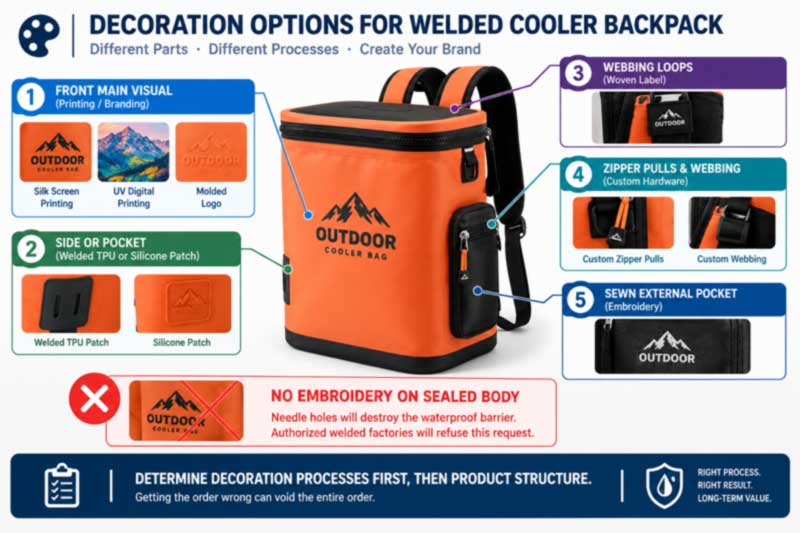
Customisation Branding and spec changes through to full ground-up development

On customisation, the Vietnam line builds to the same capability as China: beyond colour and logo, Sealock develops ground-up from a sketch, sample or performance target, taking on complex forms, premium insulation up to VIP vacuum panels and aerogel, IPX6–IPX8 welded seal levels, bespoke hardware and strict compliance goals. A demanding brief is what an in-house welding and development team exists for. For the wider sourcing mechanics see Soft Cooler Backpack Supplier: MOQ, Lead Times & FOB Sourcing Explained, and to vet any factory see Choosing an OEM Soft Cooler Backpack Manufacturer: A Buyer's Checklist.

FAQ: Sealock's Vietnam Soft Cooler Factory

Q: Does Sealock actually manufacture in Vietnam, or just finish goods there?

A: It manufactures. The Ho Chi Minh City line performs the transformative steps — cutting, 27.12 MHz high-frequency welding, insulation lamination, assembly and in-house QC including immersion testing — not just labelling. That is what makes a cooler built there genuinely Vietnamese in origin rather than a relabelled import.

Q: Why does Sealock produce in both China and Vietnam?

A: It is a China Plus One structure: the Dongguan base gives depth of capability and material supply, while the Ho Chi Minh City line adds supply-chain resilience and origin flexibility. A buyer gets two sources of the same welded cooler under one quality system, hedging the disruptions that single-country sourcing cannot absorb.

Q: Is quality the same on the Vietnam line as in China?

A: Yes — both lines build to the same specification, the same 27.12 MHz welding standard and the same QC gates, including water-immersion batch testing and gold-sample sign-off. The spec, the gold sample and the test protocol travel with the order, so a design can move between origins without a change in quality bar.

Q: Which port will my order ship from, and how long does it take?

A: From Ho Chi Minh City, either Cat Lai (a river port closest to the industrial zones, often via a Singapore transshipment at around 28–32 days to Los Angeles) or Cai Mep (a deep-water port with direct service at roughly 21–23 days). Port-to-port to Los Angeles is broadly 18–22 days, with door-to-door 25–38 days depending on inland logistics. Your forwarder chooses the routing that fits your lead time.

Q: Should I always choose the Vietnam line over China?

A: Not necessarily. Vietnam excels at tariff-sensitive and labour-intensive production, but the deepest raw-material and component base for TPU-coated welded bags still sits in Guangdong, so complex or material-intensive builds can suit the China line better. The right origin depends on the product and your priorities — the advantage is having both under one supplier.

Considering Vietnam-origin coolers? Sealock (YiFuLong Outdoor Gear Co., Ltd.) runs genuine high-frequency welding production in Ho Chi Minh City alongside its Dongguan base, building the same welded coolers to one quality standard at either origin. Tell the team your market, target spec and tariff position, and they will advise on origin, routing and terms.

Email: info@sealock.com.hk | Phone: +86-13632981825 | Browse the soft cooler range

Labour-cost, logistics, port-transit and industrial-capacity figures cited here reflect publicly available industry sources as of mid-2026 and vary by route, carrier, season and market conditions. Transit times and tariff positions in particular change frequently; confirm current routing and duty with your freight forwarder and licensed customs broker before ordering.

Related News
Leave me a message
X
We use cookies to offer you a better browsing experience, analyze site traffic and personalize content. By using this site, you agree to our use of cookies.Privacy Policy
RejectAccept