News

Soft Cooler vs Hard Cooler: Which Is Better – 2026 Comparison

2026-04-14 0 Leave me a message

When it comes to keeping food and drinks chilled during outdoor adventures, day trips, or camping, choosing between a soft cooler and a hard cooler can be confusing. Both serve the same core purpose, but their performance, portability, durability, and price vary significantly. In this 2026 comparison guide, we’ll break down the key differences between soft coolers and hard coolers, help you choose the right one for your needs, and introduce SEALOCK’s premium cooler solutions—backed by professional manufacturing capabilities to deliver quality and value.

What Is the Difference Between a Soft Cooler and a Hard Cooler?

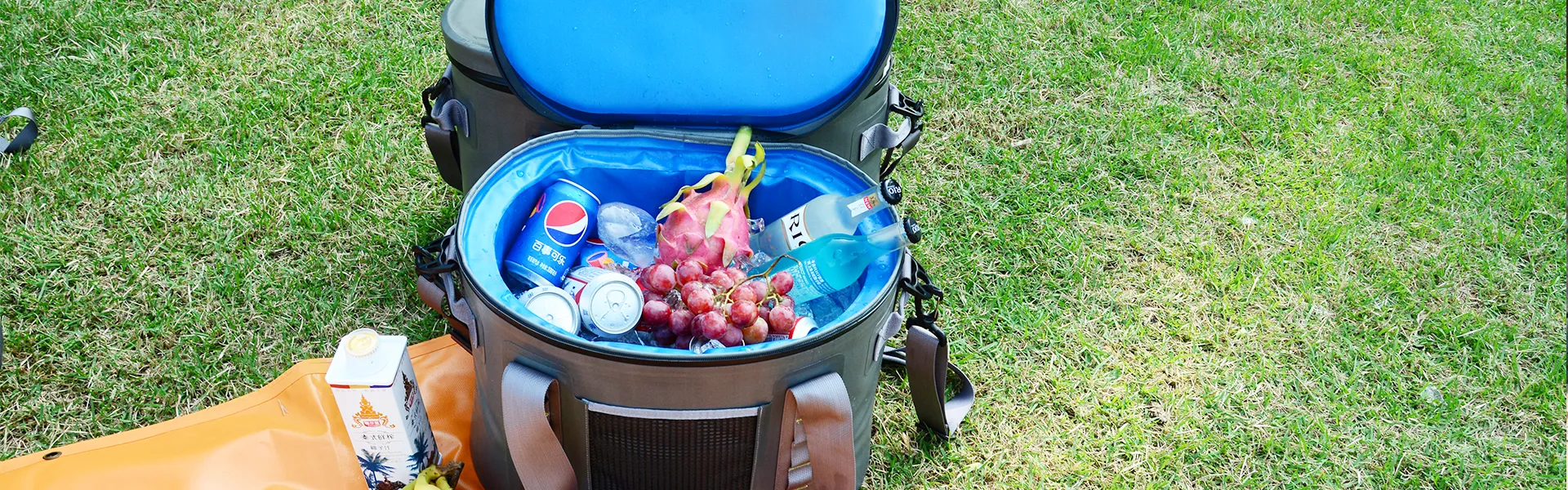
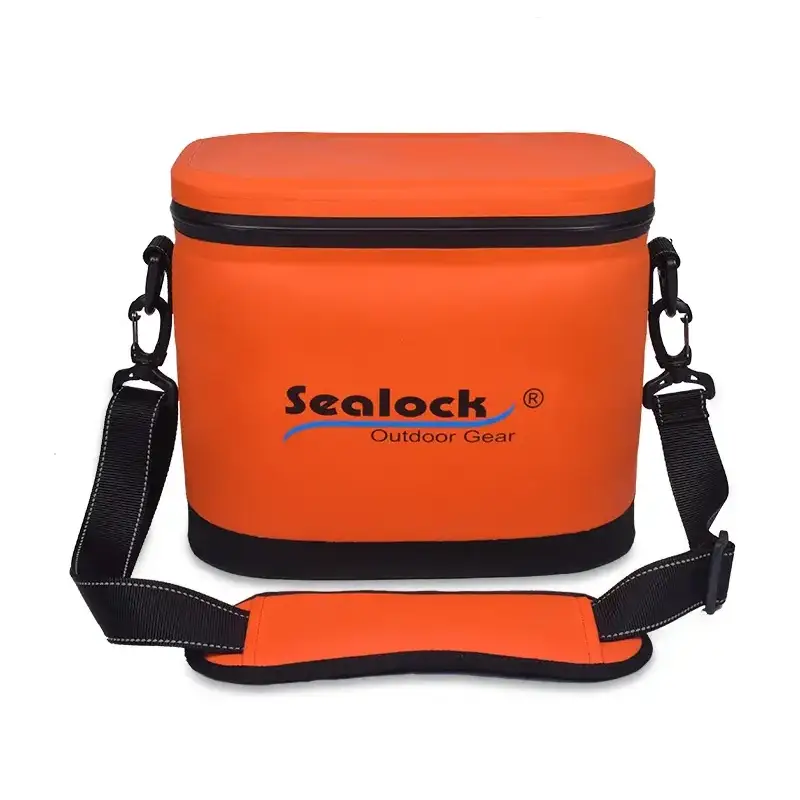
The primary difference between soft coolers and hard coolers lies in their construction, which directly impacts their usability and performance. Soft coolers are crafted from flexible, lightweight materials such as nylon, polyester, and foam insulation. Their design allows for easy folding, making them ideal for fitting into tight spaces like car trunks, backpacks, or storage closets, and they are comfortable to carry for extended periods.

Hard coolers, on the other hand, feature hard plastic or rotomolded construction. This sturdier build delivers superior durability and longer ice retention but comes with the tradeoff of being heavier and bulkier—even when empty. Understanding these core differences is key to choosing the right cooler for your specific use case.

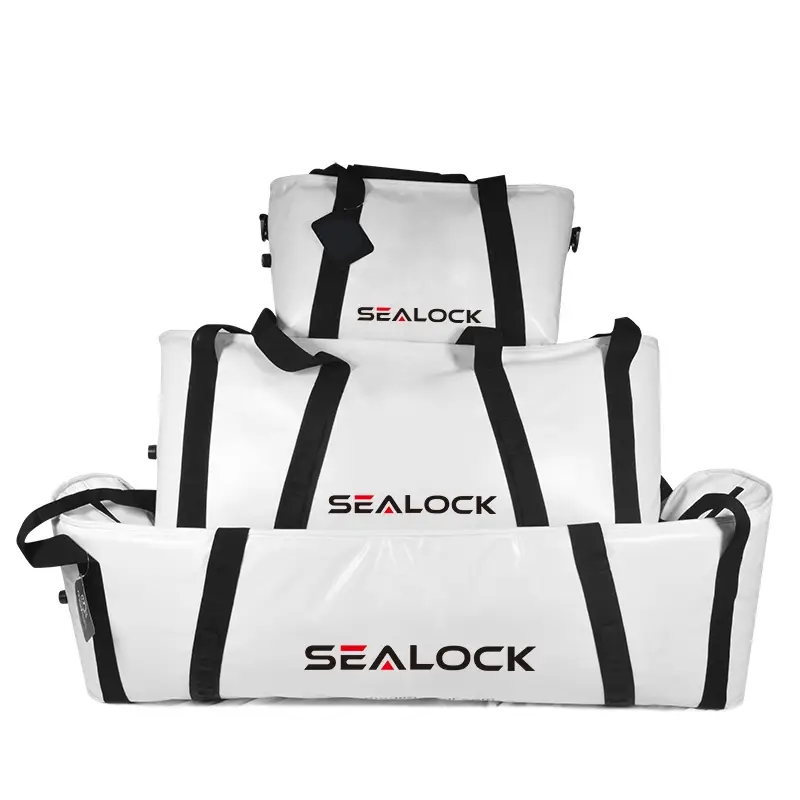
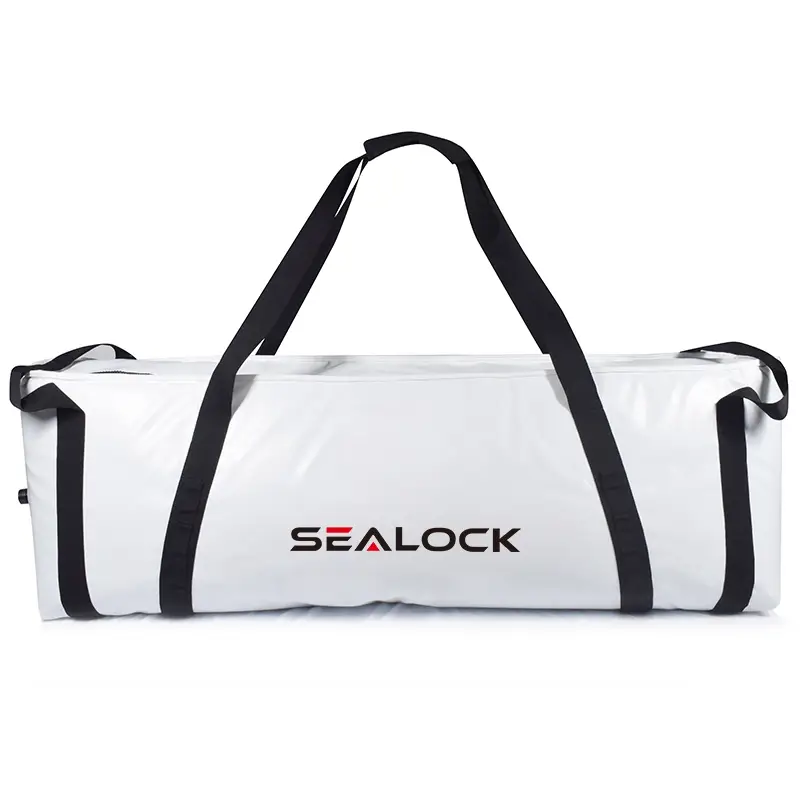
 As a trusted manufacturer in the cooler industry, SEALOCK operates three high-frequency welding factories with complete supporting office facilities. We handle sample development and bulk material procurement in China, while offering customers flexible bulk production options from our factories in China or Vietnam. Both facilities are capable of producing fully welded and sewn bags, and our Vietnam factory can also help European and American customers save extra fees on bulk orders—combining quality craftsmanship with cost-effective solutions.

Ice Retention: Soft Cooler vs Hard Cooler

Ice retention is one of the most critical factors when choosing a cooler, especially for outdoor enthusiasts. Hard coolers have a clear advantage in this area: they typically keep ice frozen for 3–7 days or even longer, depending on the model, insulation quality, and external conditions. This makes them ideal for multi-day camping trips, long road trips, or any scenario where long-lasting cooling is essential.

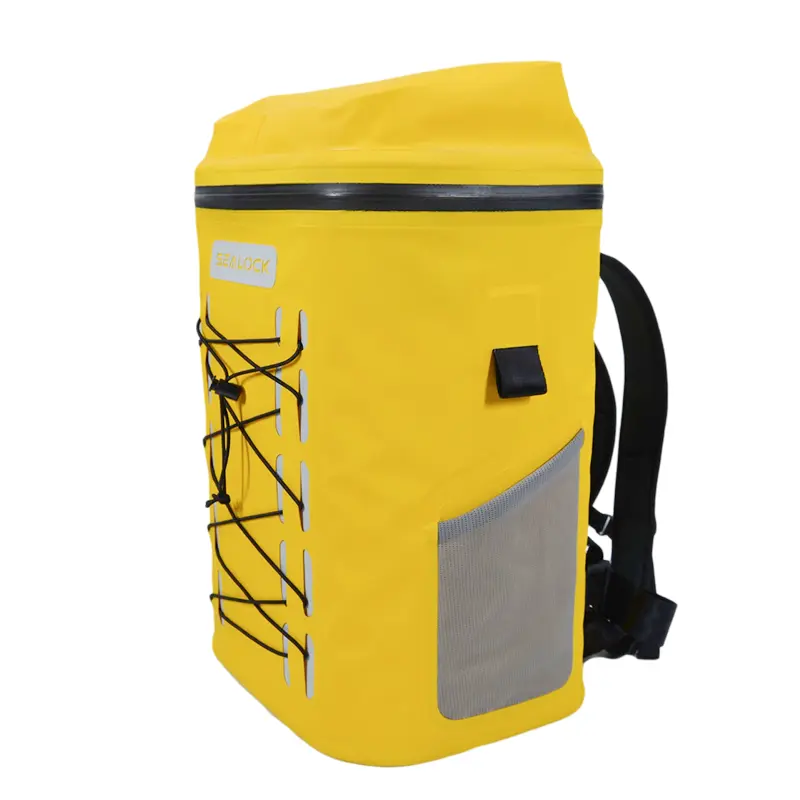
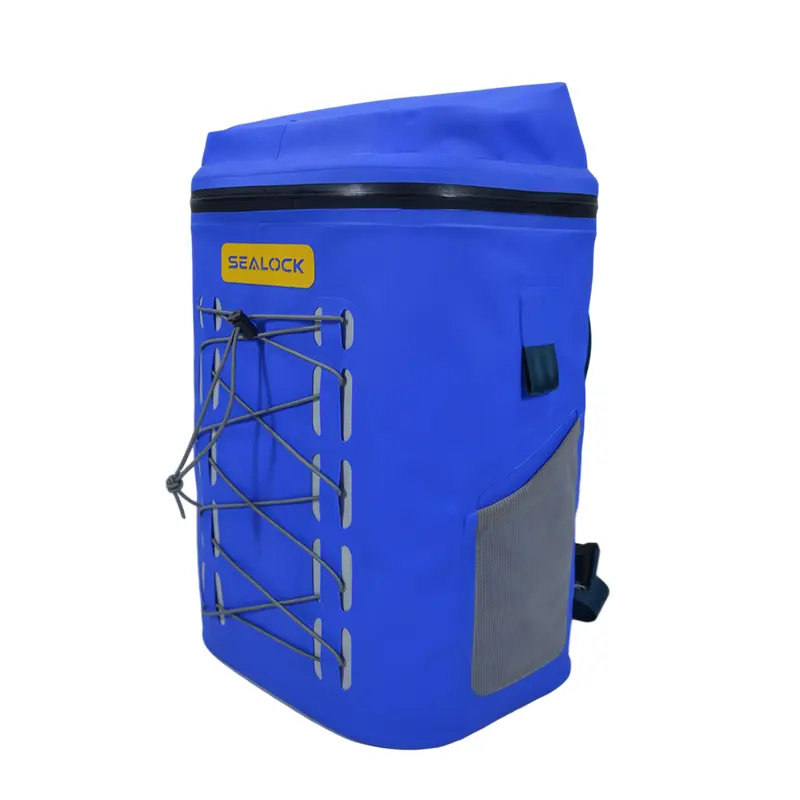
Soft coolers, by contrast, are better suited for short trips, offering 12–48 hours of cold retention. While this is less than hard coolers, it’s more than enough for day trips, beach outings, picnics, or casual use where you don’t need to keep items chilled for multiple days. SEALOCK’s Rugzak zachte koeler (backpack soft cooler) exceeds standard soft cooler ice retention, providing up to 48 hours of cold retention, while our HardCool Pro Line delivers 4–6 days of ice retention for hard cooler models.

Portability and Storage

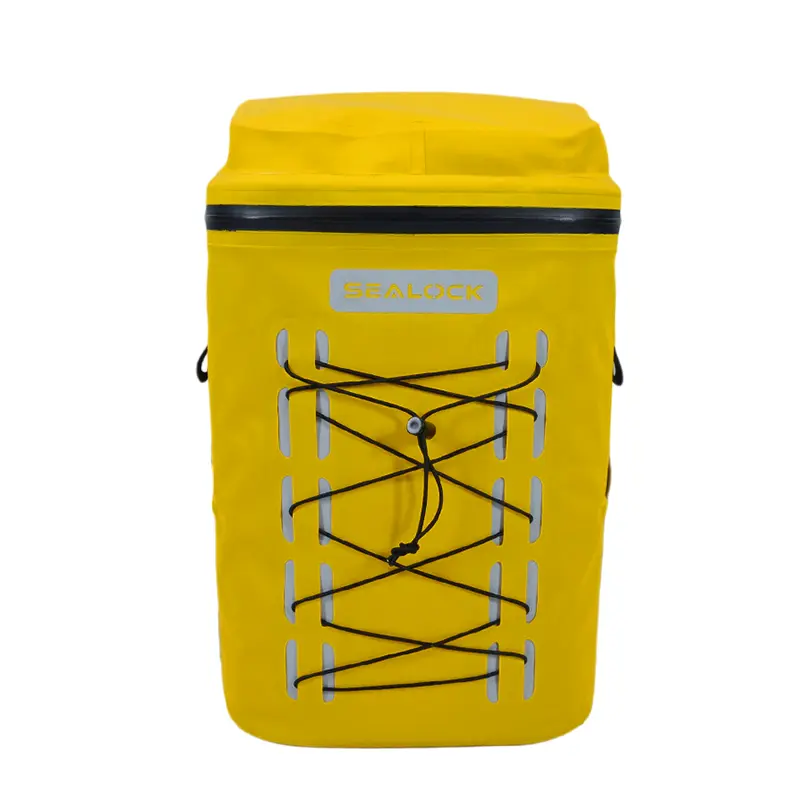
Portability and storage are major advantages of soft coolers. Their lightweight, foldable design means they can be easily stowed away when not in use—taking up minimal space in closets, garages, or car trunks. Many soft coolers, including SEALOCK’s Rugzak zachte koeler (backpack soft cooler), come in convenient backpack designs with adjustable straps, allowing for hands-free carrying, which is perfect for hiking, beach trips, or day camping.

Hard coolers, while sturdy, are heavy even when empty. They take up significantly more space in vehicles and storage areas, and their bulkiness makes them less ideal for users who need to carry their cooler for long distances. SEALOCK’s HardCool Pro Line addresses this pain point with ultra-light rotomolded models that weigh 30% less than traditional hard coolers, balancing sturdiness with improved portability.

Durability and Waterproofing

Durability and waterproofing are essential for withstanding outdoor conditions. Hard coolers are nearly indestructible, boasting full waterproof capabilities, resistance to drops, impacts, and UV damage. This makes them perfect for rugged outdoor use, such as multi-day camping, fishing, or off-road adventures, where the cooler may be exposed to rough handling or harsh weather.

Soft coolers are often water-resistant or fully waterproof, but their flexible fabrics can tear or puncture if mishandled or abused. SEALOCK mitigates this with the Rugzak zachte koeler (backpack soft cooler), which features tear-resistant nylon fabric, reinforced stitching, and welded waterproof seams—all produced by our three high-frequency welding factories. This ensures durability for casual use while maintaining the soft cooler’s flexibility and lightweight design.

FAQs

Q: Which is better for camping?

A: Opt for a hard cooler for multi-day camping trips, as it offers longer ice retention—our HardCool Pro 32QT and 52QT models are perfect for this, with 4–6 days of ice retention and spacious capacities (fitting 48–76 cans respectively). For day camping, SEALOCK’s Rugzak zachte koeler (backpack soft cooler) is more portable and practical, with a hands-free backpack design and up to 48 hours of cold retention, and we offer bulk production options from our China or Vietnam factories to meet your needs.

Q: Are soft coolers leakproof?

A: Many high-quality soft coolers are leakproof, especially those featuring welded seams, which prevent liquid from seeping out. SEALOCK’s Rugzak zachte koeler (backpack soft cooler) comes with heat-welded seamless construction—produced by our professional high-frequency welding factories—ensuring 100% leakproof performance, no more worrying about spilled drinks ruining your trip or belongings.

Q: Which is more affordable?

A: Soft coolers are generally more budget-friendly than hard coolers, making them a great choice for casual users. SEALOCK’s Rugzak zachte koeler (backpack soft cooler) starts at an affordable price point, offering exceptional value without compromising on quality. What’s more, our Vietnam factory can help European and American customers save extra fees on bulk orders, while our China factory handles sample development and bulk material procurement, providing flexible and cost-effective solutions. Our HardCool Pro Line, while slightly more expensive, delivers premium durability and ice retention, with competitive pricing compared to other premium brands in the market.

Conclusion

Choose a soft cooler if portability, convenience for day trips, travel, or casual use is your top priority—SEALOCK’s Rugzak zachte koeler (backpack soft cooler), with its lightweight, foldable backpack design, leakproof construction, and multiple capacity options, is tailored for these scenarios. Backed by our three high-frequency welding factories and flexible production bases in China and Vietnam, we offer sample development, bulk material procurement, and cost-effective bulk production solutions, with our Vietnam factory helping European and American customers save extra fees. Opt for a hard cooler if you need extreme ice retention, heavy-duty durability, or reliable cooling for long outdoor adventures—our HardCool Pro Line, with its rotomolded construction, long ice retention (up to 6 days), and ultra-light design, has you covered. Both of our product lines excel in their respective use cases, and SEALOCK’s professional production capabilities ensure we can meet your specific needs and budget.

Whether you’re a casual user looking for a portable day cooler or an outdoor enthusiast in need of a heavy-duty solution, SEALOCK’s cooler products combine quality, durability, and value—backed by global manufacturing capabilities to serve customers worldwide.


Related News
Leave me a message
X
We use cookies to offer you a better browsing experience, analyze site traffic and personalize content. By using this site, you agree to our use of cookies. Privacy Policy
Reject Accept