News

Soft Cooler Bag Manufacturer China & Vietnam: OEM MOQ Guide 2026

2026-06-09 0 Leave me a message

You sent the same reference photo to five suppliers and got five different prices. Three months later the cheapest one ships, the liner wicks melt-water through every seam, your retail buyer issues a chargeback for "wet packaging," and the reorder you promised is now stuck behind a factory you cannot even visit. The bag looked identical to the sample on screen. It was not the same bag.

The breakdown almost never starts at the sewing table — it starts at the sourcing decision. A trading company quoting on a photo has no control over the polymer grade of the liner, the density of the closed-cell foam, or whether the seam is welded or merely stitched and taped. Picking a soft cooler bag manufacturer is really about controlling those three variables at the source. This guide lays out the MOQ, lead time, construction, and compliance checkpoints to lock down before a purchase order, written from the production-floor side so you can see what each term actually means.

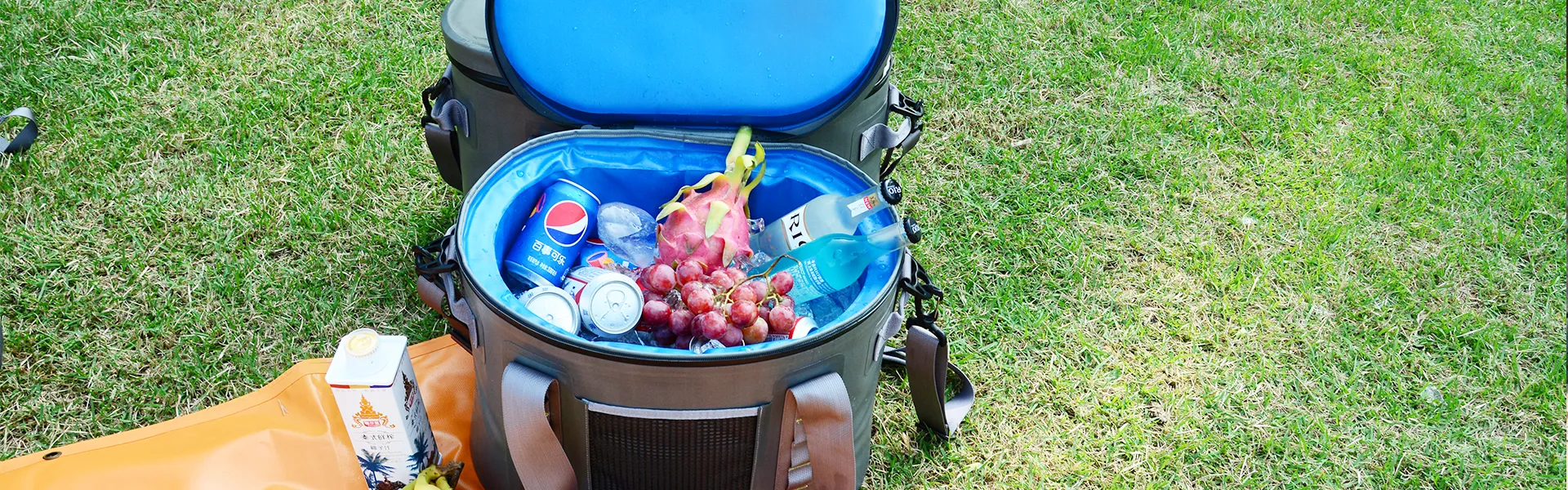
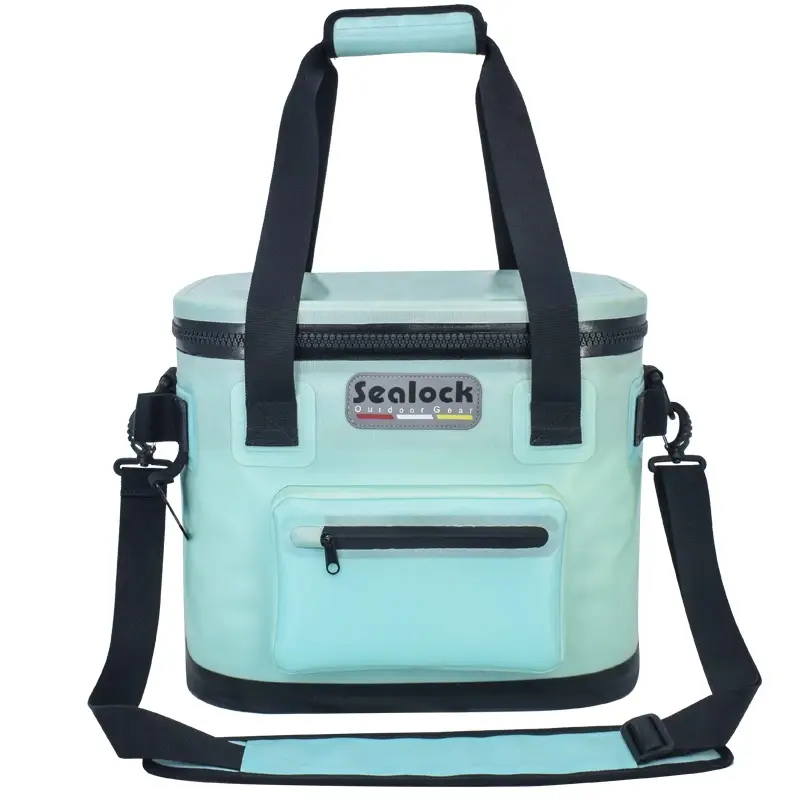
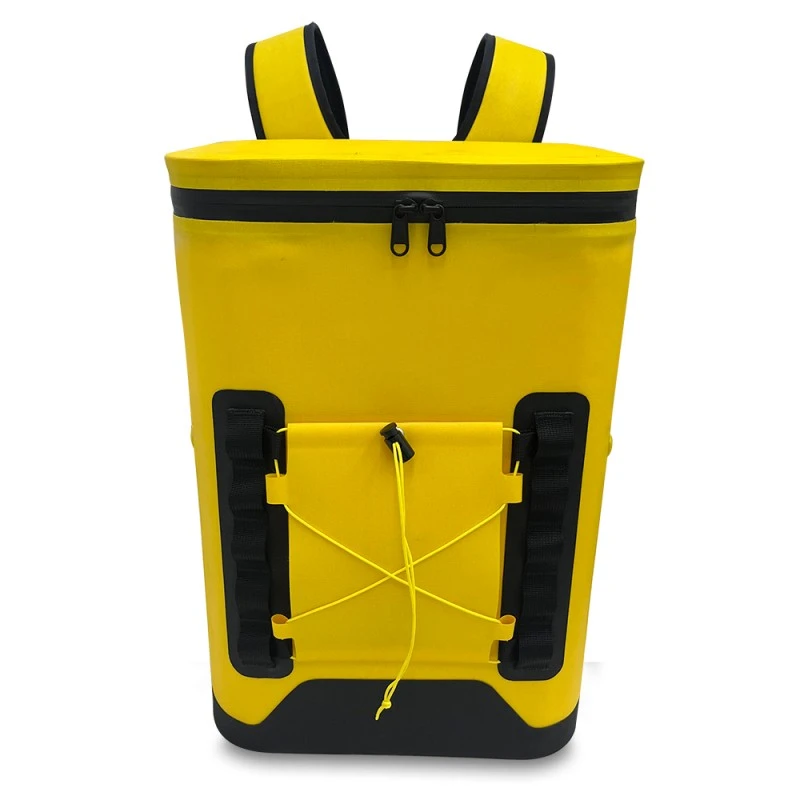
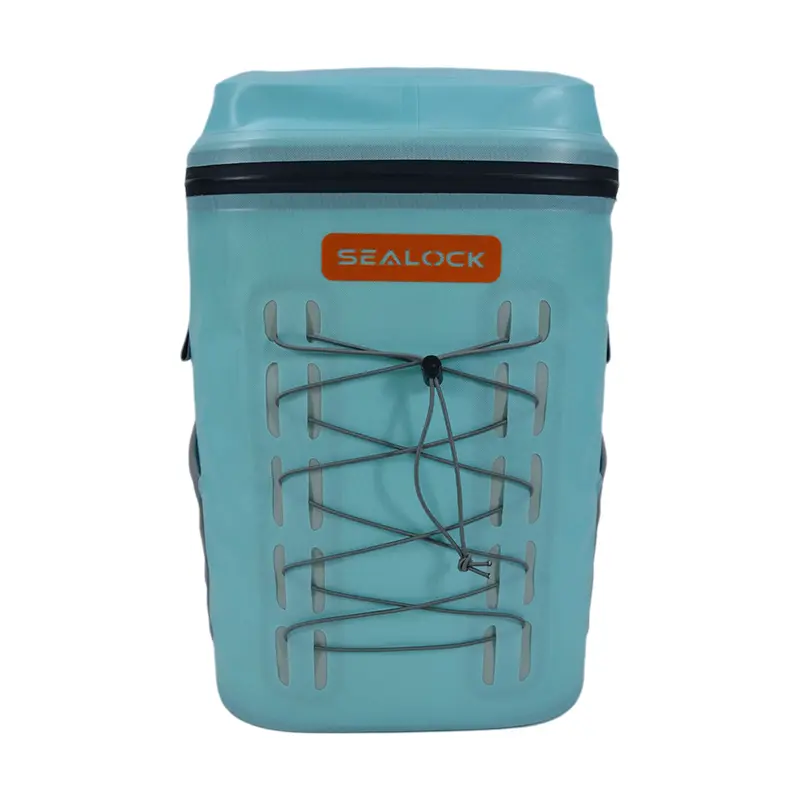
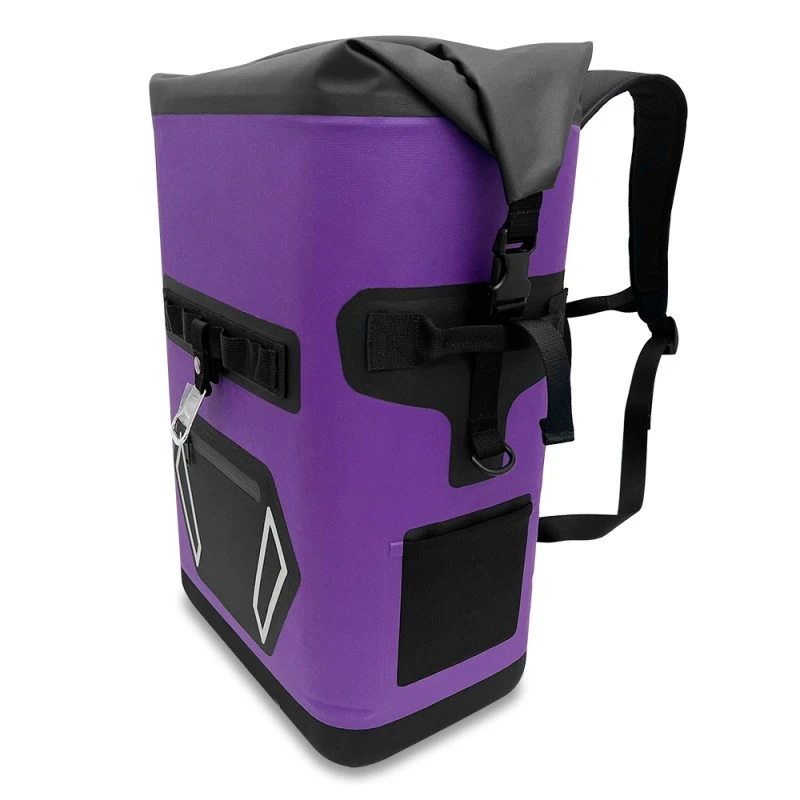
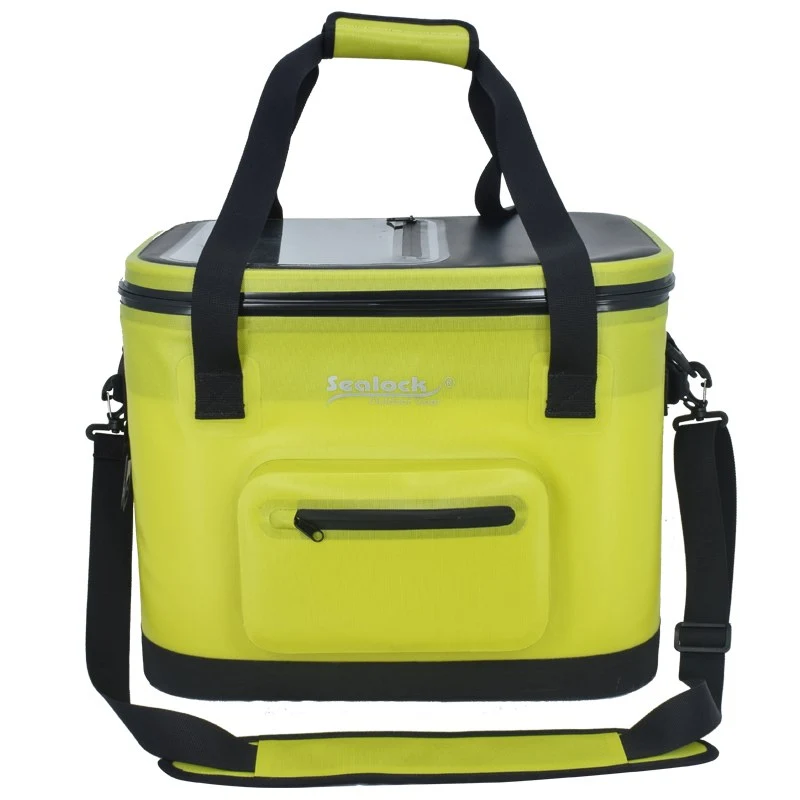
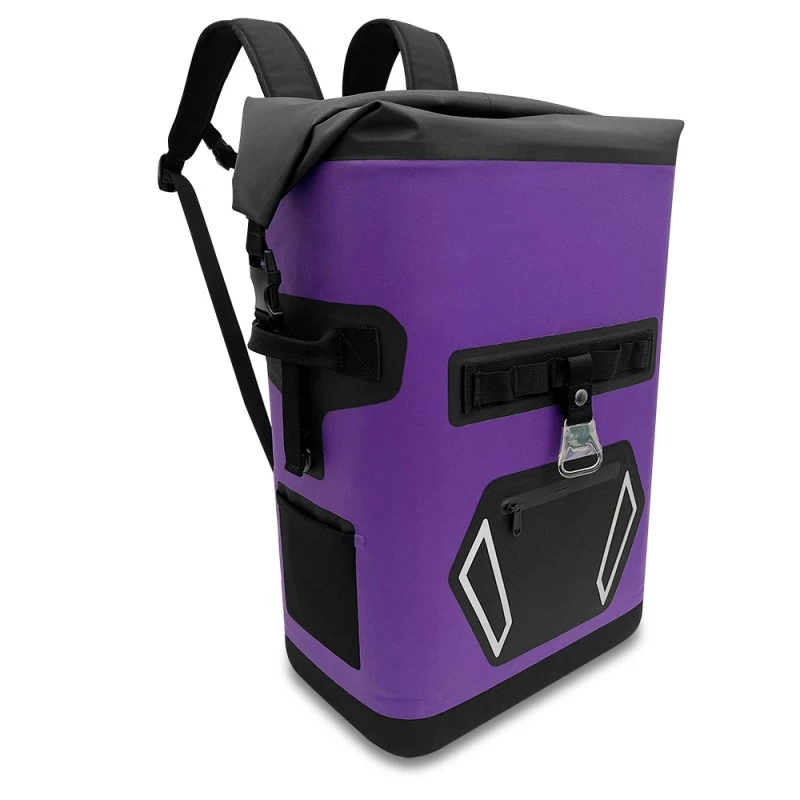
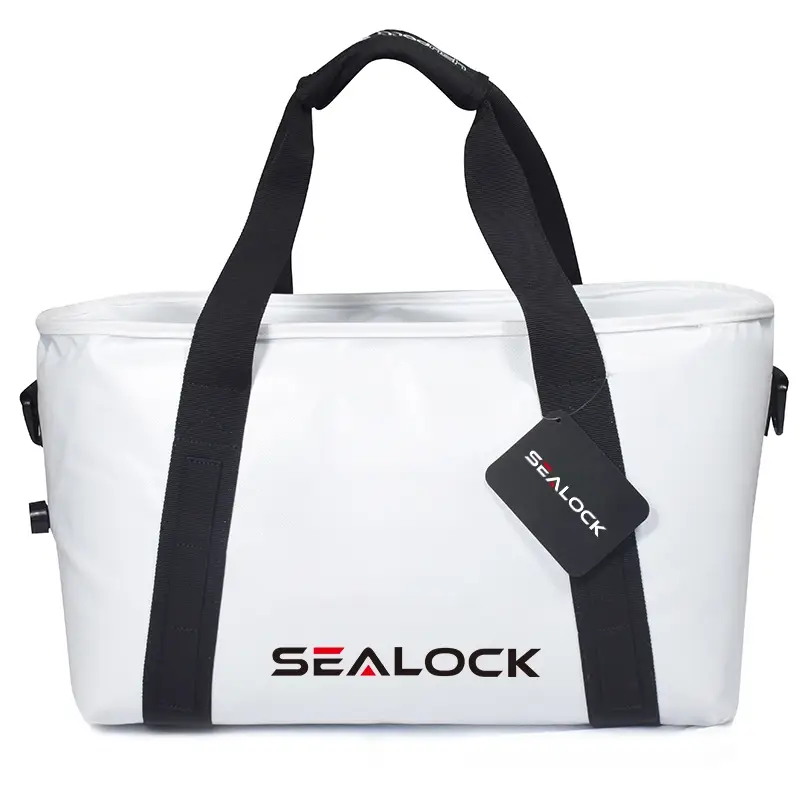
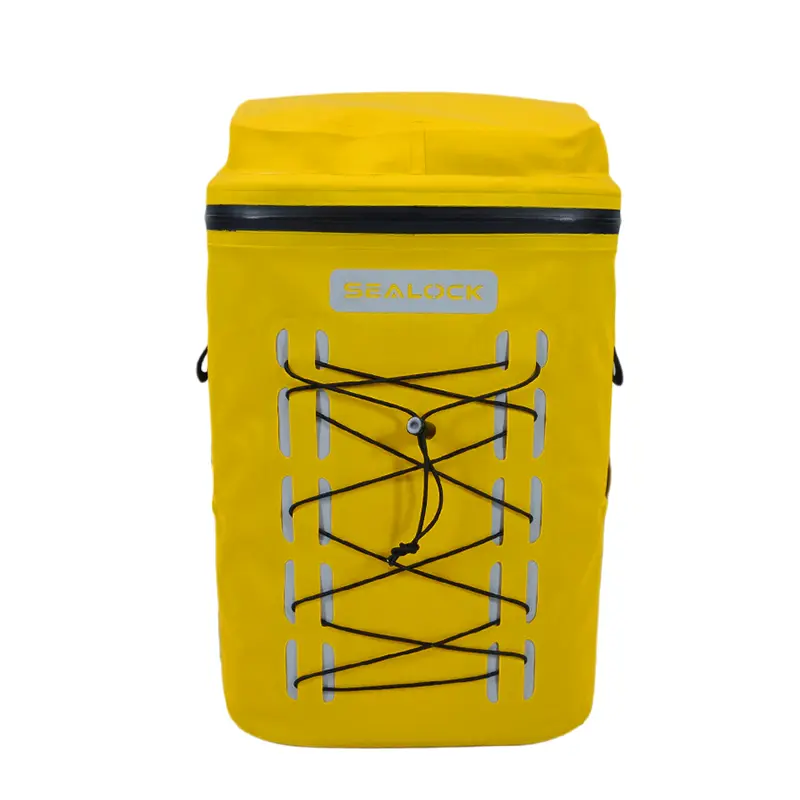
soft cooler bags

2026 Soft Cooler OEM Sourcing Matrix

Before confirming a bulk private-label order, procurement and QC teams should hold the supplier to the following objective engineering baselines. Each one maps to a real post-shipment risk.

Review Vector Industrial Engineering Baseline Procurement & Risk Value
Shell fabric grade Double-faced food-grade TPU composite, not low-end PVC Resists cracking, peeling, and delamination after UV exposure and repeated load cycles
Seam sealing method Needle-free high-frequency (RF) welding at 27.12 MHz No needle holes means the liner is physically immune to capillary seam leakage
Air-tightness check Low-pressure inflation to ~0.05 Bar (0.7 PSI), submerged 15 min Catches hidden pinhole leaks at the source, before the bag ever reaches a customer
Insulation core Closed-cell foam, density and thickness matched to ice-retention target Resists moisture saturation, so thermal performance holds over the product's life
Compliance package SMETA 4-Pillar, BSCI, ISO 9001, GRS, HIGG on file Clears retailer onboarding and protects you from supply-chain audit failures

Manufacturer or trading company: the gap that decides your reorder

The most expensive sourcing mistake is paying factory expectations to a middleman. A trading company subcontracts your order to a workshop you never see, marks it up, and controls neither the seam line nor the schedule. When a liner delaminates or a zipper fails in the field, they have no leverage to correct the root cause — because they do not own it. A direct manufacturer owns the welding tables, employs the operators, and runs its own test lab, which is exactly what keeps quality consistent across a 5,000-piece run.

Three questions separate the two quickly: can they send a video walkthrough of their own welding and cutting floor; do they hold their own audit reports rather than borrowing a partner's; and is the QC lab in-house or rented.

China plus Vietnam: where origin quietly sets your landed cost

For US and EU importers, country of origin is often the single largest line in landed cost — larger than the unit price gap between two suppliers. A maker with lines in both China and Vietnam lets you place bulk production wherever the duty math works for your market, without changing vendors or re-developing the product.

Sealock opened its first Vietnam line in 2020 specifically to help overseas clients hedge import duty, then brought a larger Phase II facility in Ben Cat, Binh Duong online to add capacity and shorten lead times. Sampling and core fabric procurement stay in Dongguan, China for speed; once the gold sample is locked, the same engineering file runs in either country. The common play: develop in China, then shift bulk to Vietnam for the tariff advantage.

MOQ and lead time: the numbers to plan your launch around

MOQ is the first question every buyer asks, and the honest answer depends on how much you customize. A logo-only print on a stock body and a ground-up bespoke shape are two different commitments. As a workable baseline, a private-label soft cooler on a proven pattern starts at 300 pieces per style and colorway; full ODM with new tooling runs higher. On price, three things move the unit cost more than anything else — shell fabric grade, seam method (welded versus stitched-and-taped), and foam package. When you line up quotes, confirm all three match, or you are comparing two different products and the cheaper one is hiding a thinner foam or a sewn liner.

On scheduling, plan for 2–5 days to confirm the spec and quote, 7–15 days for a pre-production sample, then 30–45 days for bulk after you approve the gold sample and place the deposit, plus a few days for final inspection and dispatch. Peak spring/summer capacity and very large volumes extend this — book early. Repeat orders skip sampling and run noticeably faster.

The lab checks that protect your brand from field failures

Real OEM quality is not a verbal promise — it is a controlled lab process that catches defects before the container leaves. These are the checks a serious factory runs as standard.


Low-pressure air-tightness test

Unlike heavy-industry high-pressure rigs that would rupture a soft body, each unit is inflated to a non-deforming 0.05 Bar (0.7 PSI) baseline and submerged in a water tank for 15 minutes, tracking for any bubble trail. This seals off hidden pinhole leaks at the source. (Note: 0.05 Bar is internal inflation; an external IPX7/IPX8 submersion rating is a separate, much higher water-pressure metric and should never be confused with internal positive pressure.)

Seam bonding-force & tensile testing

Tensile testers and bonding-force detectors verify that welded seams and fabric meet the adhesion and strength standard, so the liner does not peel apart under repeated cold-load cycles.

Zipper fatigue, salt-spray & color-fastness

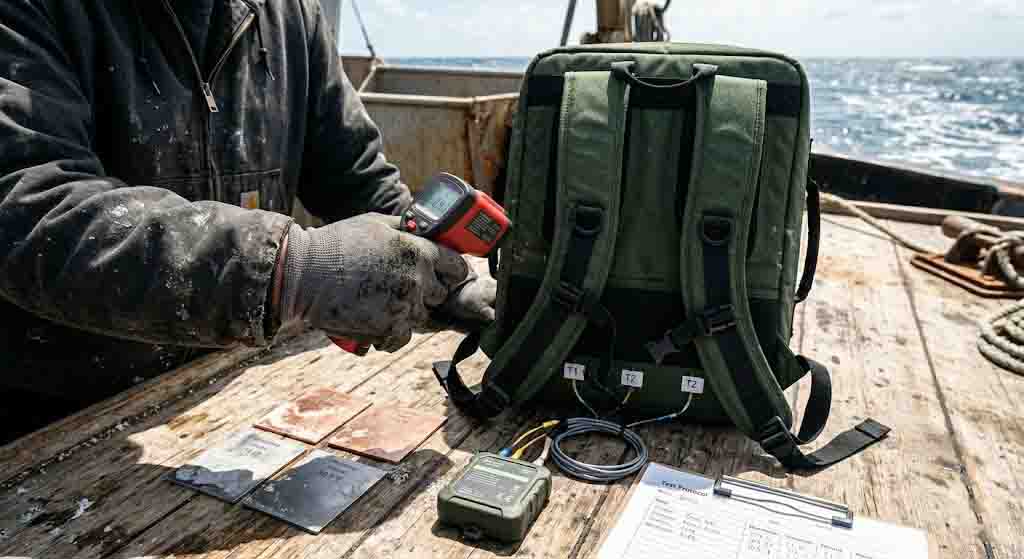
Zipper fatigue machines cycle the closure to validate lifespan; salt-spray chambers check hardware corrosion resistance for marine and fishing use; friction color-fastness testers confirm prints and dyes resist rub-off. Together these certify performance before a single unit ships.


If your brand is bleeding margin to stitched-seam return rates or UV-cracked shells from a low-end supplier, it is time to move the supply chain onto a lab-verified defense system. You can request sample test reports and custom construction details through our soft cooler & insulated bag catalog.

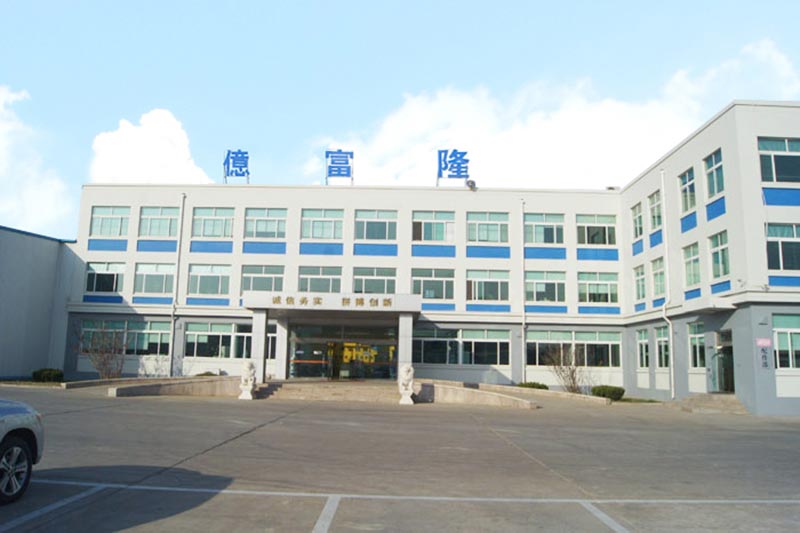
OEM / ODM Manufacturing Division: This guide is published by the dedicated engineering center of SEALOCK COOLER (Dongguan Yifulong Outdoor Products Co., Ltd.). We have specialized in high-frequency radio-wave welding and specialty air-tight fabrics for over 20 years, serving as the independent OEM/ODM contract parent factory for leading global outdoor, tactical, and specialty-industry supply chains.

Through our advanced R&D headquarters in Dongguan, China and our fully operational Phase II facility in Ho Chi Minh / Ben Cat (Binh Duong Industrial Park), Vietnam, we provide global partners with a tariff-hedged dual-track supply chain. We are audited across SMETA 4-Pillar, BSCI, ISO 9001 quality management, GRS recycled-material, and HIGG Index sustainability frameworks. For private-label customization or specialty-environment sampling at our 300-piece baseline MOQ, connect directly with our international trade desk: request the SEALOCK B2B project inquiry & engineering sample channel.

Related News
Leave me a message
X
We use cookies to offer you a better browsing experience, analyze site traffic and personalize content. By using this site, you agree to our use of cookies.Privacy Policy
RejectAccept