News

News

Stay informed on waterproofing tech and market trends. SEALOCK’s news hub shares insights from our China/Vietnam manufacturing centers.
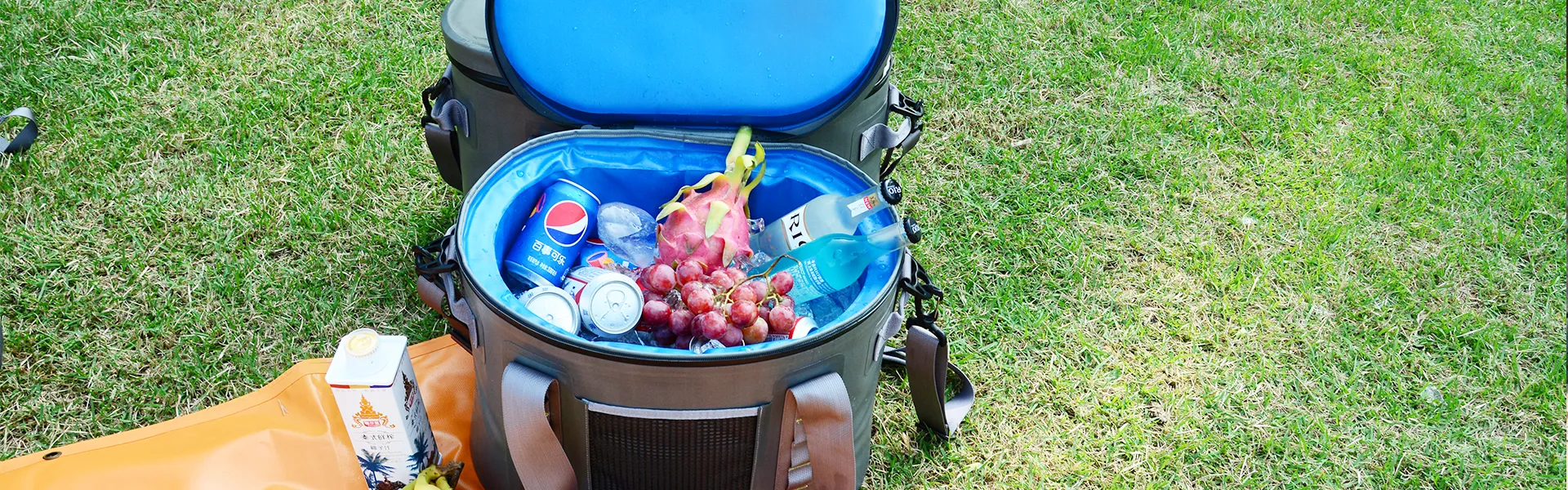
How Long Does a Soft Cooler Backpack Keep Ice? Field Tested22 2026-05

How Long Does a Soft Cooler Backpack Keep Ice? Field Tested

This field test report on the ice retention performance of 25–30L closed-cell insulated soft coolers debunks the exaggerated 72-hour official marketing claim. By analyzing ambient temperatures ranging from 75°F to 110°F, ice-to-storage volume ratios, and performance differences between solid block ice and crushed ice, we deliver a practical 24–60 hour selection and packing guide for day trippers, overnight campers and sea anglers, enabling buyers to make quick cold storage decisions in just three seconds.
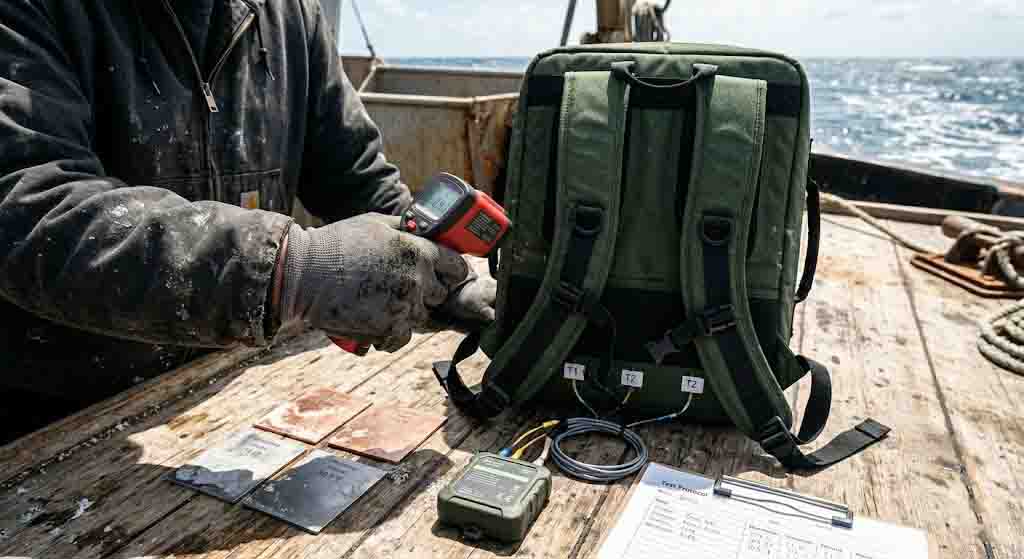
Best Cooler Backpack for Fishing: Heavy-Duty Ice Retention Guide21 2026-05

Best Cooler Backpack for Fishing: Heavy-Duty Ice Retention Guide

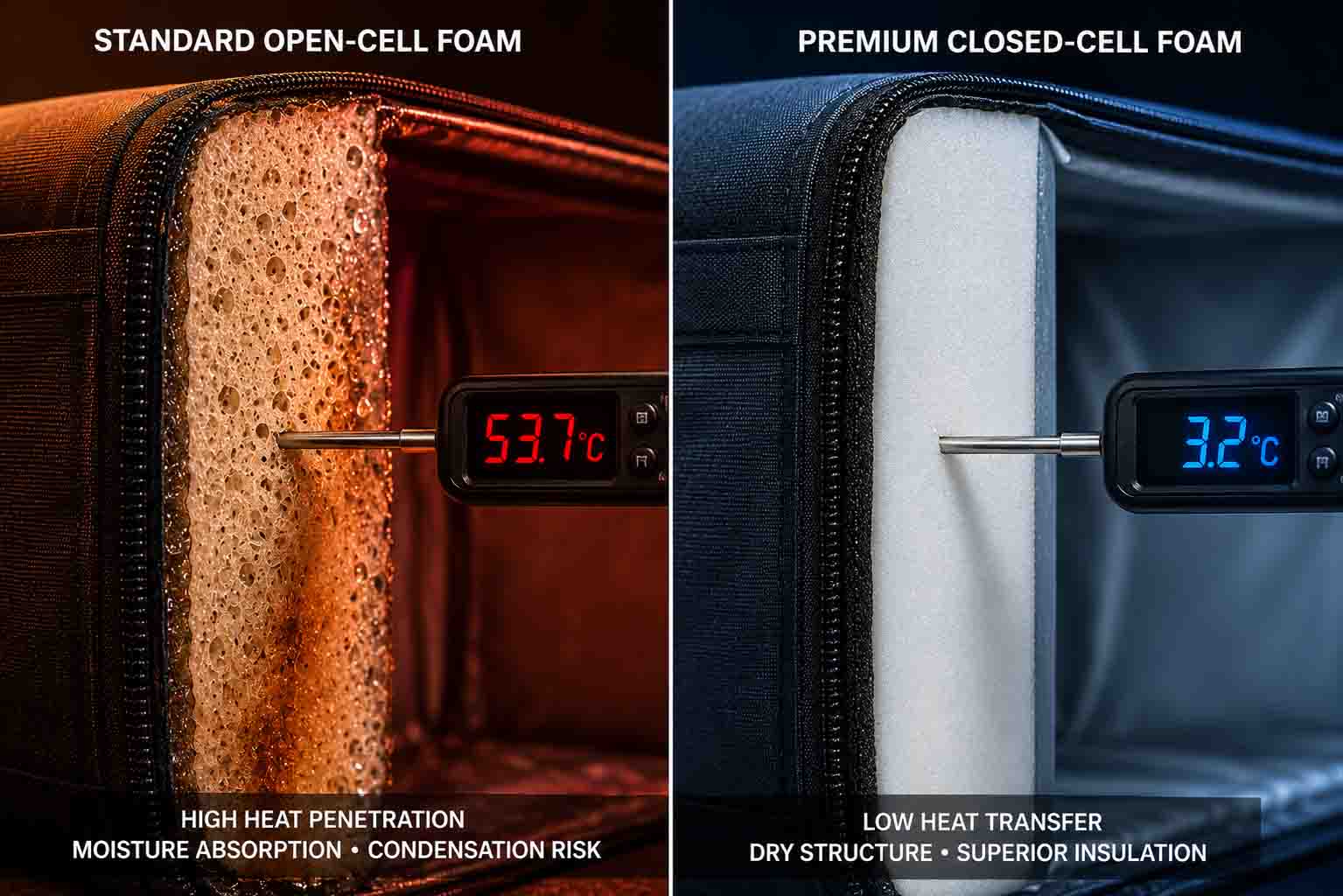
Solar heat and sharp fish fins destroy standard picnic bags in hours. This authoritative guide breaks down the best cooler backpack for fishing configurations built for brutal marine environments. Discover how high-density, closed-cell NBR foam insulation walls halt thermal conduction under direct sunlight, why high-molecular welded TPU linings are required to completely neutralize puncture risks from aggressive marine catches, and how submarine-grade airtight mechanical zippers trap ice water and pungent fish odors inside during rough vehicle transport. Read the definitive verdict to match your specific angling environment to the right portable cold pack shield.
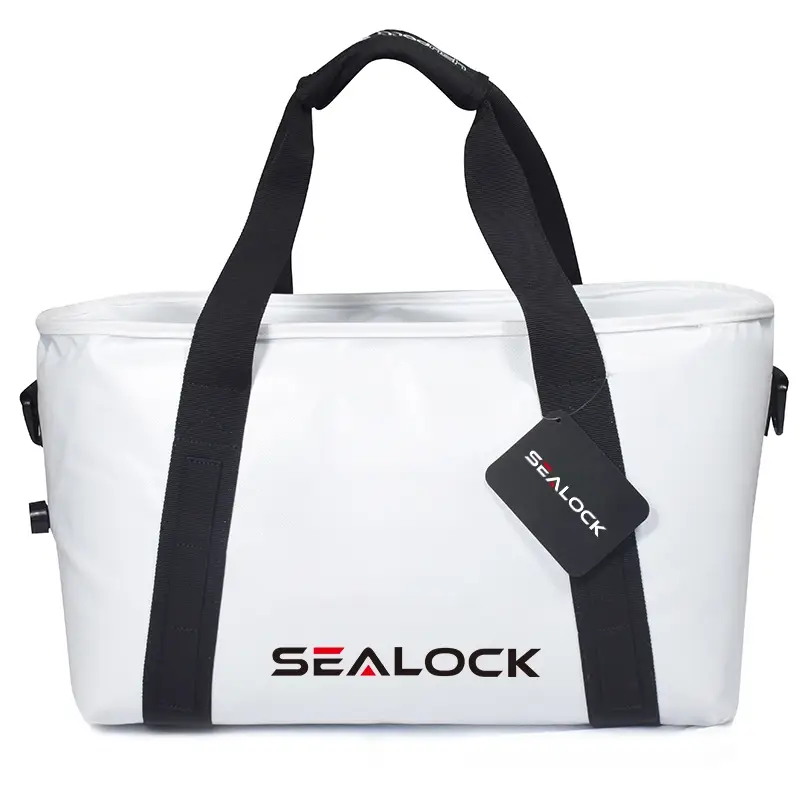
The Engineering Behind Premium Soft Cooler Backpacks: Why TPU and High-Frequency Welding Matter19 2026-05

The Engineering Behind Premium Soft Cooler Backpacks: Why TPU and High-Frequency Welding Matter

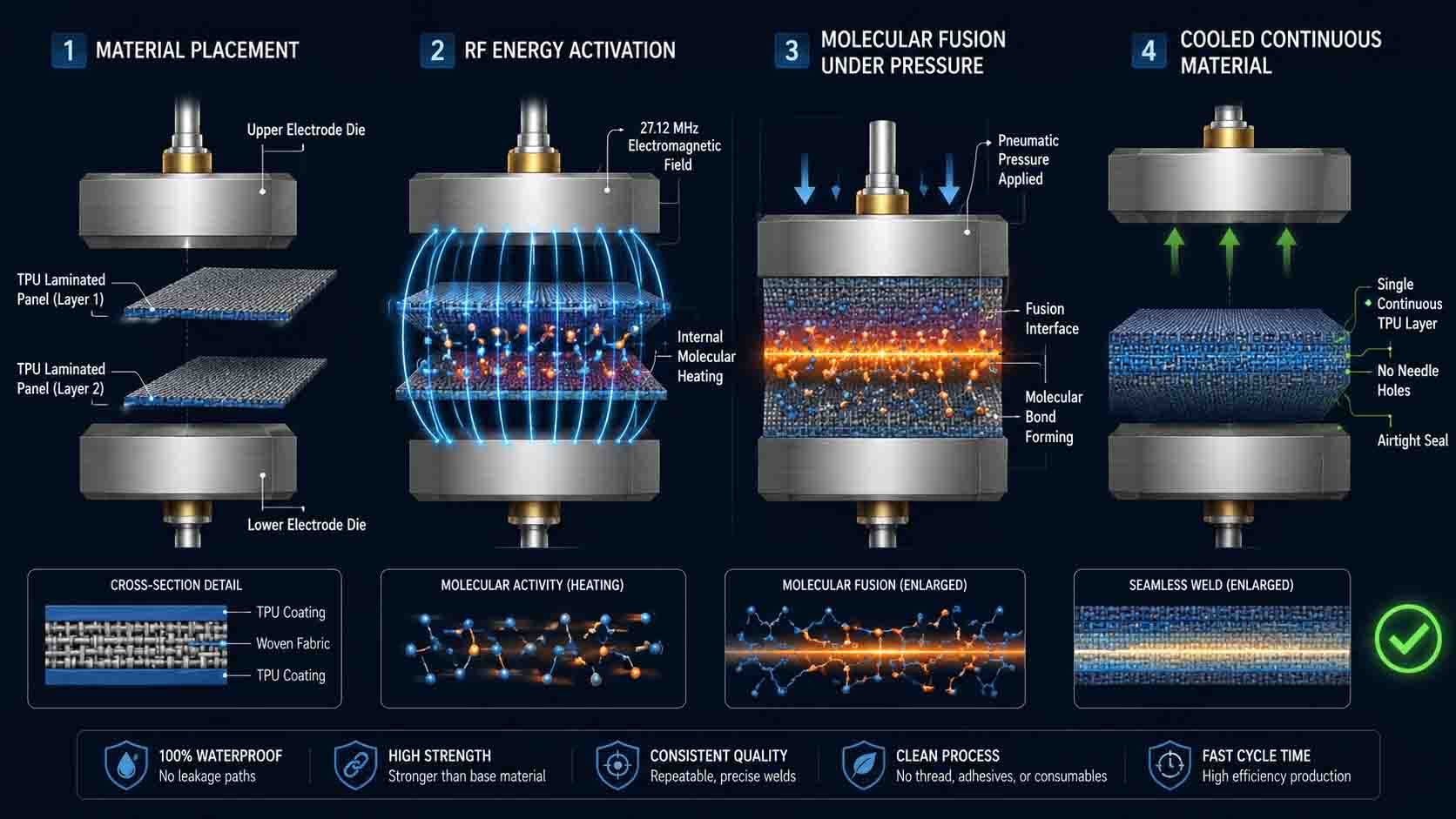
Soft cooler backpacks carry a straightforward promise: keep ice frozen for days and never leak. Delivering on that promise is less straightforward than it sounds. This article walks through the engineering decisions behind premium soft cooler construction—why food-grade TPU is specified over PVC or polyester for both the shell and liner, how high-frequency welding produces a seam-free watertight interior that stitched construction cannot replicate, and what the standard laboratory testing sequence looks like for a product that needs to hold up under real outdoor conditions. Relevant for brands evaluating OEM manufacturing partners or specifying soft cooler construction for the first time.
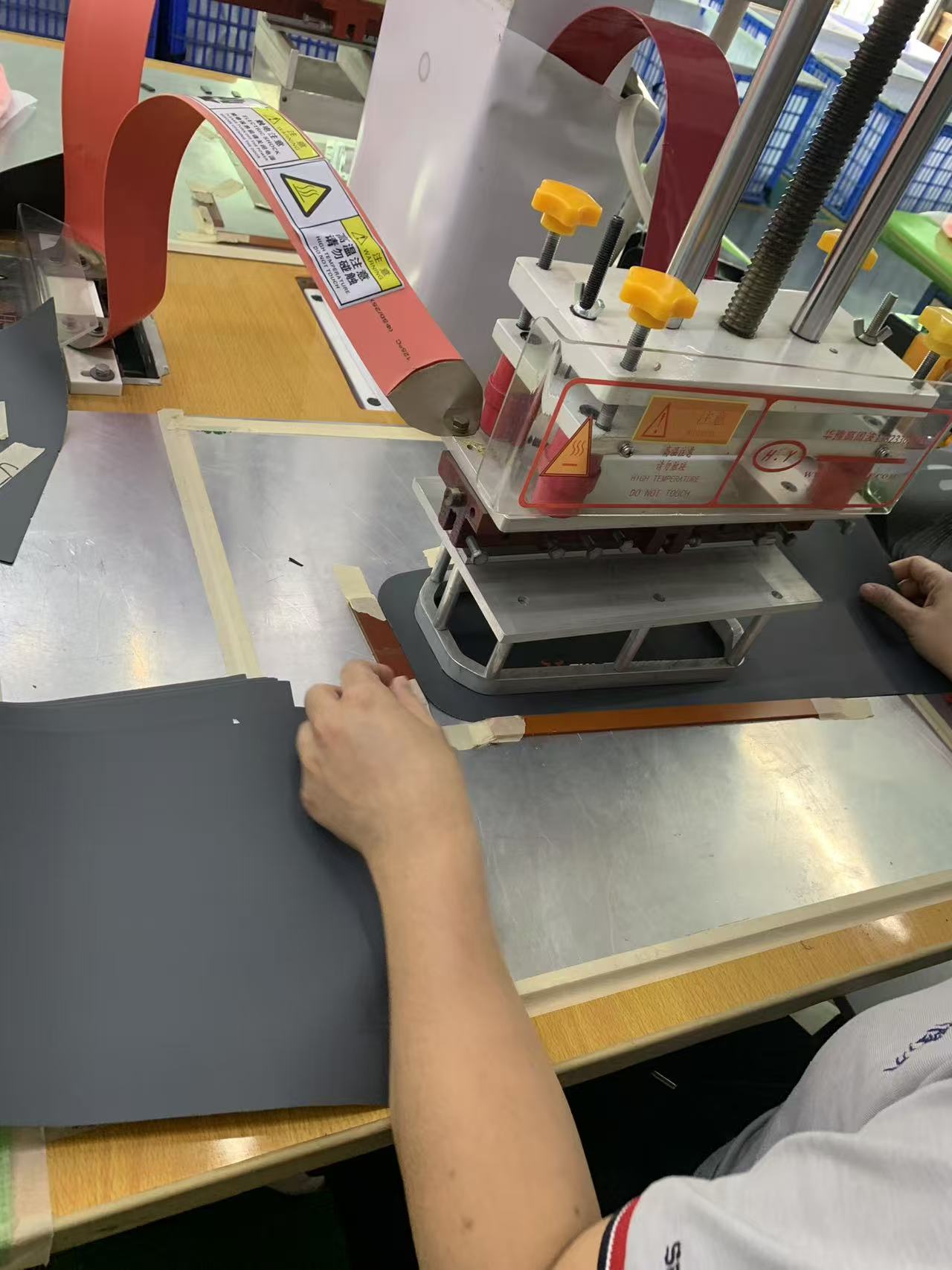
Engineering Sweat-Proof and Leak-Proof Soft Coolers for the Premium Retail Market18 2026-05

Engineering Sweat-Proof and Leak-Proof Soft Coolers for the Premium Retail Market

Premium soft cooler retail returns cluster around three failure modes: condensation damage to boat decks and car interiors, leaks from tipped-over bags with failed stitched seams or inadequate zippers, and ice retention that falls far short of the advertised spec. Each of these failures has a specific engineering cause and a specific construction solution. This article covers the thermodynamics of sweat-proof cooler design, how RF welding and airtight zipper hardware produce a genuinely leak-proof interior, and the material science behind verifiable 72-hour ice retention performance—including how to audit whether an OEM partner is actually delivering the foam specification they quoted.
The True Cost of Spoilage: Why Premium Food Delivery Requires Commercial-Grade Soft Coolers16 2026-05

The True Cost of Spoilage: Why Premium Food Delivery Requires Commercial-Grade Soft Coolers

For supply chain directors managing premium food delivery operations, the economics of insulated bag procurement look straightforward until the first summer heat wave. This article works through three specific failure scenarios that standard commercial cooler bags produce in real delivery conditions: thermal collapse during extended porch holds at 100°F, cross-contamination leaks from stitched seam failure, and accelerated fleet depreciation from material abuse. For each scenario, it explains the construction failure mode in detail and the engineering specifications—closed-cell foam insulation, 27.12 MHz RF welding, 840D TPU shell—that address it. Written for operations managers and sourcing teams calculating the true total cost of ownership for commercial delivery bag fleets
X
We use cookies to offer you a better browsing experience, analyze site traffic and personalize content. By using this site, you agree to our use of cookies. Privacy Policy
Reject Accept