News

Why Is My Soft Cooler Zipper So Stiff? How to Fix & Lubricate Airtight Seals

2026-05-27 0 Leave me a message

You grab your premium soft cooler off the garage shelf, ready to load it up for a weekend trip. But instead of a smooth, easy glide, you hit stiff resistance. You get a light squeak, followed by that worrying, sinking feeling that the hardware is about to snap right out of your hands. It is a frustrating breakdown that quickly ruins your day when you are standing out in the hot summer heat just trying to get to your drinks or protect your fresh catch.

The good news? A stiff zipper on a heavy-duty leakproof soft cooler is almost never a sign that the bag is permanently broken. It is a common maintenance problem, and it is entirely fixable in under ten minutes if you understand the mechanics of your gear and avoid destructive chemical traps.

The Airtight Zipper Lubricant Blueprint

An airtight zipper isn't broken when it's stiff—it is just doing its job without enough surface lubrication to clear the heavy pressure zone. Using the wrong product can permanently dissolve your waterproof coating. Use this verified breakdown:

Lubricant Type Compatibility Verdict Long-Term Effect on TPU Liner
Zipper Wax / Paraffin / Pure Beeswax ✅ Recommended Safe for polymer tracks; leaves a thin, fluid barrier that does not attract trail dust.
Pure Silicone Spray (No Distillates) ✅ Safe (Apply Sparingly) Provides a fast film; excess must be wiped away to prevent slider slippage.
WD-40 / Petroleum Jelly / Vaseline ❌ Prohibited Destructive: Dissolves TPU membranes; breaks down welded cooler seams.
Cooking Oils / Lip Balms ⚠️ Emergency Only Goes rancid; attracts bugs, grime, and sand that accelerate tooth abrasion.
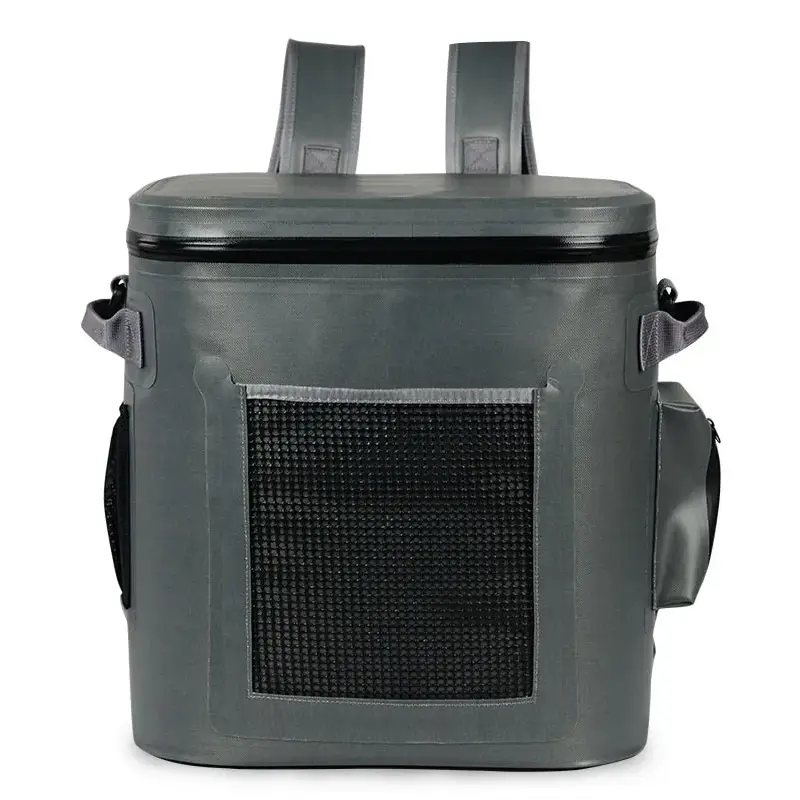
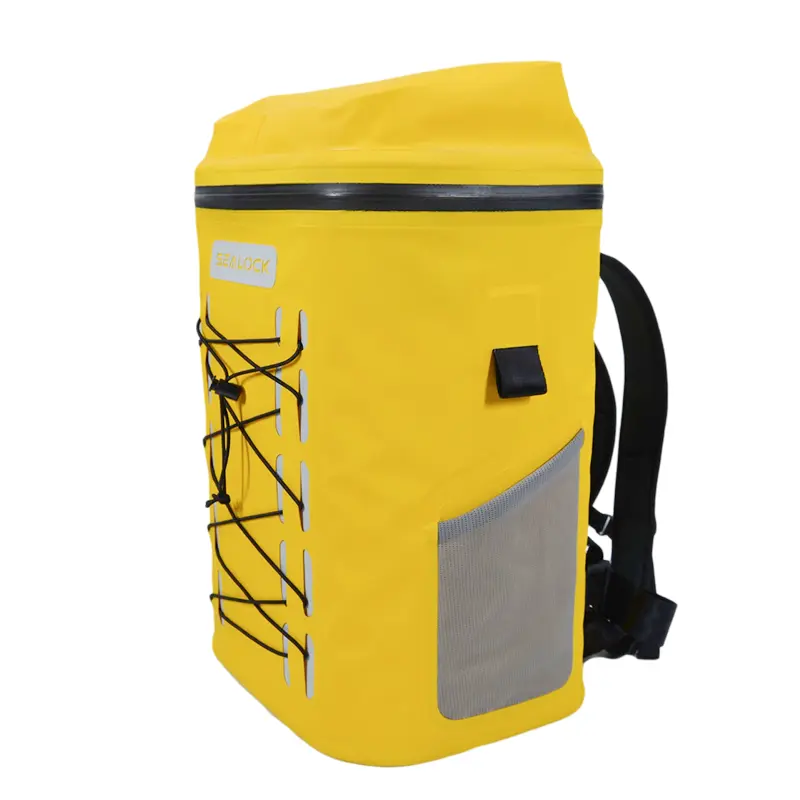
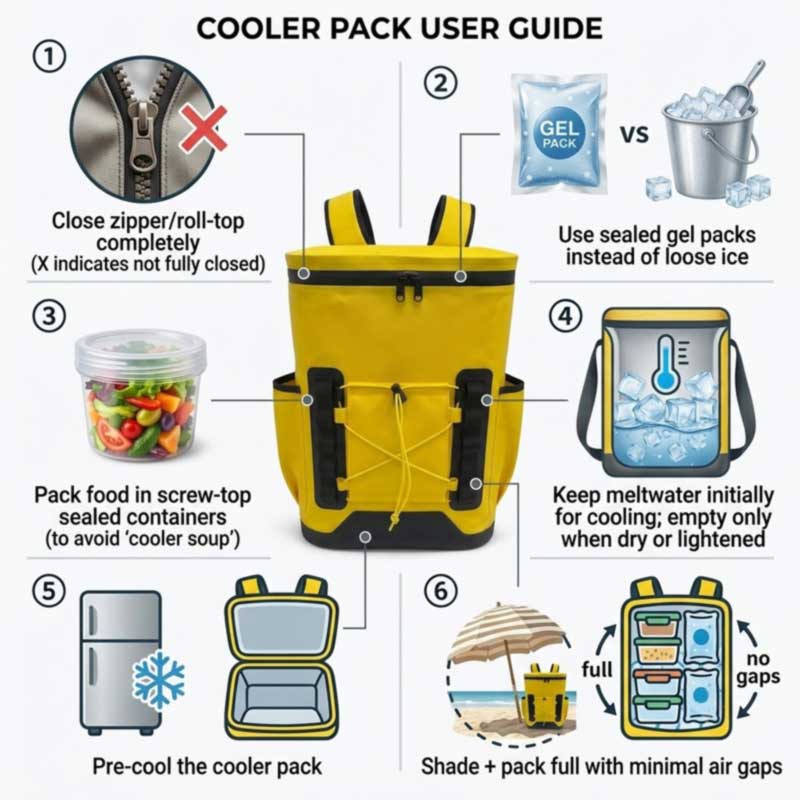
Premium Insulated Cooler Backpack featuring high-tension airtight zipper track layout

Figure 1: High-performance polymer zippers on specialized backpack coolers require regular tracking lubrication to offset heavy compression friction.

The Engineering Reality: Why Airtight Seals Lock Up

Premium soft cooler zippers are fundamentally different from the metal tracks on your casual jackets or standard luggage. Standard zippers use basic interlocking teeth that allow minor air exchange. High-performance soft coolers, however, depend on absolute air containment to maintain extreme ice retention and stop soft cooler condensation from ruining your vehicle's trunk.

To build a truly leakproof chamber, industrial gear utilizes a gas-tight, interlocking polymer track that functions like a heavy-duty compression ziplock channel. To form a true 1.0 Bar airtight seal, the opposing rubberized lips of the track must pinch together under massive physical compression.

This incredibly tight mechanical fit produces immense kinetic friction. When the technical polymer material dries out from UV sun exposure, dry winter storage, or salt-air degradation, the slider encounters severe grinding resistance. If you pull with sharp, violent tugs when the track is in this dry state, that concentrated shear stress transfers directly down into the surrounding welded cooler seams. Instead of opening smoothly, the force can rip the zipper teeth completely out of alignment or tear the fabric away from the core body, making a successful cooler liner repair impossible.

Diagnostic Checklist: Identifying the Track Friction Source

Before applying any technical waxes, isolate your specific closure layout failure by analyzing these real-world track conditions:

Symptom A: The Salt-Grit Grind

The slider moves with a rough, crunchy sensation and leaves a chalky white residue along the tracks after drying. This means evaporated seawater or minerals have formed hard crystals inside the polymer grooves, acting as a direct abrasive.

Symptom B: Corner Seam Stalling

The track runs smooth on straight lines but jams completely around the tight radius curves of the bag. This happens when a cooler has been stored crushed under other heavy gear, causing the polymer track to take on a permanent warp or bent shape.

Is your zipper sliding smoothly but you are still finding mystery puddles? The issue might not be your closure hardware—sharp ice cubes could be piercing your internal chamber walls. Read our comprehensive risk-avoidance guide on Can You Put Loose Ice in a Soft Cooler Backpack? (How to Prevent Interior Liner Leaks) to isolate physical liner punctures from track damage.

Before You Lubricate: The 2-Minute Pre-Cleaning Routine

Applying fresh lubricant directly onto a dirty, grimy track is a huge mistake. The wax seals in whatever fine sand or grit is already sitting inside the grooves, creating an abrasive paste that grinds down the sealing lips over time. Take two minutes to clear the track first:

1

Open the Track Completely

Unzip the main compartment carefully all the way to the end stop. This exposes the full length of the internal polymer ridges on both sides of the lid alignment.

2

Flush with Cold Fresh Water

Take a standard garden hose and flush the tracking lines thoroughly. This pushes out loose salt crusts, organic debris, or fish blood residue clinging to the sealing channels.

3

Scrub with a Soft Toothbrush

Run a wet, soft-bristled utility toothbrush gently along the internal grooves. Work the bristles into the track radiuses to dislodge embedded grit. Avoid stiff wire bristles, as they will permanently cut the soft polymer sealing geometry.

4

Dry the Track Fully

Leave the cooler propped open in a well-ventilated shade spot. The track surfaces must be dry before applying wax, or the moisture will dilute the coating and ruin its effectiveness.

SURFACTANT EXCLUSION WARNING: Avoid harsh dish soaps or chemical degreasers during cleaning. Strong industrial surfactants break down the synthetic lubricants embedded in your zipper's polymer teeth, speeding up dry cracking and causing premature structural hardware fatigue.

The Correct Application Method

Proper technique is vital. Simply dumping a large glob of gel or wax in one spot won't clear up the dry friction across the rest of the rail system. Follow this orderly application path:

01

Coat Both Tracks Evenly: Rub your zipper lubricant stick or pure paraffin block firmly along both sides of the open track—including the lid rail and the lower body channel. Make sure to apply it directly into the side teeth grooves where the slider mechanism makes physical contact.

02

Work the Slider Body: Gently slide the zipper open and closed 5 to 8 times across the entire track length. This mechanically spreads the wax film into the tight tolerances inside the slider housing that you can't reach by hand.

03

Wipe Away Excess Surface Residue: Use a clean microfiber cloth to wipe up any extra wax flakes sitting on the outer fabric. Excess lubricant on the outside serves no mechanical purpose and will attract dirt and trail grime on your next trip.

04

Pro Tip: The Low-Heat Hairdryer Method

After working the wax into the rails, run a standard hairdryer on a low heat setting about 6 inches away from the track for 20 to 30 seconds while cycling the zipper slider. The mild warmth softens the solid wax, letting it flow deep into the microscopic polymer grooves for long-lasting protection. Never use high heat settings, as extreme thermal exposure will delaminate your waterproofing.

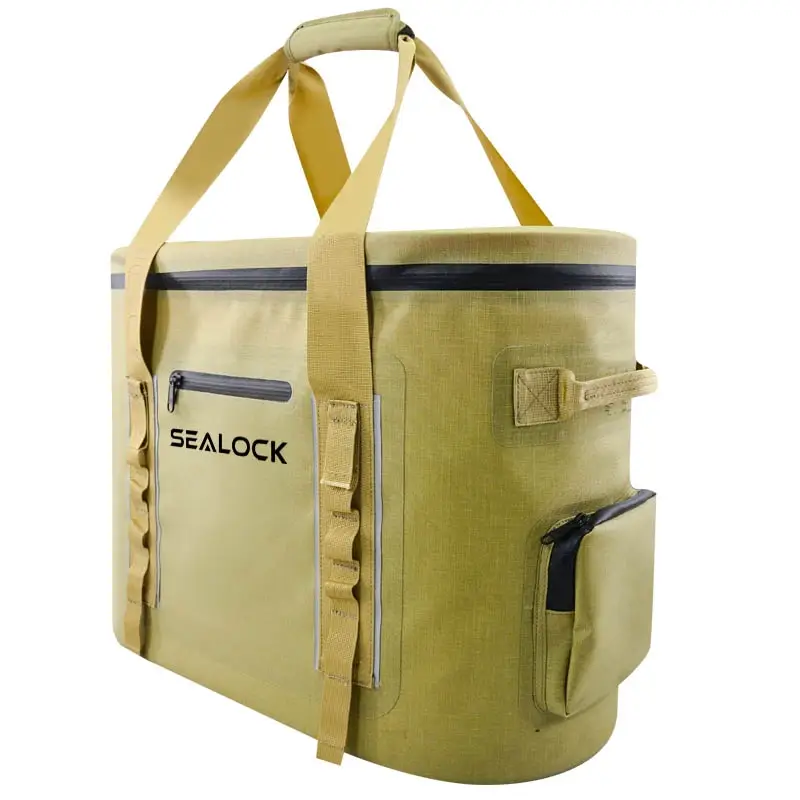
Technical closure profile detailing heavy rubberized airtight zipper teeth assembly

Figure 2: Detailed view of a compressed airtight seal closure mechanism. Molecularly welded perimeter seams protect the tracking edge under high pulling force.

Matching Closure Layouts to Your Environment

If you want to cut down on constant hardware maintenance, you need to match your specific outdoor style with the right structural zipper layout. Different tracking shapes experience entirely different stress loads:

  • Straight-Track Zip-Top Coolers: Built to completely eliminate corner stress, a dedicated Zip-Top Waterproof Soft Cooler keeps the zipper line completely flat across the upper lid (Product ID: 24). By removing tight bends entirely, this profile slashes slider friction by up to 40%, making it the easiest configuration to maintain for quick day trips or daily grocery runs.
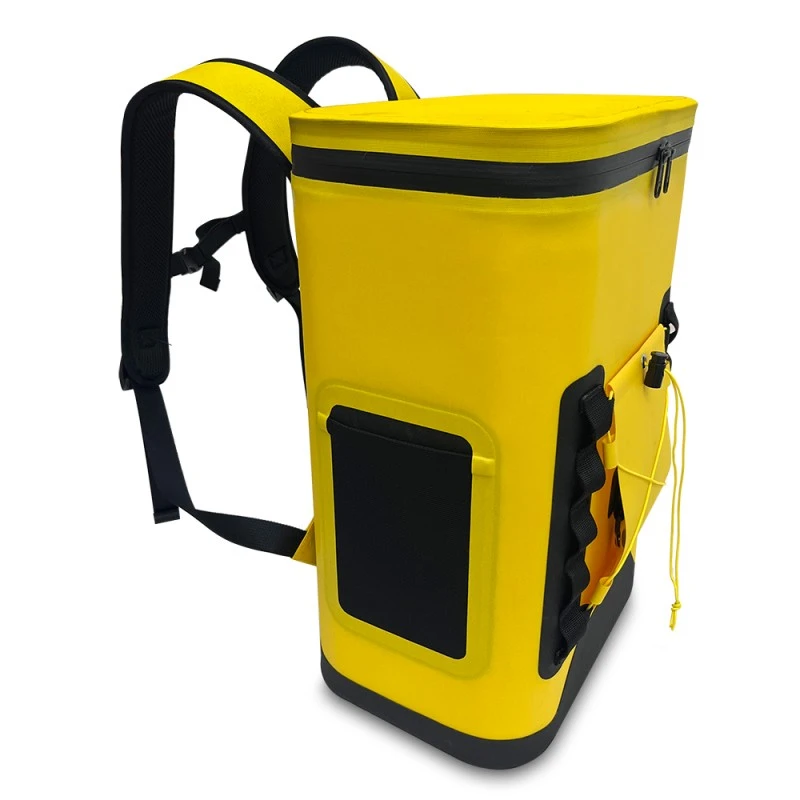
  • Curved Contour Backpack Coolers: Designed specifically to handle vertical loads on long hikes, premium Insulated Cooler Backpacks place their airtight tracks along an ergonomic curved shoulder contour. This design balances internal weight perfectly, protecting the zipper tape from buckling when the pack is filled with loose ice and beverages.
  • Heavy-Duty Marine Fish Kill Bags: Built for commercial angling, professional fish bags utilize oversized polymer tracks reinforced by extra-thick welded cooler seams. These extra-wide tracks prevent corrosive salt crystals from blocking the slider mechanisms during long boat trips in rough salt spray.

If your current cooler zipper has already suffered a broken rail or a severe tear at the base of the track, it is time to upgrade to a molecularly fused system that can take real field abuse. View our complete airtight zip-top cooler bags to secure an engineered thermal solution for your next trip.

Frequently Asked Questions

How often do airtight soft cooler zippers need to be lubricated?

For standard weekend camping or day trips, plan on applying a thin coat of technical lubricant wax every 30 to 40 uses. If you are taking your bag out on coastal boats or exposure to saltwater spray, rinse the track with fresh water and reapply lubricant wax after every single trip to stop corrosive salt-crust lockups.

Why is my cooler slider hard to move even after applying lubricant?

If stiffness continues after clean lubrication, examine the metal or plastic slider body closely. If the slider has been forced or dropped, its housing can bend out of shape. An asymmetrical or bent slider cannot lock the polymer teeth correctly, resulting in heavy friction or partial leaks.

Should I store my soft cooler with the airtight zipper open or closed?

Always store your soft cooler with the zipper track at least 1 to 2 inches open, or completely unzipped. Storing an airtight cooler fully sealed for months at a time puts constant pressure on the internal polymer track, accelerating structural breakdown and tracking fatigue while locking in unwanted odors.

Related News
Leave me a message
X
We use cookies to offer you a better browsing experience, analyze site traffic and personalize content. By using this site, you agree to our use of cookies. Privacy Policy
Reject Accept